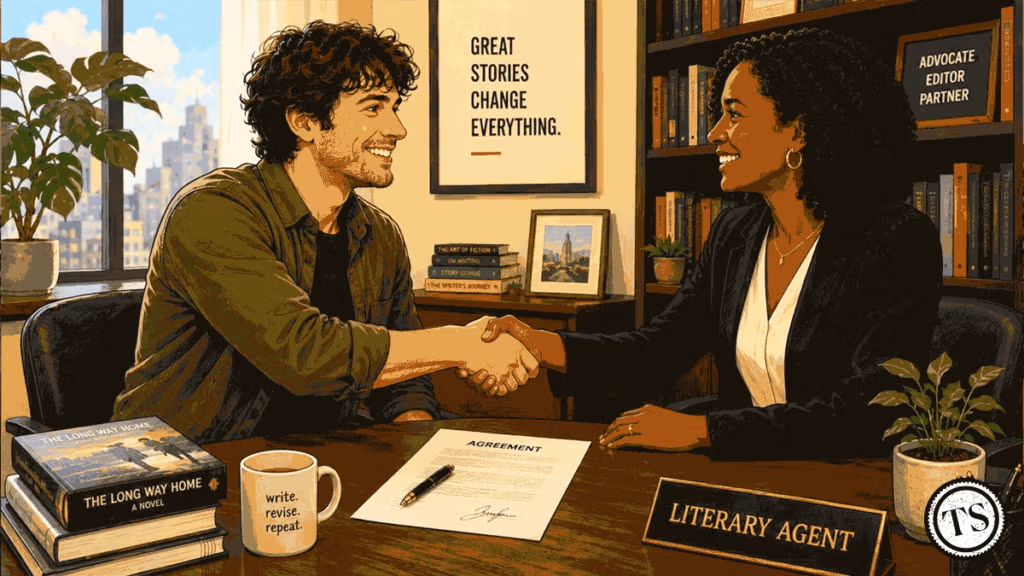
In this installment, we tackle one of the most commonly asked questions in the entire business: How do filmmakers get an agent?
Given the attention around YouTuber-directors Kane Parsons and Curry Barker, it’s worth unlocking the secret of how writers and filmmakers find representation.
TheWrap spoke to multiple Hollywood players including motion picture literary agent Martin Spencer; lit agent Noah Liebmiller; producer Nina Jacobson; manager Michael Diamond; manager Jairo Alvarado; producer F.J. DeSanto; and director David Sandberg.
Here are the key takeaways:
- Great work finds its way to the right people. A script that generates buzz remains the most reliable path to landing an agent.
- Forget cold emails. Agents receive dozens of query letters a week and rarely act on them. A referral from someone already inside the business, like a manager, a producer, or another writer, is worth far more.
- Get a manager first. For writers and directors still building out a team, a manager is often the right first step. They develop your material until you’re ready to be taken to an agent, and agents trust their judgment.
- Think like a campaign. Building fans and supporters who will vouch for your work matters more than any query letter.
Welcome to Trade Secrets, TheWrap’s insider guide to making it in Hollywood. In previous installments, we’ve covered the process of how to get a movie greenlit, who the actors are with greenlight power, and in our last installment, what creators need to look for in representation.
And here’s a little bit more about the industry veterans we talked to for the story.
There’s the legendary Martin Spencer, a motion picture literary agent at Innovative Artists who spent 27 years in the trenches at CAA and helped package blockbuster films including “Mr. & Mrs. Smith,” and “Captain America: The First Avenger.”
Noah Liebmiller is a motion picture literary agent at Verve who reps writers including David Scarpa (“Gladiator II”), Leigh Janiak (Netflix’s “Fear Street” trilogy) and Ali and Anthony Garland, the husband-and-wife team behind Amazon MGM’s “Fake Wedding.”

Nina Jacobson is the producer of “The Hunger Games” franchise and “Crazy Rich Asians” through her company Color Force.
On the manager front, we spoke with Michael Diamond, a partner at Range Media Partners whose clients include Dan Levy (“Big Mistakes”), director Michael Sarnoski (“Pig,” “A Quiet Place: Day One”) and director Ali Abbasi (“The Apprentice”).
Jairo Alvarado is a manager and co-founder of Redefine Entertainment whose clients include filmmakers Angel Manuel Soto (“Blue Beetle,” “The Wrecking Crew”), Lulu Wang (“The Farewell,” “Expats”) and Shaka King (“Judas and the Black Messiah”).
We also spoke to producer F.J. DeSanto (“The Spirit,” “Barbaric”), who oversees a library of comic book IP at Vault and previously taught screenwriting as an adjunct professor at NYU, where his students included Eric Pearson (“The Fantastic Four: First Steps”) and Ed Ricourt (“Now You See Me” franchise).
And David F. Sandberg (“Shazam,” “Lights Out”) offers his perspective as a director on what an agent does — and doesn’t — do for you.
So what does an agent actually do?
Within a talent agency, there’s the “motion picture literary” department, also known as mopic lit or just lit, which handles writers and filmmakers. On the film side, an agent either works in lit or in talent, which is the department that reps actors. It helps to know what an agent actually does, and how the job differs from the other reps in a writer or filmmaker’s life.
Simply put, an agent is a salesperson. They sell your material, your career and your identity as an artist to the studios, streamers and producers. They negotiate deals, package projects and use their relationships to get you inside rooms you couldn’t get into on your own. In the motion picture literary space, that means connecting writers and directors with the right projects and the right people.
While agents sell, managers develop. They work more closely with clients, helping develop material until it’s ready to go out to the town, and often bringing it to agents themselves. For writers just starting out, a manager is frequently the first rep in their corner.

Then there’s legal representation. Spencer stressed that you should get an entertainment lawyer as soon as possible. “It really helps them with whatever legal situations arise,” he said, “and there’s always something.”
The lawyer handles the contract side of the business and often has relationships at the agencies and studios that can open doors before you have either a manager or an agent.
The three roles are distinct, but they work together. And for most up-and-coming writers and filmmakers, the path to landing an agent runs through at least one of the other two first.
How do you get noticed?
Every rep TheWrap spoke to for this story gave the same answer when asked how to get an agent. It starts with the script.
“Good material will always rise to the top,” Spencer said. He still asks the same question he always asks, no matter who he’s talking to: “What have you read lately that really moved you? Even if that person is repped somewhere else, you want to read what people are talking about. You want to be at least in the conversation.”
Liebmiller put it even more directly. “The number one way of getting an agent, from my part of the business, is having a story worth telling or a voice worth championing within the context of Hollywood as a business,” he said. “If you don’t listen to anything else I say, that is my thesis.”
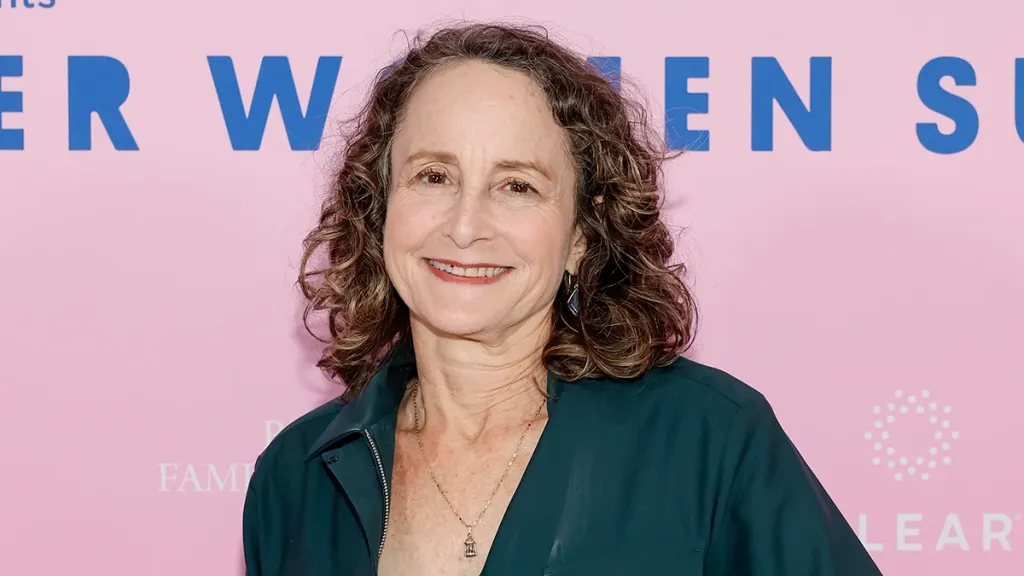
While having the right script is only the beginning of the road to a green light, producer Jacobson said that the quality of the material has to be undeniable.
“It sounds cliche, but I would still have to say undeniability, and for me, that comes down always first and foremost to the writing and the caliber of the read,” Jacobson said. “A script you can’t put down.”
The first thing DeSanto looks for when a writer comes to him is simple. “Can they write?” he said. He’s met writers with major agents who can’t deliver on the page, and others without any representation at all who can. The rep on the letterhead, he stressed, doesn’t change that calculus.
How has the job changed?
The job of being an agent has not changed much. The market around it has.
Spencer started his career at CAA making 150 cold calls a day, covering five legacy studios at the time, building relationships with young creative executives, or CEs for short, who have since risen and gone on to run studios or production companies. “The job really hasn’t changed,” he said. “It’s really about the relationships that you have.”
What has changed is the number of buyers. There are fewer of them now, and they are more cautious.

Liebmiller put it in starker terms. Before COVID, he said, an agent’s job was to launch a voice. Now it’s more specific.
“There’s fewer people in our ecosystem. There’s fewer dollars in our ecosystem now,” he said. “There’s less speculative grace given to the emerging storyteller now than there’s been in years past.”
Diamond echoed that from the manager’s side. Agents, he said, are being more deliberate about who they take on. “In some ways, they’re taking fewer flyers,” he said. “People want proven talent.”
But he also sees opportunity. Writers and filmmakers can be more entrepreneurial now, finding ways to get projects realized independently, and that work can be just as compelling to an agent as a traditional spec sale.
DeSanto sees the same tightening from the buyer’s side, and it’s changed what he asks for. Studios and streamers want a fully realized script up front rather than a pitch, he said. He’s feeling that shift directly in his own work overseeing Vault’s library of comic book IP (“Barbaric,” “Bleed Them Dry”). Two years ago, he added, he could walk into a room with just a comic and start a conversation. Now buyers want the script attached before they’ll engage at all.
How do I make first contact with an agent?
Cold emails rarely go anywhere.
Spencer noted there’s a legal dimension to it: If an agent reads an unsolicited script and later something similar gets made, they can find themselves in a lawsuit. Some agents will ask writers to sign a release form, but most don’t have the time.
Liebmiller was the most pointed on the subject. “Sending a cold email to an agent shows exactly one skill for that person,” he said, “the ability to find their email address.”
A much more valuable skill, he added, is the ability to rally people into your corner.
“Build a campaign for yourself,” he said. “Make friends, find fans.”
He said 98% of how he finds new clients is through his network: friends that work in development, at studios, in management.
Diamond said what works is a familiar touchpoint, a referral, someone inside the business who can vouch for the work. “You probably only have so many bullets,” he said, “so make sure that you’re moving forward at the right stage.”
For filmmakers specifically, Diamond noted that just being in the business creates touchpoints. Working in commercials, working as a production assistant, casting actors who are repped at an agency: all of it builds the kind of visibility that puts you on an agent’s radar before you ever send an email.
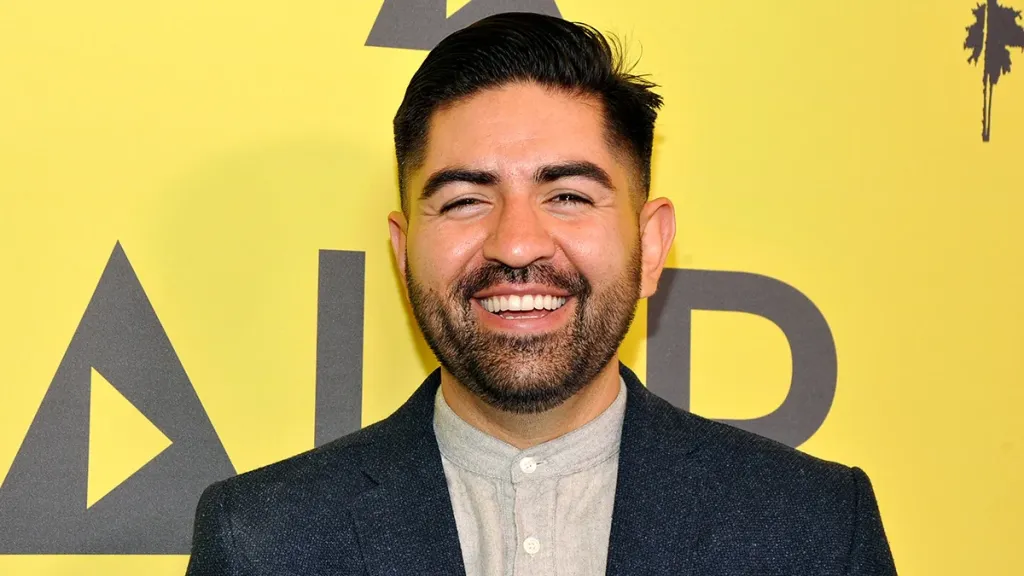
Alvarado pointed to the same shift, noting it’s not just about the work. “We live in an age where the internet has democratized the scouting system,” he said, a shift he’s seen play out over roughly the past 12 years. Reps, he added, are constantly scanning — Instagram feeds, social platforms, who’s getting written about, what’s showing in galleries and museums. “Are you in the conversation or not?” he said.
DeSanto sees a specific, recurring mistake from unrepresented writers trying to break in: chasing the wrong kind of project. He’s seen a steady stream of unsolicited spec scripts for major franchises land on his desk over the years — in some cases enough to require a rejection letter just to limit legal exposure.
His advice is the opposite. Write something original that fits the current marketplace, not a script that reads like a pitch for a trilogy.
“Just always keep working on the writing,” he said.
How do you build your visibility?
Diamond has astute advice for both filmmakers and writers on how to create the conditions where an agent actually comes to you.
For filmmakers, he pointed to the lowered barrier of entry that better technology has created.
“I would recommend making something bold that is a great representation of your POV and style and whose premise could potentially lend itself to a feature adaptation,” he said.
Short films can take on a life across digital platforms, and in the right circumstances, go viral. Case in point, A24’s “Backrooms” started as a short web series on YouTube. Parsons made and posted the first episodes on his own, and when they went viral, Hollywood came calling. Now it’s a record-breaking, feature-length film that is a blockbuster hit in theaters.
Beyond that, the traditional festival path remains viable, as long as you’re strategic about positioning your short with the right people who can serve as a bridge to producers and rep introductions.
For writers, Diamond pointed to Franklin Leonard’s Black List, the Nicholl Fellowship and screenwriting contests as ways to stand out from the crowd. “Often producers and managers will take more immediate notice, which will help as it relates to agency representation,” he said.
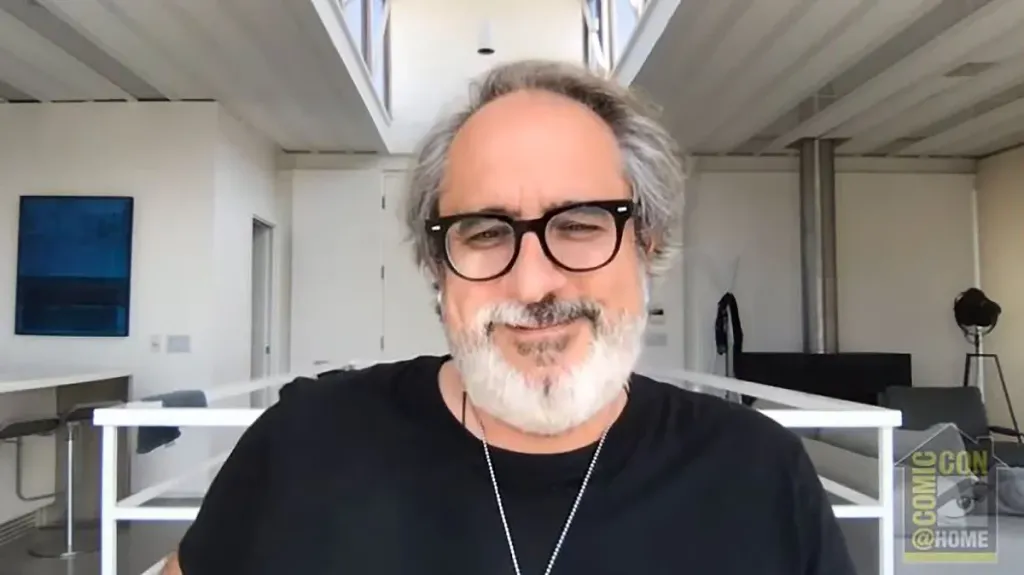
The most traditional path, Diamond added, is having your material sent to an agent by a trusted referral — best case, a producer who is looking to package the project and came to the agency for that purpose. “Producers are a great bridge to agents,” he said. “I would put energy into identifying the right producers for your material.”
DeSanto relayed the story of his college roommate Ehren Kruger (“Top Gun: Maverick”), who won the Nicholl Fellowship and used it as a launching pad into a major screenwriting career. Kruger now serves as a Nicholl judge himself. An accolade like that “certainly helps,” DeSanto explained, but it’s secondary to the same question he always comes back to: Can the person write, and can they collaborate?
Alvarado pushes a more do-it-yourself version of the same idea. Rather than chasing festival lineups, he tells emerging writers and directors to treat the internet itself as the venue: “I said, guys, the internet is your festival.”
He points to filmmakers like Fede Álvarez, Sandberg and Andy Muschietti, all of whom built early buzz with short films that traveled online before they ever had representation. “As long as you’re putting your work out there and it’s great, people will find you,” he said. “It’s very difficult not to be found as this point.”
DeSanto, however, comes down firmly on the side of the page over the short film. “Spec scripts always — miles ahead of any short film,” he said. He’s seen short films work, but he’s seen far more fail, often because the person behind the camera hasn’t yet developed the kind of vision that makes a short film worth making. A spec script, in his view, is the more reliable signal of whether a writer can actually write.
When is the right time to get an agent?
For Spencer, it’s as soon as you can.
“Agents have relationships and abilities,” he said. He loves his job because he loves to read. “You never know when you’re going to find that one thing that really makes you pay attention, the one thing that keeps you up at night.”
Liebmiller framed it around readiness. “It’s time to get an agent when an agent can help,” he said. “Agents are salespeople. It’s time when you’ve got something to sell.”
That could be a new original script, a director attached to a project or a unique voice that hasn’t been introduced to the business yet.
For Alvarado, the signal is volume. When a writer or director is consistently producing enough work that they start needing help figuring out what to do with it, that’s the moment. “What is it that you bring to the table?” is the only question that matters, he said. The more someone is creating — whether that’s scripts, short stories, web series or across platforms — the more it becomes clear where representation could actually add value.
“That’s when you start to realize, oh, that’s where an organization can perhaps be helpful to you,” he said.
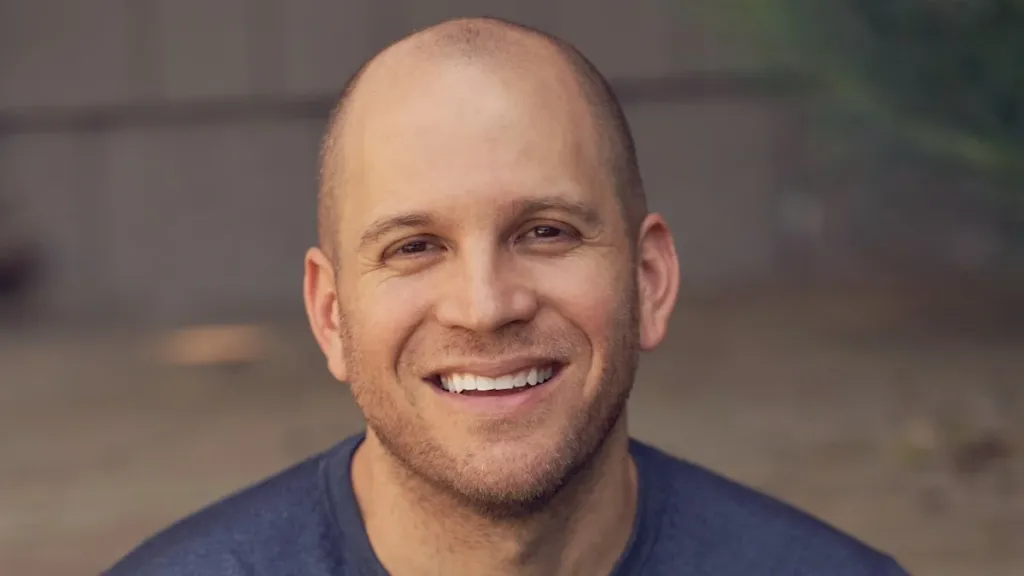
Diamond made the case for starting with a manager before even thinking about an agent. “An entertainment attorney is a helpful conduit for introductions to agents, but candidly a manager is probably the best place to start,” he said. “If you can secure a manager who is passionate with a deep belief in you, he or she can guide you as it relates to what you should put your energy towards and, in turn, when the time is right, direct you to an agent.”
The manager’s role, he said, goes beyond cheerleading. They help determine what material to lead with, when to approach an agency, and how to build real momentum before making that move. “It can be more natural for a manager to be your advocate than yourself,” Diamond said.
“Agents trust the taste of many managers, have a shorthand, and given managers carry a lot of the creative weight on the rep side, it will often feel more comfortable taking on a new client when a manager is in place.”
A motivated agent, he added, makes the difference. “That can help you cut through in today’s challenging marketplace,” he said.
What is the biggest misconception?
Ask agents and managers what people get wrong about getting repped, and you get a version of the same answer: The agent is not the finish line.
Liebmiller called it the biggest misconception in the business. “A lot of people feel that if they’re able to get an agent, the whole world opens up, that the difference between succeeding and failing is whether you can find an agent who believes in you,” he said.
That’s not how it works.
“The gatekeepers in our business are the people who spend money to make film and television,” Liebmiller continued. Every agent, at every size agency, is fighting to get emerging storytellers seen. “They wouldn’t have the job of agent if it wasn’t something they were deeply passionate about.”

Sandberg, director of “Shazam!” and “Until Dawn,” said he’s recently been asked about how to get an agent by film students while guesting on campus. He tells them that “you don’t find an agent, an agent finds you.”
“There’s this saying that you’ll get an agent when you least need one,” he said. “When you have heat, when you create something interesting that makes people want to make movies with you, that’s when an agent comes along.”
That’s what happened when Sandberg’s zero-budget, filmed-at-home horror short “Lights Out” went viral on YouTube in 2013, leading to “The Conjuring” director James Wan asking the Swedish filmmaker if he’d like to come to America to turn the short into a feature-length film. Along with Wan were multiple agents offering to represent him, giving him the freedom to choose the right fit as he ventured into Hollywood.
“But the second misconception I see is that people think that once you get an agent, you’re just going to get job offers,” he said. “An agent doesn’t get you jobs. An agent gets you access to people and meetings and access to material like scripts and things like that, and that’s great. But it’s always up to you to actually get the job, and it’s always up to you to show that you’re valuable to people. Don’t worry about getting an agent. Worry about your own work. Make yourself into a director people want to work with. So much about getting an agent is luck, but you improve your odds with more and more work.”
Spencer put a finer point on what happens once you’re in the room. “I can put you in the room,” he said. “At the end of the day, I’m not in the room with you. You’ve got to be prepared to walk in and know the person.” He cited John Wooden: “Failure to prepare is preparing to fail. The agent gets your foot in the door and gets you the meeting. The rest is on you.”
Diamond said there’s no single path, and that’s actually good news. Agents come across writers through screenwriting contests, film festivals, independent productions, relationships. “There’s not one size fits all,” he said. “These things tend to take a life of their own.”
Alvarado sees the same misconception play out from the manager’s chair, just aimed at representation in general rather than agents specifically. Too many writers and directors think landing a rep means they can ease off the gas.
“I think the biggest misconception is as soon as people get an agent, or think that when they have an agency or representation, they can kind of just sit back, relax and let the opportunities roll in,” he said. “I actually argue the other way around. That’s the time to actually step on the gas in a really big way.”
The bottom line
Spec script sales are back with a vengeance as bidding wars have broken out for top material and packages. The success of “Weapons,” “Sinners” and, most recently, “Obsession” shows that the market for original material is hotter than ever.
“I think we’re in the strongest spec market since COVID,” Liebmiller said. Writers are writing again. Good material is moving. But it moves more slowly than it used to.
Spencer has sold scripts that sat for 10 or 12 years before finally getting made. He pointed to “Honeymoon for Harry,” a comedy that spent close to two decades in development before Amazon MGM Studios Head of Film Courtenay Valenti, who had always loved it, called the producer and got it into production. “Good material never goes away,” he said.
The path to an agent is not a straight line, and there is no guaranteed formula. But all three reps kept coming back to the same thing. Do the work. Share the work. Build the relationships. And when the right person finally reads it, be ready.
“Just don’t give up if you believe in something,” Spencer said. “You just gotta keep going.”
Jeremy Fuster contributed reporting to this story.
The post You’re a Filmmaker. How the Hell Do You Get an Agent? appeared first on TheWrap.