Republican Matt Van Epps beat Democrat Aftyn Behn in a special election in Tennessee 7th district last night.
And that’s where the good news for Republicans ended.
Van Epps looks headed to a 9-point win over Behn in a district that Donald Trump carried by 22 points last year.

And had Democrats nominated someone better fitted for the seat—Behn is an outspoken liberal with a long track record of public statements that didn’t sit well with voters in a deep red district—there is a very real possibility that the GOP could have lost.
So, what does it all mean? I have thoughts!
Firstly, special elections are special. This was the only House race on the ballot. It drew considerable national attention and spending. (Both sides and aligned outside groups spent millions on TV ads.) In the 2026 midterms, there will be lots going on — and few if any races will get the undivided attention of the political world like this special election did.
But the Democratic over-performance is real. Behn’s 9-point loss in a seat where Kamala Harris lost by 22 points in November 2024 is, broadly, in keeping with the level of Democratic over-performance we have seen in other, less competitive special elections so far this year. This chart by Geoffrey Skelley over at Decision Desk HQ is instructive on that front.
Let’s just say, for the sake of argument, that Behn’s performance proves—or at least suggests—that any House seat that Trump won by 13 points or less is now in play. That’s a whole lot of Republican incumbents who presumably had been assuming they were safe. Even if the Democratic overperformance in November 2026 comes in half as large as Behn’s, it would still easily hand the House to Democrats.
As Republican strategist Matt Whitlock put it on X on Tuesday night, “this is one of the biggest flashing red light warning signs we’ve seen yet for Republicans.”
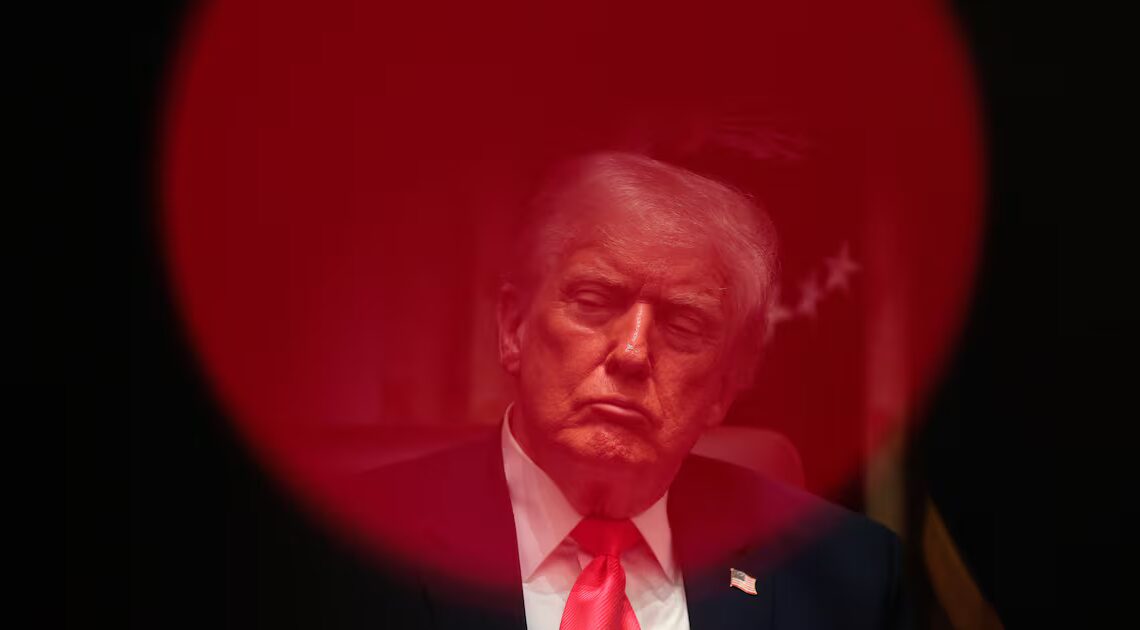
And it’s important to note that Trump had a very light presence in the race. In past special elections like this one, the GOP nominee would have had Trump in every ad, in every communication from the campaign. Not so for Van Epps.
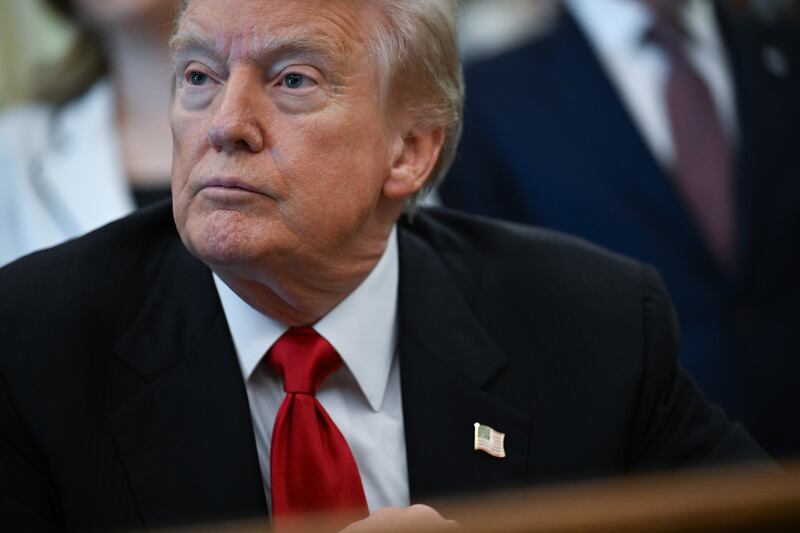
Trump didn’t visit the district once. On the day before the election, he called in to a rally that Speaker Mike Johnson was headlining, and later did a tele-rally. What does it mean? That even among Republican base voters, Trump may not be the rallying force he once was. And that Republican candidates are starting to recalibrate how much or little to use the president in a campaign context—especially as his approval rating, including among Republicans, keeps dropping.
Of course, Democrats celebrating today would do well to remember two things: 1) their candidate still lost and 2) the 2026 midterms are still 11 months away.
But if I’m a Republican House member sitting in a district that Trump won by 6 points in 2024, I’m reassessing my future political plans this morning.
Want more ball and strike calling—no matter what uniform the batter at the plate is wearing? Check out Chris Cillizza’s Substack and YouTube channel.
The post Opinion: Why Republicans–and Trump—Should Be Terrified by Their Win in Tennessee appeared first on The Daily Beast.