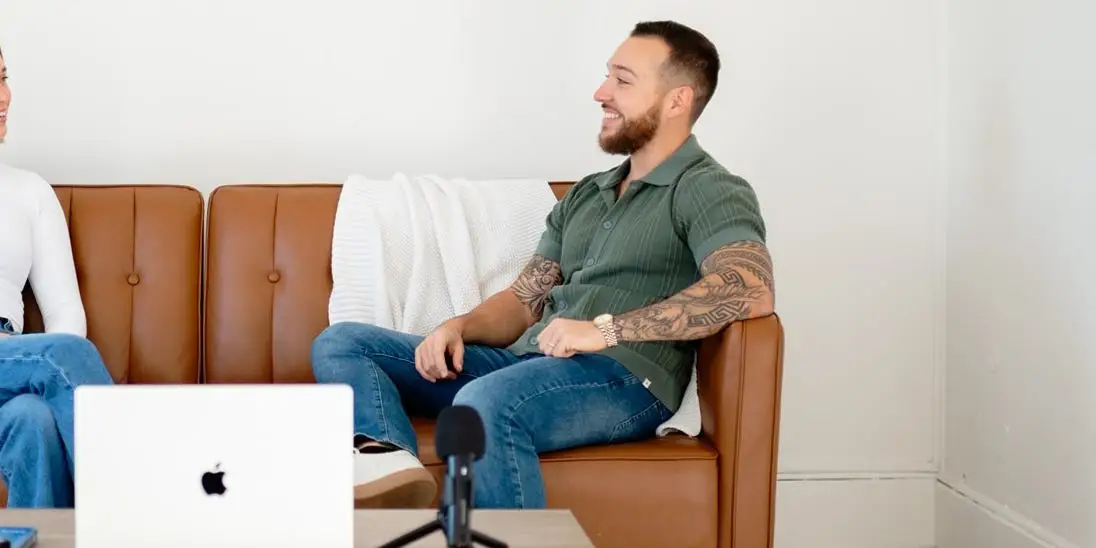

Cody Berman’s first entrepreneurial venture was a disc golf manufacturing company he started with a friend at 19.
The business was not a financial home run, the now 30-year-old told Business Insider, but it taught him skills he would use for years: “I learned how to market, how to network, how manufacturing works, how to talk to customers, build websites.”
Over the next decade, Berman kept experimenting.
The Massachusetts-based serial entrepreneur, author of “Retire by 30,” and host of “The FI Show” had a brief stint in the corporate world, working about seven months in commercial real estate lending. During that time, he lived on side-hustle income and saved his full salary, building a roughly $35,000 cushion that gave him the confidence to quit corporate and pursue entrepreneurship full time.
Since then, Berman said, he has tried more than 30 side hustles. The ones that worked best helped him reach financial independence in his mid-20s.
The most lucrative side hustles were scalable
Berman thinks of side hustles in four categories: trading time for money, scalable income streams, sharing-economy plays, and hybrid or agency-style businesses. The ones that have been most lucrative for him fall into the second category, which he calls “type two” side hustles.
These are scalable income streams that can keep earning after the initial work is done. Or, as he puts it, “something that is going to pay me in perpetuity,” such as a digital product, blog post, podcast episode, YouTube video, or rental property — anything that requires upfront effort but can continue producing income over time.

His top income driver today is his digital product business, Gold City Ventures. It started with Berman selling Valentine’s Day-themed love coupons and notes on Etsy and has since expanded into a template library and courses, including an E-Printables side hustle course.
Real estate has become another major income stream. Having experimented with long-term rentals, Airbnbs, house hacking, flipping, and hard-money lending, Berman now focuses on real-estate syndications. His third main income bucket is personal-finance education, which includes his podcast, social media, YouTube channel, and book.
The appeal of “type two” side hustles is that they’re not strictly tied to hours worked. The trade-off is that they typically require upfront time and effort before they produce meaningful income.
“You’re not going to start a YouTube channel or create a digital product today and make money with either of those things tomorrow,” Berman said. “But in six months’ time, those things might start making serious income.”
His biggest flop paid about $2.30 an hour
Not every side hustle was worth repeating. Berman said the biggest waste of time for him was filling out online surveys, which he estimated paid about $2.30 an hour. Simply put, “it was awful,” he said.
The funniest flop, he added, was delivering Uber Eats by bicycle while living in Australia for six months.
He had some free time and wanted to make money in a way that didn’t involve sitting at a computer. So he signed up for Uber Eats, bought a pink, single-speed bike on Gumtree for about $25, and started delivering food.
“It was super hot. I was in a hilly suburb,” he recalled. “Within the first month, I got two one-star reviews because I was sweating on people’s food.” The gig paid better than surveys, he said — roughly $12 to $15 an hour — but it was physically demanding. “My shifts would only last so long until my legs gave out.”
The easiest way to get started is trading time for money
Digital products, real estate, podcasts, and YouTube channels can take months to become profitable. For someone who needs extra cash quickly, Berman said the easiest place to start is usually a “type one” side hustle: trading time for money.
That could mean freelance writing, video or podcast editing, website building, landscaping, driving for Uber, shopping for Instacart, or completing tasks on Taskrabbit.
This is how Berman supported himself early on. “I needed time for my type two side hustles to season, and I supplemented that with the type one stuff,” he said.
The main advantage of a type one side hustle is speed.
“You could literally hop on Taskrabbit tomorrow and go do a couple of tasks, or hop on Instacart or drive Uber tomorrow,” he said. “And then whenever you’re done with it, you can just put it down.”
Thanks to years of experimentation, Berman has found what works for him, but there’s no universal “best side hustle,” he said. The right one depends on a person’s skills, personality, interests, and goals.
His advice is to lean into what you enjoy and avoid what you do not: “There is a side hustle for everyone. You don’t have to do the ones that I did just because those worked for me.”
Read the original article on Business Insider
The post A millennial who’s tried more than 30 side hustles shares the most lucrative, the biggest flop, and the easiest way to get started appeared first on Business Insider.