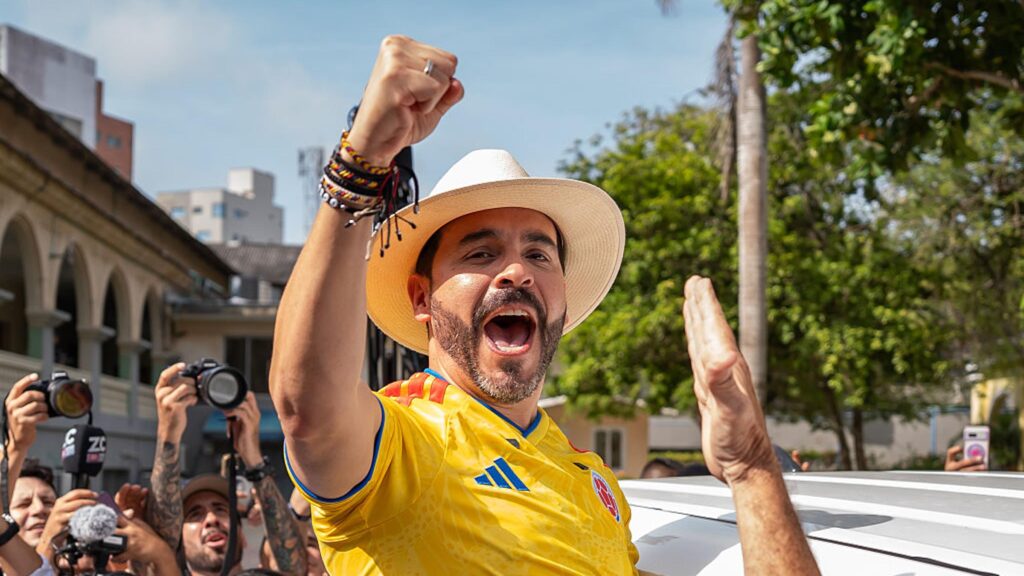
Latin America has swung further to the right after nationalist lawyer and political novice Abelardo de la Espriella narrowly emerged as the victor in Colombia’s presidential election run-off on Sunday night.
A preliminary tally from the country’s civil registry showed that, with 99% of polling stations reporting, de la Espriella, 47, of the Defensores de la Patria (Defenders of the Homeland) political movement secured 49.66% of the votes. His opponent, veteran politician and leftist senator Iván Cepeda from the Pacto Histórico party that’s led by outgoing President Gustavo Petro, secured 48.7% of the votes.
De la Espriella’s margin of victory was around 250,000, much smaller than the about 670,000 gap between the two in the first round of elections on May 31, where both led but neither secured an outright majority.
In his victory speech in the coastal northern city of Barranquilla on Sunday night, de la Espriella said, “I will govern for all Colombians, for those who voted for me and for those who chose another candidate.”
De la Espriella’s victory swings Colombia back to the right, as Petro, the country’s first leftist President, is set to end his term in August.
It comes as Latin American nations have been facing increasing pressure from their citizens and the Trump Administration to move away from progressive governments. Others in the region like Chile and Honduras have also elected conservatives to power in the past year, and in Peru, right-wing candidate Keiko Fujimori edged closer toward the presidency following elections in April and a runoff in June.
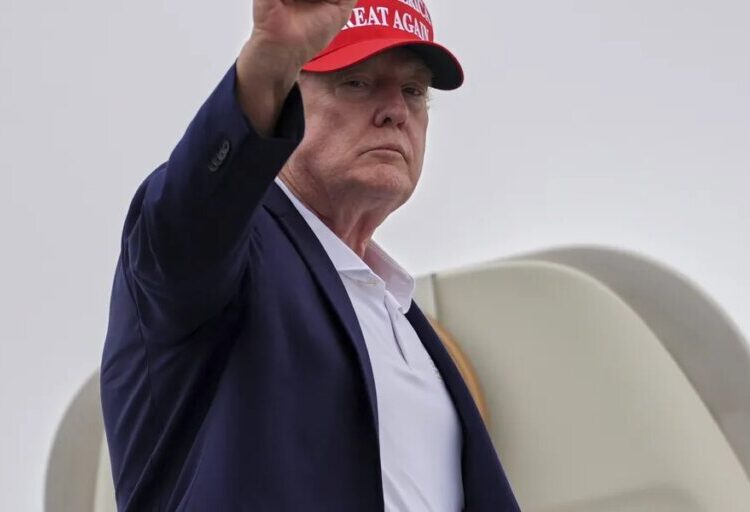
De la Espriella, like some of the other Latin American conservative leaders, had U.S. President Donald Trump’s backing. Trump congratulated de la Espriella after leading in the first round of voting, and following his apparent victory in the run-off on Sunday, he posted on Truth Social: “[De la Espriella] won BIG!”
U.S. Secretary of State Marco Rubio also extended his congratulations. “The Trump Administration looks forward to working closely with your incoming administration to advance regional security cooperation, end illegal immigration to the United States, and strengthen our economic ties,” Rubio wrote on social media. “Colombia’s best days are ahead.” De la Espriella was naturalized as a U.S. citizen in 2023 and previously spent more than a decade living in Florida.
Petro, meanwhile, has continued to cast doubt on the result. He reiterated that only after following the official scrutiny process, which reviews the votes, will his camp accept the outcome. “No one can be declared President,” he posted on social media. “It is the scrutiny that determines who the President is.”
Cepeda, in a speech before his supporters Sunday night, said that while he acknowledges the initial results, lawyers are still contesting in polling precincts and that they will await the results of the scrutiny.
De la Espriella, who calls himself “El Tigre” (The Tiger), galvanized support through a social media-forward campaign emphasizing his toughness on crime. He has promised an iron-fisted approach to end violence in the country, including by building megaprisons and cracking down on drug traffickers.
“There will be no areas off-limits to the State,” he told his supporters in Barranquilla. “There will be no unpunished or untouchable criminals.”
The post Colombia Elects Trump-Backed Populist in Presidential Election appeared first on TIME.