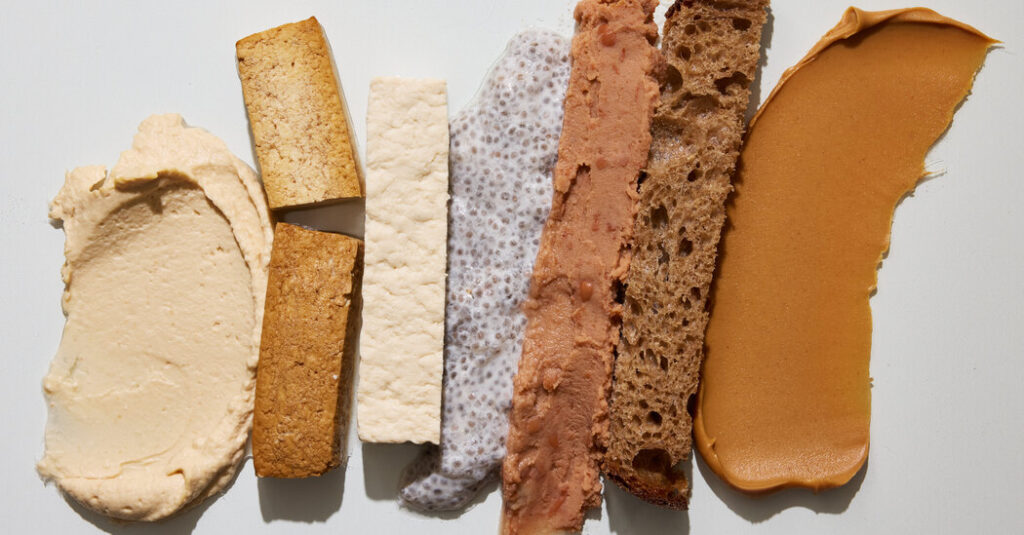
With protein hogging the spotlight lately, it may seem as if it’s the main nutrient to focus on when it comes to good health. But fiber deserves attention too, nutrition experts say.
Most Americans, while eating plenty of protein, aren’t meeting fiber recommendations — which are 25 grams per day for women and 38 grams per day for men.
Few foods offer both nutrients, said Cheryl Anderson, a professor and dean of public health at the University of California, San Diego. Animal products that are high in protein, like beef, fish and chicken, often contain no fiber. And foods that are high in fiber, like fruits and vegetables, typically offer little protein.
The sweet-spot foods that contain both nutrients offer a nice one-two punch of benefits, Dr. Anderson said. Not only are they often satiating and inexpensive, she said, but you get both the protein perks, like muscle maintenance, and the fiber perks, like improved gut health and reduced risks of chronic conditions, all in one bite.
You only have so many calories to play with each day, said Penny Kris-Etherton, a professor emeritus of nutrition sciences at Penn State. So incorporating fiber- and protein-rich foods can help you meet your nutrient needs without exceeding your calorie goals.
Here are five food groups that offer both.
Beans, Lentils and Other Pulses
Pulses — which are dry, edible seeds of the legume family — include chickpeas, lentils, dry peas and dry beans, like pinto, kidney and black beans. They top the list because of their relatively high protein and fiber levels.
A half-cup serving of cooked lentils, for instance, has about nine grams of protein and eight grams of fiber. The same amount of cooked black beans offers about 7.5 grams of each nutrient.
Research has found that people who regularly eat legumes tend to have healthy body weights, lower blood pressures, lower cholesterol levels and reduced risks of chronic health conditions like Type 2 diabetes.
One large review published in 2023 even found that for every additional 50 grams of legumes people ate each day, their risk of dying from any cause during the study periods decreased by 6 percent.
Tofu, Edamame and Other Soy Foods
Soybeans (like edamame) and many products made from them (such as tofu, soy milk and tempeh) are nearly perfect foods when it comes to their nutrition, said Dr. Walter Willett, a professor of epidemiology and nutrition at the Harvard T.H. Chan School of Public Health.
They contain “generous amounts” of protein as well as healthy fats, he said — including heart-healthy omega-3 and omega-6 fatty acids.
A half-cup of shelled edamame packs about nine grams of protein and four grams of fiber. Raw tofu has about 22 grams of protein and 3 grams of fiber per half-cup serving.
Unlike cow’s milk, soy milk contains fiber. One cup of soy milk, for instance, provides 1.5 grams of fiber along with its eight grams of protein.
Nuts
Nuts are Dr. Willett’s favorite fiber- and protein-rich food. A one-ounce serving of peanuts, for instance, offers about 7.5 grams of protein and 2.5 grams of fiber. The same amount of almonds contains six grams of protein and 3.5 grams of fiber.
Eating nuts has been linked with numerous health benefits, Dr. Willett said, including a healthy body weight and reduced risks of cancer and cardiovascular disease.
Nuts contain beneficial fats like mono- and polyunsaturated fats, which help improve cholesterol and make us feel full; vitamins and minerals, including B vitamins, magnesium and potassium; and antioxidants like vitamin E.
Seeds
While seeds have health benefits similar to nuts — most notably in relation to heart health, Dr. Willett said — certain seeds, like chia seeds and flax seeds, tend to have more fiber and heart-healthy omega-3 fatty acids.
Research suggests that regularly eating seeds can help support a healthy weight and a healthy immune system and can help protect against inflammation, Type 2 diabetes and high blood pressure.
A one-ounce serving of pumpkin seeds has about 8.5 grams of protein and two grams of fiber; the same amount of chia seeds has nearly five grams of protein and 10 grams of fiber.
Whole Grains
A grain is considered “whole” when it contains all three parts of the original kernel — the bran, the endosperm and the germ. Grains like farro, brown rice, quinoa and oatmeal — as well as foods made from whole-grain flours, like whole-wheat bread and crackers — count as “whole grain.”
Whole grains have been tied to a wide range of health benefits, including better gut health and reduced risks of colorectal cancer, heart disease and Type 2 diabetes.
Oatmeal made from a half-cup of rolled oats has about six grams of protein and five grams of fiber. A cup of cooked quinoa has about eight grams of protein and five grams of fiber.
The post 5 Foods That Contain Both Protein and Fiber appeared first on New York Times.