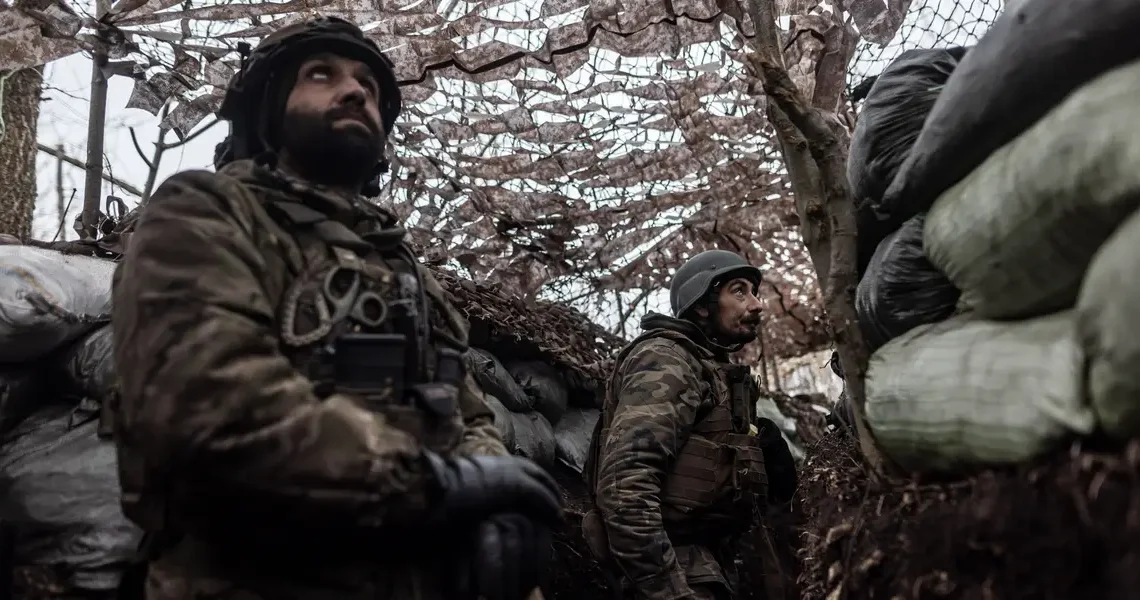
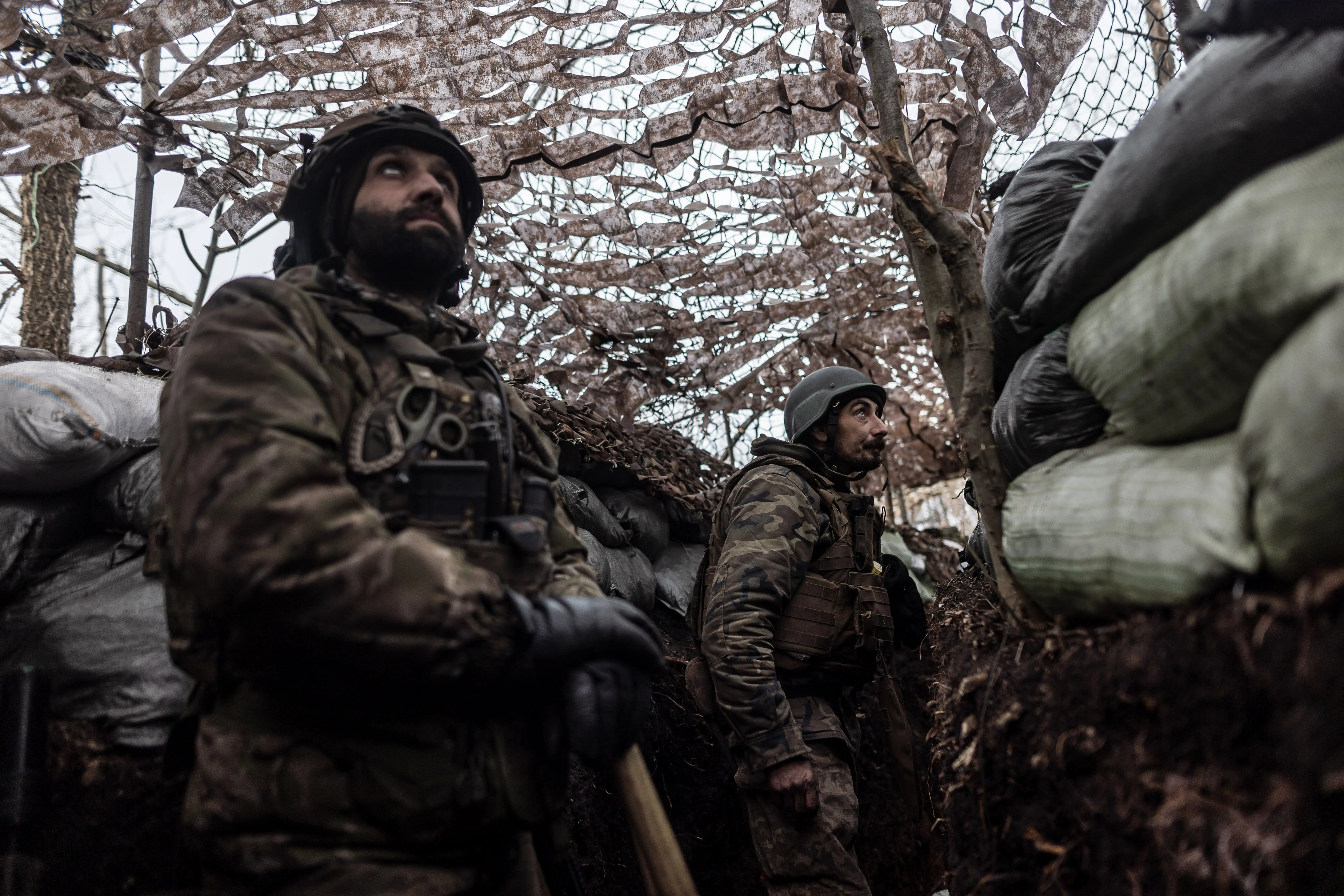
Ukraine is repurposing reconnaissance and attack drones to move supplies to the front lines because sending soldiers on these missions has become increasingly deadly.
Bringing supplies like water and ammunition to soldiers near the front lines is critical for militaries to stay in the fight. But those routes are now so exposed to surveillance and attack drones that Ukraine is increasingly turning to uncrewed systems to do the job instead.
One example is the Linza drone made by Ukrainian arms company Frontline Robotics. The company says it is used by more than 60 Ukrainian units and is now taking on a growing logistics role.
Mykyta Rozhkov, Frontline Robotics’ chief business development officer, told Business Insider that this drone was “mainly for attack operations,” but now, there’s demand “to have it as a logistics drone to provide critical supplies to the advanced troops.”
That’s “because the logistics are almost shut down on the actual engagement line,” he said, referring to the most exposed area near the front, where almost any movement can draw fire.
Now, Linza drones “are responsible for supplying water, supplying ammunition, and supplying medical supplies for the troops that are facing the attacks.”
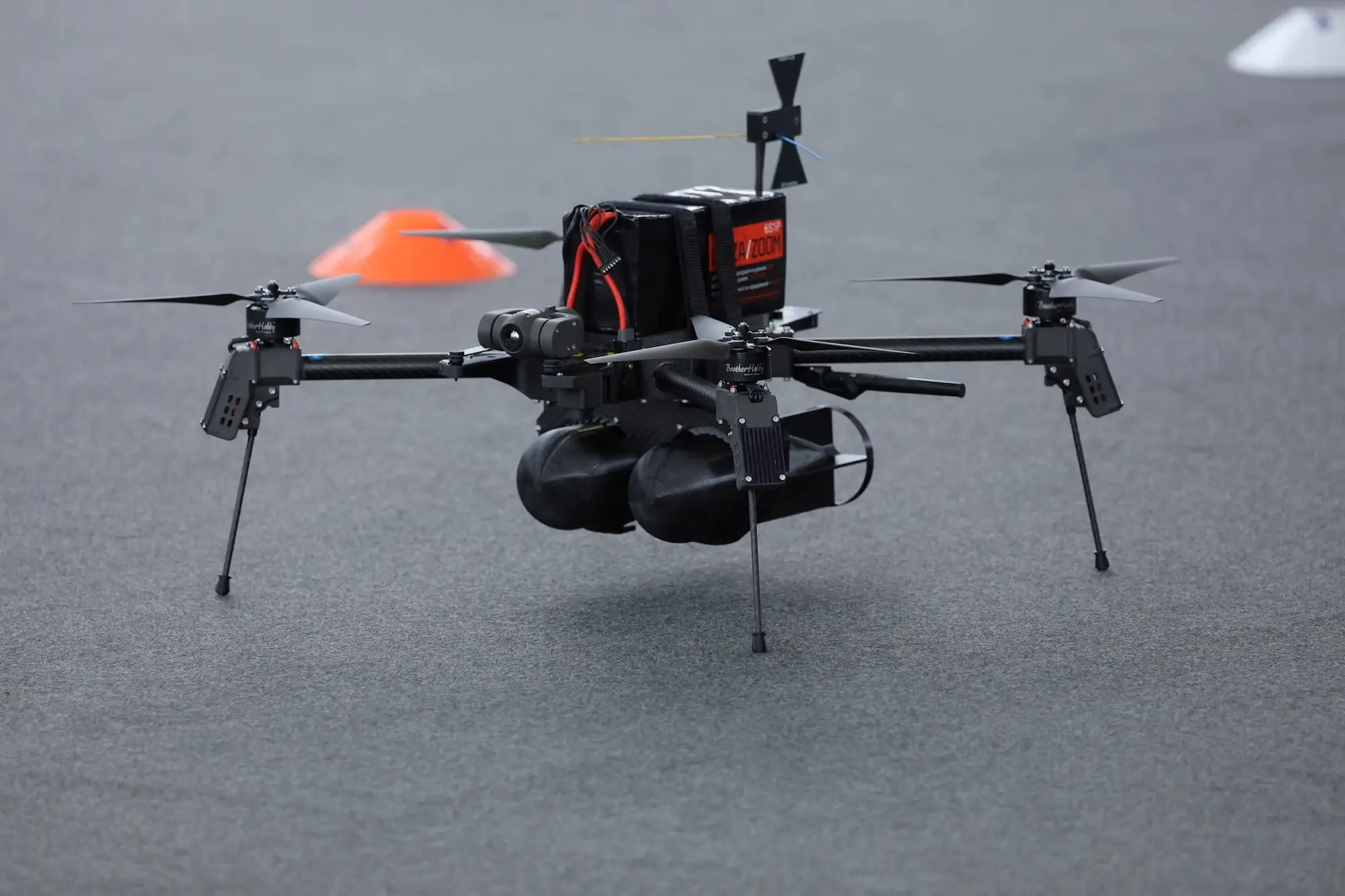
That flexibility means soldiers can choose whether to use the drone to carry basic supplies — “water and cigarettes,” Rozhkov said — or as something meant “to stop the target.”
Frontline Robotics upgraded the Linza drone this year to its 3.0 model, which can carry 4 kilograms over 15 kilometers, up from the 2 kilograms over 10 kilometers of the previous model.
Rozhkov said that the company’s mission is to “provide different robotic solutions to get people outside the danger zone. So just to keep the line with the robots.”
The goal, he said, is to keep as many soldiers back away from the front as possible and use humans only when “robots can’t handle the situation.” Eventually, he said, the aim is to defend areas “without humans” in order to keep soldiers safe.
Other Ukrainian manufacturers are also converting drones into logistic assets to protect soldiers. The heavy bomber “Max” drone was designed to drop explosives on Russian positions but is now increasingly being used for logistics, its manufacturer, Perun, told Business Insider’s Jake Epstein at an undisclosed location inside Ukraine.
Ukraine wants to minimize human involvement near the front line because of how dangerous it is. Officials and soldiers describe a “kill zone” as wide as 50 kilometers in some places, where dense networks of surveillance and attack drones put almost anything that moves at risk.
President Volodymyr Zelenskyy has called it a “death zone” where any tank, armored vehicle, or motorcycle that enters it “burns.” He said that “everything is destroyed by drones.”
Rozhkov said that it was normal at the start of Russia’s full-scale invasion for around 1,000 soldiers to be responsible for about 10 kilometers of the front line. Now, he said, his company is part of a big armed forces effort to bring that down to just 150 soldiers, with unmanned systems doing much of the work.
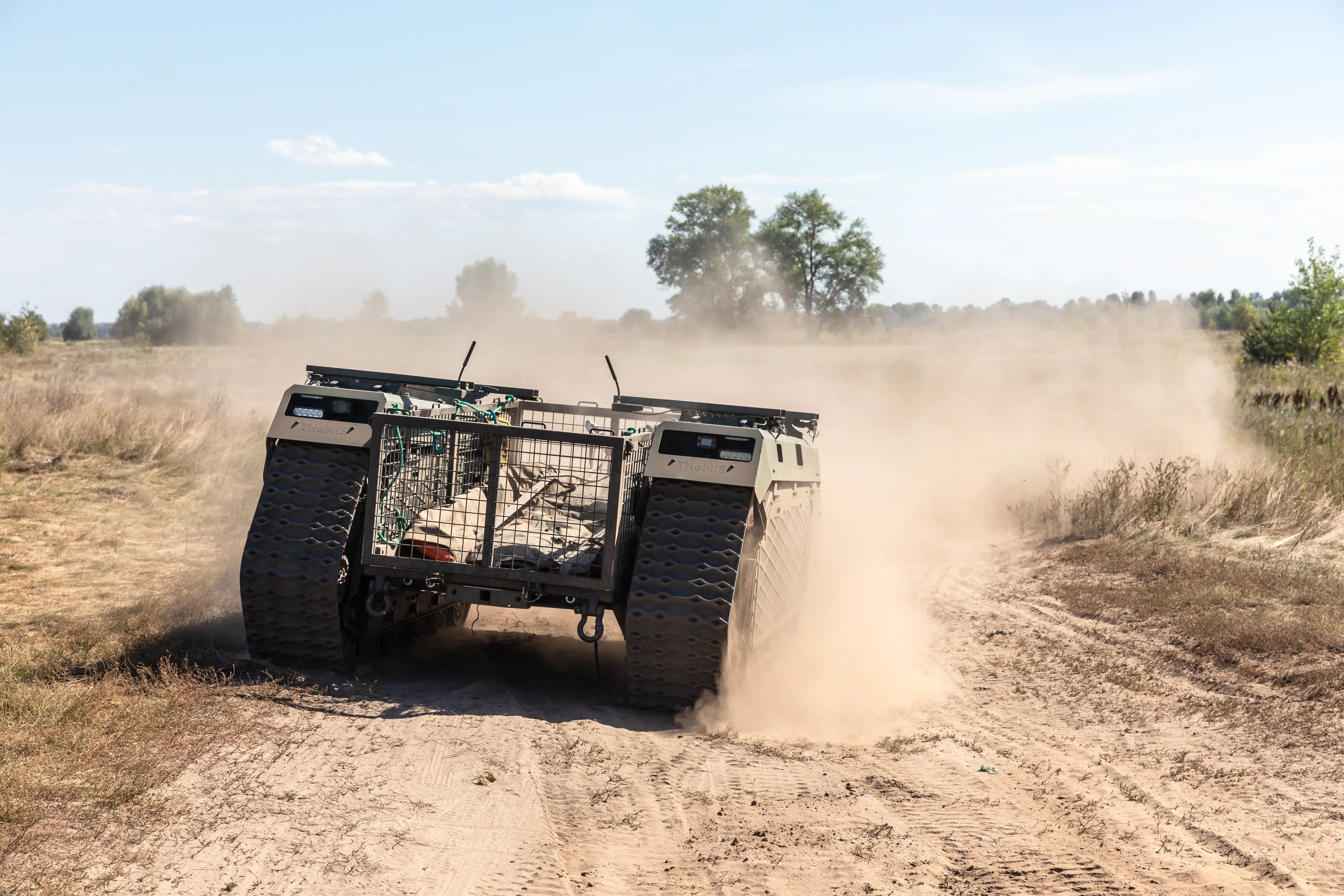
Frontline Robotics also makes a weapons turret that can be mounted on ground robots, allowing them to fire machine guns and grenade launchers while soldiers stay safely out of range. Rozhkov said it’s used to stop Russian soldiers advancing, to “keep hostile soldiers out of the way.”
The big risk near the front lines is movement. There are troops there, but it’s hard for them to move and rotate out, and it’s dangerous for anyone who would try to come in and bring them supplies.
It’s why Ukraine is betting heavily on uncrewed systems. Ukraine’s defense minister said in April that the goal is to hand over 100% of frontline logistics to robotic systems to protect soldiers and vehicles.
Rozhkov said the shift toward more unmanned systems includes one operator being able to control multiple drones. He said soldiers come to him asking for autonomy so multiple drones can be controlled by a single pilot, and that’s the kind of feature Frontline Robotics is now adding.
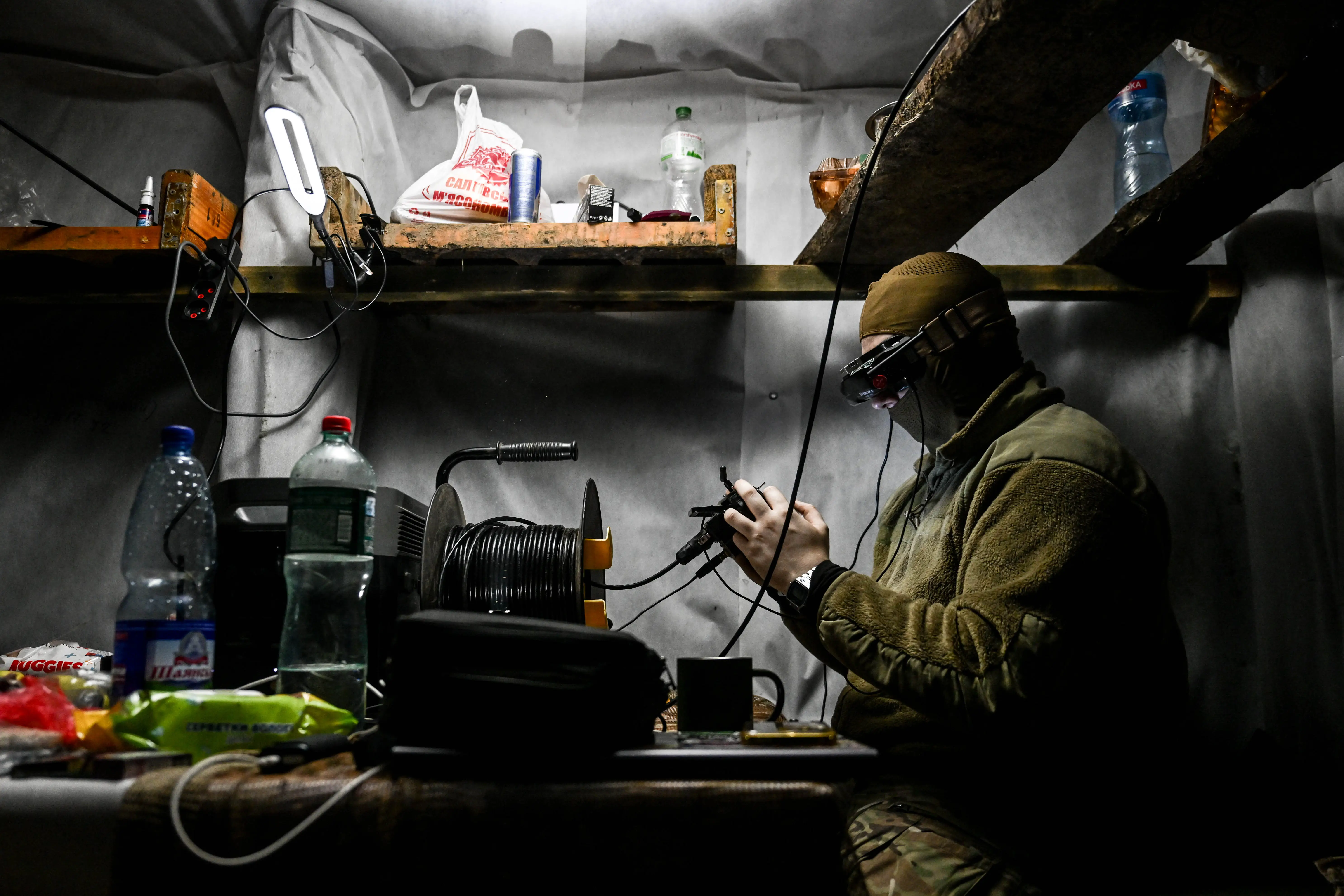
Ukrainian officials have described a battlefield moving further toward machines fighting machines. Zelenskyy in September said that “Now, companies are already working on drones that can shoot down other drones. And it’s only a matter of time — not much — before drones are fighting drones, attacking critical infrastructure, and targeting people — all by themselves, fully autonomous, and no human involved — except the few who control AI systems.”
Rozhkov said that Frontline is “actively working” toward this future where uncrewed systems fight other uncrewed systems, with the goal of keeping human soldiers safe.
Read the original article on Business Insider
The post Drones that Ukraine built to spy and attack are now hauling water, ammo, and medicine to the front appeared first on Business Insider.