With just days left to negotiate over a ballot proposition that would ask California voters to impose a one-time tax on billionaires, the union behind the measure is trying to strike a deal. It sent Gov. Gavin Newsom a letter on Thursday asking him to support a 2 percent tax on billionaires’ wealth, lower than the 5 percent rate the union had proposed in its initiative, which has enough signatures to get onto the November ballot.
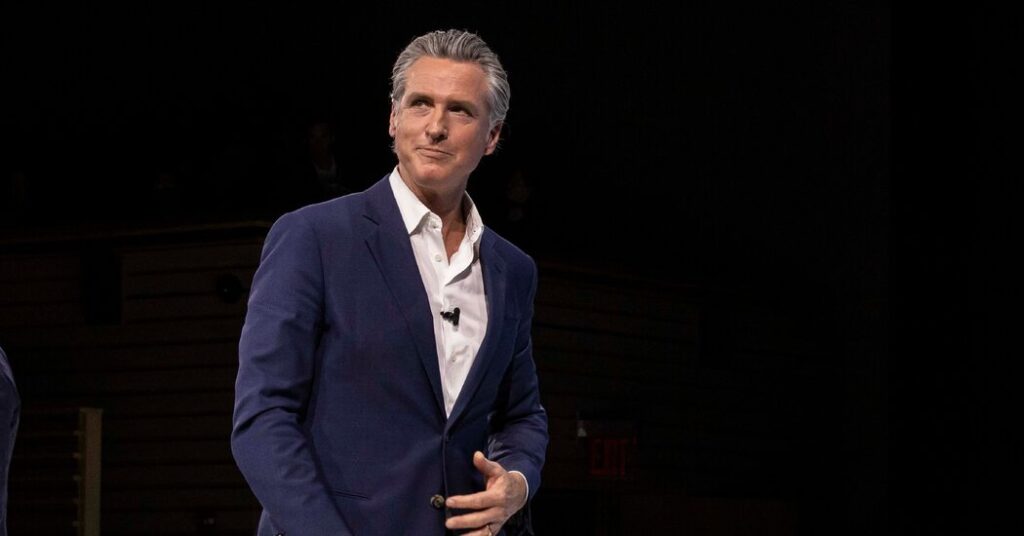
The open letter is the first public indication that the union behind the billionaire tax is willing to bend as it negotiates with Mr. Newsom, who has been steadfast in his opposition to a new tax on his state’s wealthiest residents. Mr. Newsom, a Democrat who is considering a run for president in 2028, has said a state-level wealth tax would drive entrepreneurs out of California and harm its tech-driven economy.
His office indicated Thursday that the union’s offer did not change his position.
“The governor supports making the wealthiest Americans pay their fair share, but this poorly designed, state-only measure will defund teachers, schools, clinics, and public safety,” a spokeswoman, Tara Gallegos, said in a statement. “Changing the tax rate doesn’t change this measure’s fundamental flaws that harm working Californians.”
The Service Employees International Union-United Healthcare Workers West proposed the 5 percent wealth tax late last year and spent millions of dollars collecting enough signatures to place it on the ballot. For months, union leaders said that their measure was necessary so the state could offset federal funding cuts to health care that President Trump signed into law last year.
But with a June 25 deadline looming to finalize the ballot, the calculation seems to have changed.
“The 2 percent tax is not the end of the conversation, but rather a responsible beginning,” the committee backing the billionaire tax wrote in the letter to Mr. Newsom.
The letter said a 2 percent tax would be “modest by any objective measure especially if it means keeping emergency rooms open and saving patient lives.”
An analysis by the California Legislative Analyst’s Office found that the proposed 5 percent wealth tax would probably increase state tax revenue by tens of billions of dollars over several years. That analysis also found, however, that income tax revenue could drop by hundreds of millions of dollars or more annually because some billionaires would leave the state.
California’s ballot measure process leaves a window for policymakers to negotiate with initiative sponsors before the ballot is finalized. If they reach a compromise, initiative sponsors can pull their proposal from the ballot and state leaders can approve the negotiated deal as a bill or budget allocation.
The billionaires’ tax campaign released the letter hours after lawmakers passed taxes on digital software and health plans that Mr. Newsom had pitched to help address the state budget shortfall and pay for the state’s health care programs. The health insurance lobby says that the tax on health plans will result in rate increases for individuals by about $100 a year and called it a regressive tax. Businesses have objected to the costs they will incur from the software tax.
“The current budget plans being discussed in Sacramento ask working Californians to bear the burden,” the billionaire tax campaign wrote in the letter to Mr. Newsom.
It said the taxes under consideration leave “the wealthiest billionaires on earth” off the hook and that a 2 percent wealth tax is “more than appropriate at a moment when every other Californian is being asked by Sacramento to sacrifice.”
A spokesman for one of the billionaire-backed campaigns that is trying to kill the wealth tax showed no sign of backing down in response to the 2 percent offer.
“This convoluted measure is doomed,” said Roger Salazar, a spokesman for Golden State Promise, a committee funded by the cryptocurrency mogul Chris Larsen that has been blanketing the state with ads against the wealth tax.
The post Union Behind California Billionaire Tax Offers to Reduce the Rate appeared first on New York Times.