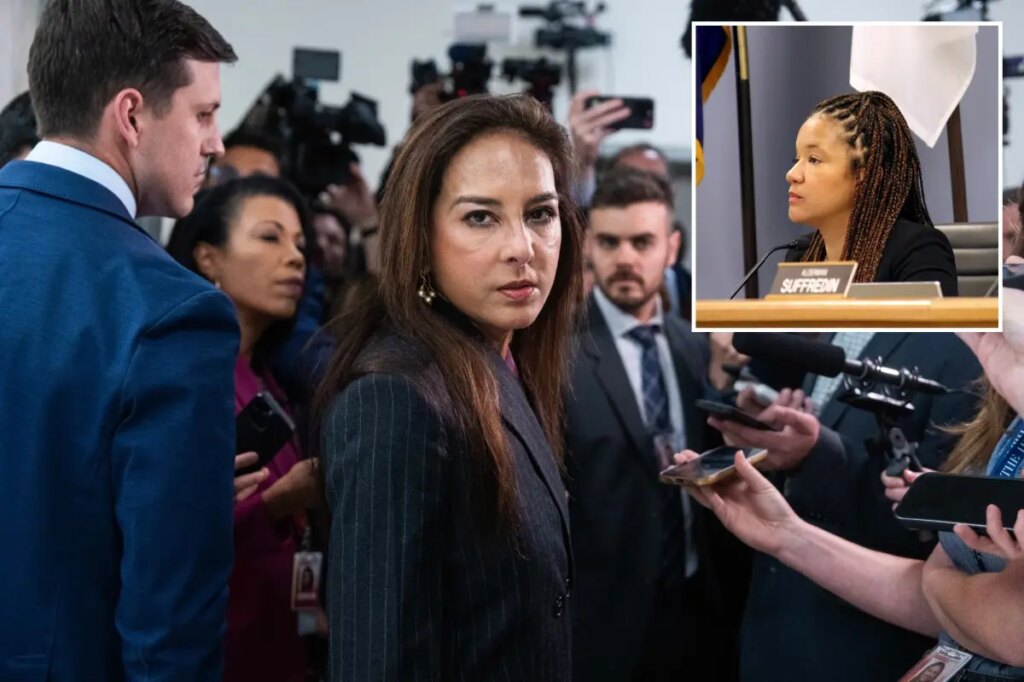
The federal government on Tuesday asked a judge to halt the United States’ first reparations program that offered Black people in a small Illinois city $25,000 for 20th century race-based housing discrimination, joining an existing lawsuit that called the program unconstitutional.
The program, launched in Evanston, Illinois in 2021, is the first and only one of its kind in the U.S., allotting $20 million to Black residents — their direct descendants — who lived in the city between 1919 and 1969 and suffered housing discrimination because of city ordinances, policies or practices. Residents, regardless of race, who experienced discrimination due to the city’s policies or practices after 1969 also qualified.
The city has already distributed over $7 million — using revenue from a local tax on legal marijuana sales — to hundreds of people in $25,000 increments to be used for home repairs, down payments on property, and interest or late penalties on property in the city.
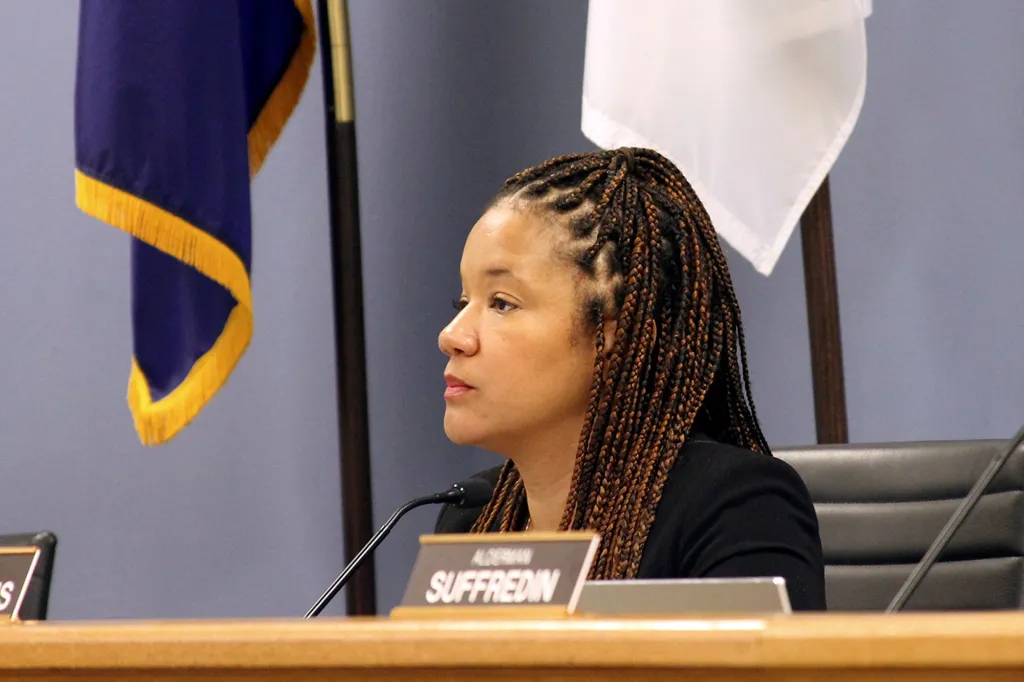
The U.S. Department of Justice called the program “racially discriminatory” in a court filing Tuesday, saying that it violated the Equal Protection Clause of the U.S. Constitution because it allotted different benefits on the basis of race.
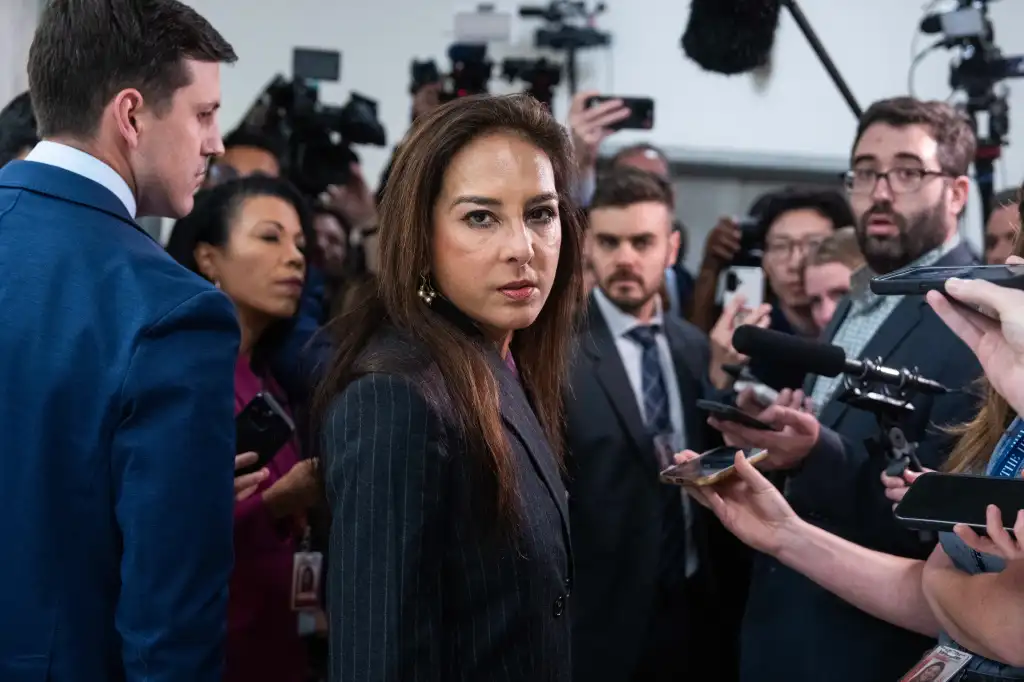
“There are sound ways for a city to remedy past discrimination or direct resources to its most vulnerable citizens and neighborhoods. Simply handing out money based on race, however, is not the answer,” Harmeet Dhillon, the assistant attorney general of the Justice Department’s Civil Rights Division, said in a statement.
Approximately 14% of the city’s roughly 76,000 residents are Black, according to the U.S. Census, with 11% identifying as more than one race. A majority of the city’s Black residents live in the city’s Fifth and Second Wards, which are historically low-income areas, according to a 2024 study on the reparations program.
Reparations have long been a hot topic
Reparations has been a hot-button issue across the country since the abolition of slavery in 1865. But it has become especially polarizing in recent years after momentum grew for similar programs across the country in the wake of George Floyd’s death in police custody in 2020. At least five states, including California, New York and Maryland, and more than a dozen cities, including Boston, Detroit and Philadelphia, have created have created task forces or commissions to study slavery reparations. But none have gone as far as Evanston to actually distribute resources.
Robin Rue Simmons, who pioneered the program in Evanston and now leads the committee that presides over the funds, said that the lawsuit and the federal government’s support is a “fear tactic” aimed at dissuading other governments from pursuing similar programs.
Michael Bekesha, one of the attorneys who initially sued the City of Evanston on behalf of six plaintiffs in May 2024, said in an interview that applicants weren’t required to demonstrate that they were specifically harmed by the City of Evanston, leaving race as the only criteria. His clients would all be eligible for the program if they were Black, he said.
Bekesha said Evanston’s program is different from those in the past, pointing to the program that compensated Japanese people after the U.S. government imprisoned over 100,000 people in internment camps during World War II, or the people in Chicago who were paid after being tortured by the city’s police department between the 1970s and the early 1990s.
“Reparations programs aren’t new, but they’ve always been lawful, they’ve always been connected to specific harms, specific injuries suffered by specific individuals,” Bekesha said. “And here in Evanston, there is no connection between the individuals receiving the money and any action taken by the city of Evanston at any point.”
Simmons vehemently disputed the idea that the program wasn’t tailored to specific historical policies. She said redlining policies across the city between 1919 and 1969 harmed Black communities for generations, mirroring a prevalent practice nationwide wherein banks and property owners wouldn’t sell or rent to Black families in areas with more wealth. Those policies, she said, often limited access to high-paying jobs, healthcare and education.
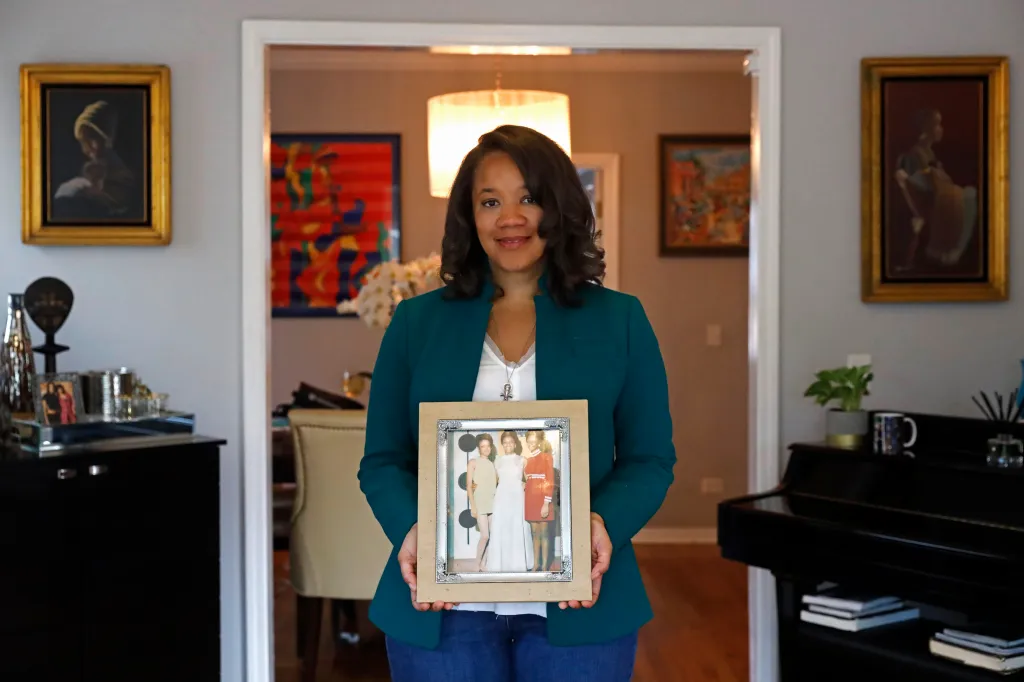
“Evanston has set a new precedent. It has shown that racial reparations are possible,” Simmons said.
Conservatives reject race-based reparations
The Trump administration’s move to halt the program is in lockstep with a broader conservative rejection of race-based reparations, and it is a decisive shift from former President Joe Biden’s broad support of a congressional inquiry into ways to address the government’s long history of racial subjugation.
It is also a departure from prevailing attitudes among international governing bodies like the United Nations, which recently adopted a resolution that urged countries to implement reparations for the trafficking of Africans into slavery around the world. The U.S. was one of three countries that rejected the measure, with the United Kingdom and all 27 European Union countries abstaining from the vote.
The post Federal government seeks to halt first US reperations program for black people appeared first on New York Post.