You might have particular feelings about snakes, but for millions of Americans they’re a member of the household. And their popularity as pets has only been growing: From 2018 to 2024, the number of households that own a pet snake rose from about 810,000 to 1.3 million. And the share of snake-owning households with more than three snakes doubled over that time period.
Key takeaways
- About 1.3 million households in the US have at least one pet snake — a number that’s rapidly grown since the 2010s.
- To feed all of these pet snakes, companies are breeding tens of millions of mice and rats in factory farms. Undercover investigations have revealed overcrowded and inhumane conditions.
- But there are some solutions, including changing pet snake diets so they rely on fewer animals and getting zoos — which also buy a lot of factory-farmed mice and rats — to set higher standards.
Social media could have something to do with this, as snake influencers with millions of followers have proliferated across platforms. Some have even turned their passion for reptiles into a business, breeding “designer” versions with ever rarer patterns that fetch anywhere from $25 to $60,000.
I’ve written about the moral questions raised by keeping wild animals like snakes as pets: They’re confined in small tanks and unable to express their most basic, natural behaviors, like hunting, climbing, and roaming. But if you dig a bit deeper into what keeping a snake as a pet involves, there’s a particularly dark side you’ve likely never heard about: factory farming hundreds of millions of mice and rats each year to feed them.
It’s a largely invisible form of factory farming that causes far more animal suffering than most industries that exploit animals — yet it has received essentially zero attention. And given the recent boom in pet snakes, it’s one that’s only likely to get worse in the coming years.
Inside mouse factory farms
In the wild, snakes have a diverse diet that consists of small mammals, like mice and rats, along with birds, fish, frogs, and insects. But pet snakes are fed a near-exclusive diet of “feeder” rodents — mice and rats — consuming anywhere from two infant mice per week to one or two larger mice or rats every 10 to 14 days.
Like the animals raised for human food, mice and rats aren’t protected by the federal Animal Welfare Act, and there’s no animal welfare oversight in these operations, even though welfare issues abound. It starts with lack of space; mice and rats have long ranges in the wild, yet in rodent farms, they’re confined in small tubs, never to breathe fresh air or step on grass.
Zoos buy some of these rodents, too, and the Association of Zoos and Aquariums says it’s acceptable to give a female mouse and her litter just 51 square inches of space on which to live, which is smaller than a standard iPad.
A document on best management practices for rodent farming, published by the pet industry lobbying group Pet Advocacy Network, doesn’t mention several basic necessities that are generally recommended for pet rodents, like shelter (important for them because they’re prey animals) or enrichment toys, like running wheels, to let them exercise. And they’re likely never given veterinary care, since each animal is worth mere pennies or dollars.
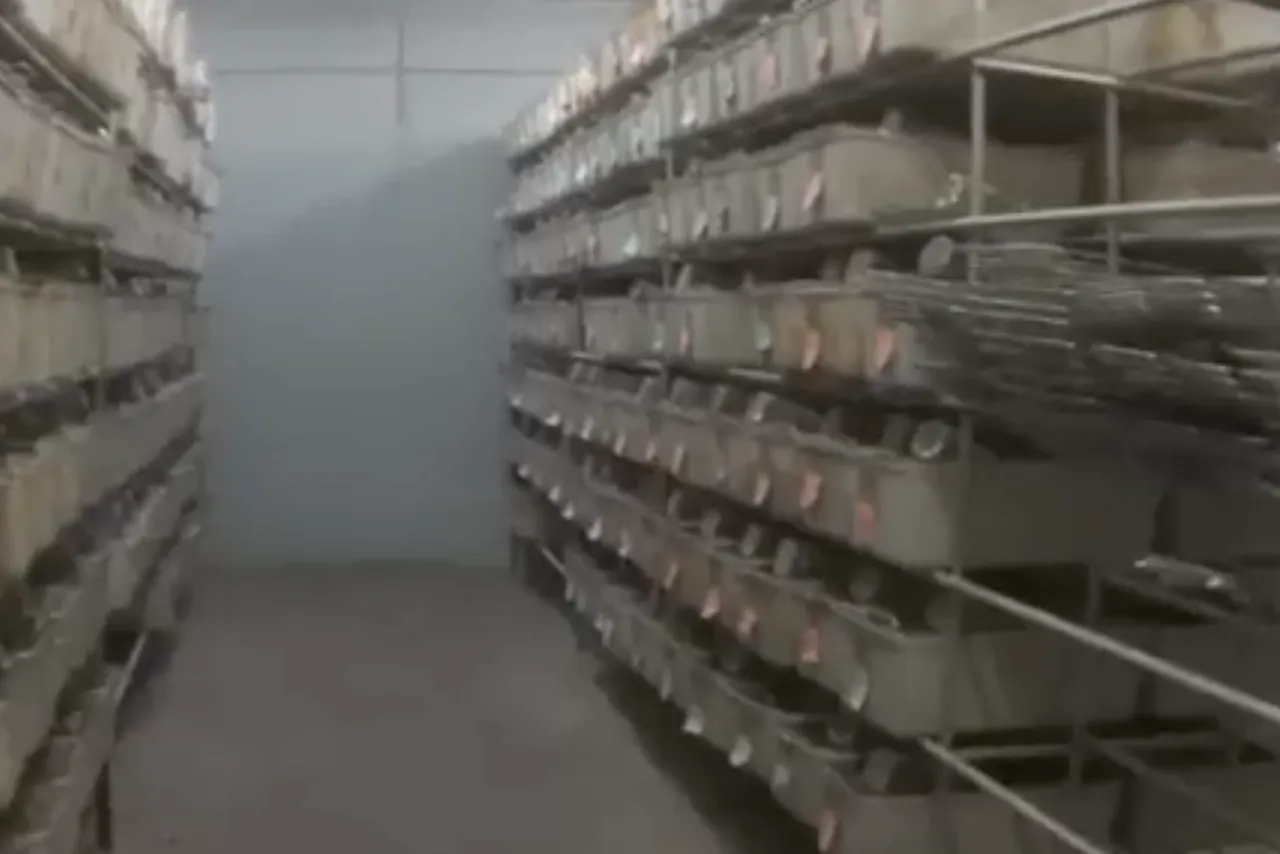
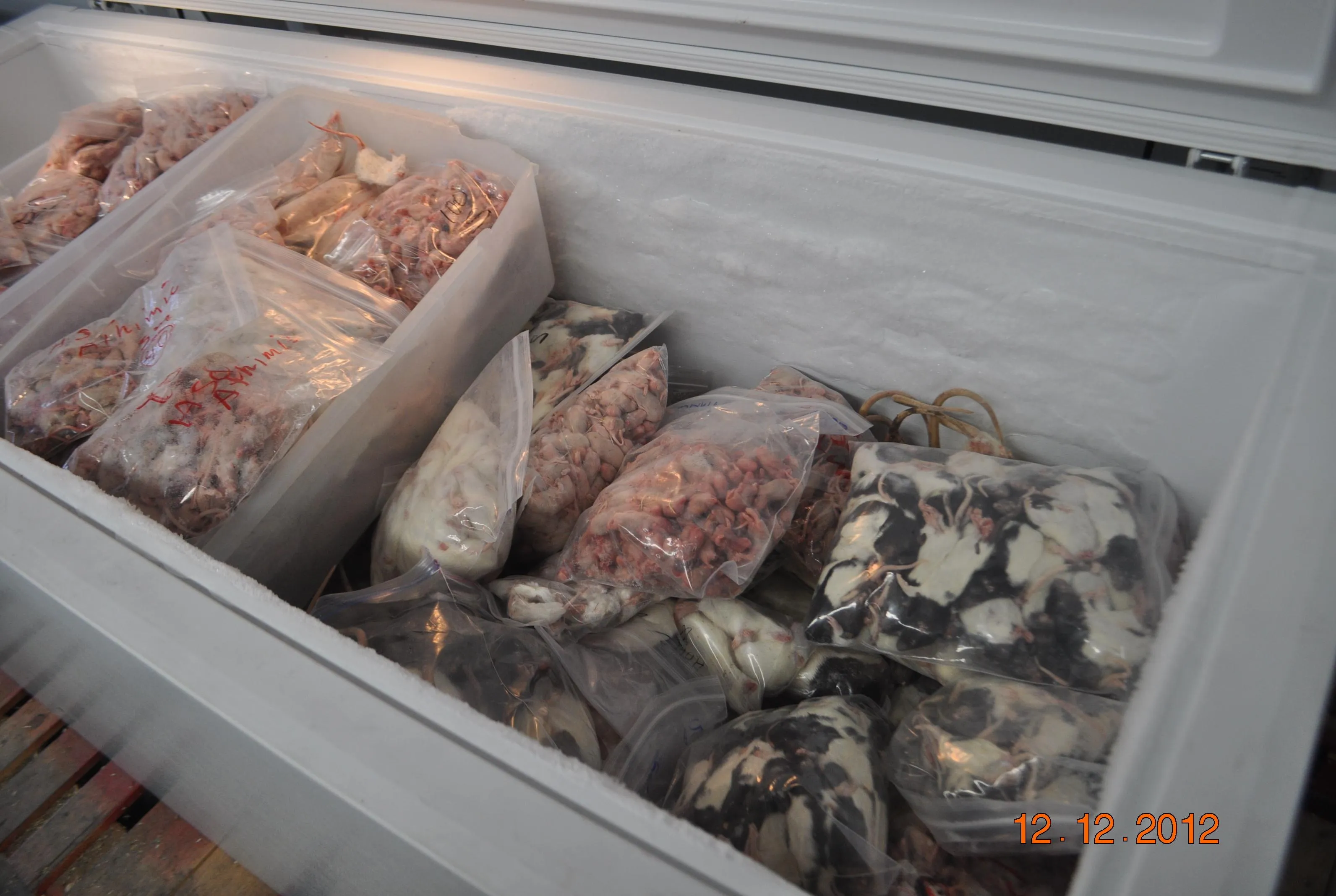
Pet Advocacy Network goes so far as to say that the standards for caging and veterinary care recommended for pet rodents and those used in medical research are “unnecessary for feeder rodents” because of their short lifespans.
Then there’s slaughter. Day-old mice and rats — known as “pinkies” — are popular with snake owners and account for a large share of production; it’s standard practice to freeze them to death.
Other mice and rats are killed within a couple weeks or months after they’re born, often by carbon dioxide gassing, which for decades has remained a controversial euthanasia method among those who use mice and rats in medical research. Studies have found that mice and rats will go out of their way to avoid CO2, and as chambers fill with the gas, it causes anxiety, fear, and pain in the two to three minutes it takes to render the animals unconscious. Other chemical-based options have drawbacks, too.
Some mice and rats are even fed to snakes while they’re still alive.
It’s unknown how common it is for rodent farms to kill healthy animals or euthanize sick ones by more gruesome methods, like decapitation, cervical dislocation (quickly severing the spinal cord at the neck) or blunt force trauma (picking them up by the tail and slamming them against a hard surface). But they’re performed enough that even the Association of Zoos and Aquariums allows for zoos to purchase from rodent farms that euthanize their animals using these methods.
AZA declined an interview request for this story. Pet Advocacy Network, along with two of the largest feeder rodent companies in the US (RodentPro and Big Cheese Rodent Factory), didn’t respond to interview requests.
PETA has conducted numerous investigations into large-scale US pet breeders that raise mice and rats for snakes and has documented:
- Workers grabbing ill and injured rats by the tail and slamming them against walls and tables to euthanize them
- Hundreds of dying, dead, and decomposing mice and rats
- Workers bludgeoning rodents with tongs and BB guns (some were thrown into the trash still alive after botched attempts)
- Mice and rats starved and frozen to death, with some drowning in floods
Because this part of the pet industry is largely unregulated and almost entirely hidden, there’s no data on how many feeder rodents are farmed each year, though in 1999 a journalist at The Independent estimated 167 million each year for the US market alone. But that was over 25 years ago. In 2017, Pet Advocacy Network wrote that with the growth of the reptile pet trade, “demand for rodents increased concomitantly and led to large-scale production facilities [of feeder rodents] throughout the United States and Europe.” Then even more people got pet snakes during the pandemic.
A 2024 back-of-the-envelope calculation by an animal advocate estimated that 200 to 650 million mice and rodents are farmed for captive snakes globally, with most of them destined for the US and European markets where pet snake ownership is concentrated.
If the true number is close to the upper end of that estimate, it would mean that globally more than twice as many mice and rats are farmed just for snake food each year than cows are killed each year to feed people.
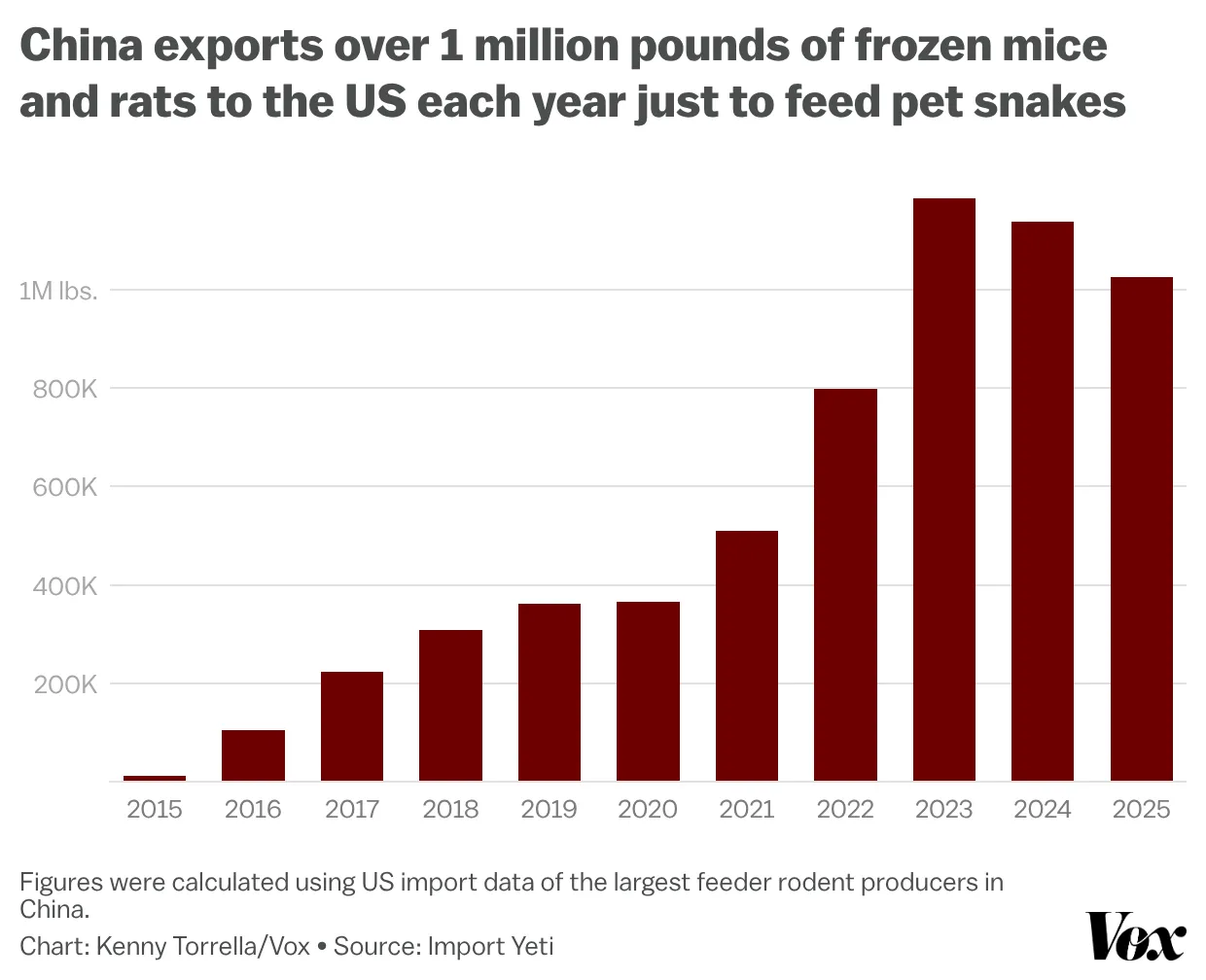
And increasingly, farmed mice and rats are being imported from China, another place where snake ownership is expanding. While animal welfare regulations and oversight in the meat and pet breeding industries are terribly weak in both the US and China, US snake owners, zookeepers, and animal advocates have even less insight into the conditions of feeder rodent farms in China than they do in the US.
Exports of feeder rodents from China to the US grew from around 12,000 pounds in 2015 to 1 million pounds in 2025, which amounts to tens of millions of rodents.
The rapid growth of the feeder rodent industry has worried some number-crunching animal advocates because it’s yet another illustration of what’s called the “small body” problem. Small animals — like chickens, fish, crustaceans, and rodents — tend to have very poor welfare and because they’re so small, they’re farmed in huge numbers. Meanwhile, larger species, like cattle and sheep, have relatively higher welfare and are farmed in much lower numbers because they’re so big.
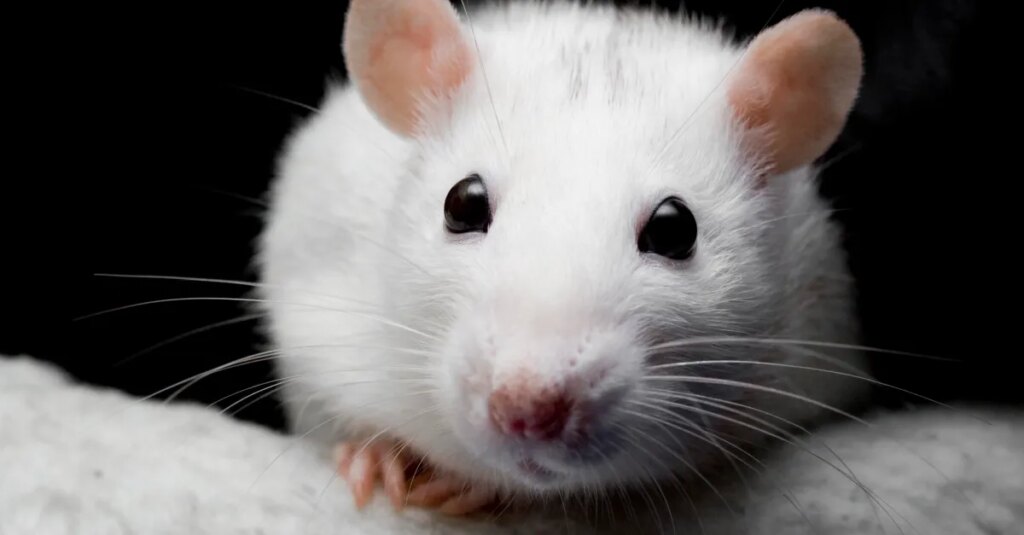
Some people might be quick to dismiss all of this because rats and mice have long been demonized as pests. But anyone who’s kept mice or rats as pets or spent much time with them will tell you they have distinct personalities. Researchers have found that mice emit ultrasonic giggles when they’re tickled while rats free trapped cage-mates even if they get nothing out of it. And they’re plenty smart: Rats have demonstrated strong memories, and mice can rapidly learn complex tasks.
How to save the mice (and the snakes, too)
There’s something particularly disturbing about the mass-scale farming of mice and rats to feed snakes who suffer in their own right when kept as pets. But there are also a number of things that can be done about it.
One route would just be working to reduce the number of pet snakes. Several US states and hundreds of cities have prohibited the sale of some types of animals in pet stores, though only a few of those city laws include a prohibition on selling reptiles. If more cities follow, it could actually make a large dent in pet snake sales, because currently almost 40 percent of snakes are purchased at pet stores.
Another route to helping feeder rodents would involve getting the Association of Zoos and Aquariums to raise its standards for feeder rodent suppliers and require routine audits.
One of the more promising solutions entails changing what pet snakes eat. A few companies — including Arcadia, Good Reptiles, and ReptiLinks — sell sausage-type products made from a variety of meats, like chicken, beef, rabbit, and quail, that they say are nutritionally comparable to feeder rodents (and some claim to use often unwanted animal parts, like bones, organs, and feathers). They also pitch their products as safer and less messy alternatives because feeder rodents are shipped frozen and must be thawed before feeding them to snakes. And occasionally, frozen feeder rodents cause salmonella outbreaks.
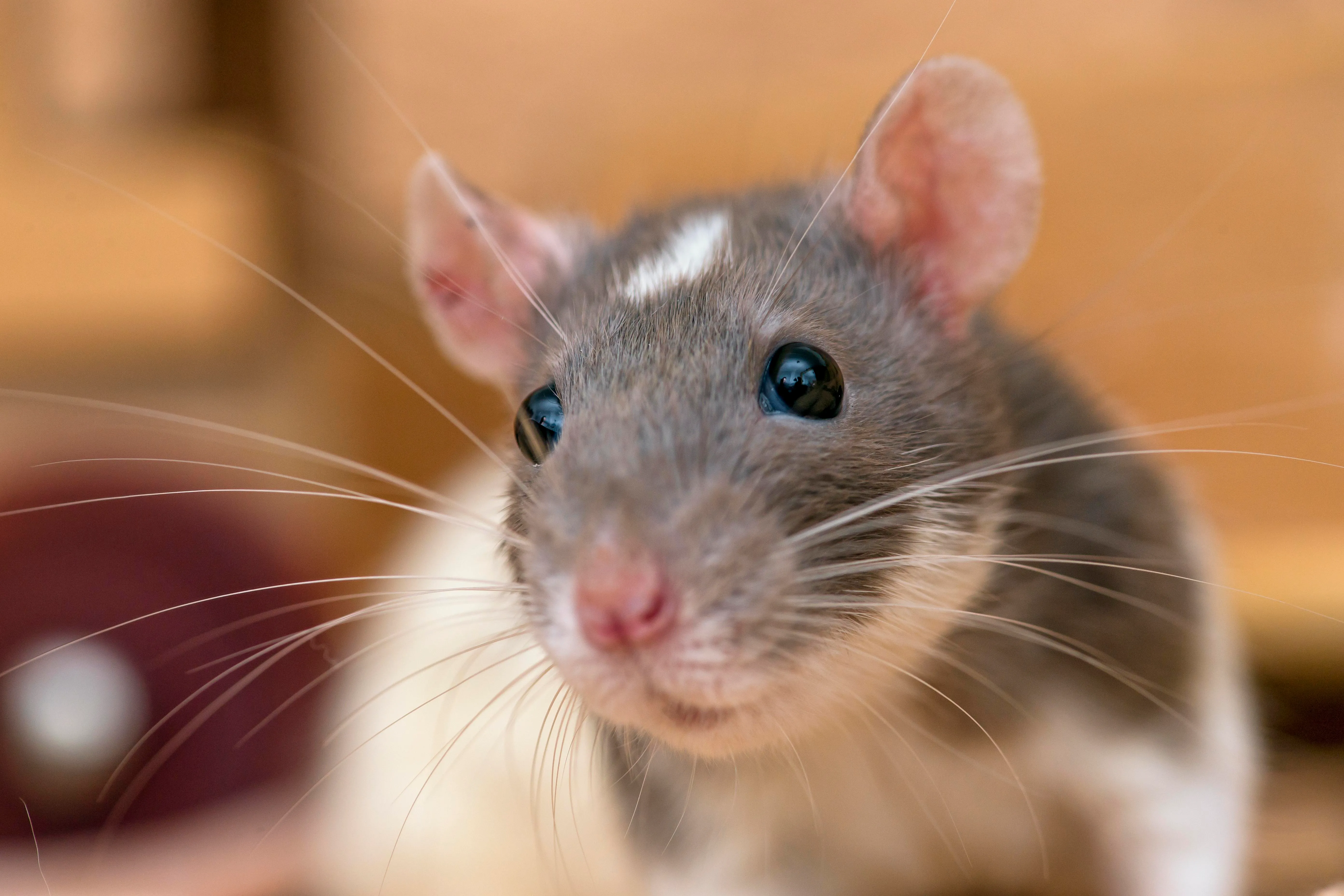
But there’s another advantage: These products help pet snake owners significantly reduce the number of animals raised to feed their snakes. A single chicken, rabbit, or cow can produce enough meat to replace dozens to hundreds to thousands of feeder rodents.
The plight of feeder rodents is a perhaps unexpected example of how our fascination with animals, and the desire to bring them into our homes, can cause ripple effects around the world that condemn many more animals to suffer. If we can manage to set aside any biases against these small mammals, it becomes clear that factory farming them has become an outsized, underappreciated animal welfare problem.
The post The hidden factory farms behind America’s pet snake boom appeared first on Vox.