Scouted selects products independently. If you purchase something from our posts, we may earn a small commission.
We’ve gone organic with our food, skincare, and even our cleaning products, so it was only a matter of time before the movement made its way to our bedrooms. Searches for “organic mattresses” have surged during the last couple of years, which makes sense: we spend roughly a third of our lives in bed, surrounded by materials that can either support or disrupt our health.
The confusing part? Figuring out what “organic” actually means in the mattress world. Some brands use clean, sustainable materials—others just say they do. That’s what’s known as “greenwashing”: when a company uses eco-friendly buzzwords to sound sustainable without putting in the work.
To cut through the jargon and marketing fluff, we spoke with two experts—Karl Shevick, president and co-founder of Earthfoam, and Mark Kinsley, CEO and founder of The FAM—to find out what makes a mattress truly organic, and which labels truly mean something.
What “organic” really means in the mattress world
“Organic, natural, and sustainable are difficult terms to fully define because people come at it from different lived experiences and perspectives,” says Kinsley. “It’s like a bunch of people who’ve been blindfolded and put into a room to touch an elephant. They’re all placing their hands on different parts of the elephant and screaming at the others, trying to convince them about what they’re touching.”
That confusion has fueled a lot of marketing spin. Kinsley says that the real definition comes down to simplicity and transparency. “So what really defines an organic mattress? It comes down to simple, familiar materials—and certifications can help provide some assurances. First of all, if it doesn’t pass the sniff test and looks like a bunch of mumbo-jumbo marketing, it probably is. Trust your instincts, and seek out brands that are truth-tellers.”
When it comes to those said certifications, there are two acronyms that matter most: GOTS (Global Organic Textile Standard) for textiles like cotton or wool, and GOLS (Global Organic Latex Standard) for latex components. “Those standards are tough to meet, and they require real transparency and auditing,” says Kinsley. “It’s not just about slapping a label on and calling it organic. If a company can’t provide documentation or won’t tell you what’s in every layer of their bed, be skeptical.”
Shevick agrees that certifications are a crucial starting point—but only if they’re attached to the actual company making the product. “If you want an organic mattress, you should look for GOTS certification, and you should make sure that the company that makes the mattress is actually GOTS certified,” says Karl Shevick, president and co-founder of Earthfoam. “A certification in the name of the company or brand that makes the product is the only way to ensure the product is actually certified. Certifications from suppliers only cover one material in the mattress and are not accompanied by any audit, so they don’t mean much unless you really trust the company you are buying from.”
Why should you invest in an organic mattress?
“It’s simple: fewer chemicals, fewer question marks,” says Kinsley. “We sleep a third of our lives on these things, and what you’re putting next to your body night after night matters. Organic materials (when they’re truly organic) are grown and processed without a lot of the harsh chemicals and flame retardants you’ll find in traditional beds. That’s better for your respiratory system, better for allergies, and better for peace of mind.”
The benefits extend to the environment, too. “Most conventional mattresses are made of petroleum products such as Polyester, Polyurethane foam, and often chemical fire barriers,” says Shevick. “There are health and environmental concerns with the use of these materials. There are often more chemicals of concern contained in conventional mattresses, which may be associated with health issues. Materials like Polyester and Polyurethane foam are not going to break down easily; they can potentially be recycled, but mattress recycling is limited.”
For Shevick, the biggest issue is durability. “More concerning to me is that many conventional mattresses don’t last very long. This is bad for consumers and creates unnecessary waste,” he says. “I don’t want to say every conventional mattress out there is bad, and our mattresses are perfect. But by using safer, natural, durable, and proven materials, we are able to create a product that we believe works better for our customers and the environment.”
Kinsley points out that manufacturing conventional foam is resource-intensive and chemically heavy. “Most conventional foams are made by pouring chemical liquids into a vat, letting them react and rise like a cake, and then they bubble with off-gasses,” he explains. “Organic materials don’t require that cocktail of synthetic ingredients, and they tend to break down more naturally when the mattress reaches expiration. Personally, I want to make mattresses that birds can make nests out of when the mattress has reached the end of its useful life.”
What you’re paying for
Yes, organic mattresses tend to be more expensive—but there’s a reason why. “Getting materials certified organic requires verification, paperwork, audits, and a whole process that goes along with maintaining that certification,” says Kinsley. “It also takes more labor to process and assemble those materials properly. Sure, you’re buying a bed, but you’re also paying for peace of mind, cleaner inputs, and often better craftsmanship.”
Still, not every pricey organic mattress is worth the money. “Always dig into what’s actually going into it,” Kinsley adds.
What to look for
For Shevick, the focus should remain on quality, not gimmicks. “For a decidedly low-tech industry in which little is new, the mattress industry has an obsession with presenting everything as ‘high-tech,’” he says. “You are even starting to see claims about AI being somehow integrated into mattresses. You don’t need AI or anything else high-tech to make a mattress comfortable. Simple, natural, proven materials are all you need.”
As Kinsley puts it, the smartest shoppers are the ones who balance idealism with practicality. “The biggest mistake? Going full purist,” he says. “The better path is to do what you do with the rest of your health choices: aim for the best ingredients you can reasonably get. Put good stuff next to your body. Look for transparency. And don’t get distracted by brands using ‘organic’ as a buzzword while hiding the other layers or stuffing their beds with chemical-filled memory foams.”
The best organic mattresses to shop now
If you’re ready to swap synthetics for certified natural materials, here are a few editor-approved options that meet GOTS or GOLS standards and come highly rated for comfort and longevity.
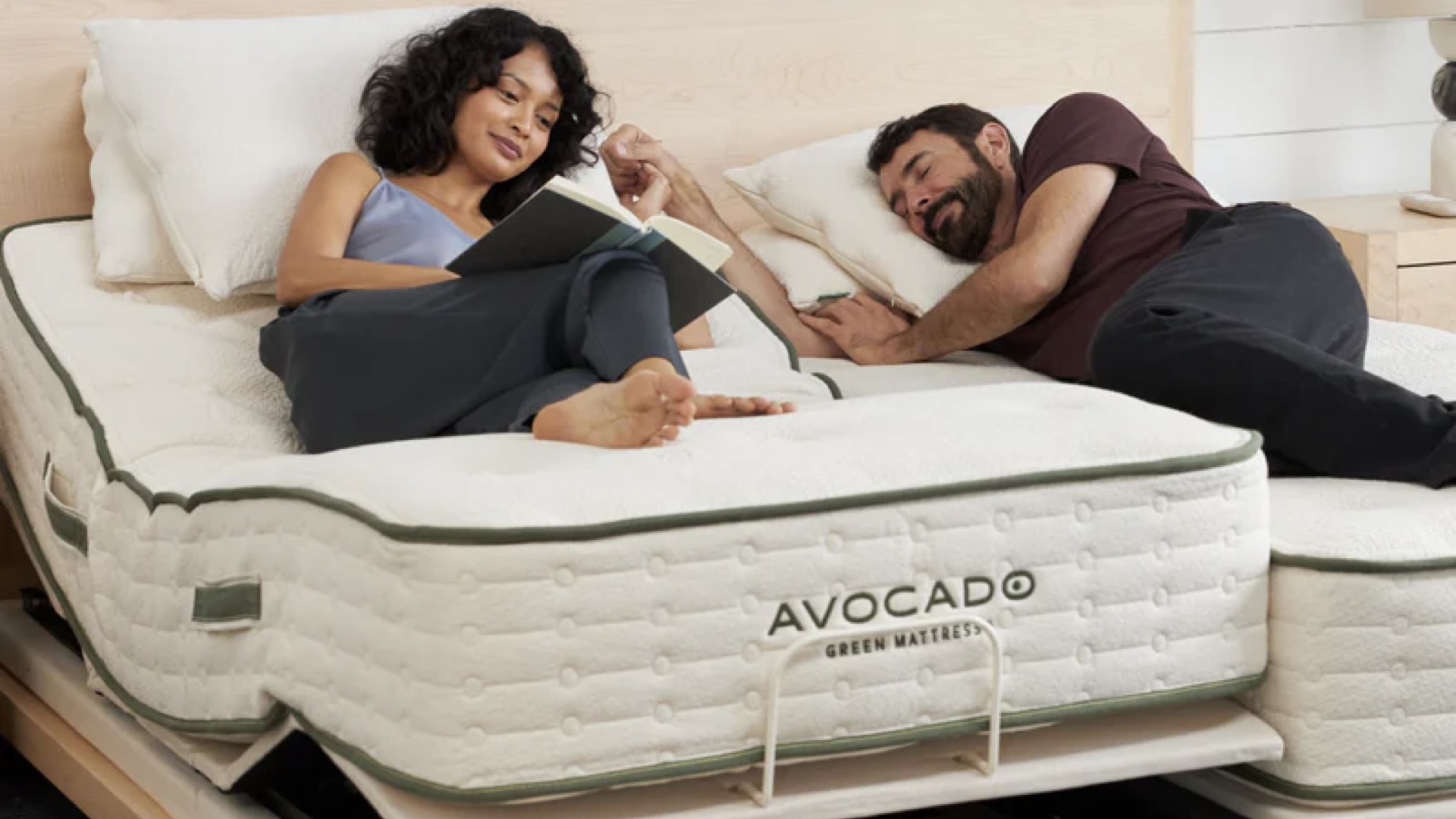 Avocado Green MattressA fan favorite for a reason—Avocado’s organic mattresses are handcrafted in California, certified organic, and GREENGUARD Gold certified. The hybrid design blends natural latex with pocketed coils for balanced support.
Free Shipping
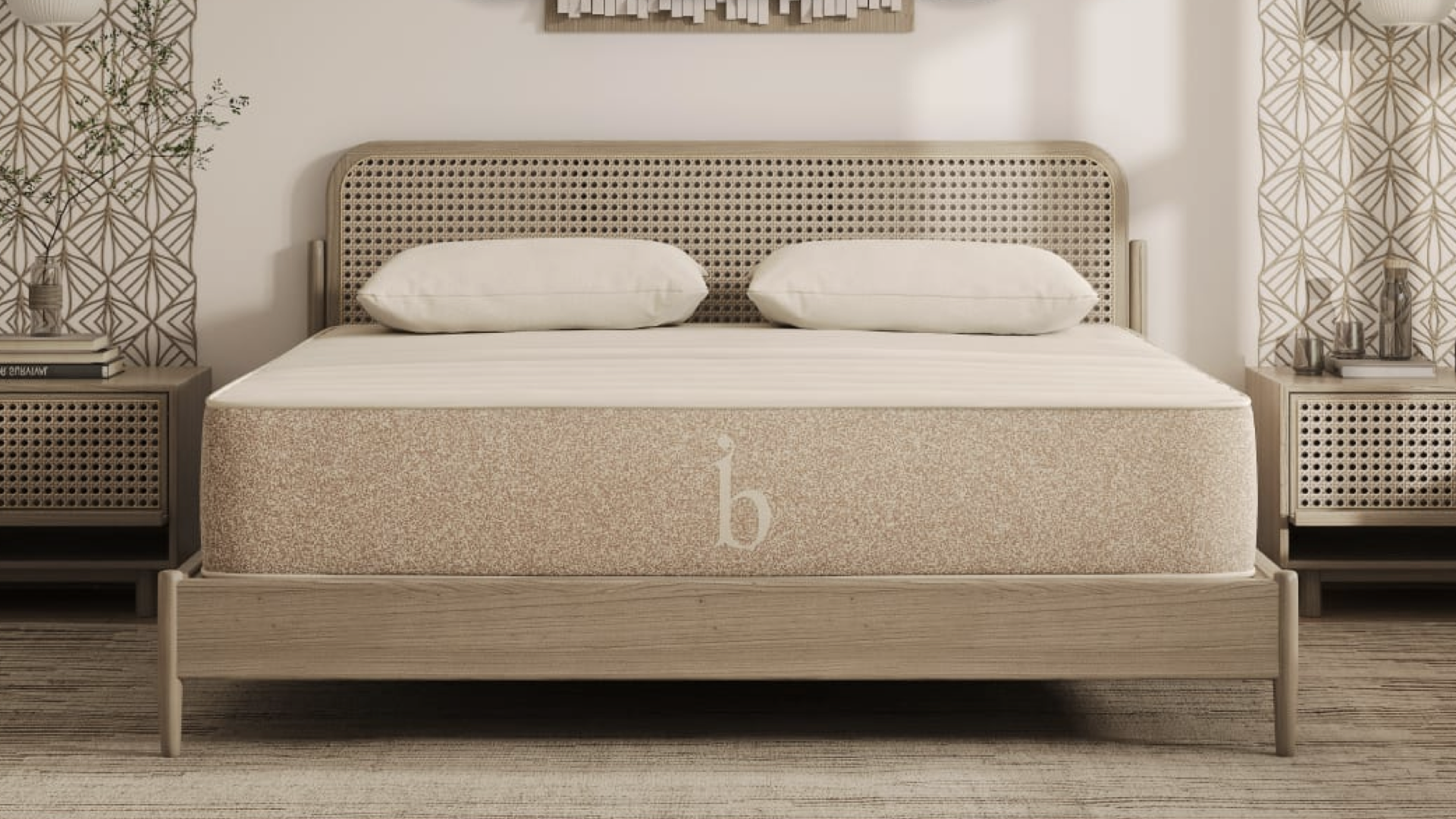 Birch Natural Mattress by HelixThis premium mattress is made from organic cotton, natural latex, and wool sourced from New Zealand farms. The result: a breathable, eco-conscious mattress that feels plush but supportive.
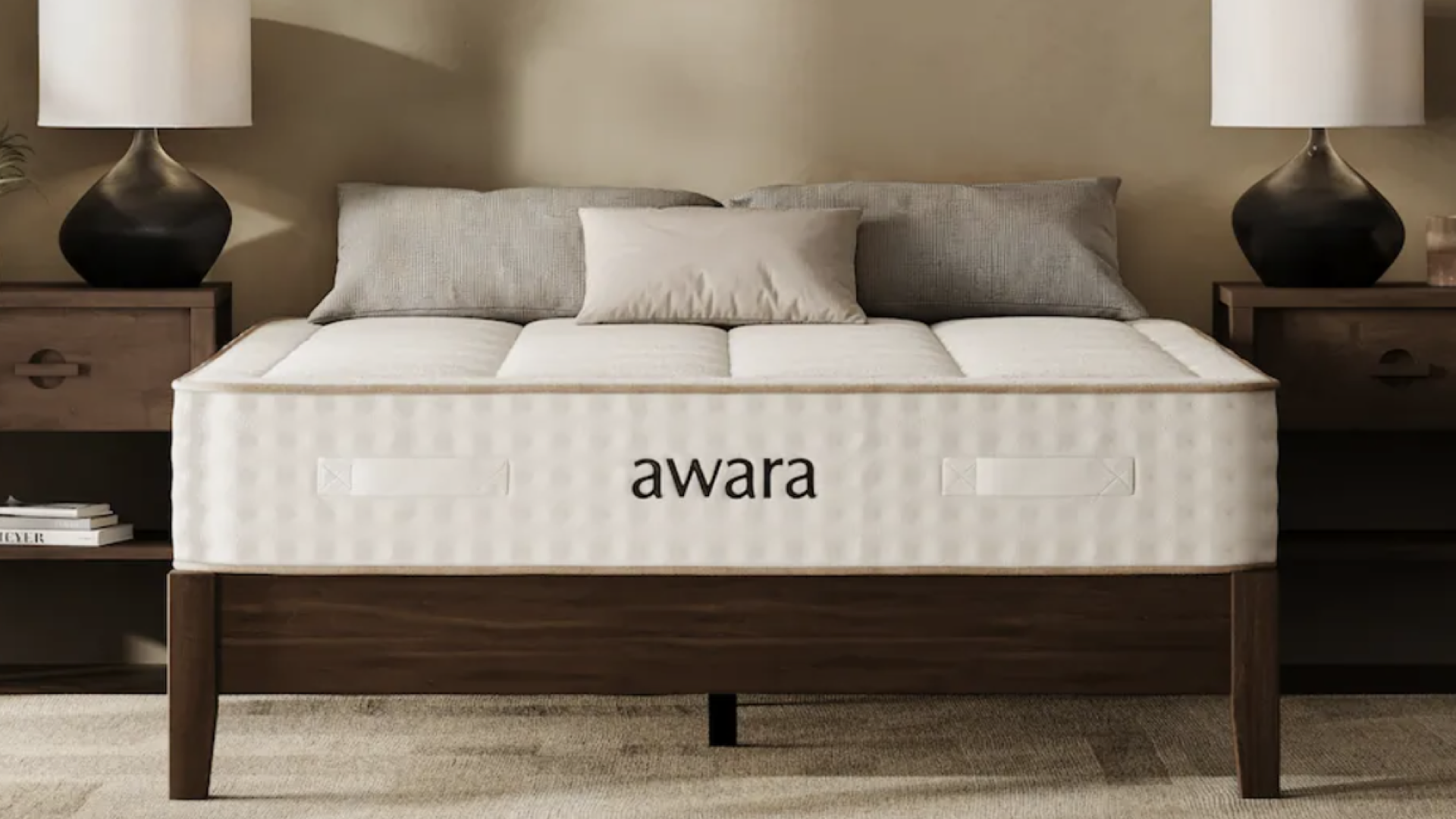 Awara Natural Hybrid MattressThis GOLS-certified mattress features Dunlop latex and a coil base for durability, along with natural wool and cotton for cooling. Plus, it’s backed by a lifetime warranty and 365-night trial.
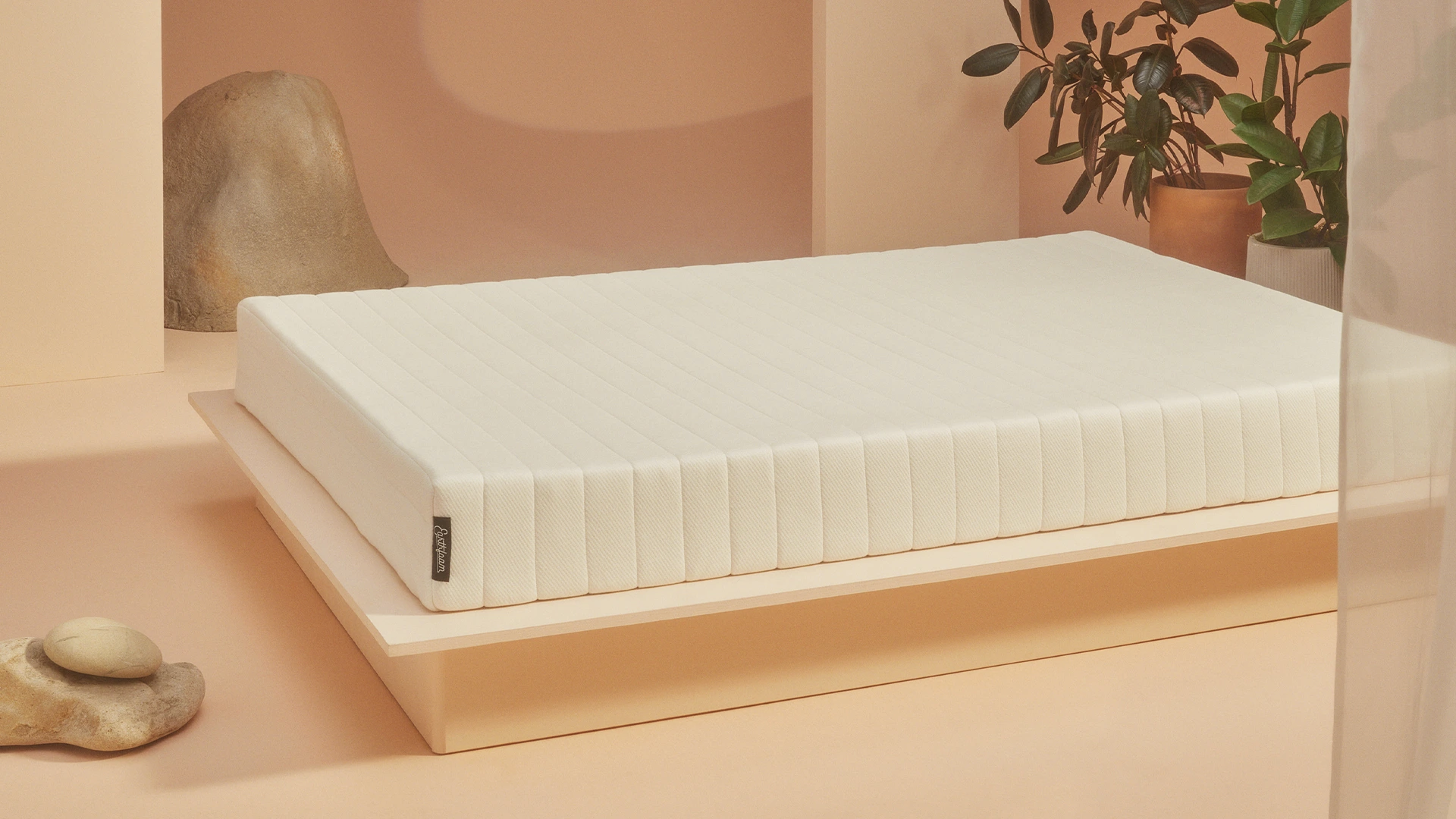 Earthfoam MattressA minimalist design made with GOLS-certified natural rubber latex and GOTS-certified organic cotton and wool. Fair-trade certified and produced through an end-to-end transparent supply chain. As someone who has visited one of their factories in Sri Lanka (yes, really), I can attest you really don’t get better than this.
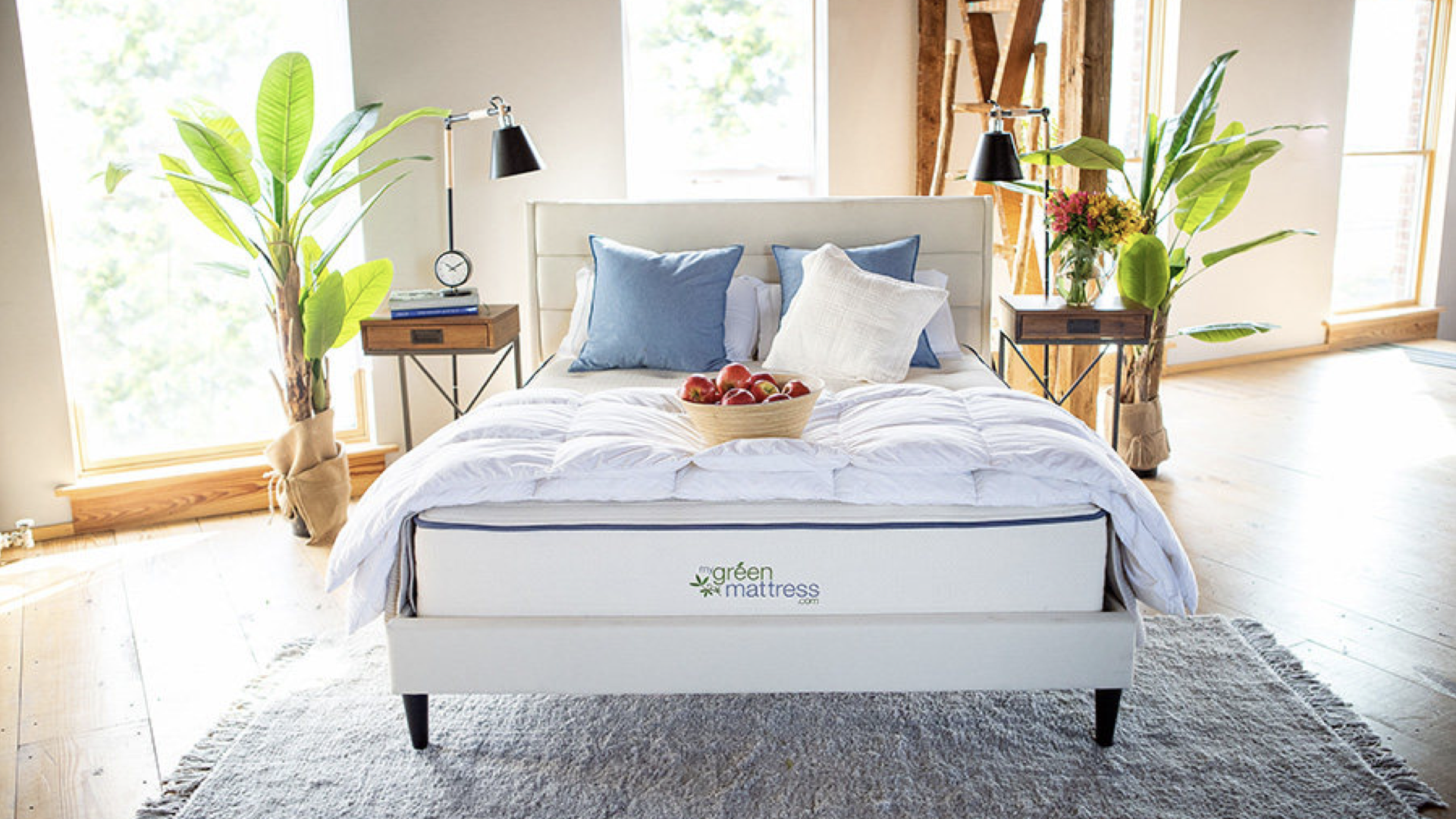 My Green Mattress Natural EscapeA value-forward pick for organic shoppers, with GOTS and GOLS certifications and a slightly firmer feel ideal for back or stomach sleepers.
MORE FROM SCOUTED:
The post Scouted: What Makes a Mattress Truly “Organic”—and Which Ones Are Worth It appeared first on The Daily Beast.