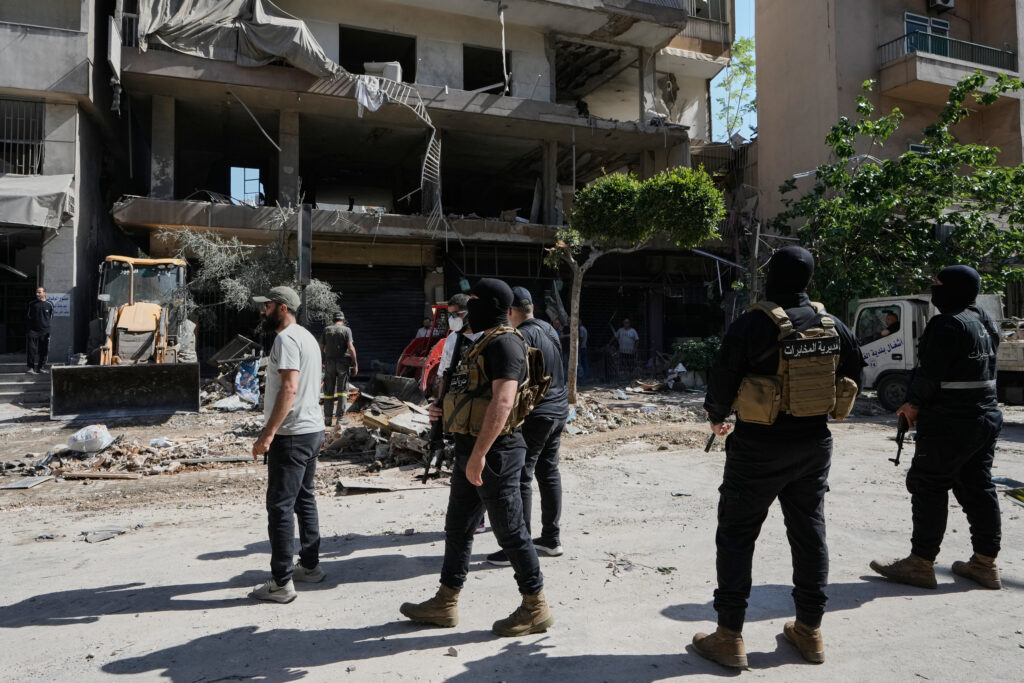
Iran’s parliament speaker Mohammad Bagher Ghalibaf threatened on Sunday to halt peace talks with the United States, which are reportedly in the final stages, after Israel bombed the Lebanese capital, Beirut.
“The Zionists’ aggression against Dahieh once again showed that the United States either lacks the will to implement its commitments or lacks the ability to do so,” Ghalibaf, who is also Iran’s top negotiator in the current talks, said in a post on X after the bombing.
“If you do not have the will or the ability to fulfil your commitments, then there is no point in talking about continuing down this path,” he added.
Read more: Israeli Troops to Stay in Southern Lebanon Despite Ceasefire, Netanyahu Says
Iran has insisted that an eventual deal with the U.S. to end the war would include a halt to Israel’s bombing campaign against Hezbollah and occupation of southern Lebanon. Israel’s refusal to accept such a measure has reportedly caused a rift between Israeli Prime Minister Benjamin Netanyahu and U.S. President Donald Trump, culminating in an expletive-laden call between the two leaders earlier this month over Trump’s objections to strikes on Beirut.
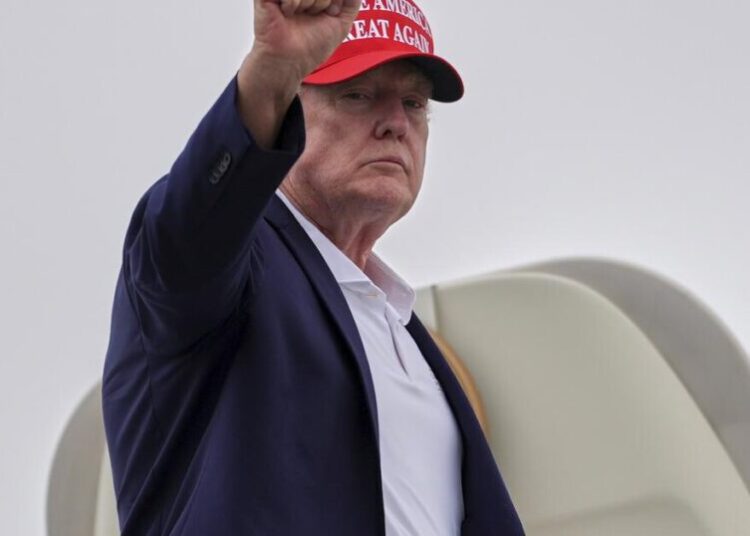
Trump claimed in a Truth Social post on Saturday that his deal, which was due to be signed the following day, would prevent Iran from attaining a nuclear weapon and reopen the Strait of Hormuz, a vital oil shipping route that has been closed by fighting for months, which has led to a surge in energy prices around the world.
Israel’s bombing of Beirut, which it said was in response to Hezbollah attacks on northern Israel, has the potential to scuttle any chance of a deal, as it appeared closer than ever.
Netanyahu and Defense Minister Israel Katz said in a statement that Israel’s strikes came in response to “continued Hezbollah attacks on Israel’s territory, including a terror drone strike this morning.” They added: “Israel will not tolerate firing into its territory.”
Iranian Brigadier General Mohammad Jafar Asadi, deputy head of the Khatam al-Anbiya Central Headquarters, which oversees all military forces in the country, said the latest Israeli strikes “will not go unanswered.”
Trump criticized the Israeli strikes on Beirut on Sunday, writing that they “should not have happened, particularly on a special day when we are so close to a Peace Deal with Iran.” He called on both sides to “stand down.”
“There should be no more attacks by Israel anywhere in Lebanon, but there should also be no more attacks by any other party, including Hezbollah, against Israel,” Trump posted on his social media site.
Why Lebanon matters to an eventual peace deal
Iran’s demand that Lebanon be included in an eventual peace deal has been one of the major sticking points in reaching a deal with the U.S. to end the war.
Trump has continually pressed Netanyahu to resist launching large-scale attacks in Lebanon while he tries to negotiate with Iran, but the Israeli prime minister has largely rebuffed those efforts. The tensions between the two close allies reached a crescendo earlier this month when Trump pressured Netanyahu to call off an attack on Beirut. According to Axios, Trump called Netanyahu “crazy” on a phone call and accused him of reacting disproportionately to Hezbollah attacks.
Intense fighting broke out in Lebanon since March 2, when Hezbollah began firing rockets into Israel to support its ally Iran in the face of a U.S.-Israeli surprise attack.
Despite a monthslong bombing campaign in Beirut and across the country, the occupation of much of southern Lebanon, and the widespread destruction of Lebanese villages along the border between the two countries, the Israeli army has been unable to deal a fatal blow to Hezbollah, a Shia militant group and political party that is allied with Iran.
Israeli attacks have killed more than 3,700 people in Lebanon, including 132 health workers and 247 children, according to Lebanon’s Health Ministry. Around 1 million Lebanese people have been displaced by the war, and Human Rights Watch said Israel has committed “numerous violations of the laws of war in Lebanon with total impunity, including apparently deliberate or indiscriminate attacks on journalists, civilians, medics, financial institutions, reconstruction-related facilities, and peacekeepers, in addition to the widespread and unlawful use of white phosphorus in populated areas.”
Israel says 24 of its soldiers and four civilians have been killed over the same period. And Human Rights Watch has also accused Hezbollah of failing to take adequate measures to protect civilians.
What is in the proposed peace deal?
Little is definitively known about the peace deal currently being worked out by Iran and the U.S., and each side has accused the other of dishonesty in public statements about its terms.
Trump claimed in his Truth Social post on Saturday that Iran had agreed not to seek a nuclear weapon, and that despite Iran’s demand for reparations for war damages, no money would change hands.
He also said that the deal would lead to the reopening of the Strait of Hormuz and implied that the U.S. would acquire and destroy Iran’s highly enriched uranium.
“At the appropriate time, when all is calm, we will go in and get the Nuclear Dust, buried deep under the powerful sunken granite mountains, thanks to our beautiful B-2 Bombers and their brilliant pilots, and downblend and destroy it, whether in Iran, or the United States,” he wrote.
But Trump has repeatedly claimed a deal with Iran is imminent in recent months, only for the war to continue.
Axios reported last month that the first stage of the deal would be a 60-day Memorandum of Understanding that would reopen the Strait of Hormuz and allow Iran to sell oil freely. Iran would agree not to pursue nuclear weapons as part of the agreement—which Iran has insisted has been its position all along—and U.S. forces would withdraw from the region after 60 days if all conditions are met.
The U.S. and Israel justified the launch of the war by claiming it was necessary to destroy Iran’s missile program and end its support for militant proxy groups across the Middle East. Those aims do not appear to have been achieved.
Pakistani Prime Minister Shehbaz Sharif wrote on X on Saturday that the two sides “are closer to a peace deal than ever before.”
“With finalization likely expected in the next 24 hours, Pakistan is preparing for the electronic signing of the peace deal immediately after, followed by technical level talks next week,” he said.
The post Iran Peace Deal in Peril After Israeli Strikes on Beirut appeared first on TIME.