
Decision designer. Digital ethics advisor. AI experience officer.
The titles might sound futuristic, and for now, they mostly are. But in the Age of AI, new categories of jobs are emerging that don’t fit neatly into existing org charts. They center on human-AI collaboration, and combine machine learning expertise with psychology, organizational design, and workflow management.
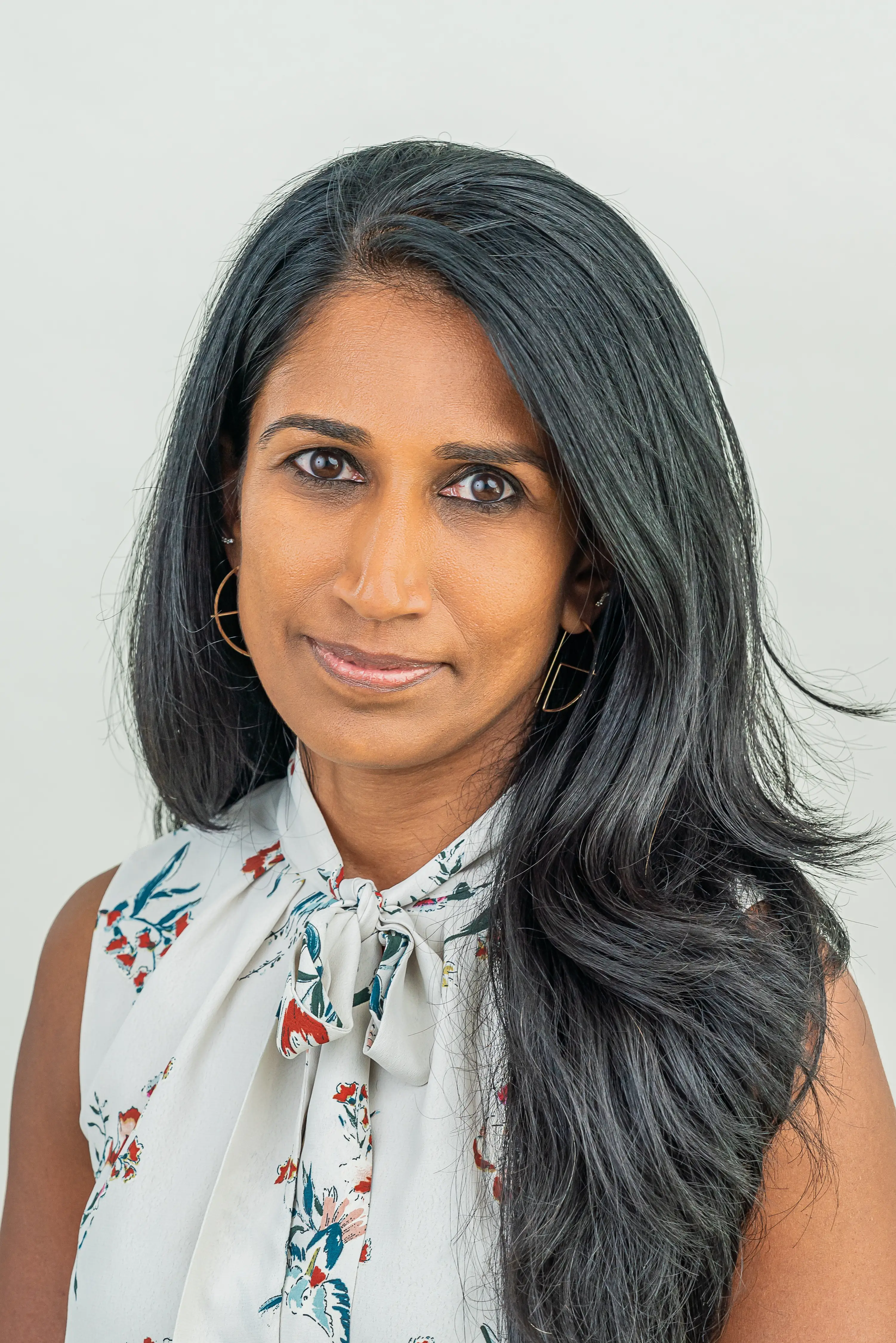
For most companies, figuring out just how people and AI should work together is a key challenge, says Sabari Raja, a managing partner at JFFVentures, an early-stage fund that invests in startups focused on low- and mid-wage workers.
“These new roles involve designing that collaboration — training teams for it, and determining where human judgment comes in,” Raja says.
The individuals who will excel in these roles understand how humans work: their cognitive limits, where trust breaks down, and how people make decisions under pressure. They also understand how AI models reason, where they fail, and how they handle uncertainty.
The key is designing around both, she says. “It’s about seeing AI as a teammate and collaborator,” Raja adds. “AI is powerful, but it needs direction.”
Roles built for the native AI era
For the past few years, organizations have primarily approached AI adoption by adding tools to existing roles or expanding what workers were already doing. Often, new positions were simply repackaged engineering or technical roles.
However, as companies move from pilot to production, the focus is starting to shift, says Marinela Profi, global AI and generative AI market strategy lead at SAS, an AI and software analytics company.
“We’ve moved beyond retrofitting AI into existing roles,” Profi says. “Now we’re seeing signs of companies building them for a native AI Era.”

Some jobs center on governance to manage AI safely and strategically. Take, for instance, the role of AI decision designer.
As companies get more comfortable letting AI make high-stakes calls, like detecting fraud, approving loans, and determining credit scores, they’ll need someone to shape how those decisions get made, Profi says.
Right now, data scientists and engineers typically handle that work as part of building the systems, but in the near future, someone will need to sit between the algorithms and the outcome. Enter the AI decision designer.
They’d create the frameworks and maintain accountability as automation scales. “This role would be a way to keep the human in the loop and at the center,” she says.
Meanwhile, other roles focus on ensuring the company’s AI aligns with its stated values and business goals. To address that need, Profi says we’re likely to see more C-suite positions focused on AI strategy. Behold: the AI experience officer.
Unlike the chief AI officer, who tends to focus on product development, governance, and implementation, the AI experience officer is “explicitly responsible for how AI feels and behaves in the human moment,” she says. “It shifts the conversation from, ‘Are we using AI?’ to ‘How are people living and working with AI?'”
Profi says that while few organizations have publicly posted for such roles, certain types of companies and industries are prime candidates for introducing them.
For instance, in healthcare, where AI health assistants and wellness bots frequently interact with patients, an AI experience officer would ensure the technology feels empathetic, trustworthy, and safe.
Education tech companies are another example. “AI will redefine how humans learn and how educators teach,” she says. “Education is emotional: It’s social and deeply human. That’s exactly why how AI shows up — not just what it does — needs to be designed with care.”
‘A complete reconfiguration’
Companies will also need workers focused on creating AI ethics frameworks and setting guardrails. It’s no small task.
Building ethical AI is messy and complicated, says Shahab Samimi, chief executive officer of Humanoid Global, a holding company that invests in robotics and AI businesses.

That’s why he predicts roles like digital ethics advisor will become more common. These jobs would build safety systems for AI and robotics with enough checkpoints and feedback loops to catch issues early on. They’d also be responsible for staying on top of industry standards and regulatory requirements.
There’s no governing body yet for AI safety standards, he notes. Until there is, companies look to groups like the International Organization for Standardization (ISO), which sets widely used safety and quality guidelines for machines that operate in human environments. But even then, the ISO can’t prevent every issue.
“When you have machines interacting with humans, something is bound to go wrong,” he adds. “Companies need someone focused on safety.”
Of course, these emerging roles represent just a small slice of the broader changes AI is bringing to the workplace. Beyond eliminating some jobs and creating others, AI is redesigning how organizations get work done.
But experts say that even as AI takes on more tasks, human-in-the-loop oversight will remain critical. “Many companies think of AI adoption as an IT project, but it’s a workforce transformation,” says Raja, of JFFVentures.
“Most don’t yet realize the scale of what’s coming and the changes we’ll see to workflows, skill sets, and management structures. It’s a complete reconfiguration,” Raja says.
/* .insider-raw-embed + p { display: none; } */
// How AI is Changing Talent
const seriesTitle = “How AI is Changing Talent”;
// Presented by
const text = “Presented by”;
// 6667548ce07904901817825a
const sponsorLogoID = “6667548ce07904901817825a”;
// Indeed Transparent Logo
const altText = “Indeed Transparent Logo”;
//https://www.businessinsider.com/category/how-ai-is-changing-talent
const hubOrCatURL = “https://www.businessinsider.com/category/how-ai-is-changing-talent”;
document.documentElement.classList.add(“gi-sponsor-module”);
if (
document.querySelector(“.gi-sponsor-module”) &&
document.querySelector(“.post-body”) &&
!document.querySelector(“.full-bleed-hero”) &&
!document.querySelector(“.is-enhanced”)
) {
document.querySelector(“.post-hero”).insertAdjacentHTML(
“afterend”,
`
${text}
`
);
}
if (
document.querySelector(“.gi-sponsor-module”) &&
document.querySelector(“.full-bleed-hero”) &&
document.querySelector(“.is-enhanced”)
) {
document.querySelector(“.share-bar”).insertAdjacentHTML(
“beforebegin”,
`

${text}
`
);
}
if (
document.querySelector(“.gi-sponsor-module”) &&
document.querySelector(“.breadcrumbs-wrapper”)
) {
document.querySelector(
“.breadcrumbs-wrapper”
).innerHTML = ``;
}
Read the original article on Business Insider
The post AI is creating new jobs. Here are the roles to look out for and what they involve, according to 3 experts. appeared first on Business Insider.