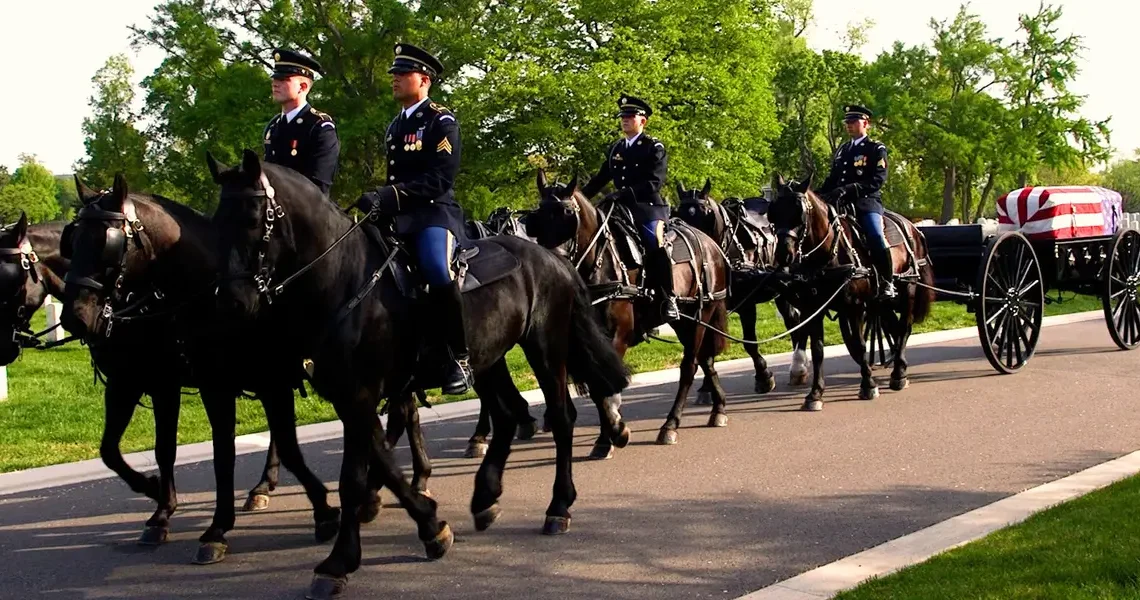
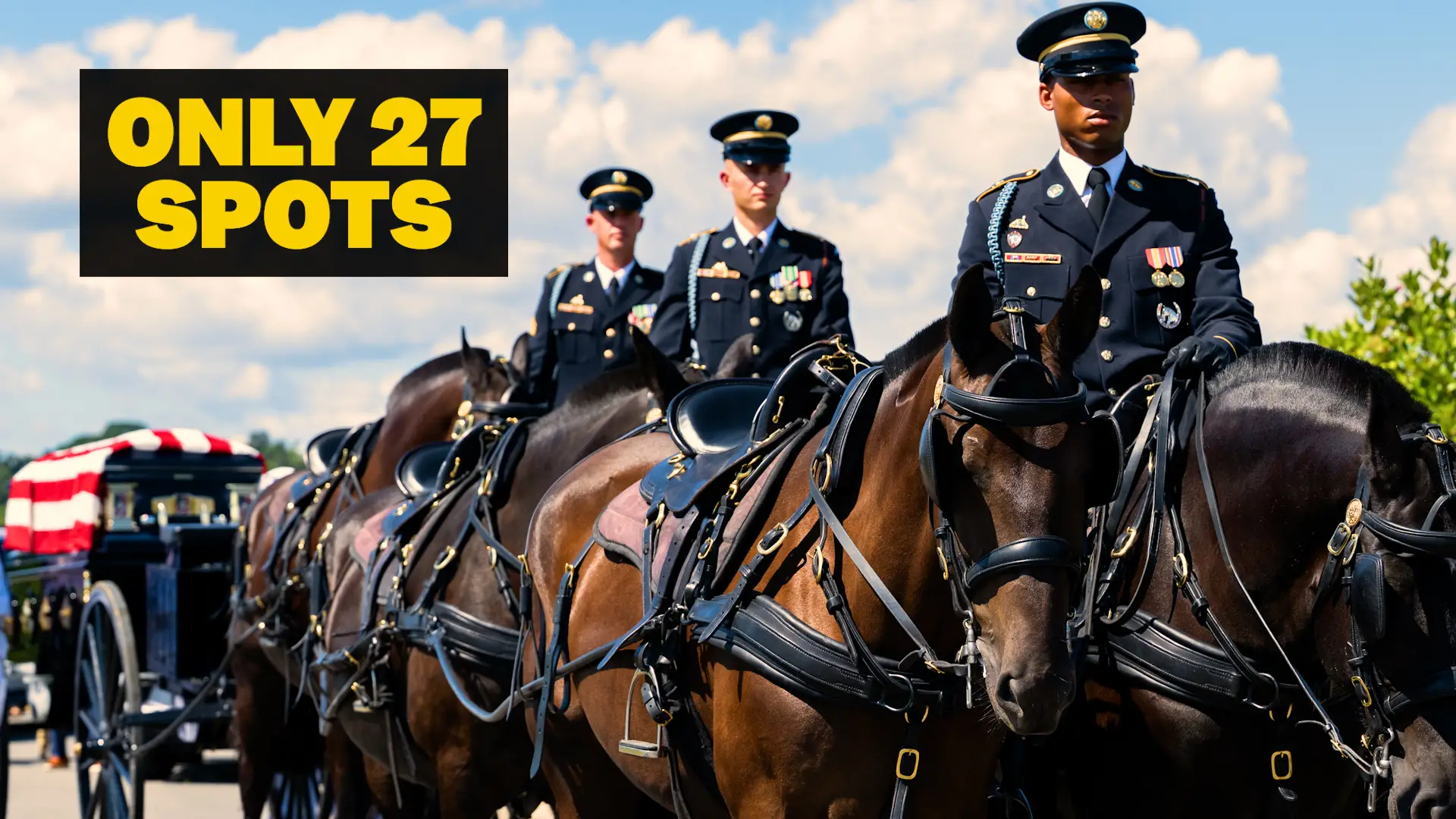
Arlington National Cemetery is the final resting place for more than 400,000 people, and the US Army’s Caisson Detachment supports up to 10 funerals each week for select service members.
Until recently, however, a key part of these funerals had been missing — the horses.
For 75 years, horse-drawn caissons were one of Arlington National Cemetery’s most recognizable funeral traditions.
Then, the Army shut the program down in 2023 after the deaths of multiple horses exposed unsanitary conditions and shortcomings in their care.
More than 2,000 Arlington funerals took place without horses while the Army investigated what went wrong and rebuilt the program from the ground up.
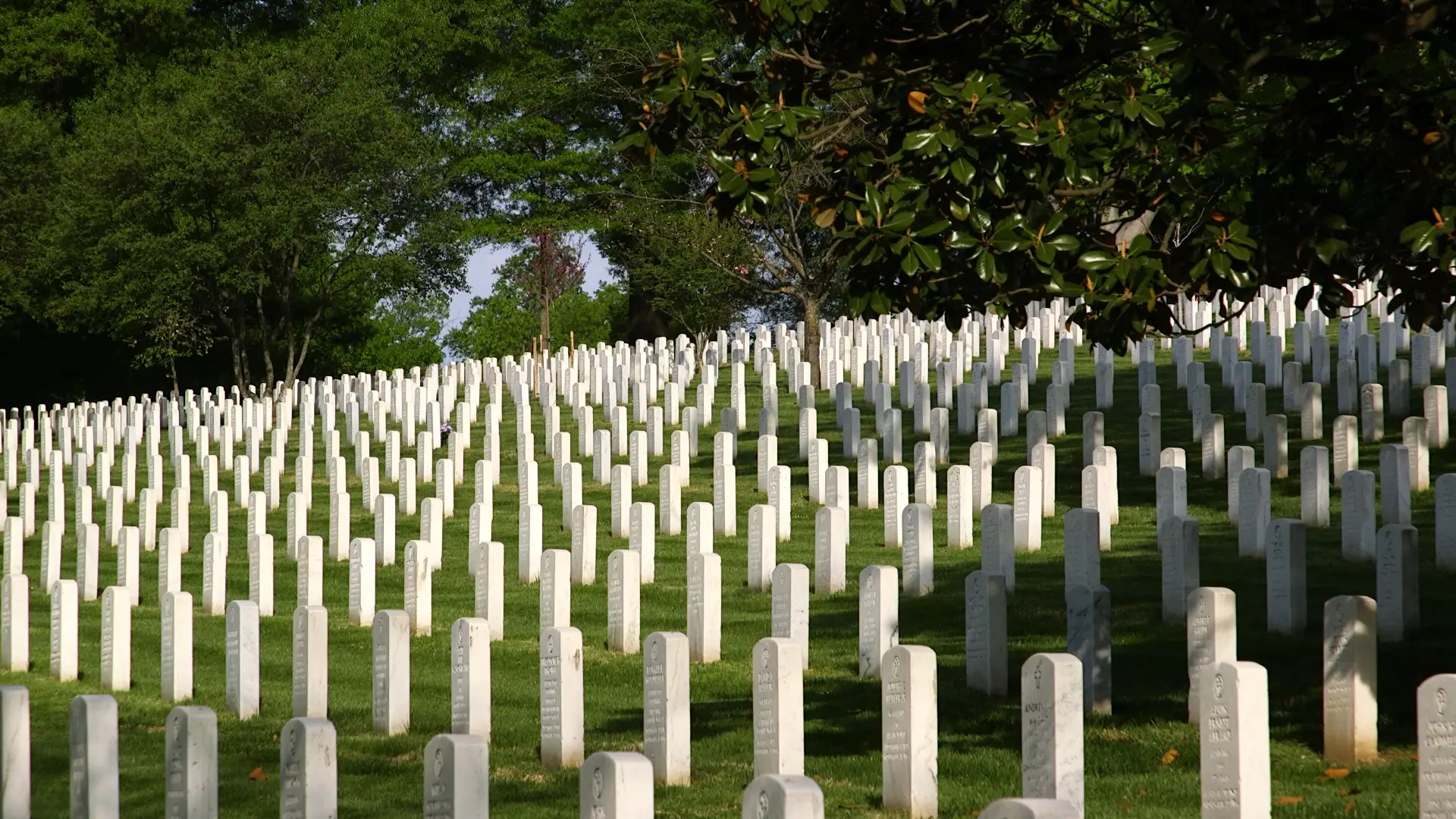
It invested more than $30 million into upgrades, new facilities, revamped training, and a renewed focus on horse welfare.
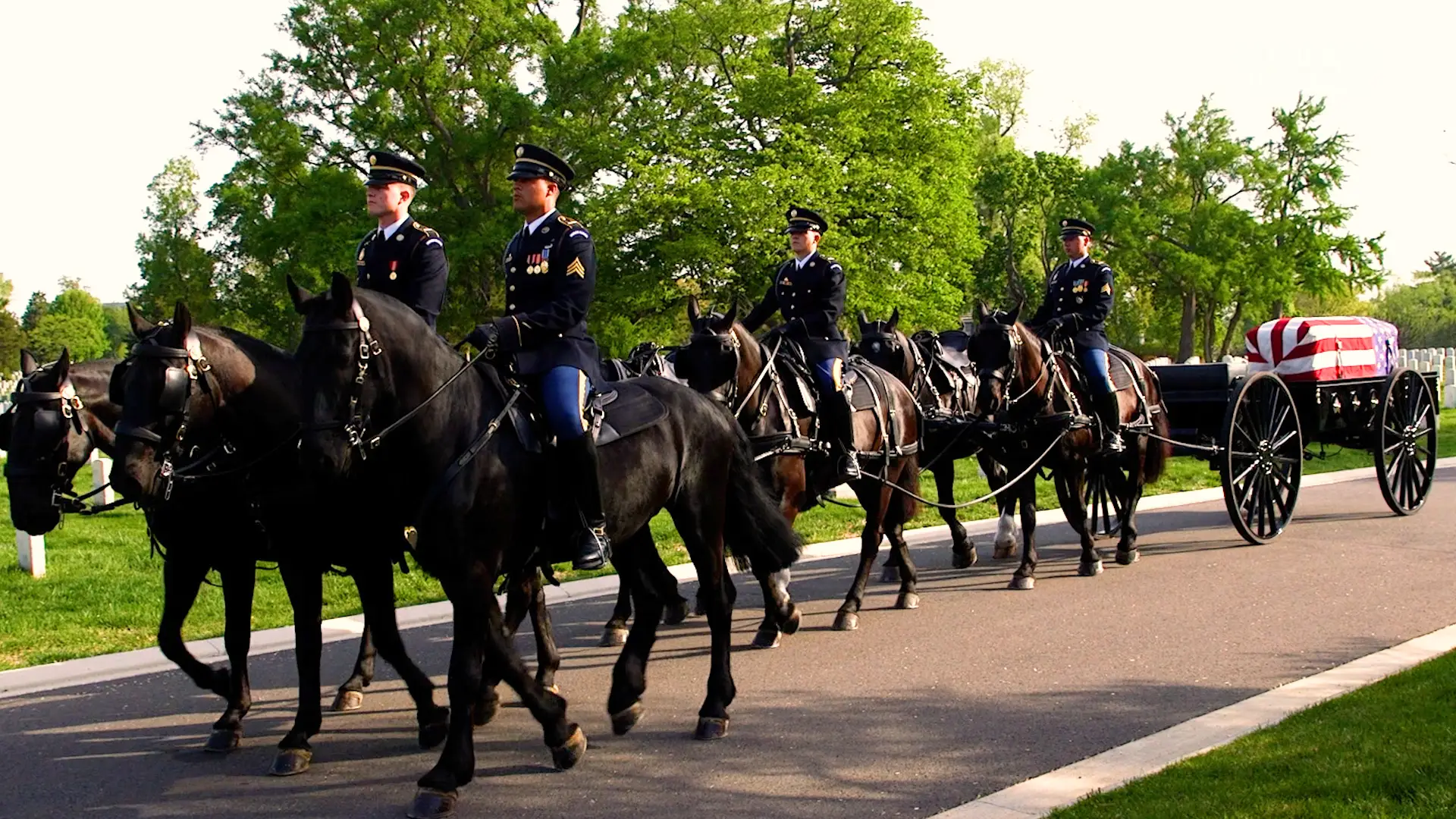
For example, the new $256,000 caisson wagon the horses pull during funerals now weighs 1,205 pounds, down from the previous wagon’s 2,800 pounds.
To understand what it now takes to earn a place in one of the military’s most demanding ceremonial units, Business Insider chief video correspondent Graham Flanagan followed the Caisson Detachment from advanced training in Ocala, Florida, to Arlington National Cemetery in Virginia, where soldiers complete their final certification.
A complete rebuild of the philosophy and training
One of the major adjustments the Army made to the program was placing a horse veterinarian in command of the unit.
Col. Jason Crawford, the veterinarian in command, said the Army’s goal is not only to complete the mission, but to do it while “putting the horses first.”
Crawford added that soldiers play a critical role in that effort because they spend the most time with the animals.
“The soldiers are the primary people that are actually telling us, ‘Hey, something’s wrong,'” he said. “They’re seeing them all the time, so they can pick up on the little telltale signs of where, rather than treating an illness, we’re trying to prevent it before it happens.”
The Army also rebuilt how horse soldiers are trained.
Many recruits arrive with little or no riding experience before completing 12 weeks of basic horsemanship training and six weeks of advanced instruction in Ocala, Florida.
Among those instructors is Inga Köhn, a riding trainer who said the first challenge is teaching soldiers to stay balanced and composed.
We’re “helping them find balance in case something happens, a horse spooks to the side,” she said.
During one training session, she reminded a soldier: “If you keep riding two meters over left, you end up in the wrong funeral.”
Why precision is key
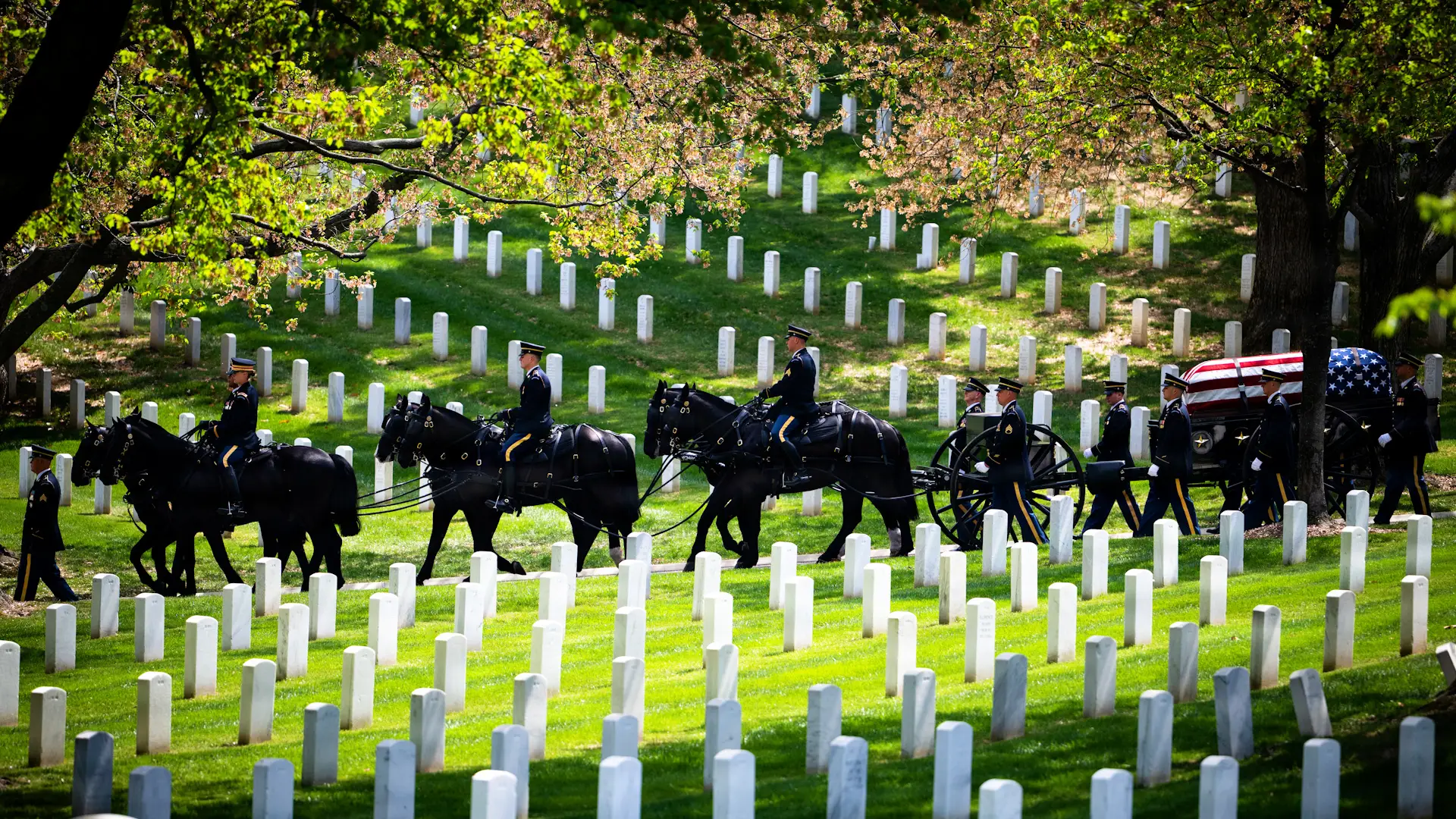
The precision isn’t just ceremonial. Each funeral is a public event for a grieving family, and even small mistakes can disrupt the procession.
Soldiers spend months learning how to maintain formation, control multiple horses, and react when an animal becomes startled.
Specialist Jamie Sims said the pressure grows as training progresses.
“It’s kind of nerve-racking because now it’s higher stakes,” Sims said. “Like, it’s training right now, but then you also have to think, ‘OK, this is real-life missions.’ Like, we can’t mess anything up.”
The training culminates in a validation test that determines whether soldiers can participate in funeral missions. Riders are graded on posture, form, and their ability to maintain control during unexpected situations. Soldiers who fail return to training before attempting the test again.
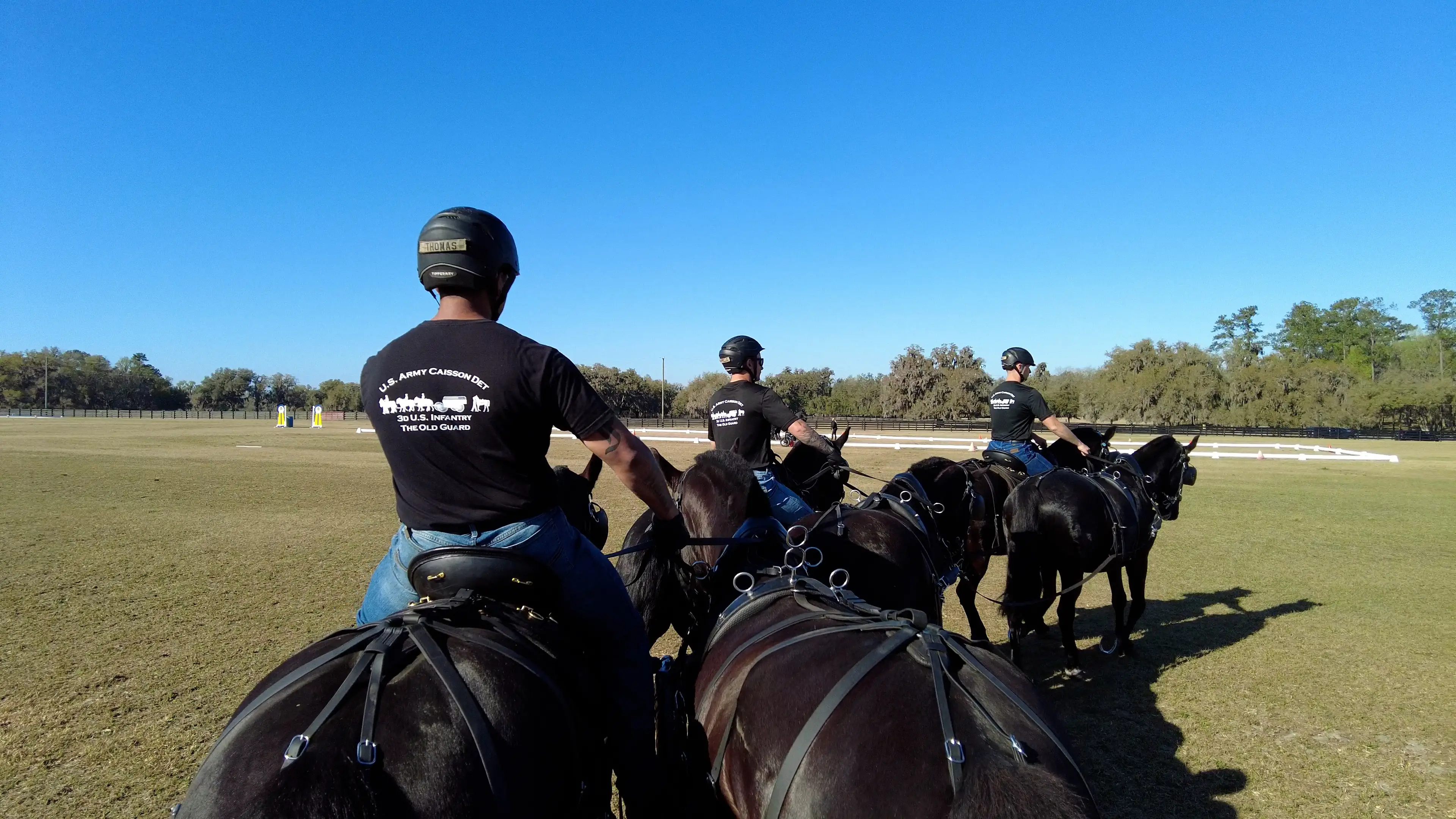
During one validation exercise, a soldier failed after dropping control of her reins and briefly losing control of her horse. According to instructors, even a single safety issue is enough to keep a rider from advancing.
Putting horses first
Most of the detachment’s horses are Percherons, a breed the Army uses because of their strength, endurance, and calm temperament.
Still, the horses remain prey animals that can react suddenly to unfamiliar sights and sounds.
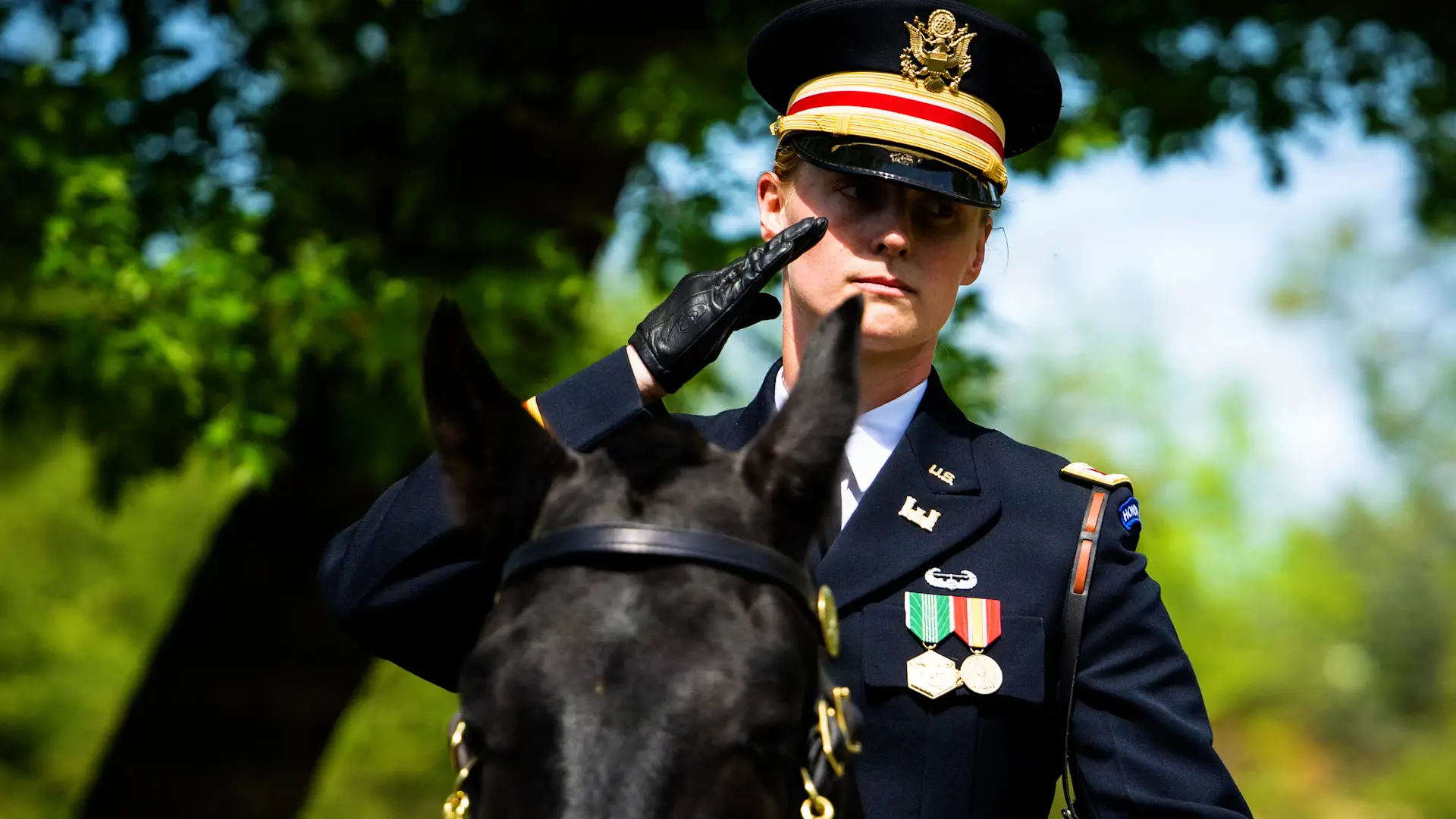
Trainers now expose them to loud noises, flags, crowds, vehicle sounds, and even an air cannon designed to simulate unexpected disturbances they may encounter during military funerals.
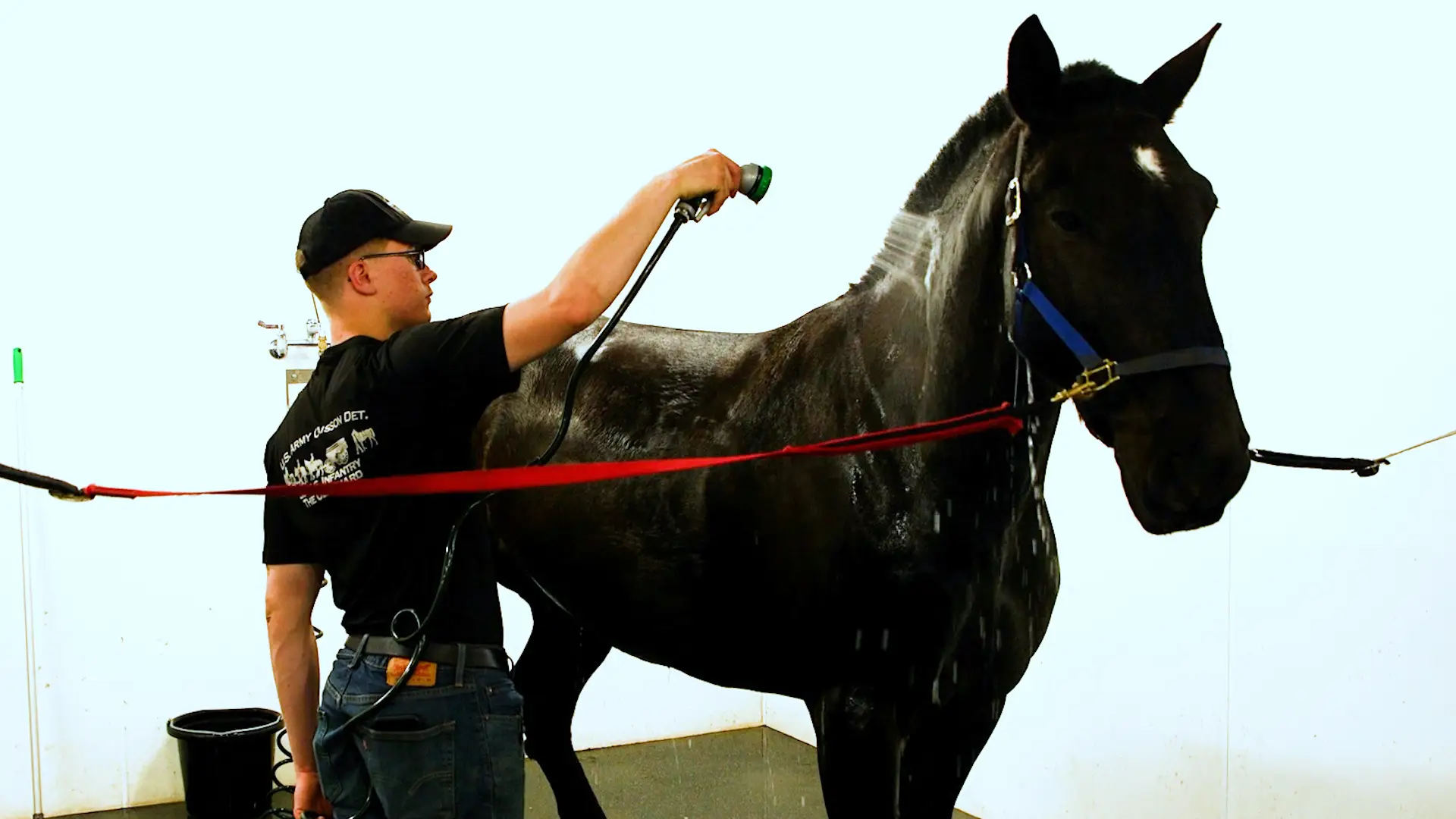
Soldiers also take responsibility for daily horse care, including feeding, hoof cleaning, bathing, and monitoring the animals’ health. Specialist Christopher Cuby, who is training as a horse soldier, said the horses are “absolutely high maintenance,” but the work becomes manageable with repetition.
“Some of it can be a little bit tedious, but once you get in a rhythm, once you just take things step by step, it’s not too bad,” Cuby said.
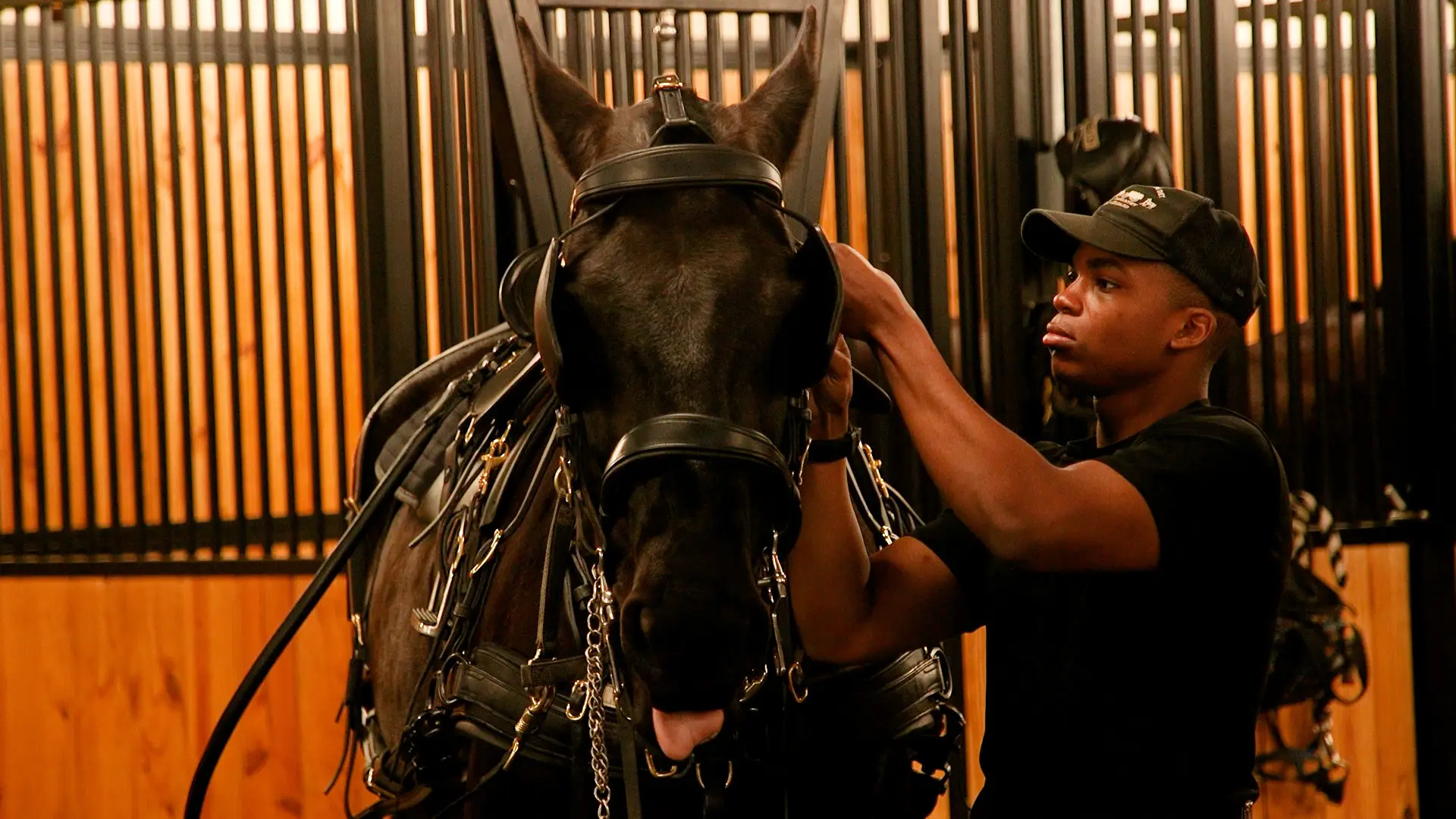
For soldiers who ultimately earn a place in the detachment, the mission carries unusual weight. The funeral procession gives families one final memory of their loved one’s service, and soldiers get only one chance to get it right.
When Sgt. Nick Cardenas completed his first funeral mission after months of training, he described the experience as “humbling.”
Cuby put it simply: “We’re taking them to their final resting place. That’s why it’s important that we do it correctly.”
Read the original article on Business Insider
The post Inside the Army’s $30 million effort to revamp its funeral horse program after a series of horse deaths appeared first on Business Insider.