On May 3, 2025, I clutched my husband’s hand as my father-in-law took his last breath. After receiving the warning call, it took me an hour to drive to the hospital to be at my husband’s side.
However, if this scene had played out even four years earlier, neither of us would have been there in time. We would have been more than 500 miles away in North Carolina, where my husband and I had moved in 2015.
Within a few years of our move, both of our mothers passed away, and by the time the pandemic swept the US in 2020, we realized we needed to live closer to our dads.
In 2021, as 30-year fixed mortgage rates hit record lows and home prices soared, we sold our North Carolina house for a nice profit and bought a place in Kentucky closer to family, locking in a 3.125% rate.
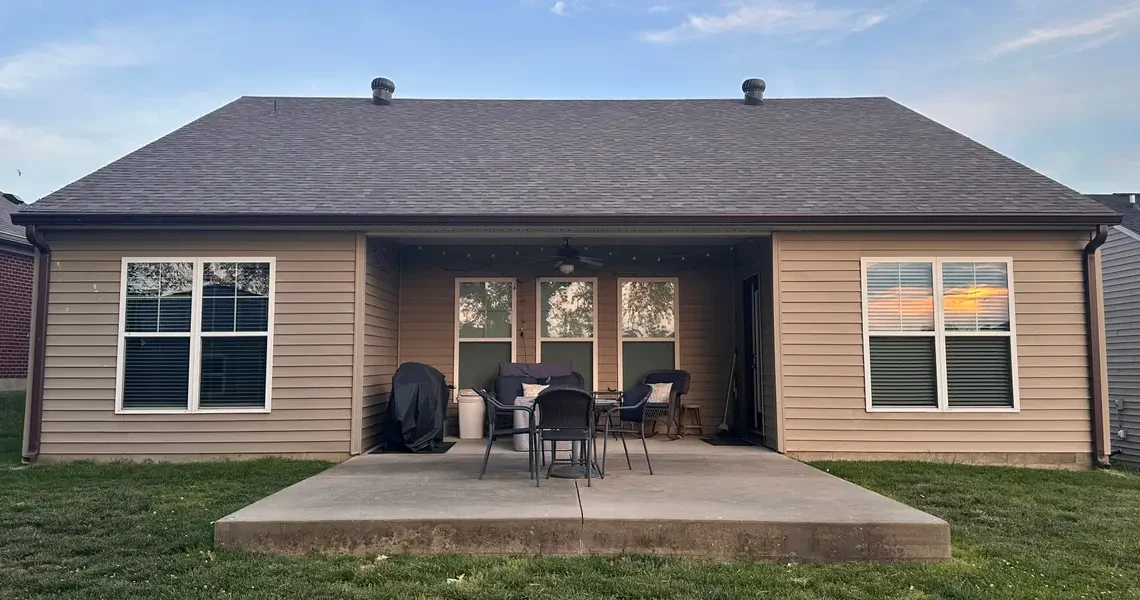
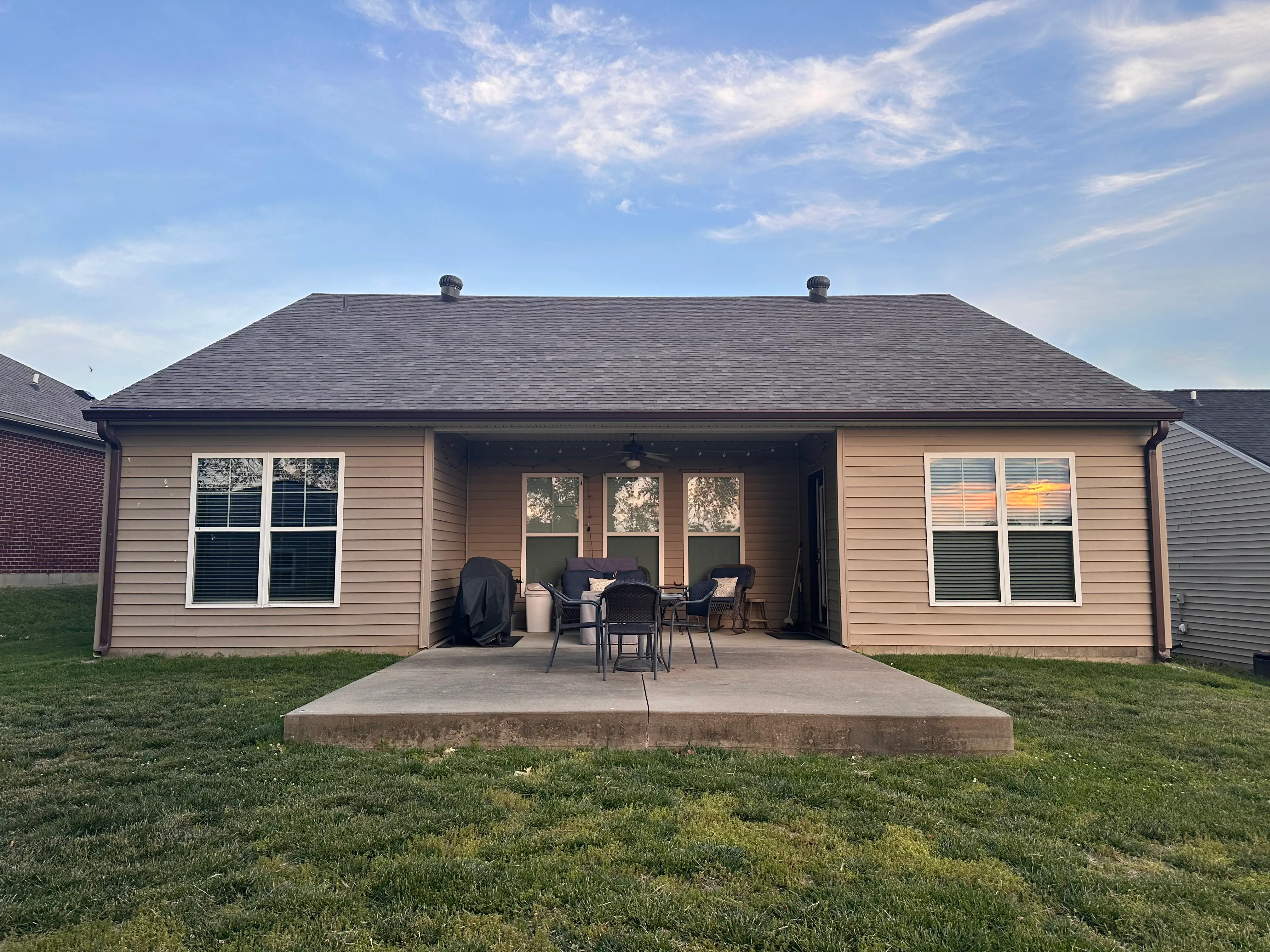
It was meant to be temporary, and it wasn’t our dream home — it was what I called our “get-us-there” house.
Pickings were slim where we wanted to relocate, and this home was the first we found that met our minimum requirements. In a rush to move before we had to hand over the keys to the North Carolina house, we bought the Kentucky home without even seeing it in person.
Now, nearly five years after arriving, we’re stuck.
We yearn for a bigger lot, more square footage, and other amenities, but it’s hard to justify moving when this house still meets our basic needs.
It doesn’t make financial sense to find another home in the area when average mortgage rates have been stuck around (at least) double ours for the past few years.
Our house is impractical for certain tasks, and we often wish for more space
Our 1,500-square-foot house stands in a subdivision on the outskirts of Kentucky’s fourth-largest city. We have attic space over the garage, which we mainly use for storing Christmas decorations, but there’s no basement.
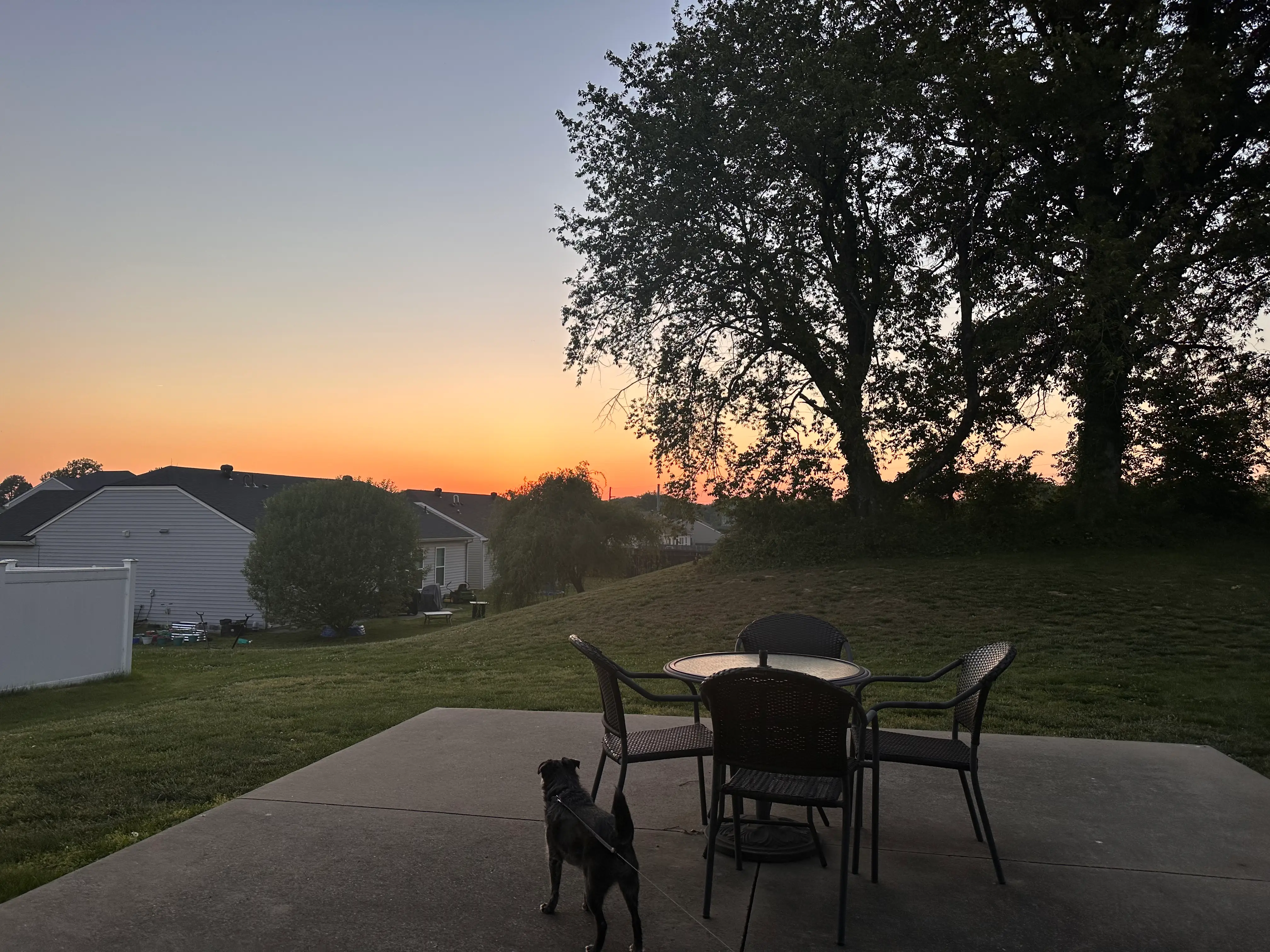
The neighbors’ homes are close enough that we can hear outdoor conversations through our walls, and the view from our backyard includes a few trees flanked by other houses and the neighborhood power grid in the distance. Our former residences offered more privacy with a mini-forest view.
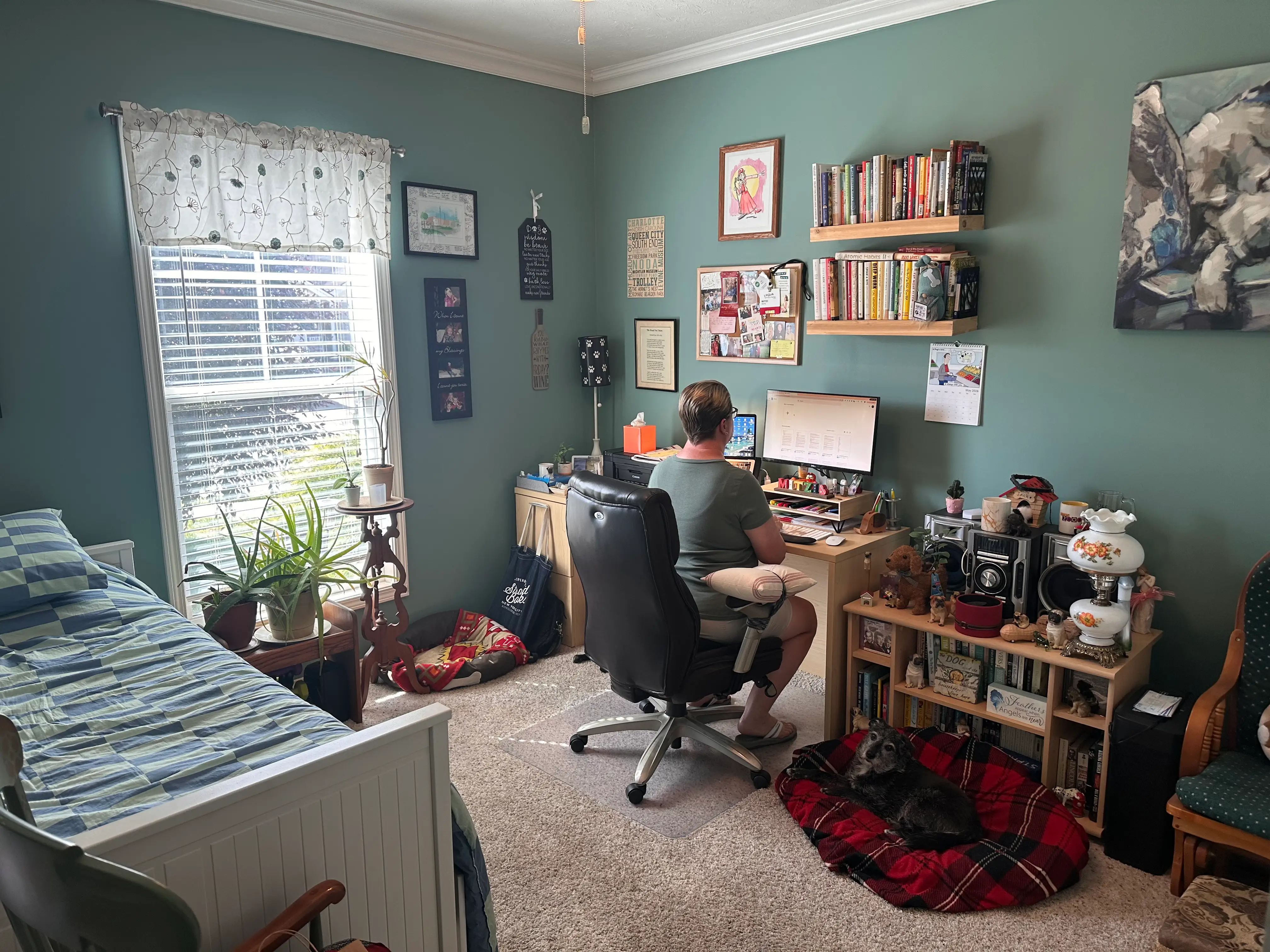
Besides the primary bedroom, we have two small bedrooms that we use as offices, and mine doubles as a guest room with a trundle bed.
I often dream of having a fourth bedroom to keep the bed in so we could better accommodate visitors (and maybe even upgrade them to a queen). This shift would also give me room for bookshelves in my office to organize my burgeoning collection of thrift-store reads that are currently scattered throughout the house.
In my husband’s office, remnants from my father-in-law’s home have commandeered the space, so extra storage would allow him to see the floor again.
Our SUV, pickup truck, and my motorcycle fill our two-car garage, leaving little room for anything else. The outdoor shed, which we added after moving, only fits lawn-mowing and leaf-blowing equipment and my husband’s motorcycle.
He longs for an extra garage or shed with an open workspace for projects. Me? I’d like the space to build a waist-high dog-washing station to give my back and knees a rest from kneeling over the bathtub.
It’s difficult to invest in upgrades when we never pictured staying here
Aside from repainting the orange accent walls in the living areas and freshening the bedroom colors in the beginning, we’ve refrained from renovations because we thought our stay would be temporary.
Now the worn and dingy bedroom carpets, the gaps growing in the vinyl flooring, and the gray-blue walls that darken the house stalk my thoughts.
Earlier this year, I considered installing new flooring to boost my mood about the situation. However, I lost an anchor client from my freelance writing business in the first quarter, so I was hesitant to tap into savings that we might need for bills.
I’m hoping my client work will pick up and restore my confidence to move forward with at least some improvements in this house. As someone who works from home, I spend a lot of time here.
No renovation will change the proximity to our neighbors, though. We’re still almost living on top of each other.
I’m grateful our home is affordable, but I don’t want us to be stuck here forever
By listing (and lamenting about) the things I hate about my house, I’ve uncovered the benefits of living in it. For one, it’s affordable.
Kentucky ranks among the top five states with the least-expensive monthly median mortgage payment. Our payment is well below the commonwealth’s $1,453 average.
Also, Kentucky is one of the top 10 states with the lowest residential electricity rate. I can attest that our highest bill was just $150 in the heat of August last year.
When my freelance writer income fluctuates — my husband has a full-time job — we’re not burdened by a mortgage we can’t afford or rapidly rising utility costs we can’t manage.
From a macro perspective, which includes a nationwide housing shortage and record-high homelessness in the US, I feel ridiculously privileged whining about my house.
Here I am pining for a place to put my books and more grass for my husband to mow when other people don’t have a home or are house-poor, meaning they can afford their house and not much else.
Although it’s nice to be closer to family and friends, we still have the urge to live in and explore new cities. I’m still hopeful our “get-us-there” house won’t become our forever home, but something must change before we get serious about moving.
Perhaps we can pay off this house and not worry much about the mortgage rate on the next one. Although it feels unlikely, interest rates nearing historic lows again would also help.
Until then, I’ll keep making the 40-minute drive to my dad’s house for visits and doctors’ appointments and be grateful it’s not a nine-hour trip.
Read the original article on Business Insider
The post I love my mortgage rate. I hate my house. appeared first on Business Insider.