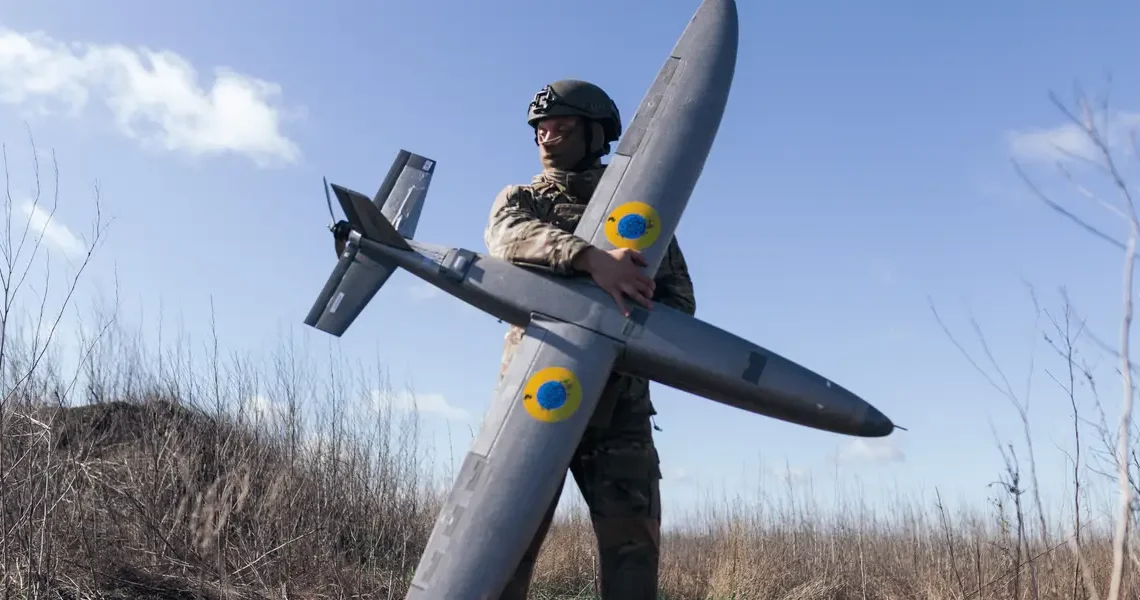
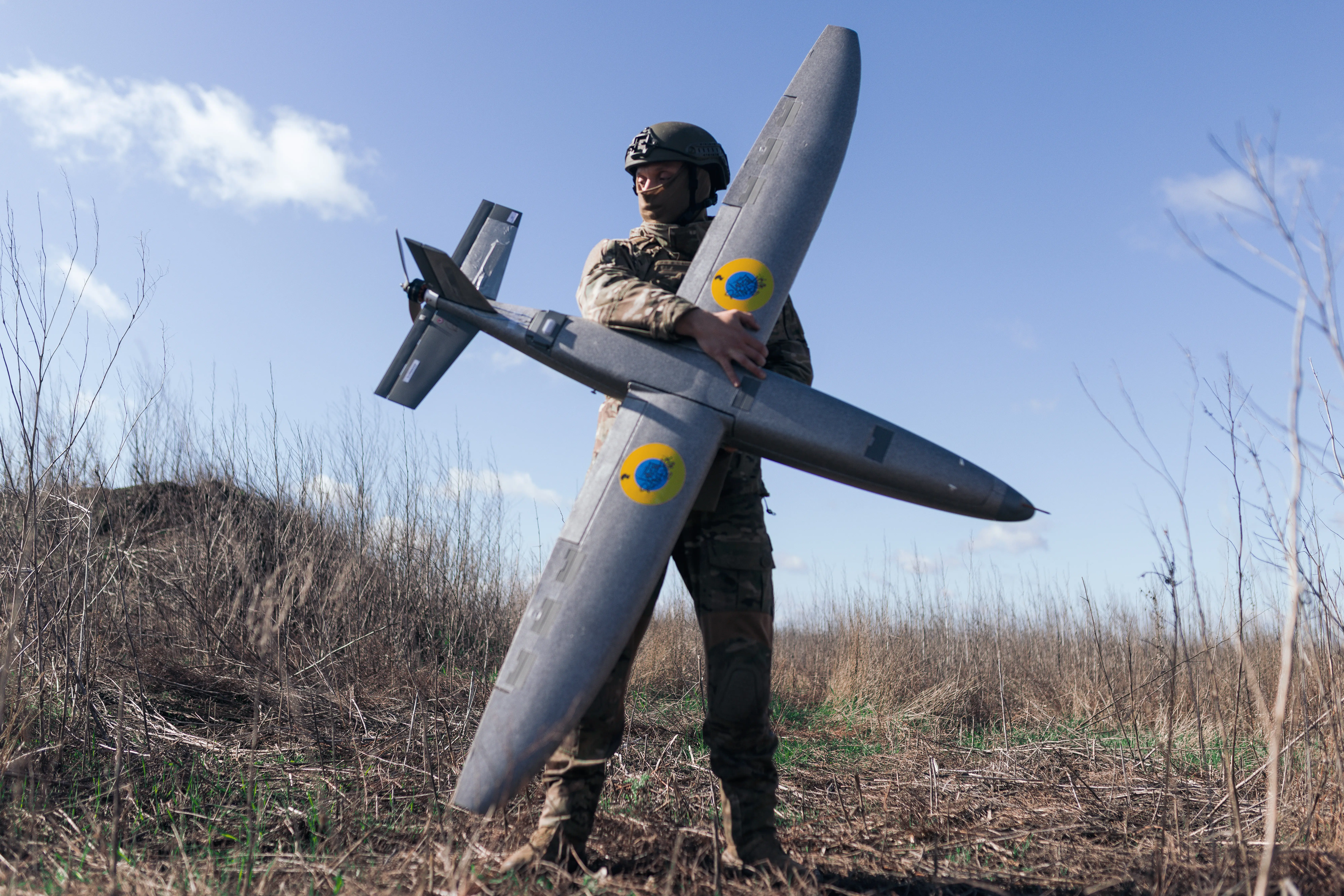
To Spring, some of the new drones blunting Russia’s momentum first arrived so glitchy they were practically cursed.
“In every sortie, everything that could go wrong went wrong,” the drone pilot, with the Ukrainian National Guard’s Typhoon unit, told Business Insider of the first system she tested in early 2025.
The fixed-wing drone’s camera feed would stop working, or its software would stall before takeoff. Controls sometimes became unresponsive after a few minutes, or the batteries failed, she said. And that’s after it was already sent to the front for combat use.
Spring, identified by her call sign for security purposes, declined to name the specific system. But she said she’s tested over 10 types of mid-range strike drones for Typhoon, most of them Ukrainian-made. Their use is growing rapidly on the front line, and more manufacturers are sending in their entries of this drone class for frontline troops to fly.
Though considered “finished” drones, their quality can vary greatly, with some encountering severe issues before they clear testing ranges, she said. In combat, such failures can be costly for Ukrainian units, requiring drone pilots like Spring to now juggle time at the front lines with meticulous testing of the fixed-wing systems.
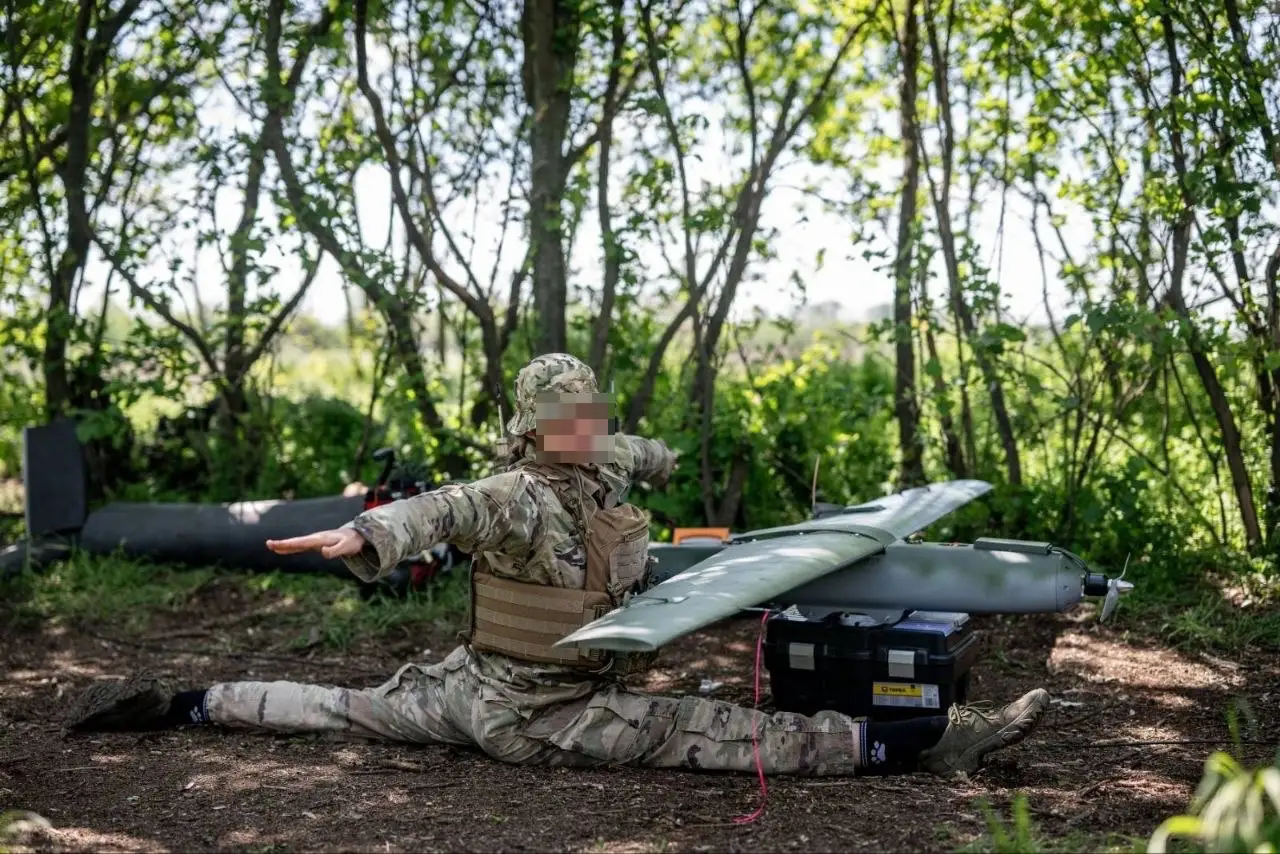
Part of the recipe to Ukraine’s success is that these drones, developed at breakneck speed by many manufacturers, are tested by experienced combat pilots, a trial-and-error process that is time-consuming but helps weed out faulty systems. Spring mixes her time on the southern front with several days at practice ranges, conducting up to 11 daily flights that last 30 to 80 minutes each. Drones that start experiencing issues get rigorously tested.
“If a manufacturer is not responsible, I do everything possible to prevent their system from reaching combat crews in our unit,” Spring said.
Troubleshooting while at war
Mid-range strike drones are typically classified as fixed-wing systems that can fly between 18 and 180 miles. Analysts say they’ve provided a critical advantage to Ukraine, allowing it to consistently attack logistics, command posts, and transports in rear areas that Russian commanders had considered safe.
Spring mostly specializes in drones that can fly between 40 and 60 km, and has been testing them since early last year. After clearing a drone at a test range, she brings it to the front lines for further trials before it can be deemed combat-ready. Some drones perform well enough on delivery that they only take a few tests for approval, while others are so problematic that they require dozens of flights, she added.
A key aspect she assesses is their reliability against Russian jamming after flying long distances. Some mid-range drones are equipped with AI targeting that keeps them flying and continues seeking out their quarry after losing connection to the pilot’s control station.
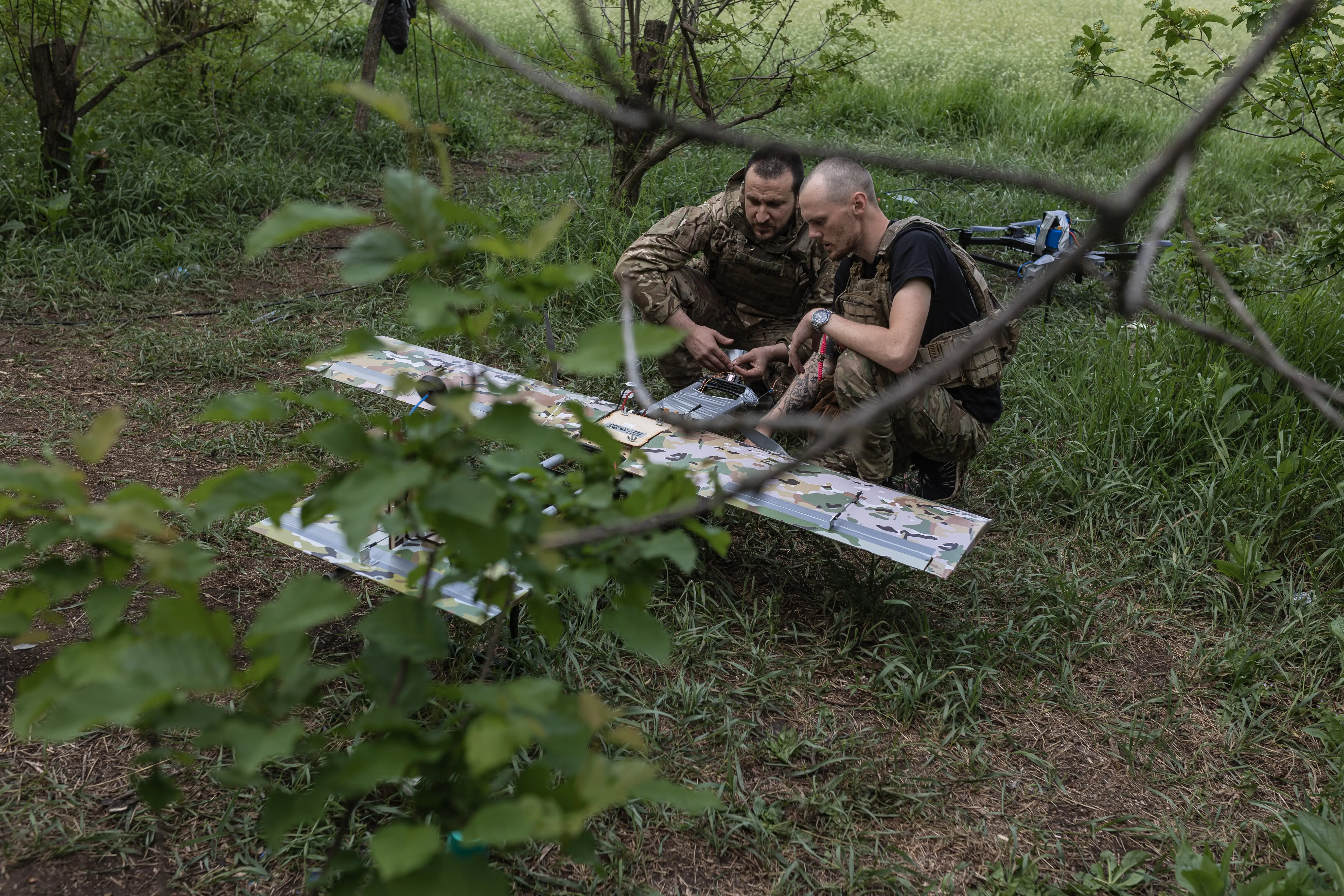
The drones must be able to strike targets reliably at 25 miles away and beyond, a capability that’s disrupted Russia’s way of fighting and contributed to a net loss of territory for its forces in the last few months. Russia advances by sending waves of foot soldiers against entrenched positions, and any gains they make must be rapidly reinforced with fresh troops, ammo, and artillery. By attacking these assets in the rear, the mid-range drones can hamstring Russian gains.
Broadly, the drones that Spring tests cost between $1,000 to $15,000 each, she said. A failed mid-range drone strike not only wastes her unit’s money, but can also consume about an hour of flight time due to the distance required to reach the target, she added.
There’s also a risk that the failed drone falls intact into Russian hands, allowing Ukraine’s enemies to reverse-engineer its tech.
The cost of a failed strike can be human, too. Ukraine uses many of these drones to hit outposts for Russian first-person-view drone pilots, who in turn are attacking Ukrainian troops.
“If the enemy is not stopped, it’s a risk to the lives of our people,” Spring said.
An open-market war industry
While testing, Spring said her team stays in close contact with manufacturers and provides feedback on their products.
The first mid-range drone she tested, for example, has undergone so many changes since early 2025 that it’s now considered a new system.
“But that drone is now producing results on the battlefield in the hands of other pilots,” Spring said.
Mykola Bielieskov, a drone analyst for Ukraine’s biggest war crowdfunding organization, ComeBackAlive, told Business Insider that Ukraine’s weapons manufacturers compete in a direct-access market with frontline units, where they must maintain their reputations in real time.
“The better you respond to data accumulated on the front line, the more guarantees that your UAV will be procured, because units now have separate budgets to procure on their own,” Bielieskov said.
Mid-range strike drones typically look like small aircraft, with a wingspan of about 6 to 8 feet and roughly the size of a solo kayak. Most are launched by a rail or catapult system and then fly with a propeller on the nose or wings, carrying roughly 20 to 40 pounds of explosives — though there are outliers such as the Fire Point FP-2, which was reported last month to be designed to carry a 440-pound payload for over 100 miles.
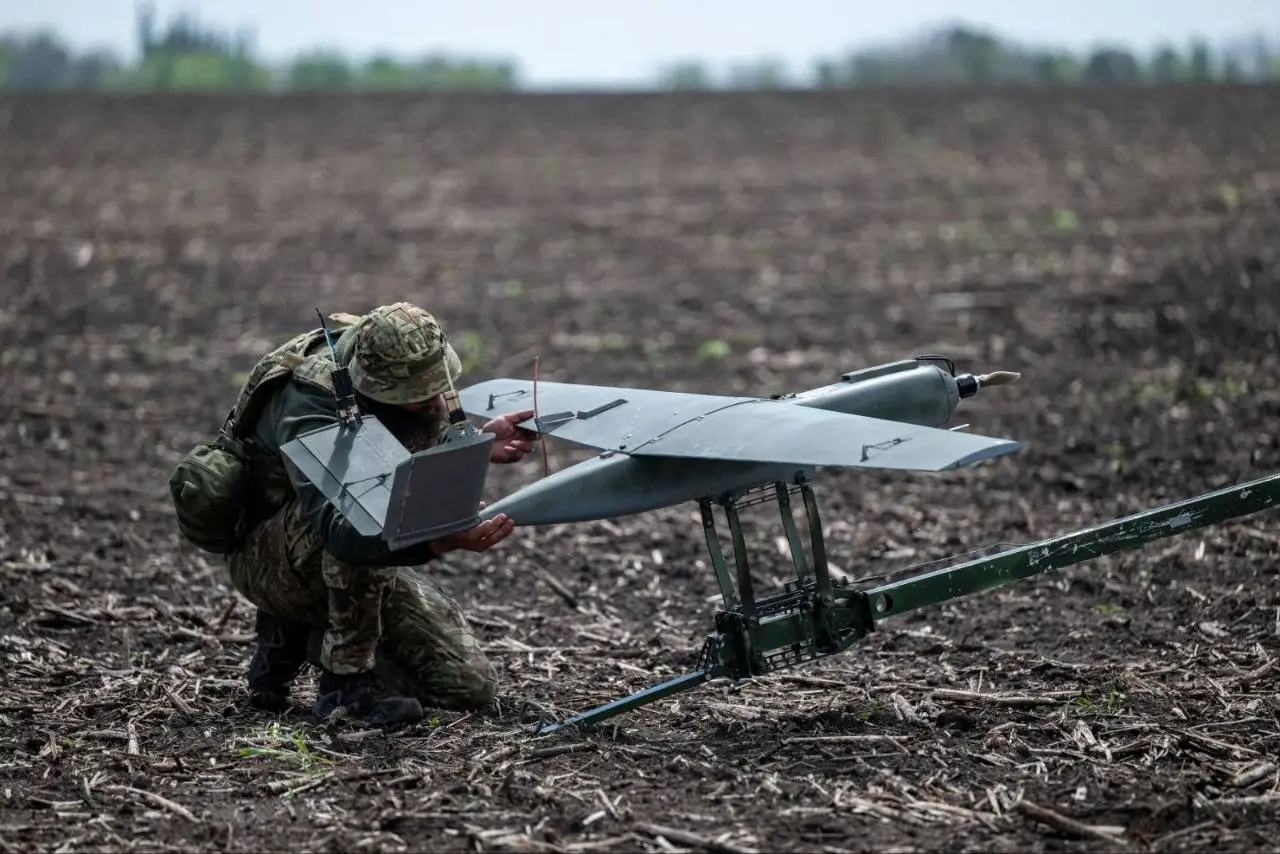
One of the best-known mid-range drones in Ukraine is the Hornet, produced by US-based company Perennial Autonomy. Equipped with an AI targeting system, it’s supposed to carry an 11-pound warhead for about 93 miles, and was used repeatedly in May by Ukraine’s Unmanned Systems Forces to harass Russian logistics highways behind the southern front.
Live testing from troops has helped create the rapid innovation cycle that Ukraine is known for. But George Barros, director of Innovation and Open Source Tradecraft at the Institute for the Study of War, said the system also exposes Ukraine’s front lines to redundancies from companies competing for profit.
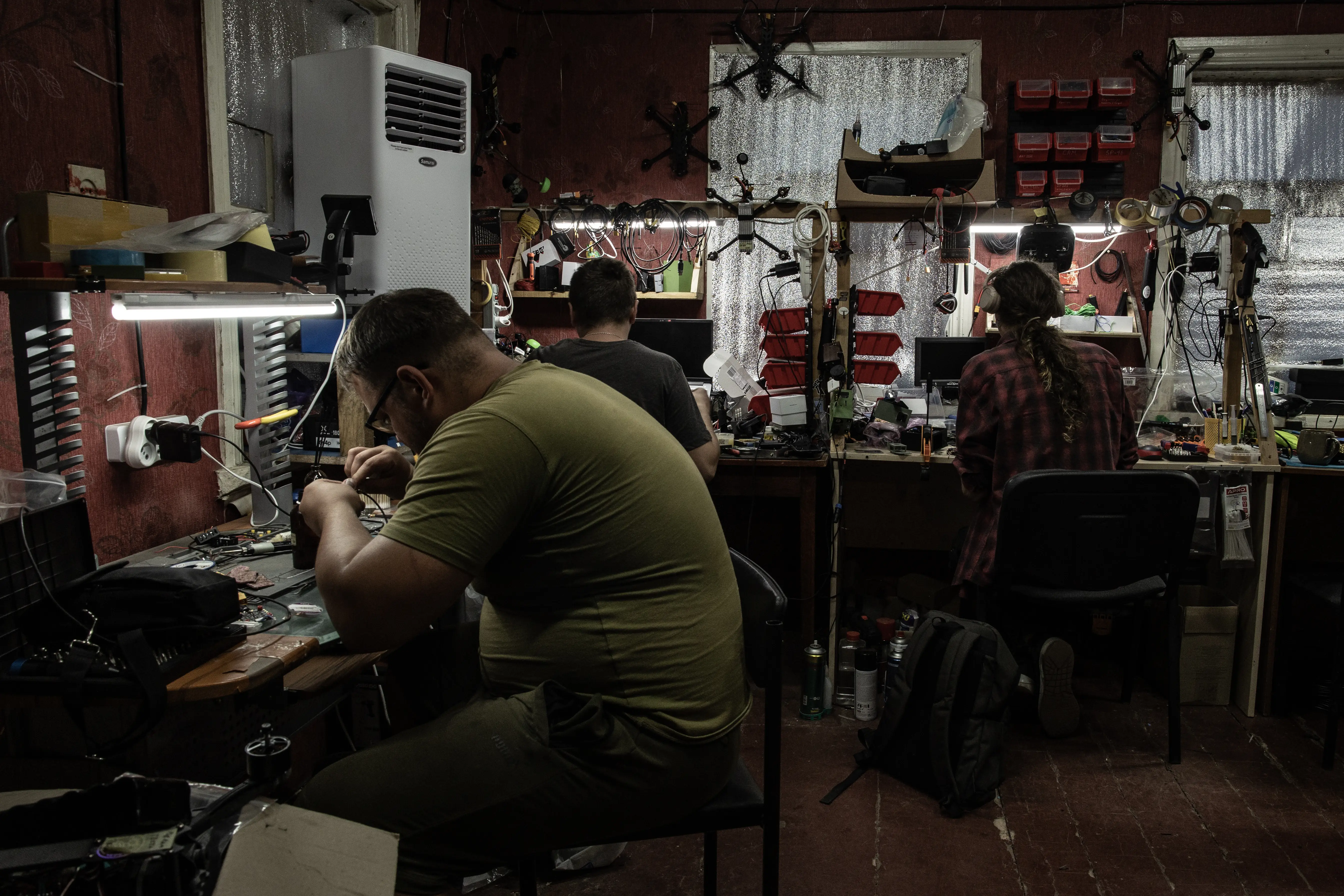
“There’s a tremendous amount of benefits,” Barros told Business Insider. “There’s also hidden costs, which are, of course, market inefficiencies, tremendous amount of companies that don’t deliver effective or good solutions.”
Troops like Spring have to spend time filtering them out, though Ukraine also mitigates the issue with a government-run marketplace, Brave1, that rates prototypes based on their reliability.
The MRAP ‘on steroids’
Still, Barros said NATO allies could consider systems that enable troops to gather and provide more direct frontline feedback for manufacturers. The US, for example, introduced the Mine Resistant Ambush Protected vehicle program during the Iraq war as an emergency response to roadside bombs killing troops in Humvees.
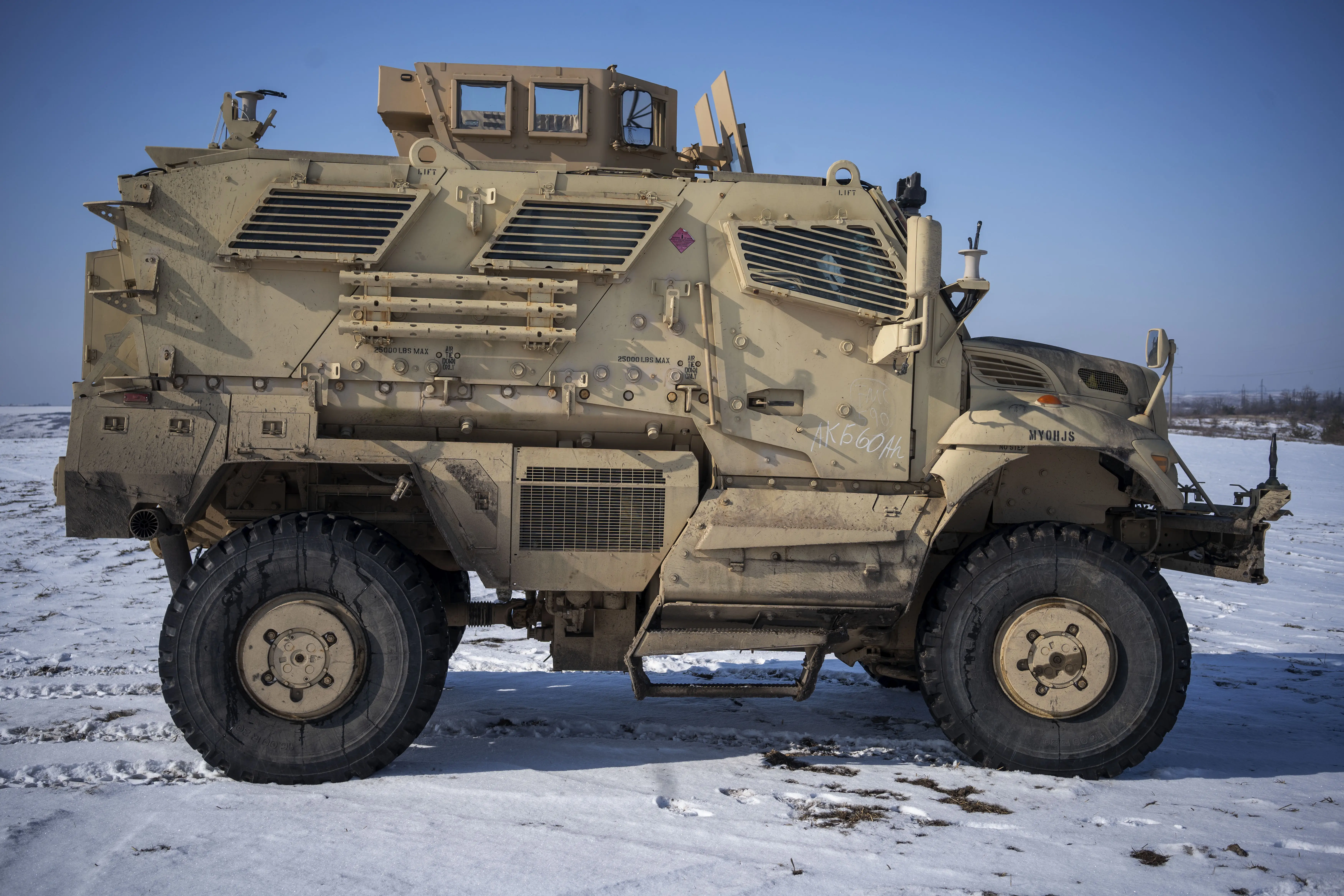
But what Ukraine is doing is the MRAP program “on steroids,” Barros said.
“That’s not something that Americans do. And I think we have to do something closer to that, especially if we were to get involved in a near-peer or a peer adversary war because the adversary will be innovating progressively against us,” he said.
Gil Barndollar, a non-resident fellow for military analysis at the think-tank Defense Priorities, said Ukraine’s “constant, extremely fast feedback loop” benefits from minimal interference from its defense ministry.
The US could also learn from that system, said Barndollar, though he cautioned that Ukraine fights on home soil with better access to its industrial base. Washington is building to fight expeditionary wars.
“Would we mimic some of their approach in the event of a major war?” Barndollar said. “Perhaps. I think we would move far faster, and perhaps accept more of a 70% solution mindset.”
“But that line often speaks to Silicon Valley consumer software, not people who have had to send people to war with their products in hand,” he added.
Translation by Maria Dubarets.
Read the original article on Business Insider
The post Ukraine’s mid-range drones are its new ace against Russia, but many don’t arrive war-ready, pilot says appeared first on Business Insider.