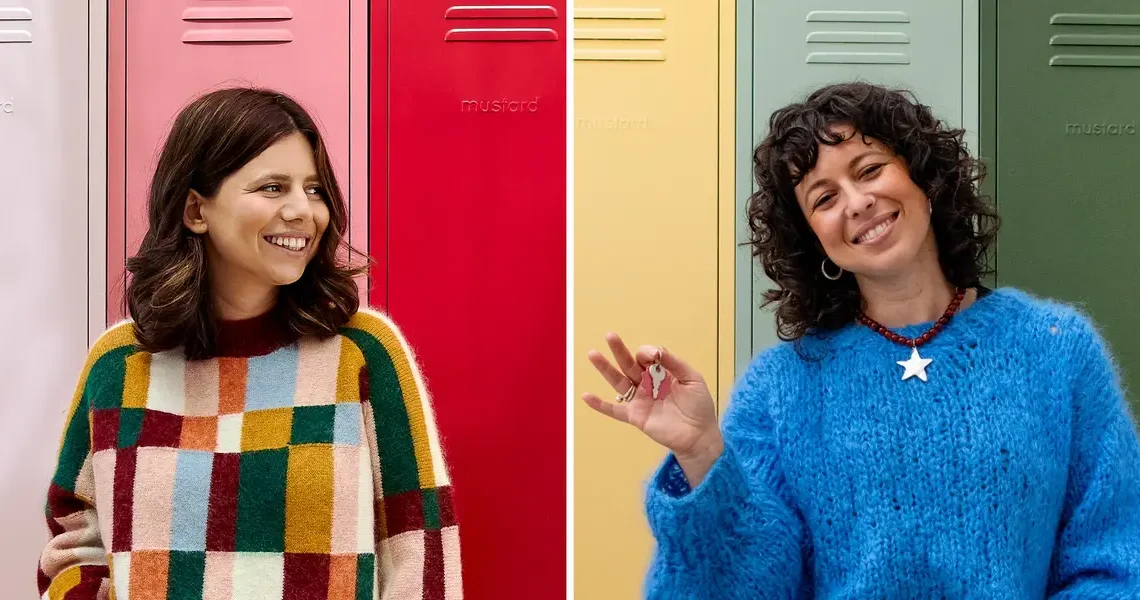

Becca Stern loved buying vintage lockers, but found they weren’t very practical for home storage.
She and her sister, Jess Stern, had often talked about starting a business together and saw an opportunity to reinvent them into something beautiful and functional for people to use in their homes.
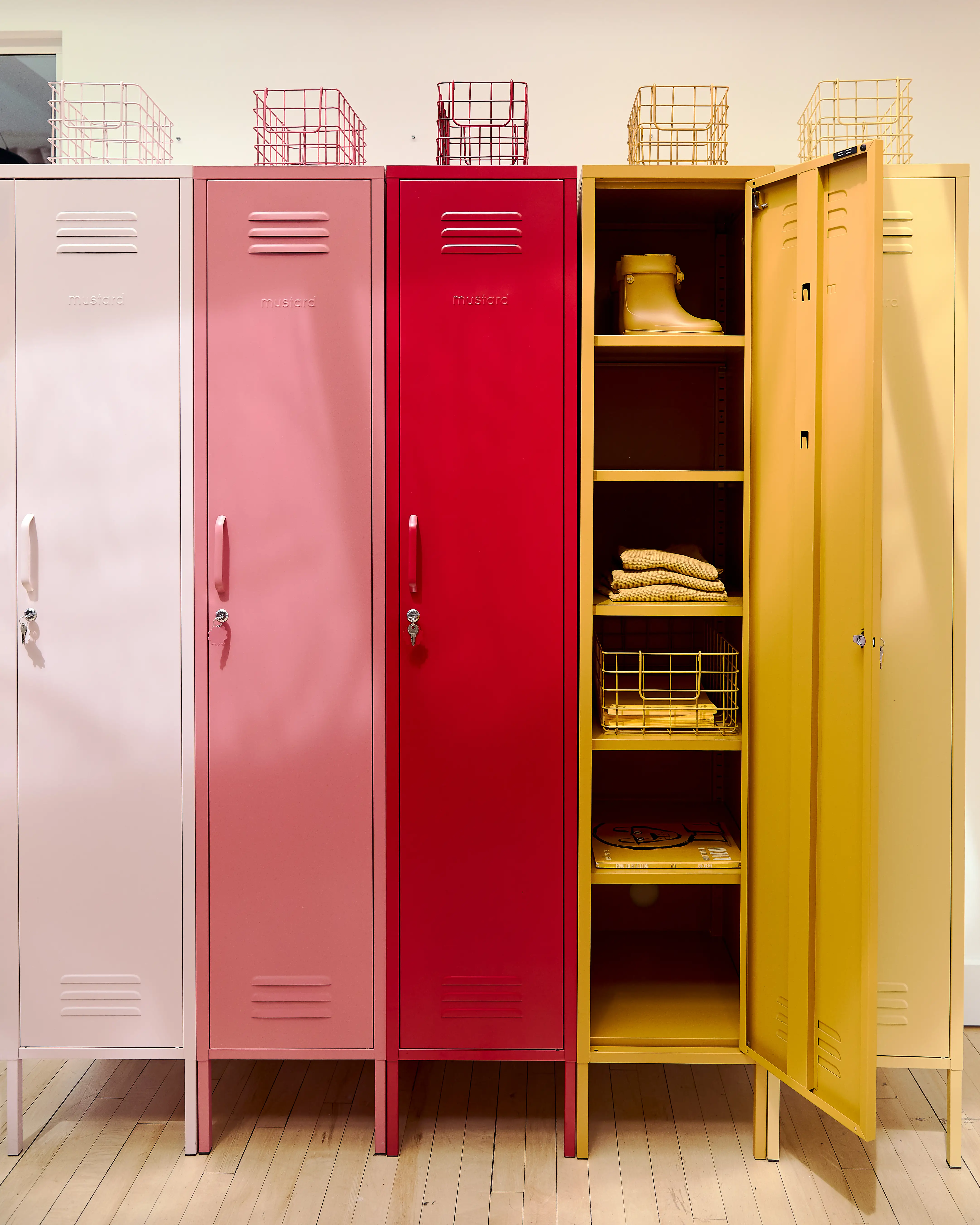
“Once we made the decision to start, things moved quickly,” Becca said. The sisters were working with no product development knowledge and no outside funding. They also overlapped for only a few hours each day, as Becca worked from Australia while raising her new baby, and Jess worked from the UK on the side of her full-time job. “There were lots of late-night calls and the feeling that we were always swimming in the deep end, constantly hitting new challenges and figuring out the best way forward,” she added.

Still, within a few months, they were in China meeting with potential manufacturers. They put about $25,000 AUD of their own savings into branding, samples, and a stand at a trade show in Sydney, officially launching their brand, Mustard Made, to the world in 2018.
They walked away from that show with over $200,000 AUD in orders. “That was the moment we realized we were onto something,” Becca told Business Insider. Six months later, Jess left her corporate career to go all in.
Since then, they’ve grown into a thriving global brand, spanning three continents with a team of nearly 40 employees and bringing in eight figures of revenue a year. The sisters told Business Insider about the two pivotal decisions that helped them expand their company.
They avoided trends
From very early conversations about the business, the Stern sisters decided they wanted to focus on timelessness over trends.
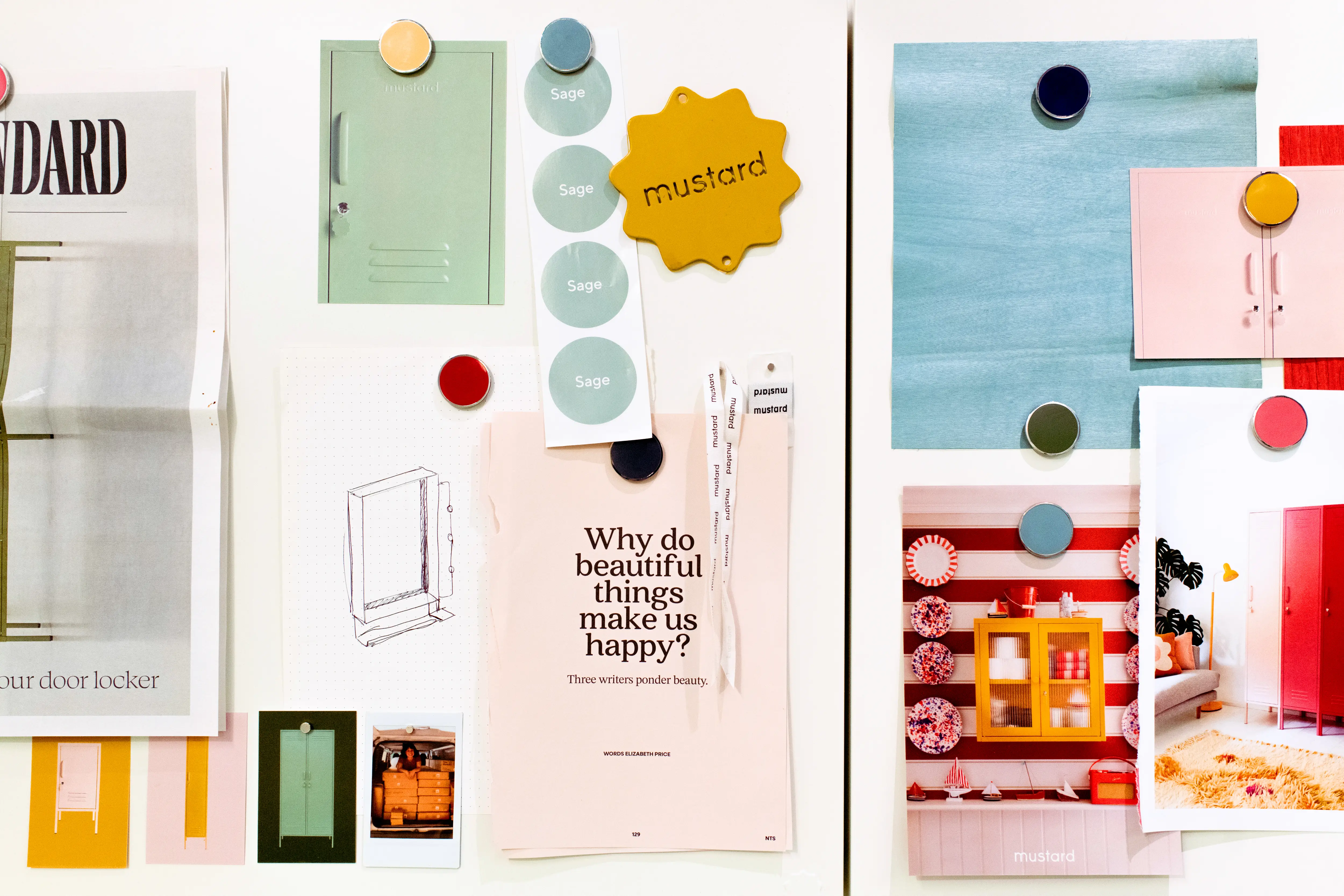
Given the “obsessive” amount of thought and energy they put into their products, they said they couldn’t imagine selling them for only six months before moving them to a sale section and phasing them out. They also questioned whether trend chasing really worked. “We’ve seen in the industry how hopping on trends can provide quick and exciting wins, but they can also date your product very quickly,” Becca said.
That clarity, they added, has helped them build a brand with a “cult following,” and a nearly 30% return customer rate that has only grown over time.

“When you see something go viral, it’s certainly tempting to think, ‘Should we be doing that too?'” Jess said, such as when “Brat Green” or “Barbie Pink” were taking over social media.
But the sisters said they want to stay close to the intentional design customers have come to love and expect from the business. They told Business Insider that they still sell every product and color they have ever launched, except for a limited rainbow launch in 2024 to raise money for an LGBTIQ+ organization.
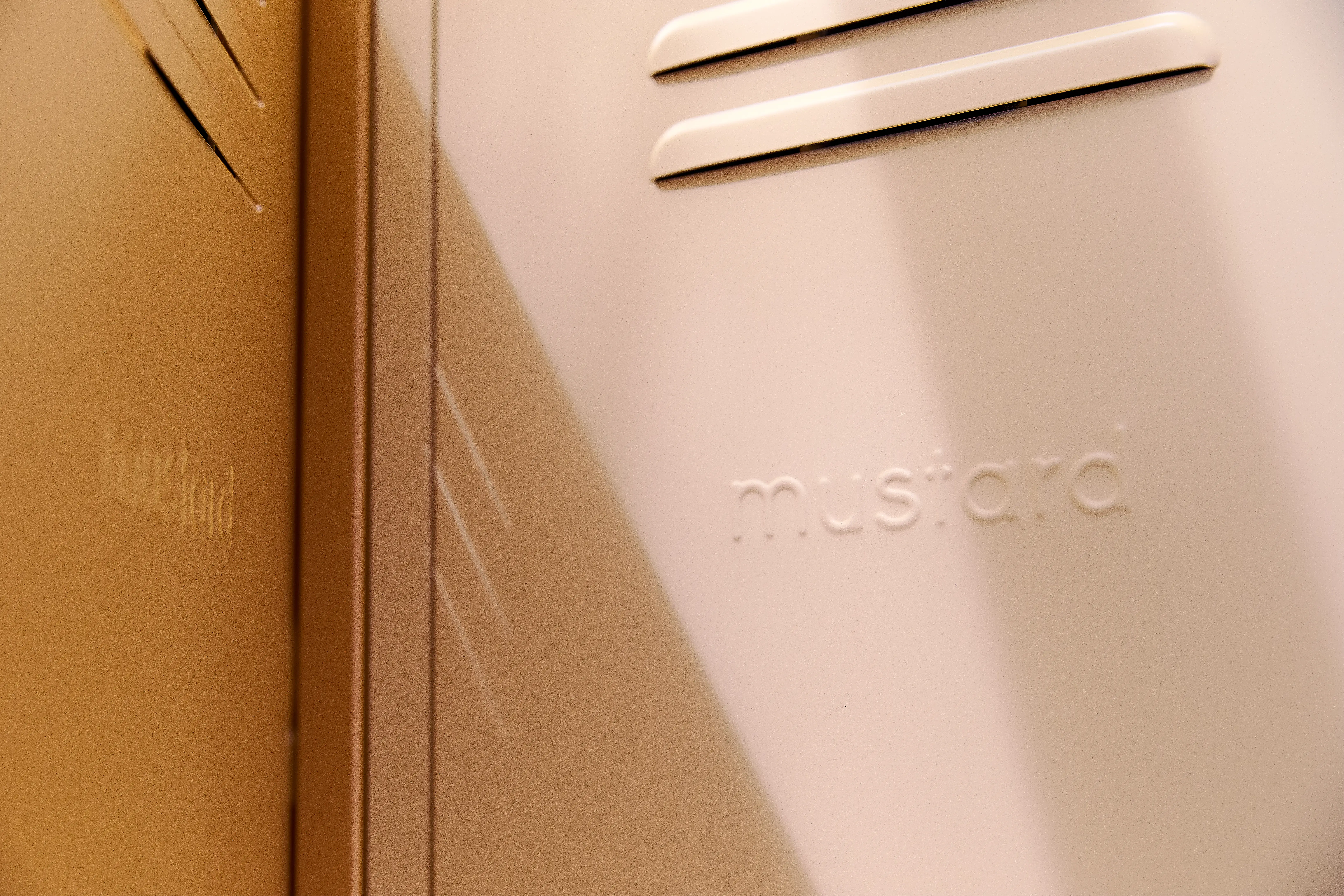
“Growth can sometimes dilute a brand, but we’ve worked hard to ensure that every decision still feels aligned with who we are,” Becca said.
They built as if they were bigger from day one
On the operations side, the sisters applied an internal pressure test they call “think x 10.” This is when they ask whether any given process, system, or approach would still work if Mustard were 10 times its current size. “It has saved us so many headaches and allowed Mustard to grow and expand globally,” Becca said.
Early on, that question pushed Becca and Jess toward a decision that felt uncomfortably big at the time: signing with a third-party logistics provider instead of managing warehousing from a shipping container in Becca’s backyard.
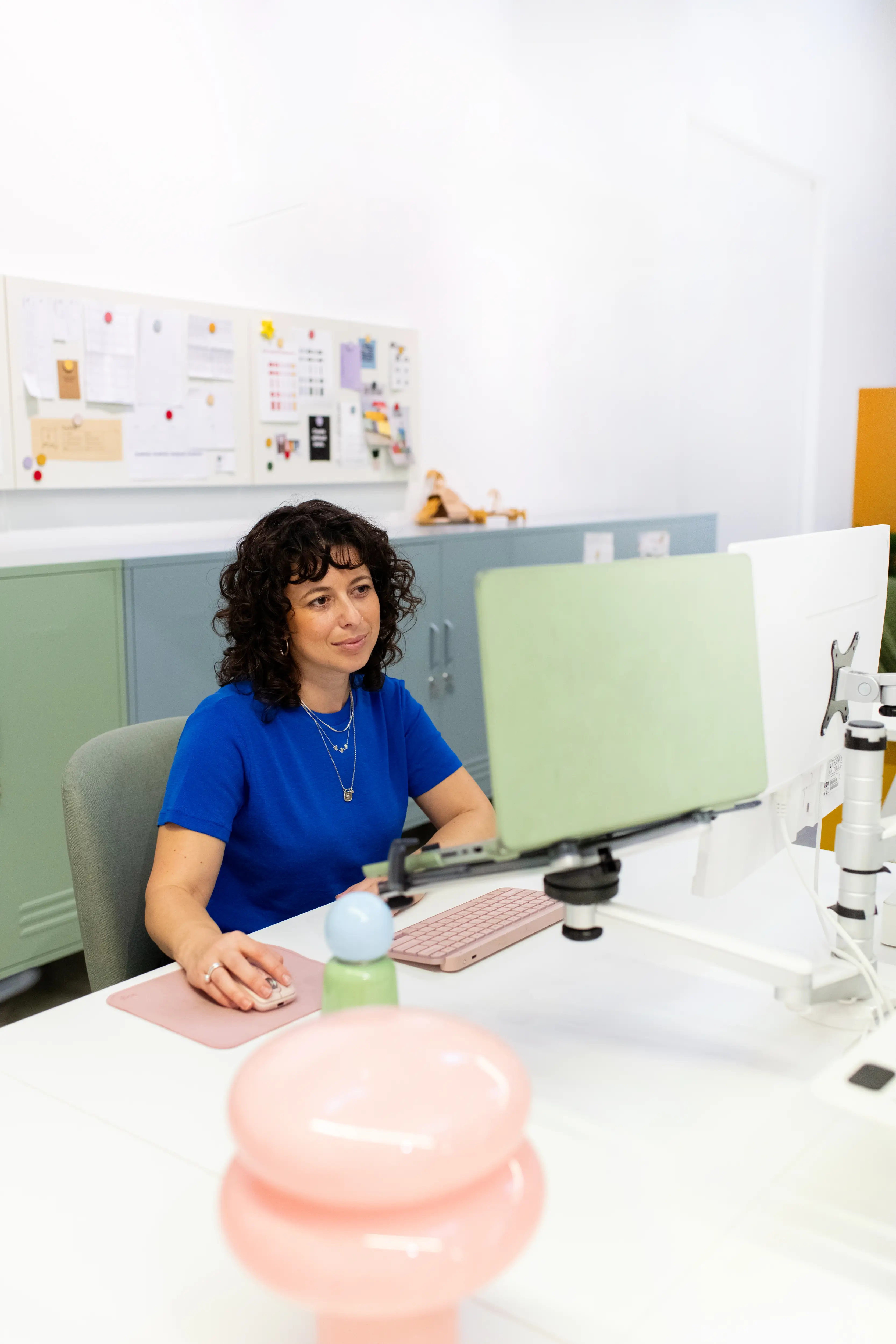
“It feels ridiculous now, but at that point, engaging with a third-party logistics provider felt like a really huge step,” Becca said. The “think x10” philosophy gave them the confidence to take the leap. The risk expanded Mustard Made’s ability to meet demand and scale. Now, the business has four third-party logistics warehouses with plans to expand to the East Coast. “It always blows my mind to see that the scale that once felt unachievable has now become our norm.”
The same logic applies to hiring. “Bringing in great people early has been key to scaling the business,” Jess said, adding that hiring before they felt ready, particularly in areas where the founders didn’t have expertise, is what allowed them to focus on the strategic areas of the business.

Becca frames the business’s underlying mindset as a three-step cycle. “Be optimistic, then pessimistic, then optimistic again. You have to have belief and hope to get moving, then you have to break it down from every angle to find all the possible ways it could go wrong,” she said.
“Once you’ve planned for the worst-case scenarios, you lean all in and enjoy the ride.”
Read the original article on Business Insider
The post How 2 sisters turned a love of vintage lockers into an eight-figure business appeared first on Business Insider.