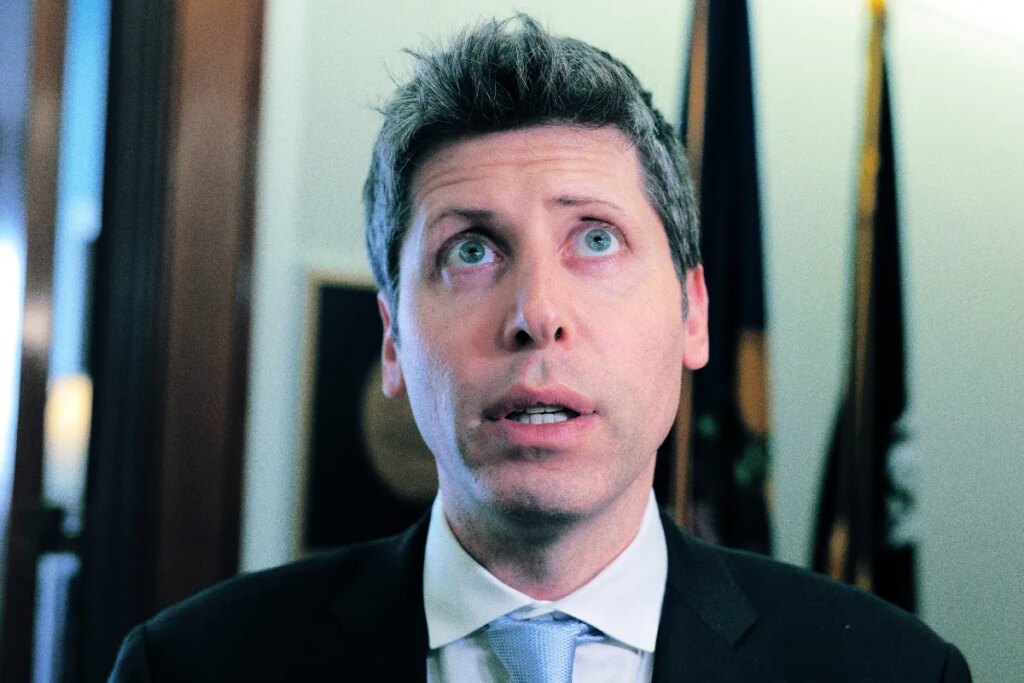
In November 2023, OpenAI CEO Sam Altman was unceremoniously forced out of the company following a dramatic power struggle.
Since Altman’s ousting — and eventual rehiring — the conversation surrounding the ethics of the AI industry has only become more polarizing. OpenAI, once a research lab “free from financial obligations” and purportedly dedicated to the betterment of humankind through AI, transformed itself into a for-profit, raising staggering amounts of capital while largely betraying its nonprofit roots. Meanwhile, environmental and social concerns have been pushed to the wayside, as AI companies press for the construction of massive, polluting data centers even in the face of ferocious local opposition.
After raising hundreds of billions of dollars, OpenAI — alongside its closest competitors, Anthropic and xAI parent company SpaceX — are set to go public this year, further raising the stakes by opening themselves up to the influence of retail and activist investors. The companies’ fiduciary duty to generate value could soon further undermine any lingering commitments to the ethical development of AI, likely setting the stage for their leaders shedding any pretense of a corporate moral compass.
Then there are ongoing concerns over AI safety. We’ve already seen companies playing it fast and loose as they attempt to gain a competitive edge, an approach that has already led to tragic outcomes.
“At OpenAI you’ve had this sort of governance struggle that resulted in, among other things, Sam Altman being fired and rehired,” argued the New York Times‘ Kevin Roose during a recent episode of the “Hard Fork” podcast. “At Anthropic, they have sort of made themselves a public benefit corporation to try to kind of lessen the influence of sort of shareholder capital and fiduciary duty on their ability to make decisions related to safety.”
“But I think all of that just gets much harder in a world where these are publicly traded companies that big investors, index fund holders, and retirees are invested in,” Roose added, arguing it was “already going to be hard” to slow down the release of new models given the “enormous sums of money that these companies have raised.”
On the flip side, others predict that the massive wave of funding could lead to a surge in altruistic spending, a “third wave of philanthropy.” All of Anthropic’s seven cofounders have pledged to give away 80 percent of their wealth, with CEO Dario Amodei arguing that the “thing to worry about is a level of wealth concentration that will break society.”
Some argue that all of that extra liquid cash could be used for decarbonization and the development of new green energy tech, a pertinent subject considering the AI rush’s rapidly growing carbon footprint.
“It is not lost on the people who are working on AI that there are big environmental impacts associated with data centers,” Trellis Climate managing director Lara Pierpoint told Heatmap News.
Of course, whether tech leaders will hold themselves accountable once their firms go public remains to be seen. But given the way the AI industry has already doubled down on generating as much money as possible, safety and the environment be damned, long before the imminent IPOs, it’s far from a guarantee.
More on AI ethics: You Can Now Get a Religious Exemption From Using AI at Work
The post If You Think AI Companies Are Unethical Now, Wait Until They Go Public appeared first on Futurism.