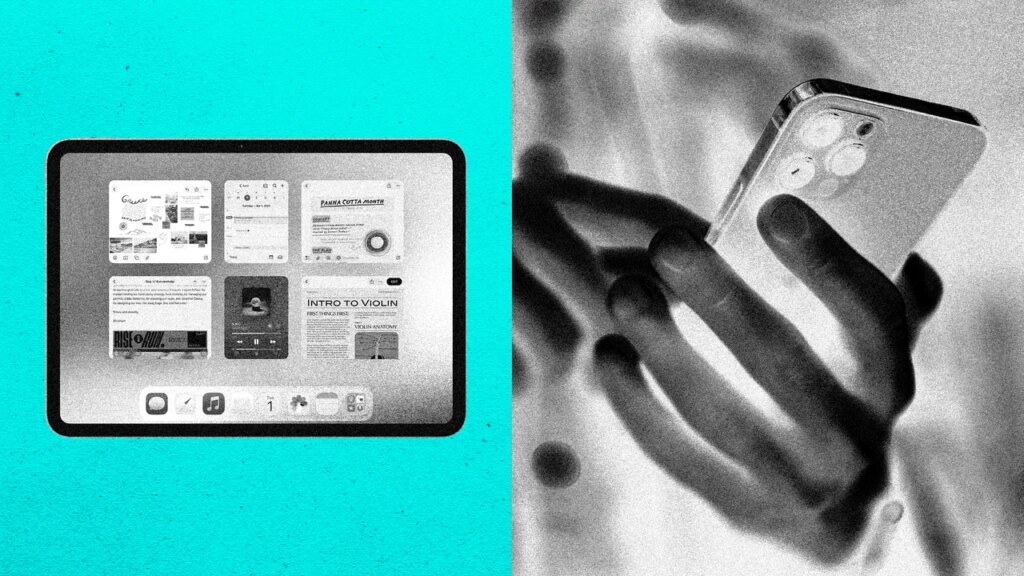
Hackers poking around in iOS 26 recently uncovered something Apple definitely didn’t intend anyone to see: every modern iPhone is running the operating system Apple’s upcoming “iPhone Fold” will likely use. Which means these phones are—right now—already capable of running a full, fluid desktop experience.
From a performance standpoint, that shouldn’t be surprising. At Apple’s September 2025 event, the company claimed the A19 Pro chip inside the iPhone Air and iPhone 17 Pro offers “MacBook Pro levels of compute.” And that iPhone chip is reportedly destined to power a cheaper MacBook in 2026. The line between Apple’s hardware is being further blurred, then—but what’s wild is that the software side of things has blurred completely too. It’s just that nobody realized.
For years, Apple has insisted that iOS and iPadOS are distinct, despite sharing code and habitually borrowing each other’s features. But a self-proclaimed “tech geek” on Reddit who got iPad features running on an iPhone claimed they’re not merely similar—they’re essentially the same: “Turns out iOS has all the iPadOS code (and vice versa; you can for instance enable Dynamic Island on iPad).”
The hack relies on an exploit that tricks the iPhone’s operating system into thinking it’s running on an iPad. That unlocks smallish tweaks such as a landscape Home Screen, an iPad-style app switcher, and more Dock items. But it also provides transformative changes such as running desktop-grade apps that aren’t available for iPhone, full windowed multitasking, and optimal external display support. All without Apple Silicon breaking a sweat.
Deskblocked
The exploit is already patched in the iOS 26.2 beta, and the Redditor accused Apple of locking out iPhone users and artificially limiting older devices to push upgrades. But are things really that simple?
It’s not like the “phone as PC” dream is new. Android’s been chasing it since DeX debuted in 2017. Barely anyone cares. So why should Apple? Perhaps the concept is a niche nerd fantasy. And there’s the longtime argument that if you want to do “proper” work, you need a “proper” computer. If even an iPad can’t replace a computer, how can an iPhone?
Except, as WIRED demonstrated, an iPad can replace a computer for plenty of people—you just need the right accessories. It therefore follows the same is true for an iPhone running the exact same software. But where will any momentum for this future come from?
Android 16 is technically ready for another crack at desktop mode, with a new system that builds on DeX. But even now, having finally escaped beta, it’s buried in developer settings. That might be down to the grim state of big-screen Android apps, or the desktop experience itself feeling, politely, “rocky.”
Paradoxically, Apple appears to be further ahead despite never announcing any of this. It already has a deep ecosystem of desktop-grade iPad apps. And the iPad features running on iPhone already look polished. Sure, some interface quirks remain, and you might need to file your fingers to a point to hit window controls. But the performance is fast, fluid, and snappy. So if the experience is this good, why is Apple so determined to hide it?
Profit by Design
One argument is practical. Apple likes each device to be its own thing, optimized for a specific form factor. It’s keen to finesse the transition between platforms rather than have one device to rule them all. A phone lacks a big screen and a physical keyboard. Plugging those things in on a train isn’t as elegant as opening a MacBook or using an iPad connected to a Magic Keyboard. However, with imagination, you can see the outlines of a new ecosystem of profitable accessories for a more capable iPhone.
But Apple hasn’t got where it has by selling accessories nor by making a market for others to do so. Most of its profits come from a long-running strategy to nudge people into buying more hardware that coexists. It doesn’t want you to choose between an iPhone, an iPad, a MacBook Air, and an iMac. It wants you to buy all of them.
But if an iPhone can do iPad things, maybe someone won’t buy an iPad. If iPads act too much like Macs, people might not buy as many Macs. Strategically chosen—if sometimes artificial—limits and product segmentation have pride of place in Cupertino’s rulebook. A convergence model could knock user experience and simplicity; but Apple would likely be more fearful of how it could negatively impact sales.
Hidden Potential
That all said, perhaps there is another explanation: Apple is saving this for an inflection point—the iPhone Fold. Rumors suggest that Apple has solved the “screen crease” problem and will in 2026 ship a foldable with a 7.8-inch, 4:3 display that’s similar to (but sharper than) the iPad mini’s.
A tablet-sized display that doesn’t let you multitask like on an iPad would be absurd, especially on a device likely to cost two or three times more than an actual iPad mini. Doubly so if Apple puts last year’s iPhone chip into a MacBook that will have a full desktop environment and support at least one external display.
And for anyone fretting about being forced into a more desktop-style iPhone, Apple already solved that problem. It killed the Steve Jobs vision of the iPad that sat between two computing extremes by letting users switch modes. The iPhone could follow suit, defaulting to its original purist mode while allowing power users to tap into windowing and external device support.
These hacks, then, have given us a window into the iPhone Fold operating system and other aspects of a possible Apple future. They show that iPad features on iPhone already look slick and make complete sense. And the crazy thing is they’re in your iPhone’s software right now. Next year, they’ll almost certainly be unleashed on the most expensive iPhone Apple has ever made. The question is whether Apple will let regular iPhone users have them, too.
The post Your iPhone Already Has iPhone Fold Software, but Apple Won’t Let You Use It appeared first on Wired.