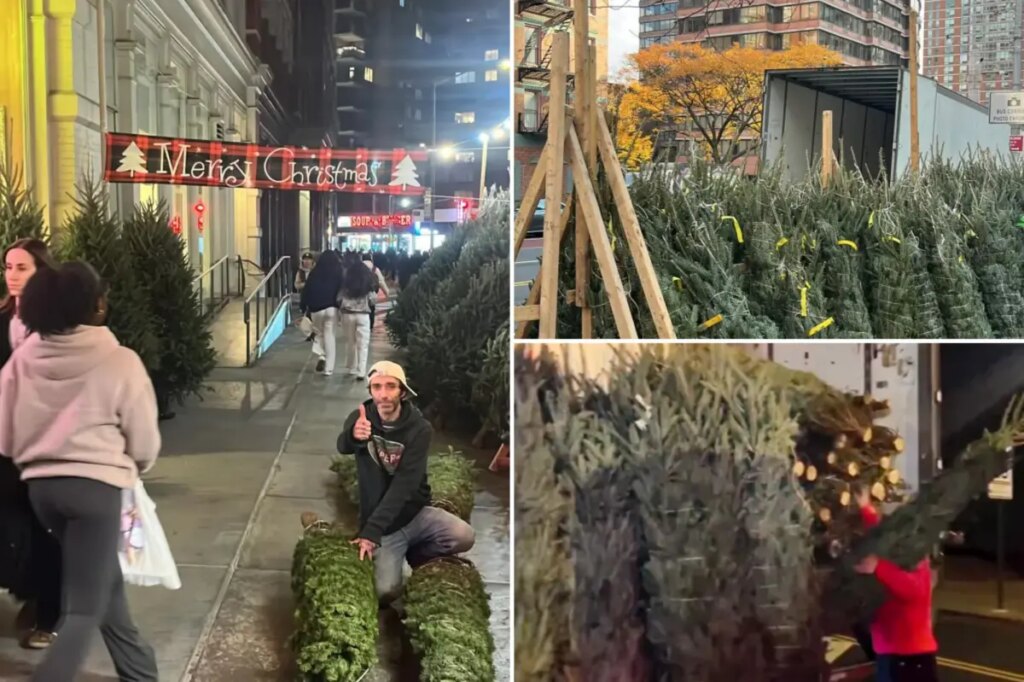
Scores of Christmas tree slingers have descended on Gotham’s streets well before Thanksgiving, breaking a rarely-enforced city administrative code which bans their streetside sale, The Post has learned.
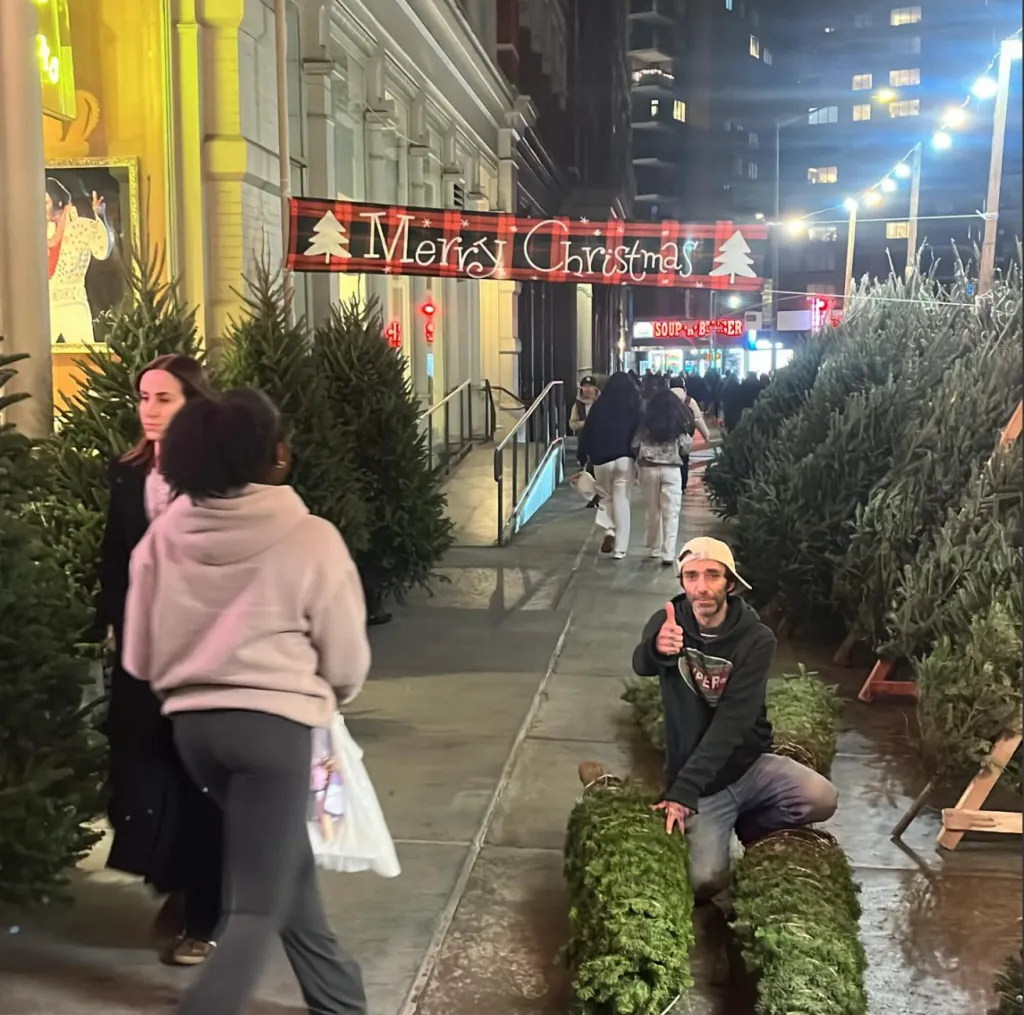
The rule, established in 1938 during a crackdown on street vending, prohibits the sidewalk sale of trees until December – though plenty of spruces, balsams and firs have been peddled by longtime vendors across the Big Apple beginning in November.
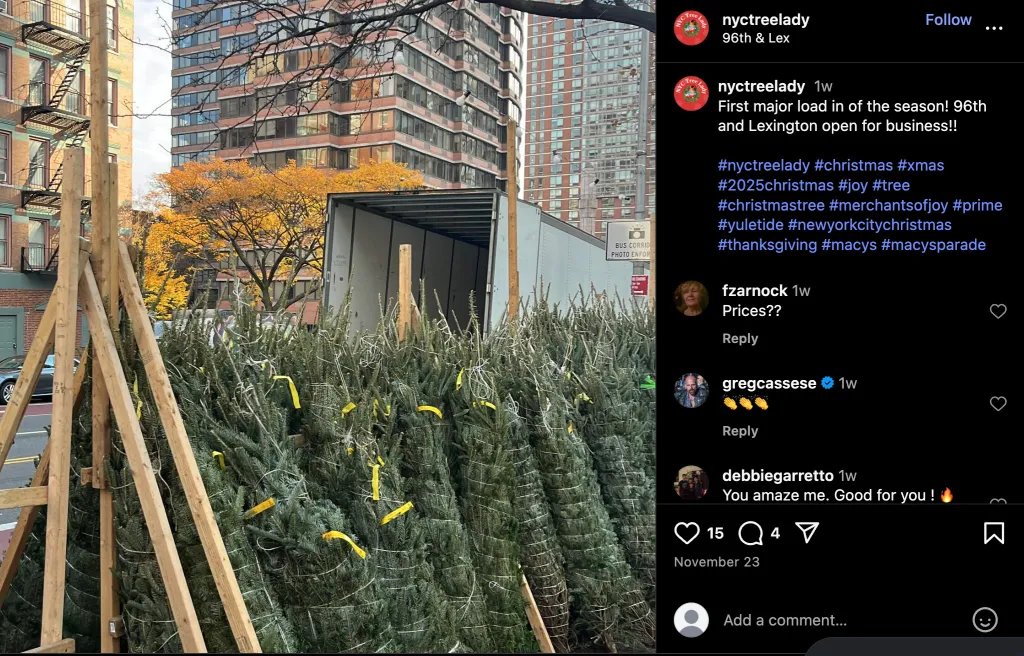
NYC Tree Lady, run by sales veteran Heather Neville, has been selling trees on the Upper East Side and Astor Place since before Thanksgiving. A rep for the company confirmed all six of its outdoor outposts were open by Nov. 30.
Greg’s Trees, another longtime Christmas tree-slinging business, announced the “wait is over” for its outdoor sales on Nov. 23 in Brooklyn and the Lower East Side.
SoHo Trees has similarly sold trees across Tribeca, Gramercy Park, Greenwich Village and the Upper West Side during November, from a mix of parks, streetside locations — and its “flagship” lot on Varick Street.
The businesses did not immediately return The Post’s requests for comment.
A city Department of Sanitation rep confirmed that it enforces street vending laws “with a focus on situations where vending has created dirty conditions, safety issues, items being left out overnight,” while eradicating sale setups “that block curbs, subway entrances, bus stops, sidewalks or store entrances.”
The rep noted “much” of the agency’s enforcement, however, is driven by complaints from 311 requests, business improvement districts, community boards and elected officials — and therefore it has generally ignored illegal tree sales this season.
The single complaint they received – for a Flatbush Avenue tree sale in Park Slope – led to a summons on Nov. 21, the rep confirmed, adding that anyone who observes dirty, dangerous or illegal sidewalk conditions should report it to 311.
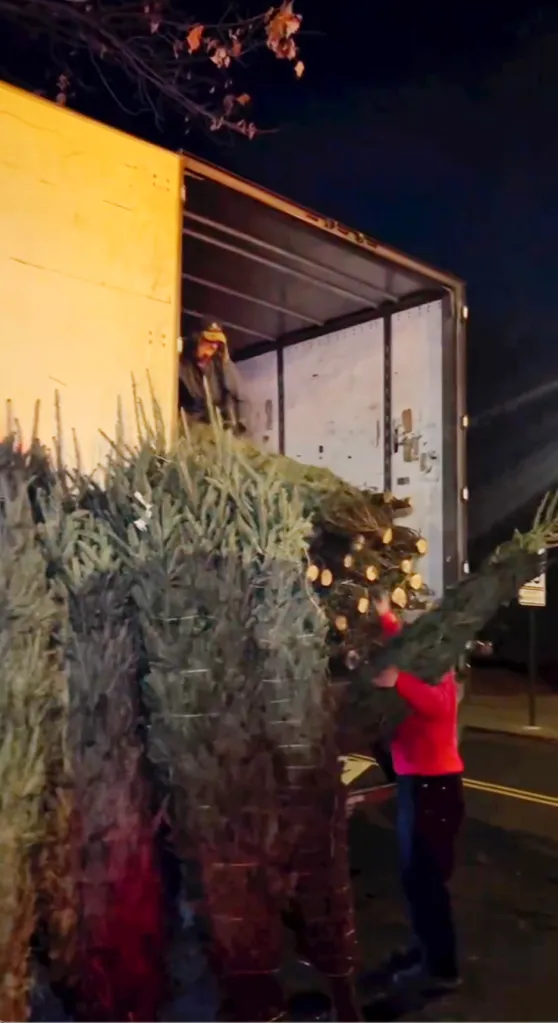
Most tree complaints are made during January and February, when tossed trees awaiting garbage collection block streets and sidewalks.
A Department of Transportation rep said that a clear path must be maintained on the sidewalk for pedestrian traffic, and any encroachment complaints would be reviewed by the agency.
The so-called Christmas Tree law began when then-mayor Fiorella La Guardia ordered tree vendors to obtain difficult-to-acquire licenses. After the city’s tree supply withered away, the City Council passed the amendment:
“Storekeepers and peddlers may sell and display coniferous trees during the month of December … on a sidewalk,” the law reads, in part.
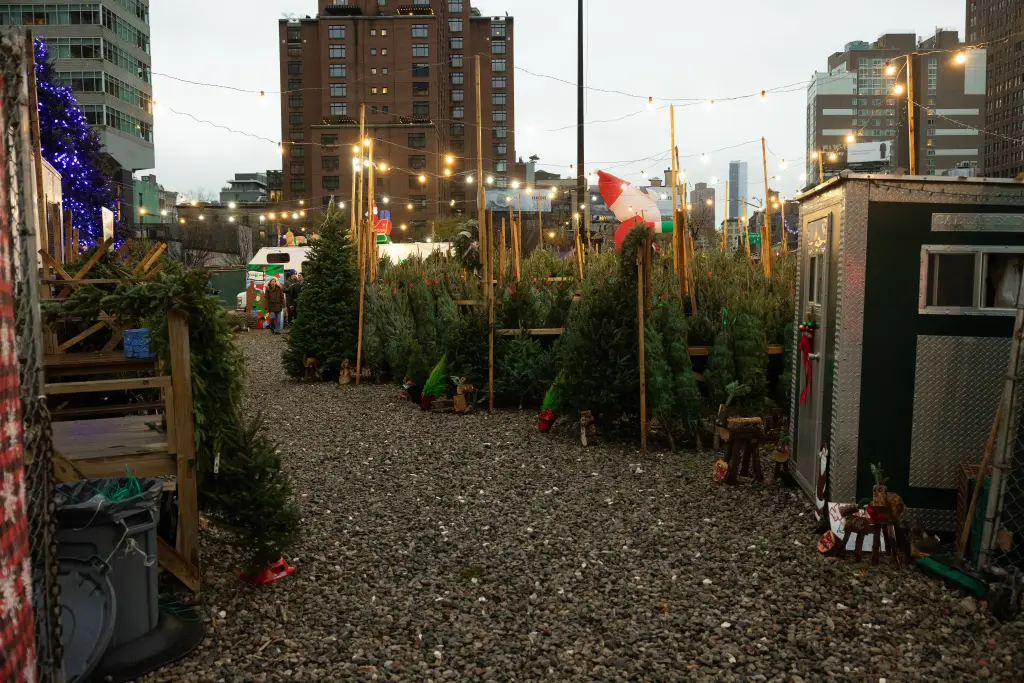
As a result, modern-day Christmas tree vendors don’t need a general vendor license to sell on a public sidewalk in December – but they still can’t block the sidewalk, and need an owner’s permission to sell if they’re in front of a business, according to the city’s website.
The same law grants permission to merchants slinging palm, myrtle and willow branches in September and October for the observation of the Sukkot Jewish holiday.
However, even during the month of December, some neighborhoods may be fresh out of Christmas tree luck due to the law’s list of streets where vendors are barred year-round.
Some of those thoroughfares include sections of Mermaid Avenue in Brooklyn, Fresh Pond Road in Queens and Delancey Street in Manhattan.
The post Little-known ‘Christmas Tree Law’ bans sidewalk sales in NYC before this date – but it hasn’t stopped a flurry of early sales appeared first on New York Post.