A case of New World screwworm has been found in Texas six decades after the flesh-eating pest was largely eradicated in the United States, sparking an aggressive response amid fears about its potential impact on the livestock industry.
The U.S. Agriculture Department confirmed the parasite was detected in the umbilical area of a 3-week-old calf in Zavala County. There have been no further cases detected, and efforts are underway to contain and eradicate it, the agency said in a statement Wednesday.
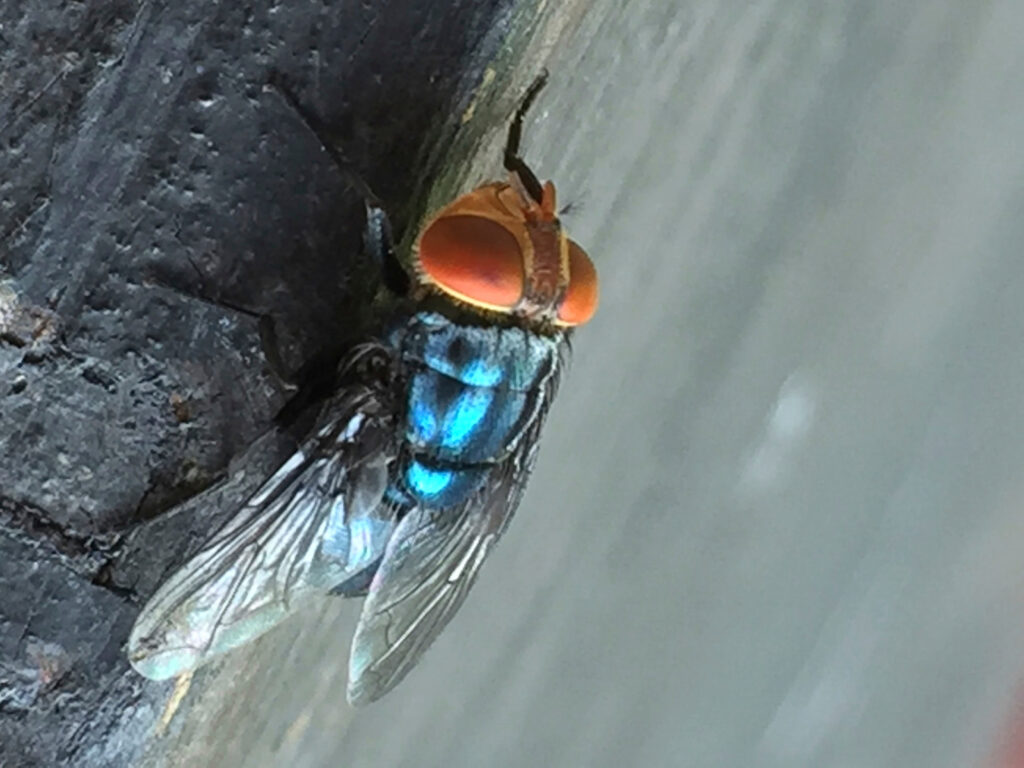
New World screwworm is a parasitic fly that affects livestock, pets and wildlife, as well as people in rare cases. It lays eggs in open wounds or orifices, with the hatched maggots burrowing into and feeding on flesh.
It’s typically found in South America and parts of the Caribbean but has moved north through Central America and Mexico since 2023, according to the Centers for Disease Control and Prevention.
The U.S. eradicated New World screwworm in 1966, according to USDA, though there was an outbreak in Florida in 2016-2017 that mostly affected deer. Last year a rare human case was confirmed in a Maryland resident who had traveled to El Salvador.
For more than a year, USDA has been leading an effort to prevent the pest from entering the U.S. from Mexico. About 1.2 million young Mexican cattle had crossed into the U.S. each year, until a cow in southern Mexico tested positive in November 2024, prompting a blockade that upended the cattle trade between the two countries.
Officials have also ramped up production of sterile flies, which by mating with the existing population can prevent the production of larvae. Females mate only once in their lifetime.
In February, USDA announced the completion of a new sterile fly dispersal facility in Texas. At the time, Agriculture Secretary Brooke Rollins said the Trump administration would bring the government’s “full force” to fighting the pest’s spread.
Modeling had predicted that New World screwworm would enter the U.S. last year, according to Dudley Hoskins, USDA undersecretary for marketing and regulatory programs, but preparations meant officials were able to “buy time for this moment.”
“USDA invested heavily in the tools needed to eliminate NWS ever since cases started increasing in Central America and Mexico. The United States has defeated this pest before, and we will do it again,” he said in the USDA statement, which noted that there is no risk to the food supply and emphasized that supplies of meat, poultry and eggs are safe.
But Texas Agriculture Commissioner Sid Miller criticized the USDA response as being too slow and bureaucratic to prevent the pest spreading onto American soil. “For months, the screwworm has advanced rapidly through Mexico in spite of the USDA’s existing gameplan,” Miller said in a statement Wednesday. He called for President Donald Trump to take control of the response “and throw every available federal resource at this threat before it becomes a full-blown agricultural disaster.”
Officials are working to establish a control zone around the detected case and increase surveillance in the area. Residents are being urged to check their pets and livestock for signs of larvae and contact officials if they suspect an infection.
Although human cases are rare, anyone with suspicious lesions or other reason to suspect an infection should seek medical attention, USDA said.
The post Flesh-eating screwworm found in Texas, sparking fears for U.S. cattle appeared first on Washington Post.