Mayor Zohran Mamdani is expected to announce a major road redesign on Tuesday that would improve bus speeds along one of the busiest corridors in Manhattan — a project that the Trump administration had warned the city not to pursue.
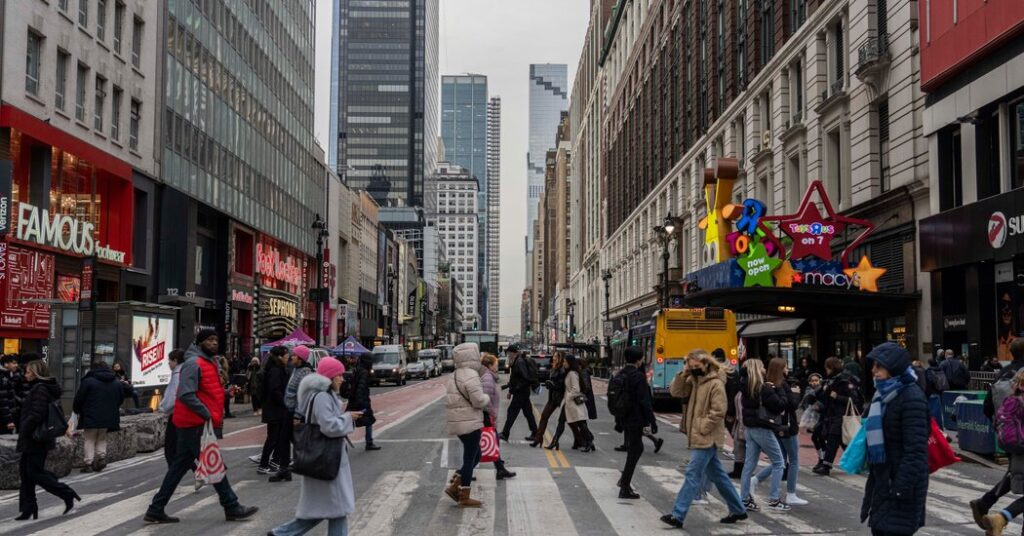
The city plans to build a dedicated “busway” — lanes reserved for buses, emergency vehicles and trucks during peak travel times — on a one-mile stretch of 34th Street between Third and Ninth Avenues. Similar redesigns elsewhere in the city have already been shown to improve traffic speed.
The project is the mayor’s latest effort to make good on a campaign promise to bring “fast and free” buses to New York, which has some of the slowest buses in America.
“Too many New Yorkers spend too much time waiting on buses stuck in traffic,” Mr. Mamdani said in a statement. “The 34th Street busway will change that, turning one of our most congested bus corridors into one that actually moves.”
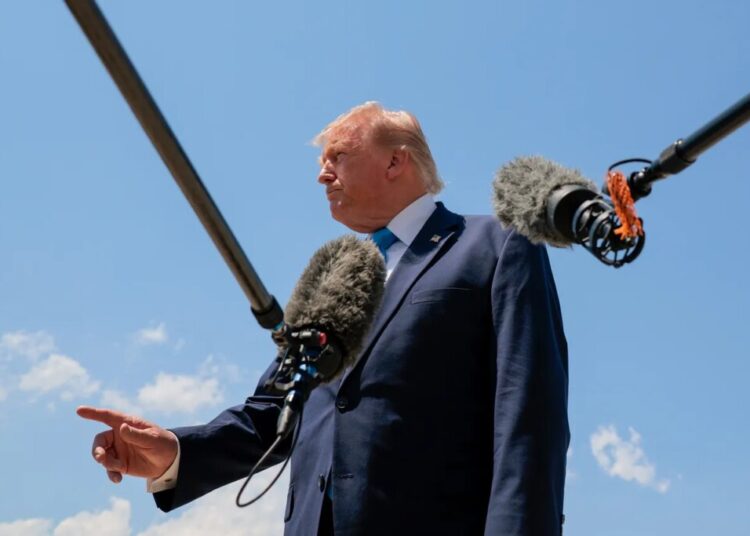
The decision comes seven months after the city’s transportation department, under Mayor Eric Adams, suspended the plan, citing a need to review the details with the federal government. The Trump administration ordered the city last year not to proceed, because of concerns about how the plan could affect road access for trucks and emergency vehicles.
In October, the Federal Highway Administration, part of the U.S. Department of Transportation, said in a letter to city officials that the 34th Street corridor was part of the national highway system, and therefore subject to their review. The agency threatened to withhold unspecified federal funding if the project did not address its concerns.
Jeremy M. Edwards, a spokesman for the mayor, said the city had “been in active communications with the federal government” to restart the project. To address their concerns, Mr. Edwards said the city would add the plan to a list of state projects, called the Transportation Improvement Program, “so it can be incorporated into federal transportation planning documents.”
Otherwise, the plan’s design has not changed, Mr. Edwards said.
Melissa Braid, a spokeswoman for the Federal Highway Administration, did not respond to questions about its discussions with the city concerning the busway, but confirmed it had been in touch with the city.
“We received NYCDOT’s letter today and are currently reviewing it,” she said in a statement on Monday.
Critics have argued that a busway could push more traffic onto neighboring streets, causing congestion elsewhere. But the city’s Transportation Department has said the project would free up curb space for deliveries and help reduce traffic bottlenecks.
The agency said in a statement that it would begin a public outreach campaign about the project in June, install new street infrastructure this summer and complete construction by the end of fall.
By prioritizing public transit, the redesign is expected to speed up bus service for more than 28,000 daily bus riders. The average bus speed in New York City hovers around eight miles per hour. But the M34, one of the 34th Street routes, averages about five m.p.h. — slower than some people run.
In a version of the plan revealed last year, the city said the redesign could improve bus speeds on the corridor by up to 15 percent.
Similar road redesigns suggest even bigger improvements are possible. On the 14th Street busway, which opened in 2019, bus speeds increased by up to 24 percent and reduced crashes along the stretch by 42 percent, according to the city’s Transportation Department.
Betsy Plum, the executive director of Riders Alliance, a transportation advocacy group that supported the project, said the decision was “great news” and a sign that the mayor is serious about improving bus speeds.
Busways, she said, are “a win for everyone.”
New York City buses carry an average of 2.6 million riders per weekday, according to the Metropolitan Transportation Authority.
The 34th Street busway is expected to run along the crowded commercial stretch that includes the sprawling department store Macy’s Herald Square, and would be active every day from 6 a.m. to 10 p.m. During off-peak hours, other vehicles would be allowed to travel in the reserved bus lanes.
The advancement of the 34th Street project could also mean that similar road redesign projects that also faced the threat of federal intervention could soon move forward. Transit advocates had worried that a busway proposal for Tremont Avenue in the Bronx, the city’s most bus-dependent borough, might get mothballed, because the road is also part of the federal highway system.
“We’ll have more to share on Tremont soon,” Mr. Edwards said.
Stefanos Chen is a Times reporter covering New York City’s transit system.
The post Mamdani Advances a Bus Lane Plan That the Trump Administration Blocked appeared first on New York Times.