Although air conditioning and modern swimsuit styles are relatively recent developments, some things about summer in America haven’t changed much.
Summer traditions like going to the beach and boardwalk have been mainstays in American society for well over a century. The first boardwalk in the US was built in Atlantic City, New Jersey, just five years after the Civil War ended.
As the town became a popular summer attraction, the boardwalk was originally constructed “as a means of keeping sand out of the railroad cars and hotels,” according to Atlantic County’s government. Other spots like Coney Island, New York, would also see a boom in the 20th century.
Americans have also long enjoyed the simple summer pleasures of warm-weather activities like camping trips, albeit with more rudimentary gear than today.
Photos from the past century also reveal how people stayed cool before air-conditioning became widely common in American homes. Whether it was standing next to giant blocks of ice or running through open fire hydrants, families were forced to get creative in the summer heat.
See 33 vintage photos of summer in the US.
Going to the beach has long been a quintessential summer activity.
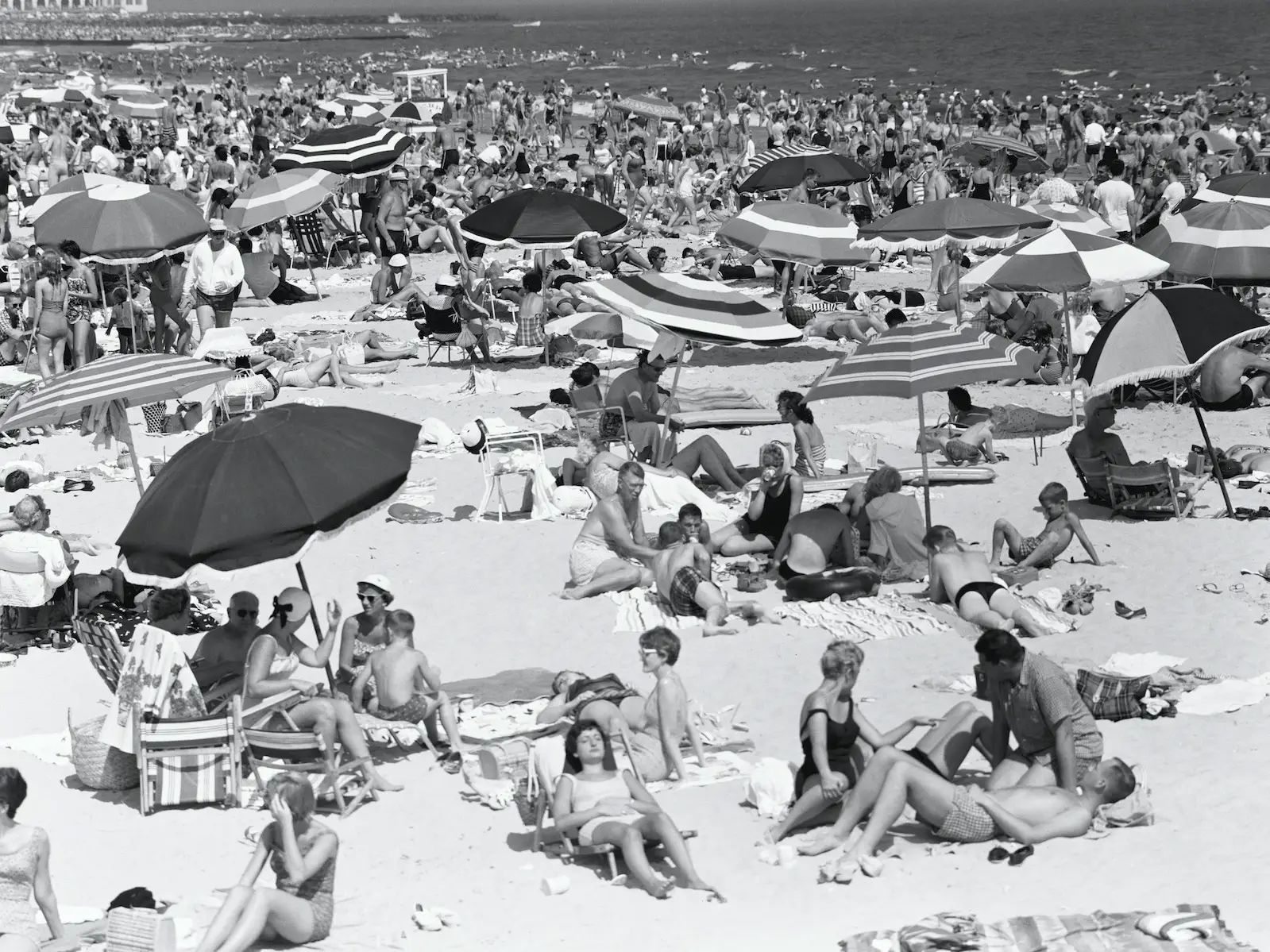
The beach was historically considered part of the wilderness, Smithsonian Magazine reported, and thus an undesirable place for humans. It wasn’t until the mid-18th century that Europeans began to speak of the beach’s positive qualities and interest grew.
The beach became a sought-after picnic destination.
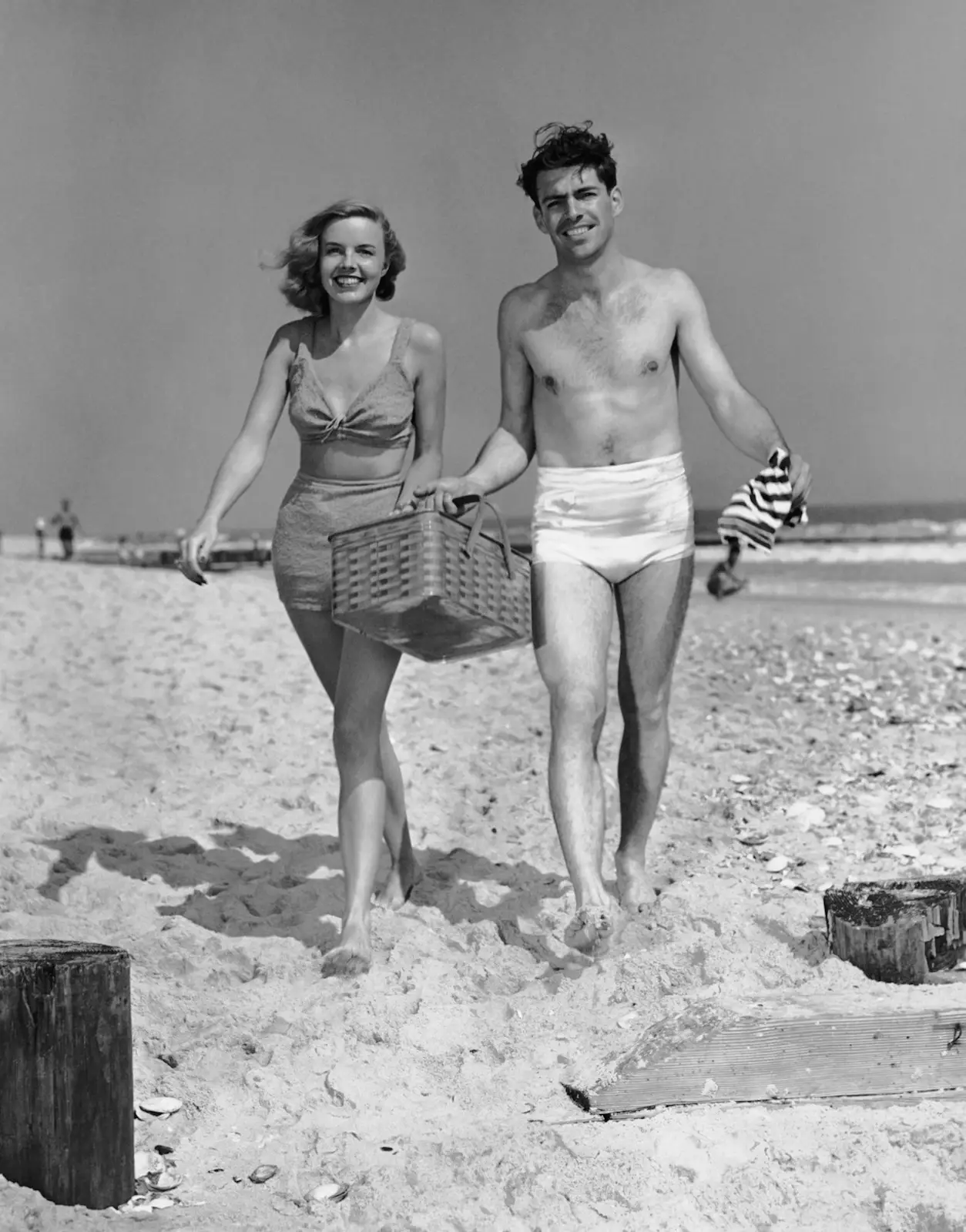
People have enjoyed eating outdoors for centuries, but the modern picnic basket is a relatively recent innovation, according to research librarian and food historian Lynne Olver.
“The largest [woven baskets] seem to resemble trunks, and that might be where we get the picnic hamper from,” Olver told NPR in a 2013 interview. “Picnic basket kits as we know today — having placeholders for dishes and silverware and glasses and napkins — actually begin to appear at the very dawn of the 20th century.”
People also enjoyed sports on the beach.
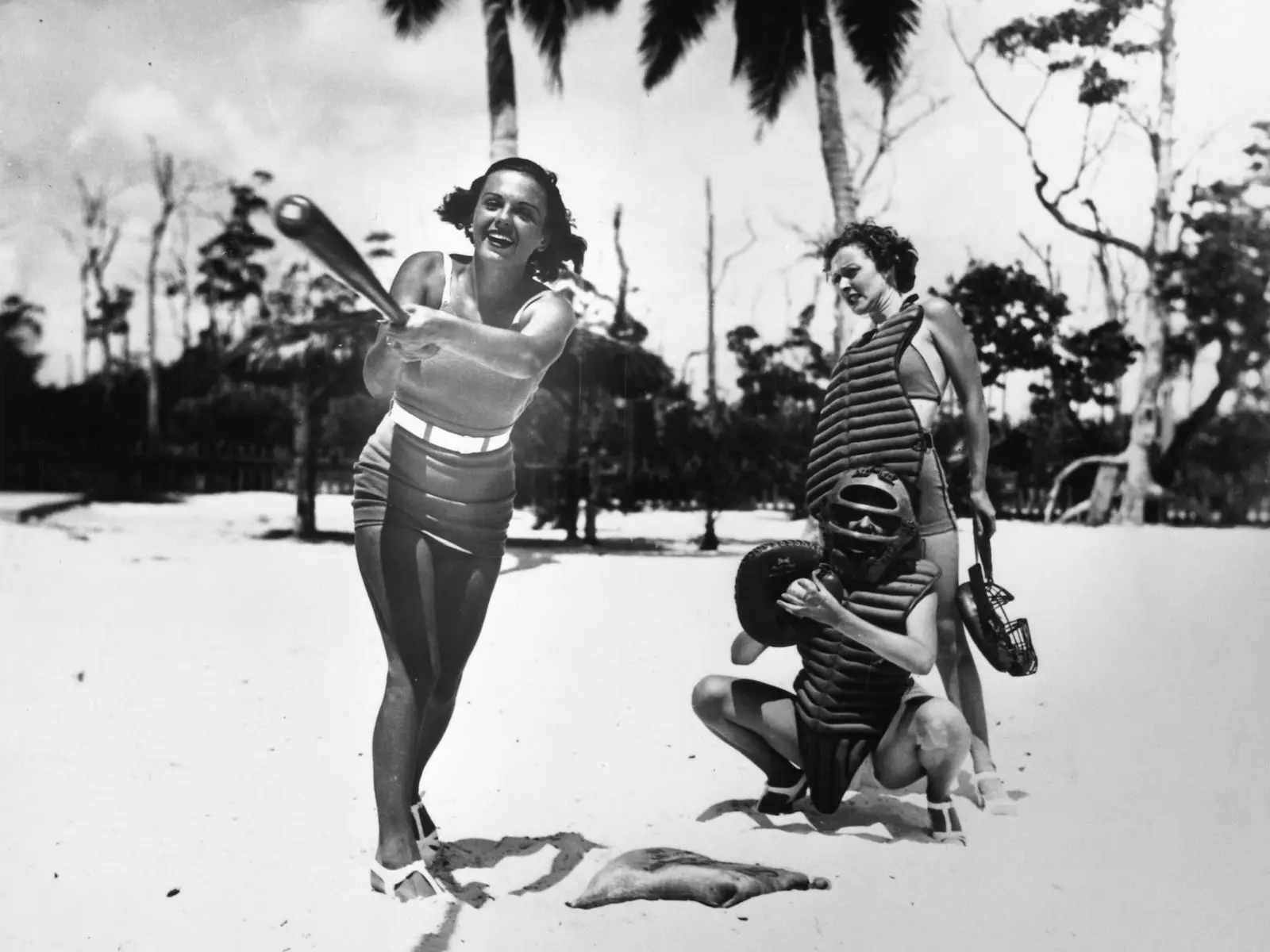
A proto-version of beach volleyball originated in Hawaii, then a US territory, in 1915, Sand Court Experts reported.
The beach ball was invented in the ’30s, and has been a shore-side staple since.
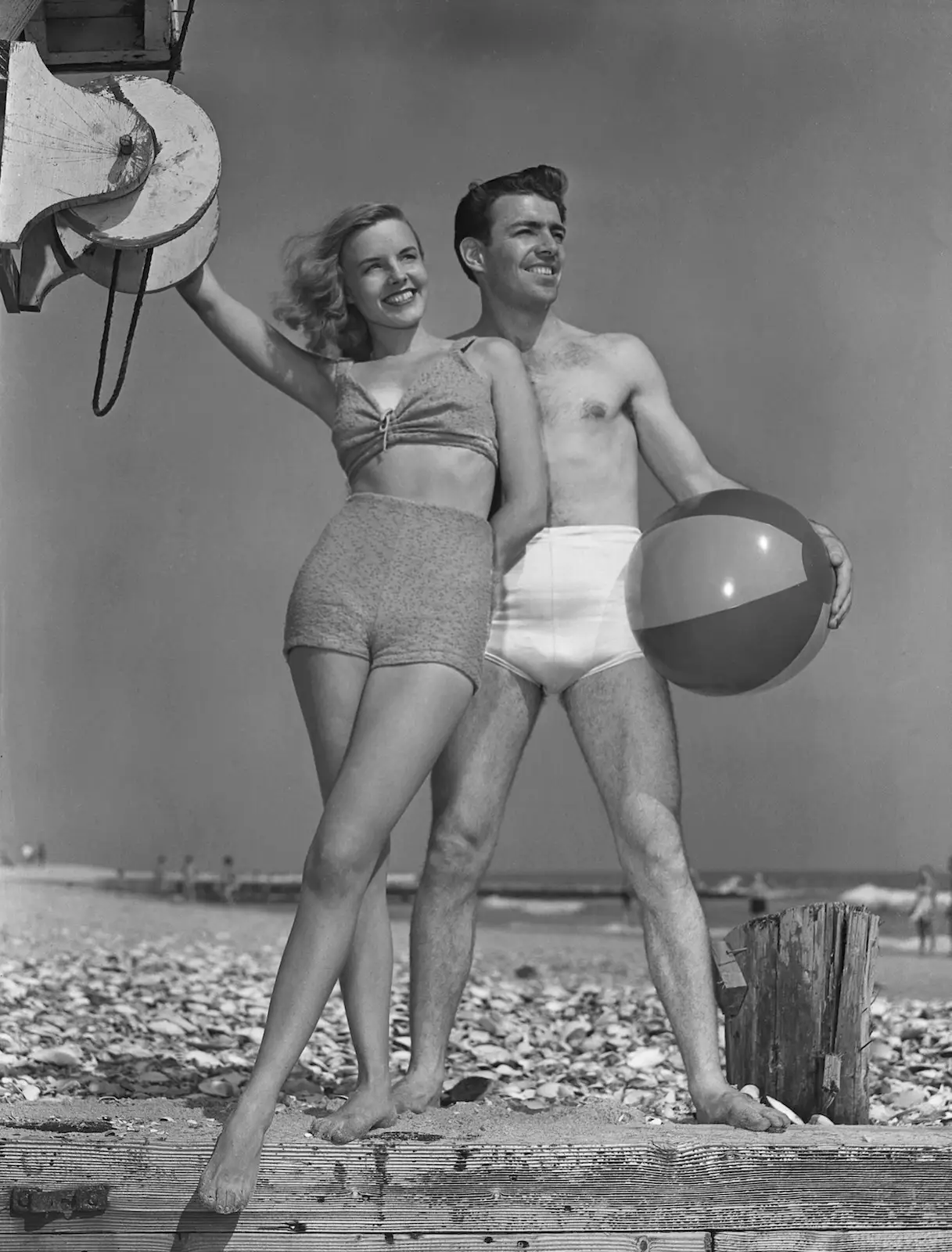
A man named Jonathan DeLonge invented the inflatable version of the ubiquitous beach toy in 1938.
Beach balls were initially roughly the size of a hand, Time reported.
Bathing suits looked quite different from how they do today.
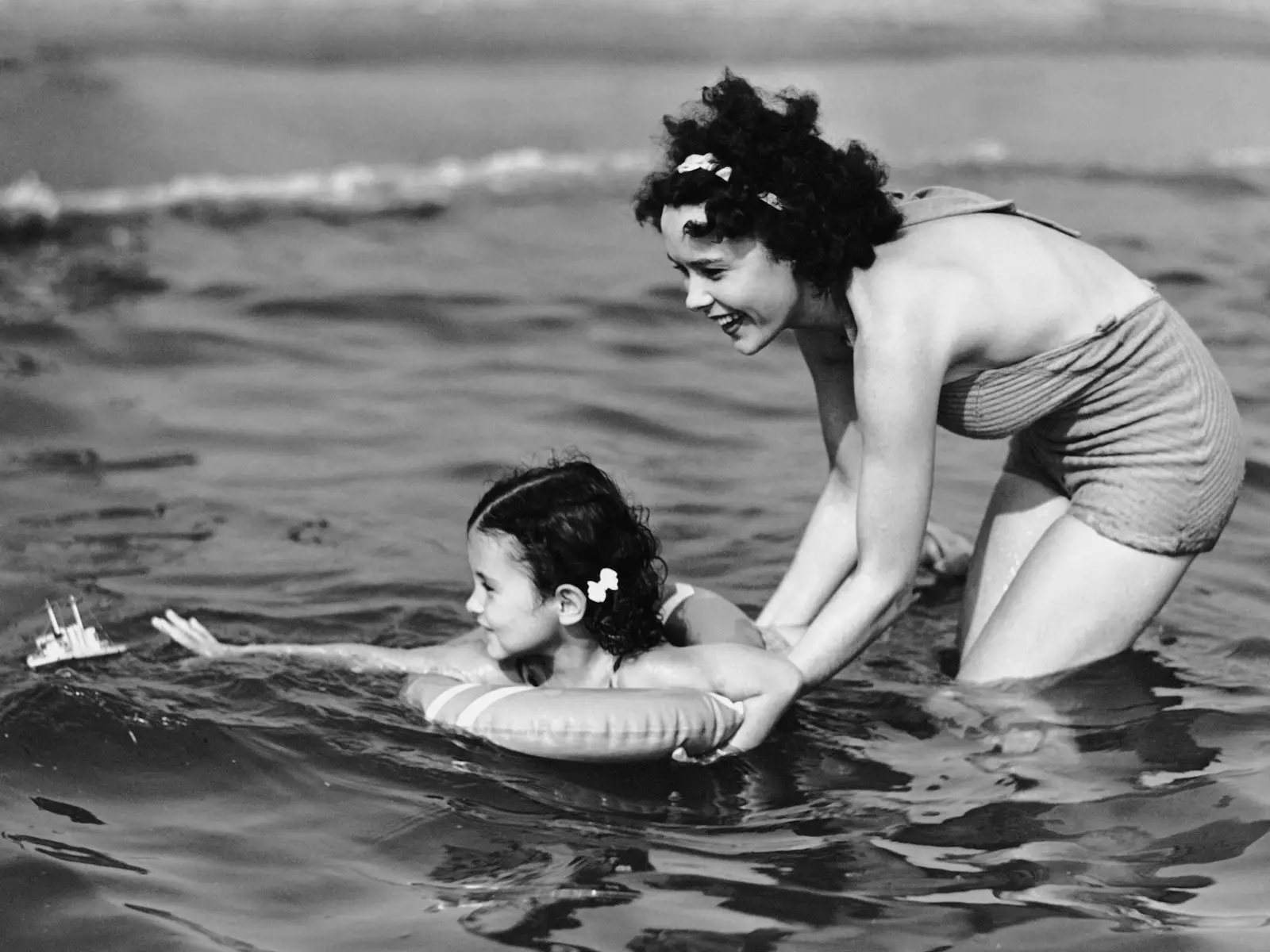
While sea and sand have never gone out of style, beach attire has evolved over the years. At the turn of the century, women typically wore knee-length wool dresses.
Bathing suits became more tight-fitting amid the development of the synthetic materials nylon and Lastex in the 1930s. Though men’s swim trunks have gotten less tight-fitting, they’ve largely looked the same, while two-pieces and modern bikinis became common for women by the ’60s.
New bathing suits correlated with another development — modern sunscreen was invented in the 1930s and ’40s.
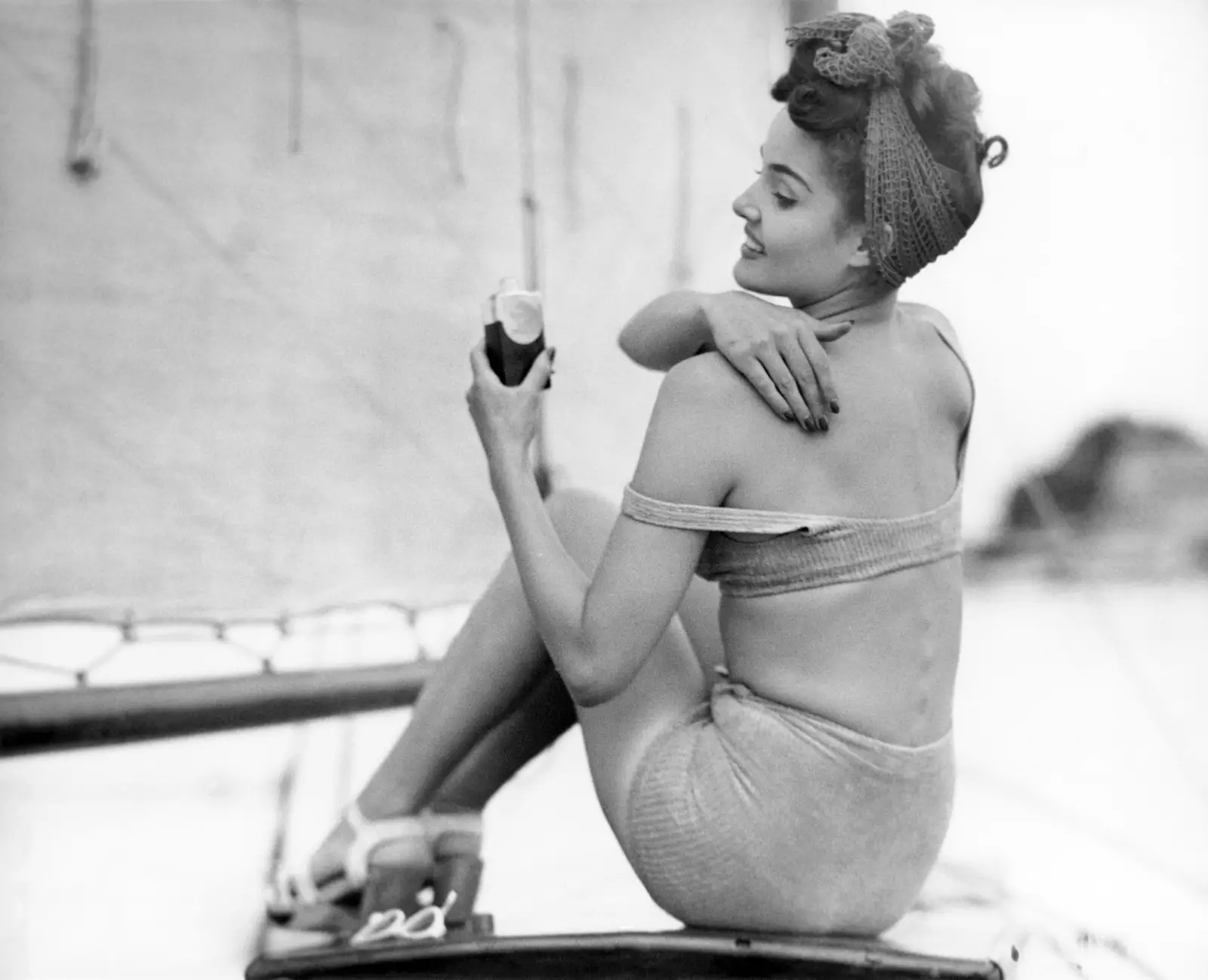
People in ancient civilizations protected themselves from the sun with plant extracts and powders, according to History.com, and more modern forms of sun block were invented in the late-19th and early-20th centuries.
Sunscreen was popularized in the US after Benjamin Green, a veteran and pharmacist, invented a petroleum jelly-like lotion in the 1940s, later founding Coppertone.
It would take longer for SPF to become a standardized measurement.
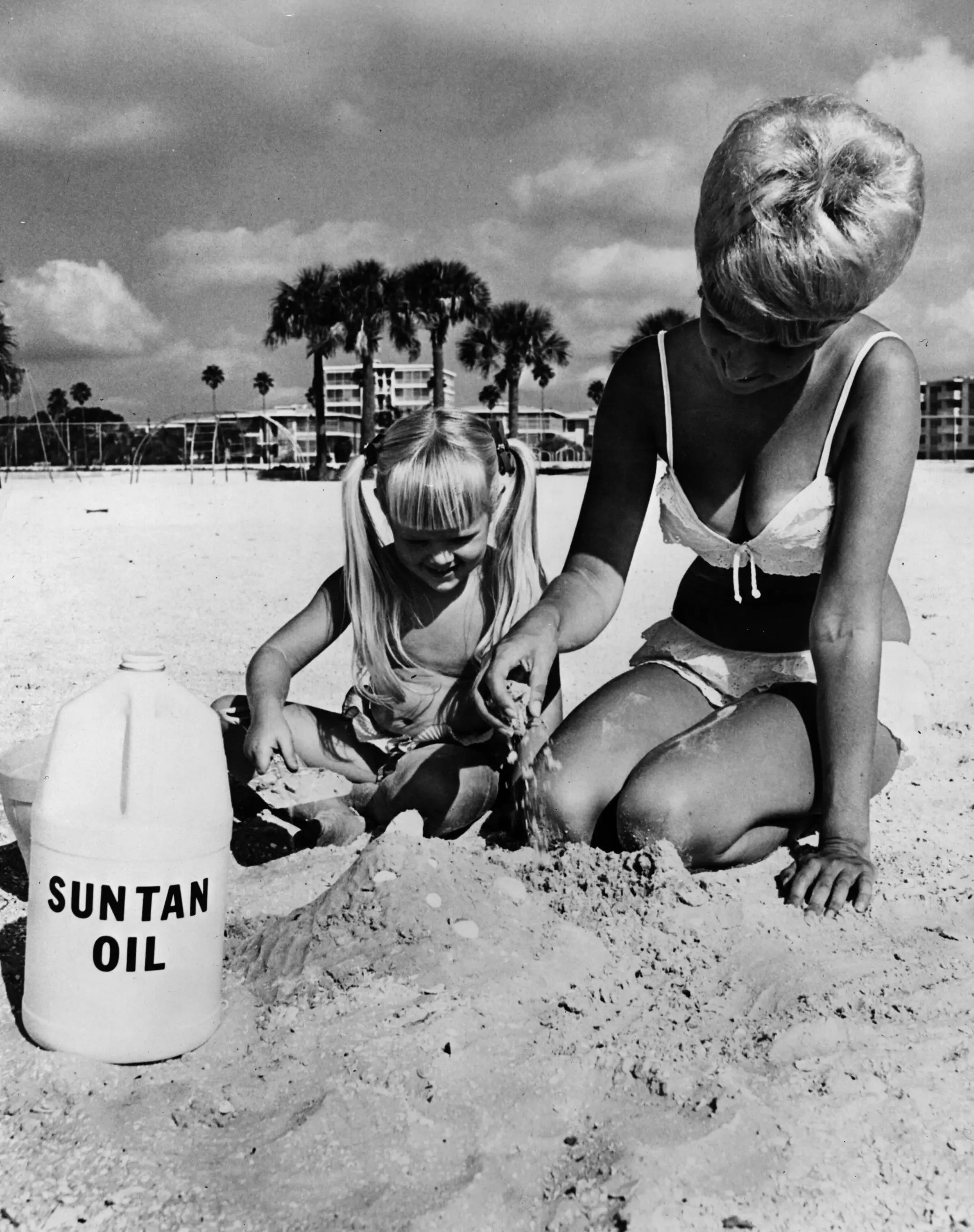
Another early inventor of sunscreen, Franz Greiter, created the SPF system in 1962. His own sunscreen was only SPF 2 at the time, and it would be a few more decades before higher-SPF sunscreens were common.
Hawaii has long been a popular vacation spot for beach-lovers.
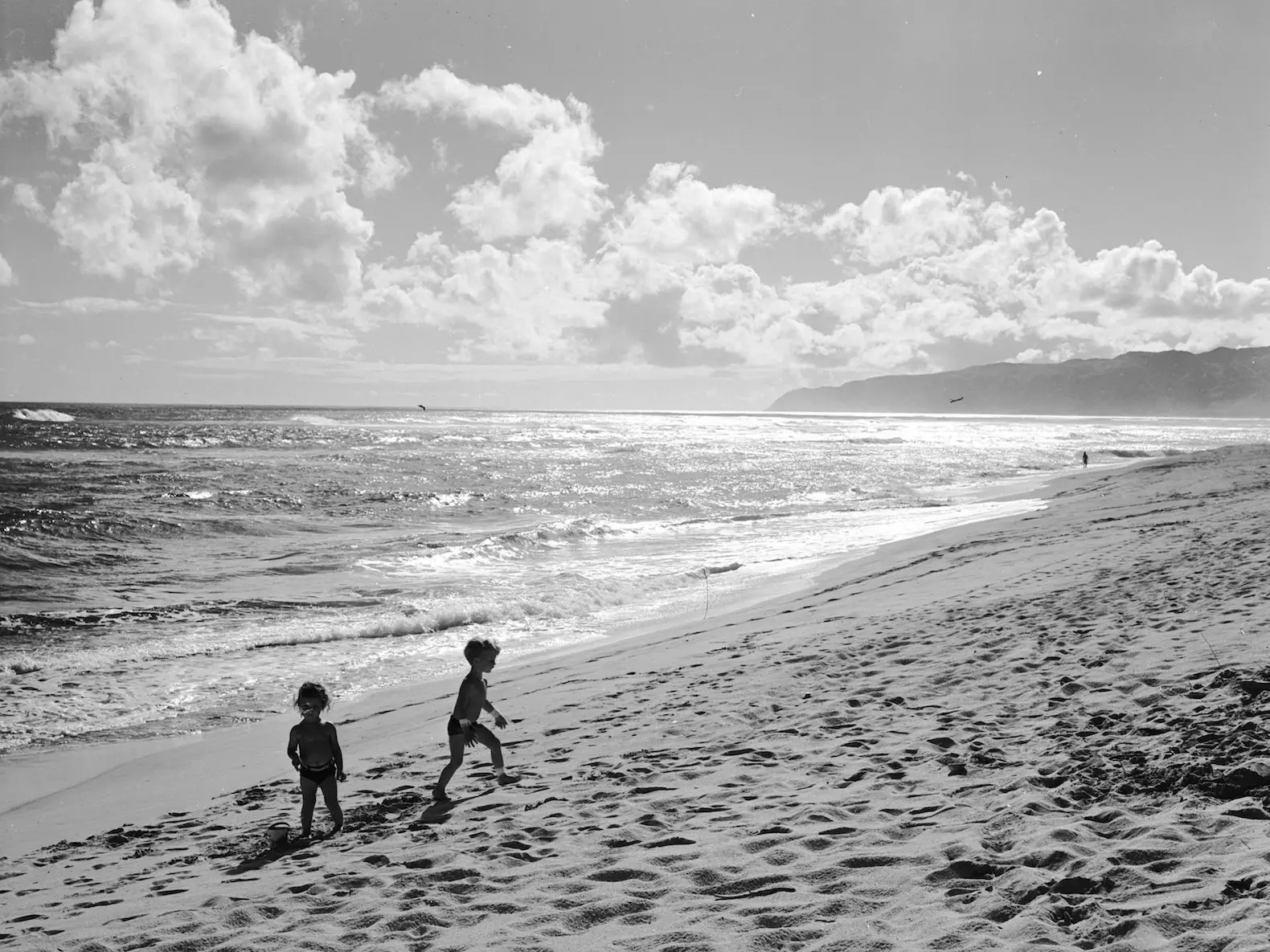
Although tourism was suspended in the Aloha State during World War II, Hawaii began to attract sightseers (as opposed to merchant seamen) in the 1860s, according to the University of Hawai’i Economic Research Organization.
American writer and humorist Mark Twain famously visited the archipelago — then called the Sandwich Islands — as a correspondent for the Sacramento Union newspaper.
Even if you lived in a large city like New York, you could enjoy a leisurely summer boat ride.
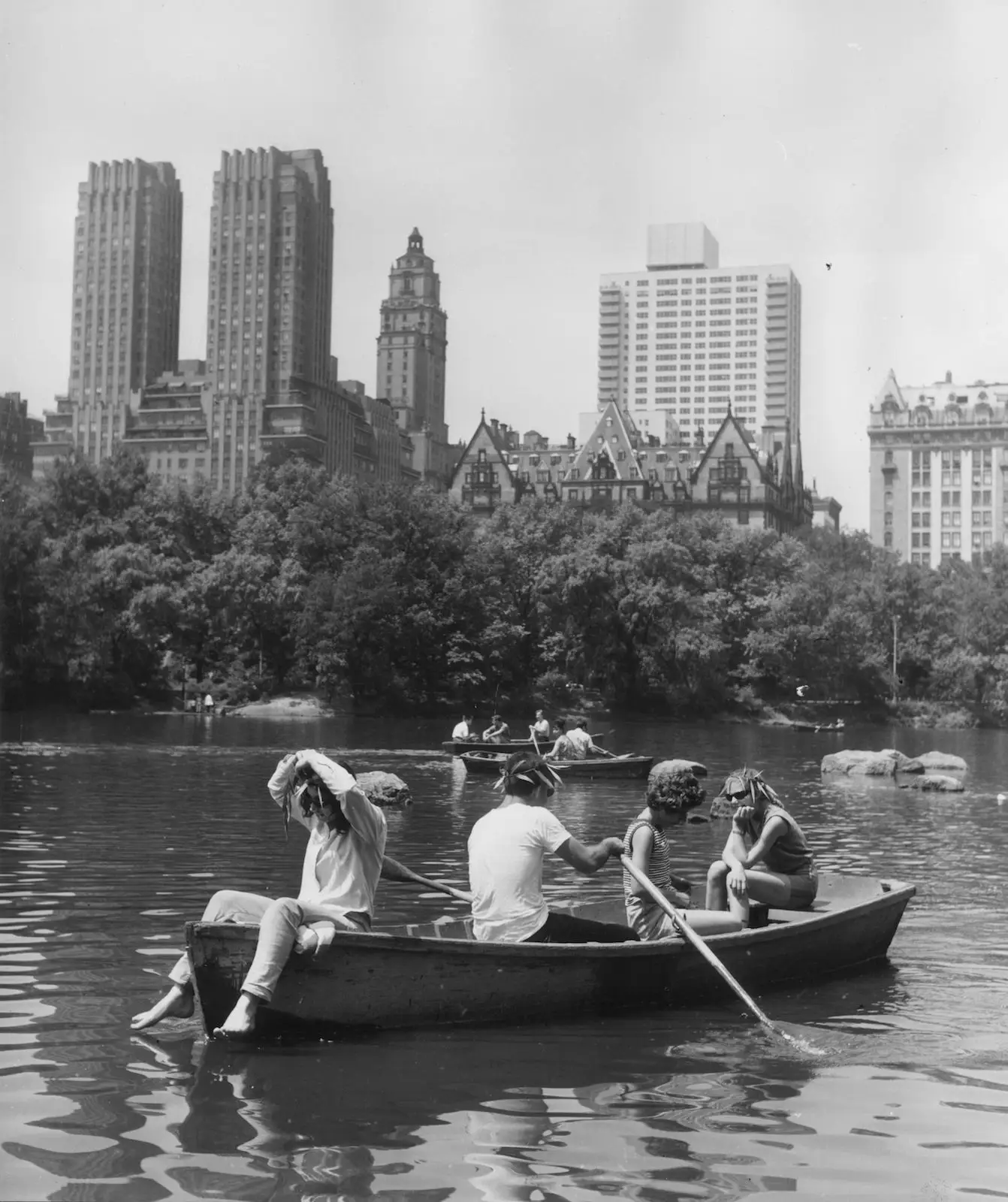
The Lake at Central Park first opened to the public in the 1850s, and boating became popular after it was made available in 1860, per the Central Park Conservancy.
The spray of fire hydrants was a common way to keep cool.
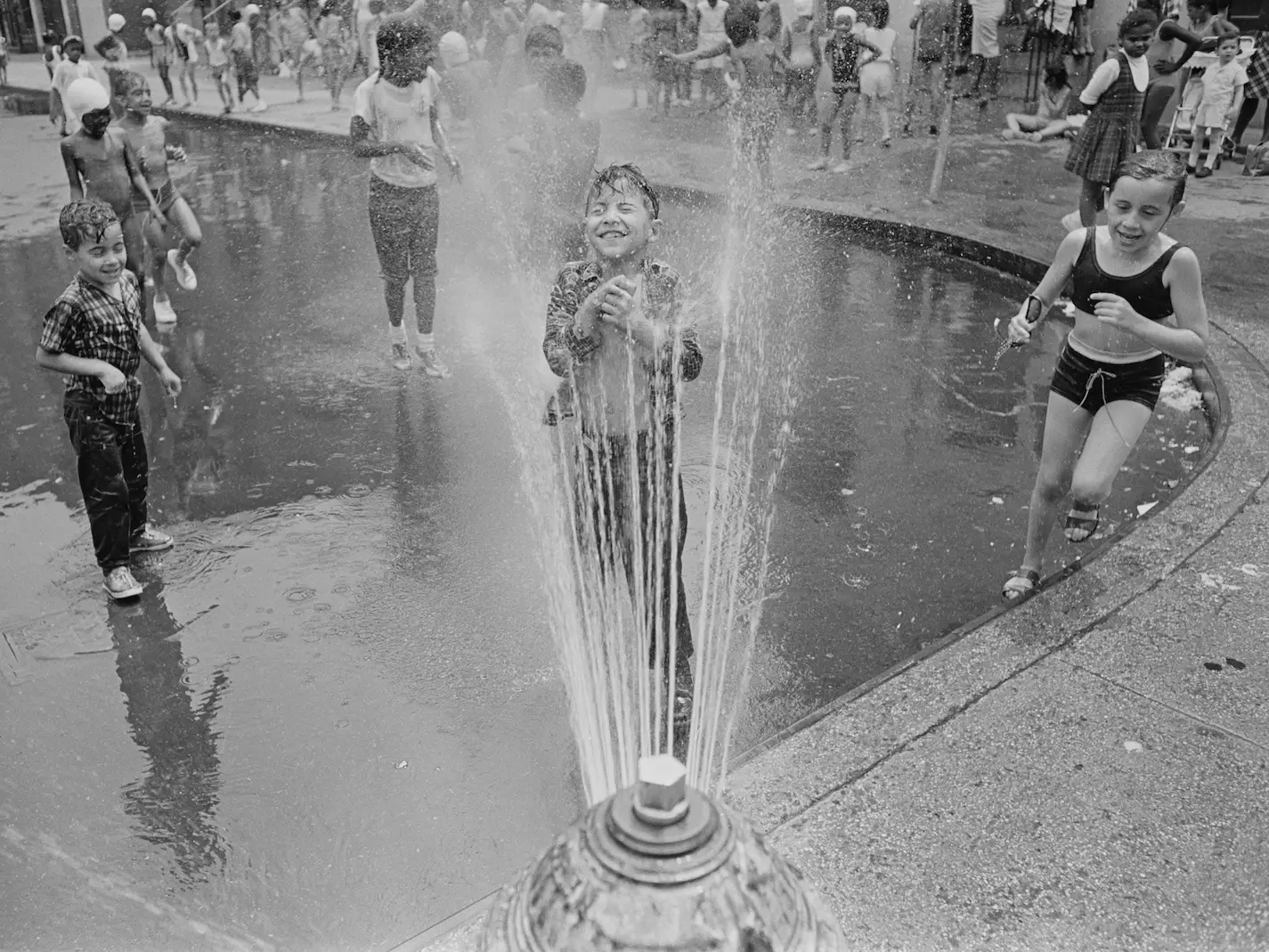
New Yorkers have a long history of cracking open fire hydrants to cool off in the summer. The New York Times cited an article that described fire hydrants as “the lifeline of summer, spewing cooling excitement to all around it.”
Groups of children would often open the hydrants themselves with wrenches.
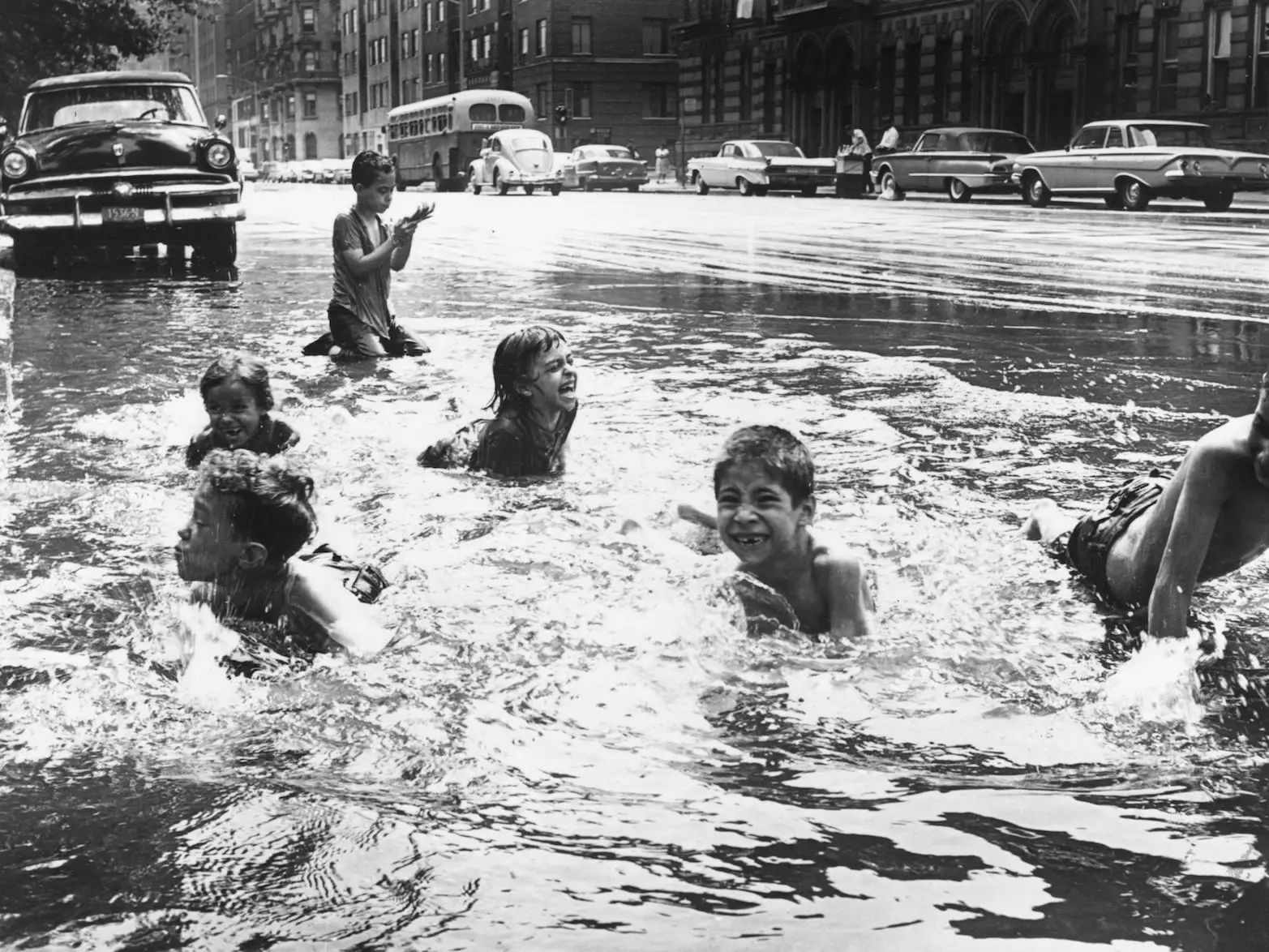
The Times reported on a heat wave in 1925 in which “thousands of New Yorkers fled their homes, often with their bedding, to sleep in parks, on beaches, even in the grass by the roadside.”
That year, children opening fire hydrants became such a nuisance to the fire commissioner that he asked the police to guard them.
People also got creative with other ways to stay cool.
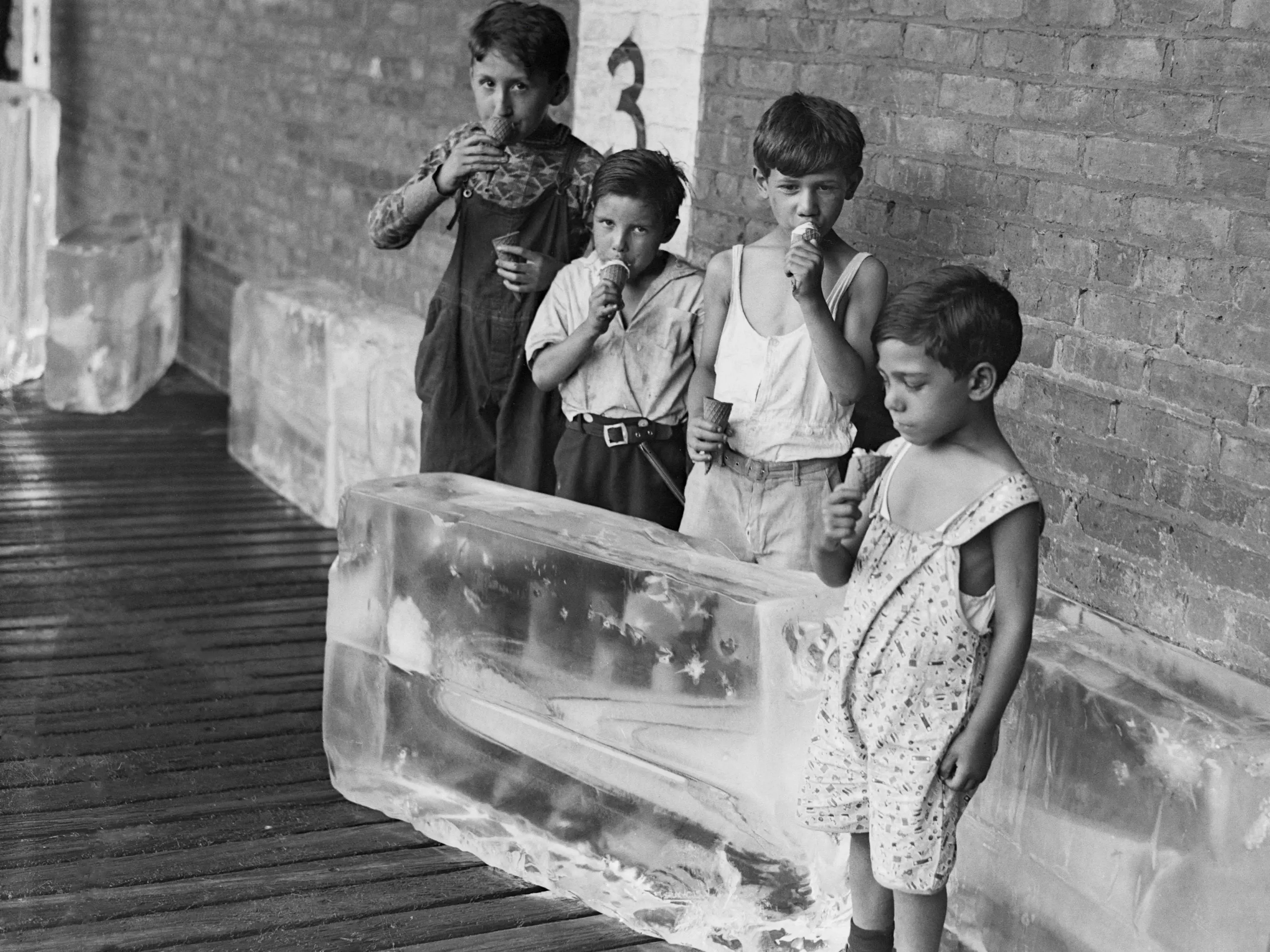
Back in the era when ice was regularly harvested for food preservation, people would sometimes use it to cool down as well.
In 1896, Theodore Roosevelt, who was police commissioner of New York at the time, handed out ice in alleyways next to tenement homes during a heatwave, The Times reported.
Air conditioning didn’t become widespread until the second half of the 20th century.
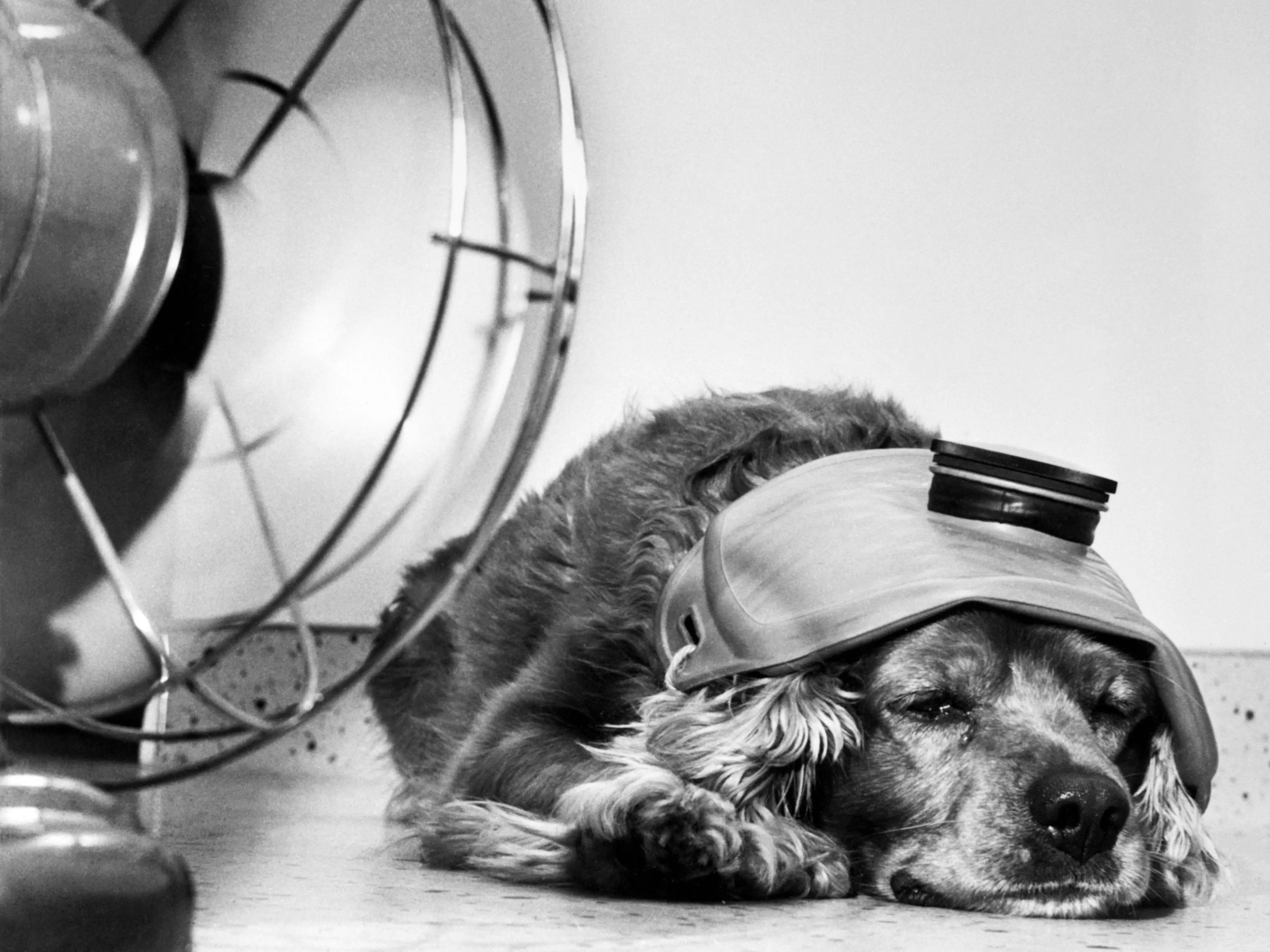
Though mechanical air-cooling techniques were used as early as 1902, they were primarily for commercial use and were too large and expensive for American homes, according to the Department of Energy.
In the 1940s, affordable window units began to be developed, and by the 1960s, central air conditioning became common in many new homes.
Just like today, summer also meant music festival season.
This 1960 concert featuring the Boston Symphony Orchestra was held at the Berkshire Music Center (now called the Tanglewood Music Center).
The biggest festivals were synonymous with rock and folk music.
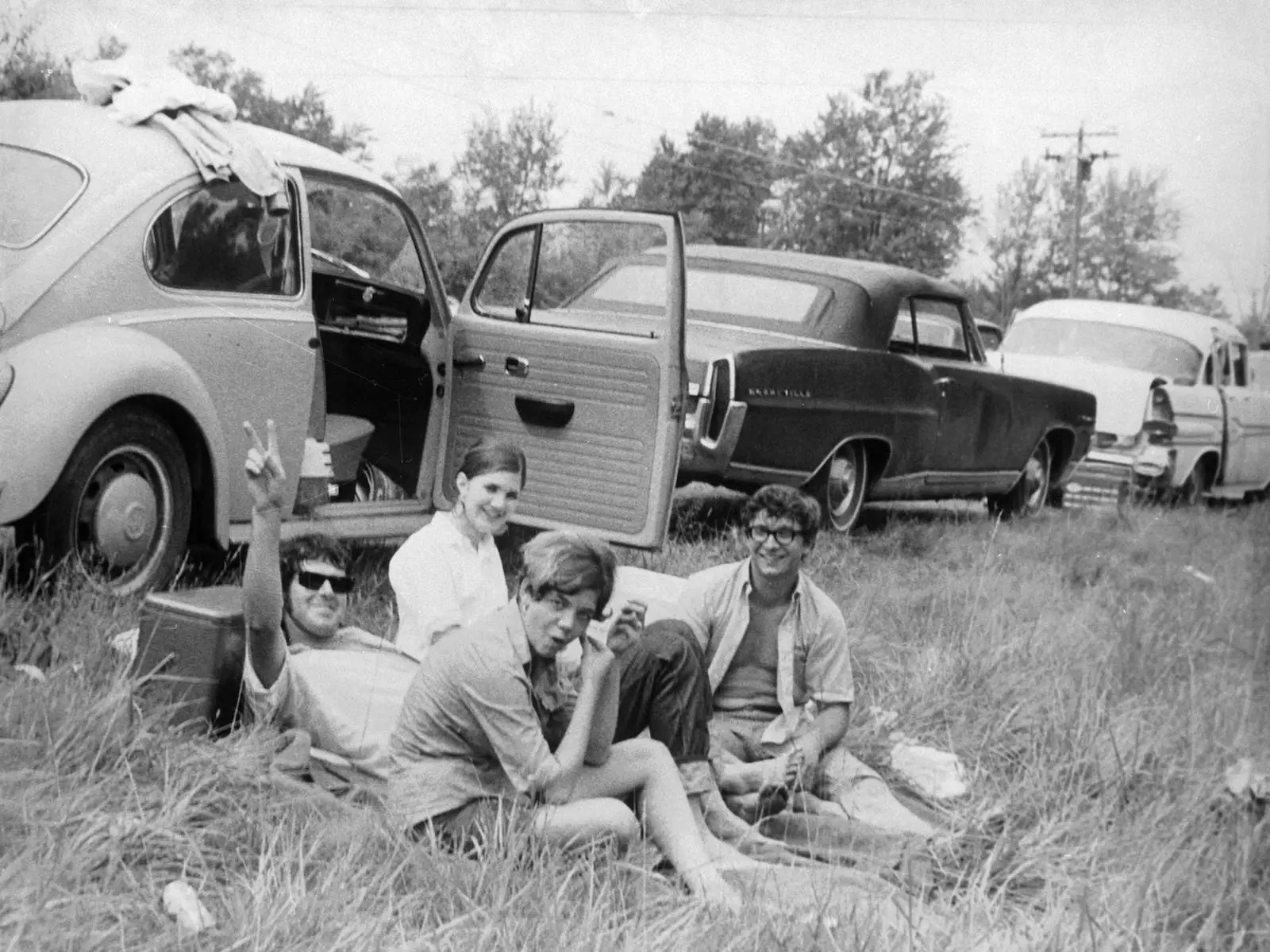
The legendary Woodstock Music & Art Fair — more commonly shortened to Woodstock — took place over three days in August 1969 in Bethel, New York. The event attracted about 400,000 visitors.
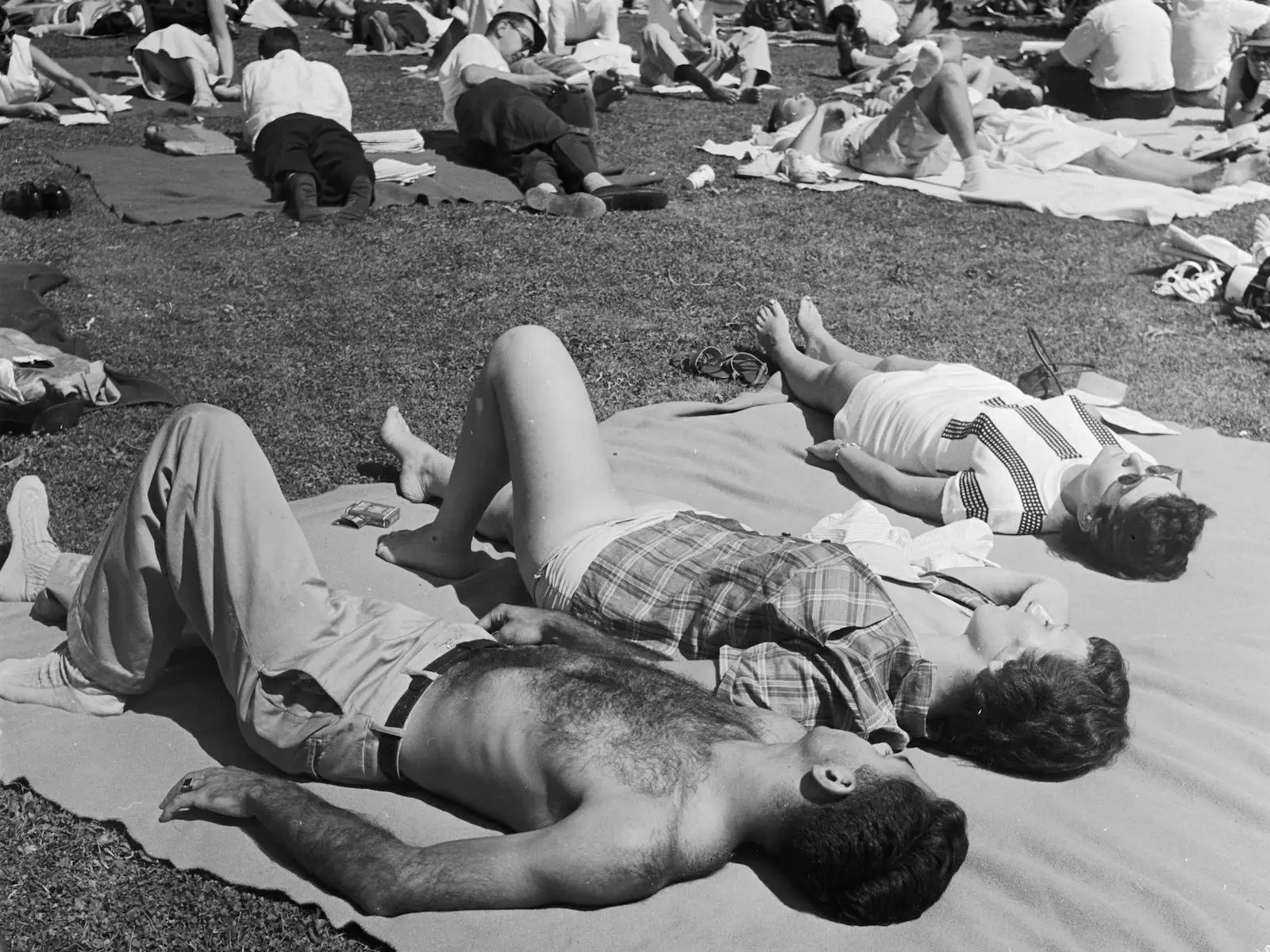
Summer has always been a great time for reading.

Recent data indicates that Americans’ reading habits have been on the decline.
Citing a study from the journal iScience, Smithsonian Magazine reported that reading for pleasure has been broadly declining since the 1940s, and from 2003 to 2023, the percentage of Americans reading for pleasure dropped about 3% each year — a total drop of 40% in that time period.
People of all ages would gather outdoors.
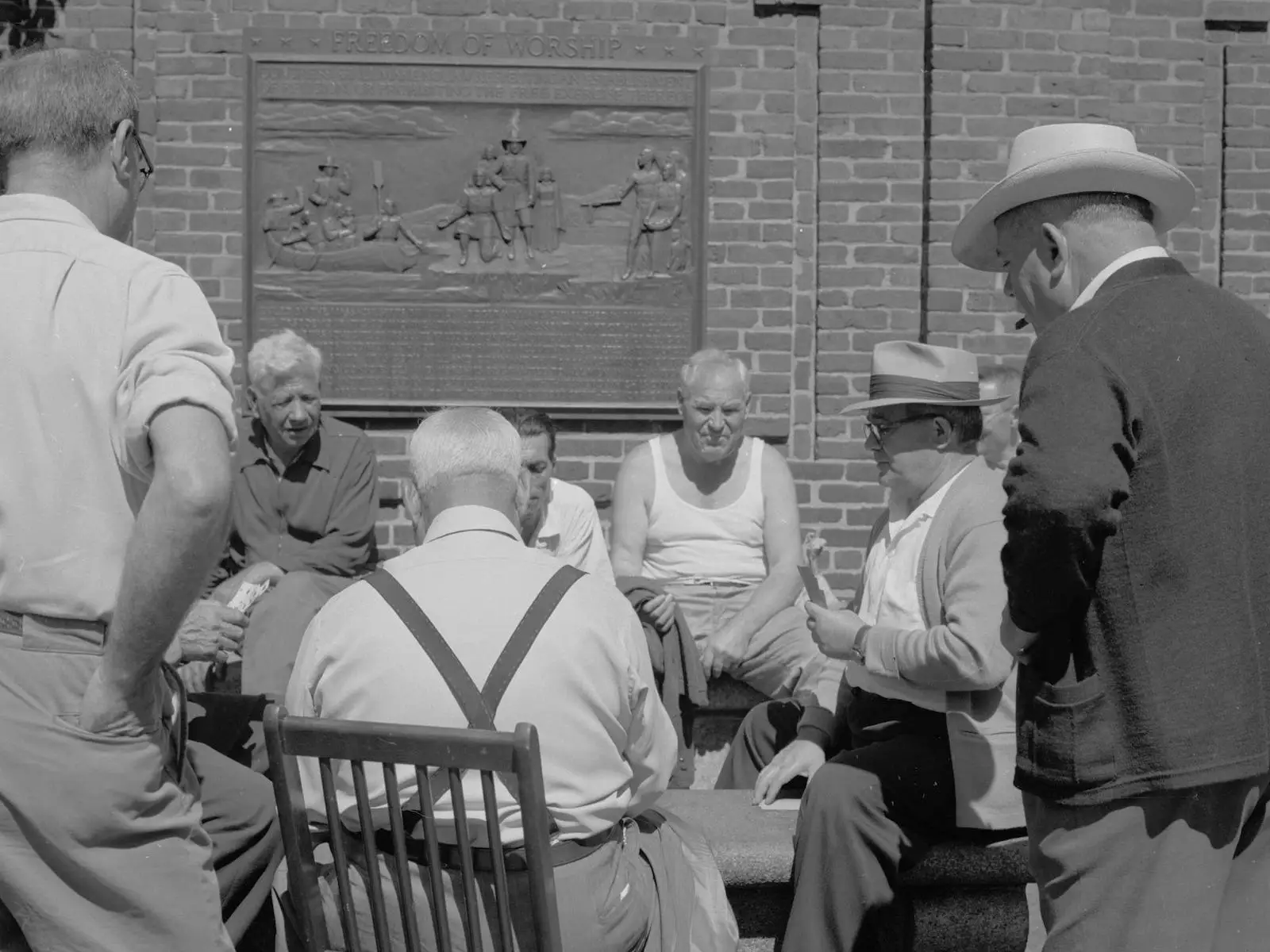
Thanks to modern medicine, the number of elderly Americans has increased in the past 75 years. According to the Bureau of Labor Statistics, the number of Americans aged 65 and older was 10.7 million in 1948, rising to 59.7 million in 2024 — an increase of 457%.
Labor trends for elderly Americans have changed, too. In 1948, the labor force participation rate for people aged 65 and older was 27%. This dropped to 10.8% in 1985, but has been increasing in recent years. In 2024, the percentage had reached 19.5%.
Amusement parks have also always been a popular choice for summer day trips.
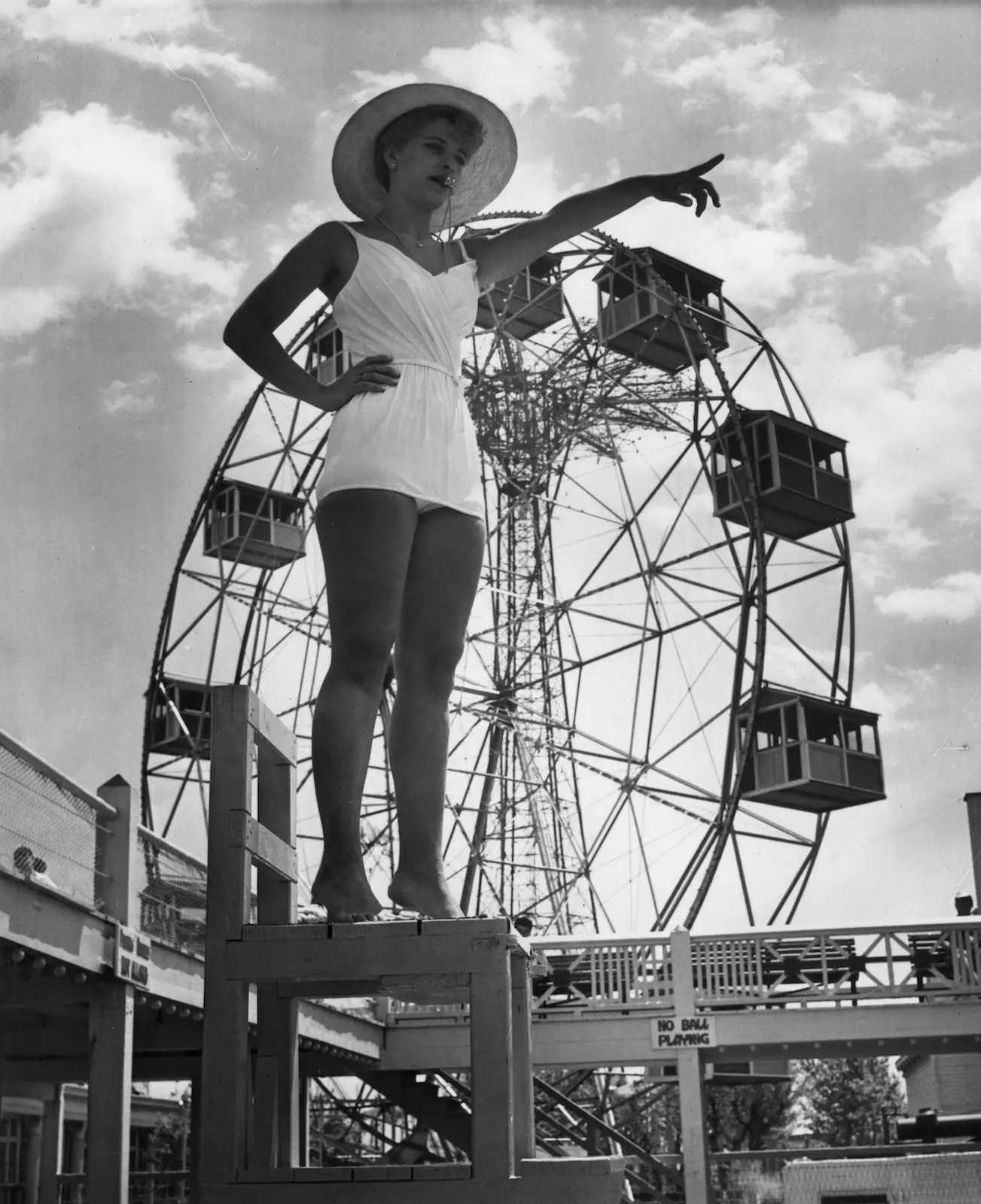
Coney Island in Brooklyn, New York, has an iconic boardwalk. Between 1880 and World War II, Coney had the largest amusement area in the US.
In its heyday, there were three distinct amusement parks: Luna Park (which was revitalized in 2010), Dreamland, and Steeplechase Park.
They’ve also historically been great places for summer jobs.
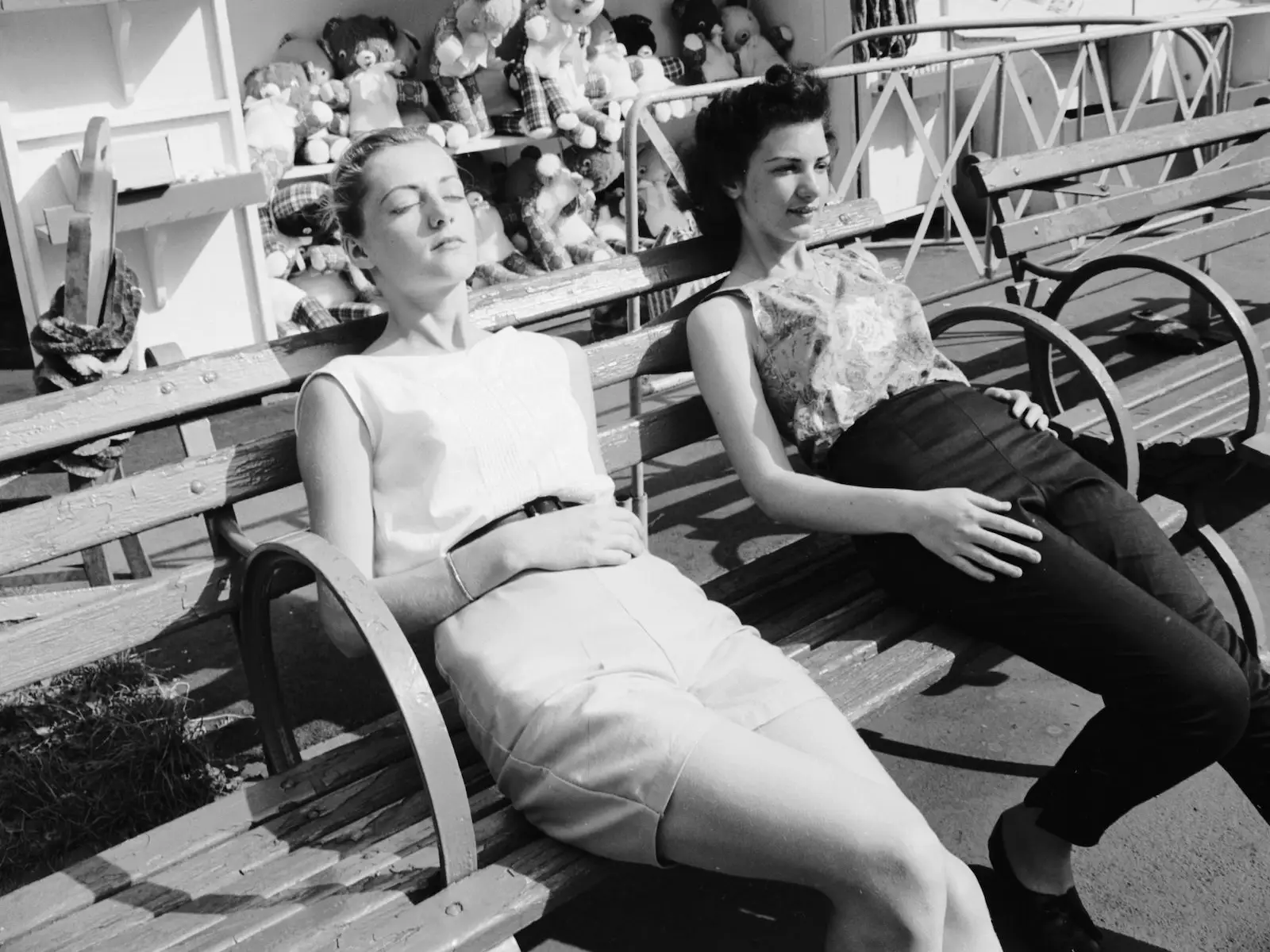
Unsurprisingly, amusement park employment has always seen sharp spikes and drops depending on the season. In 2024, the BLS reported a 23% drop in employment in December compared to July.
Record numbers of New Yorkers would flock to Coney Island during heat waves.
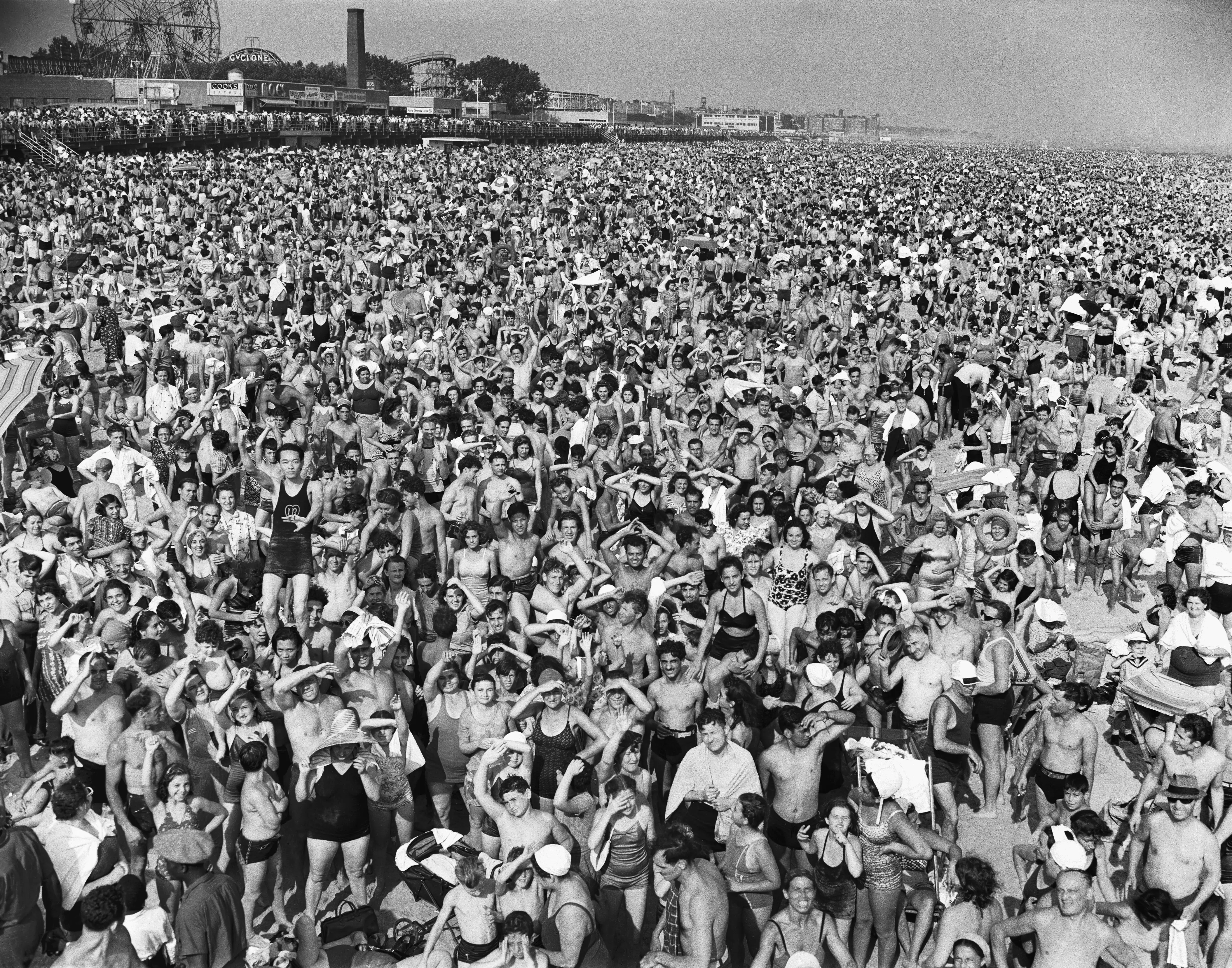
A 1924 heat wave brought more than half a million visitors to the beach in one day, the Times reported.
Ice cream has always been a summer staple.
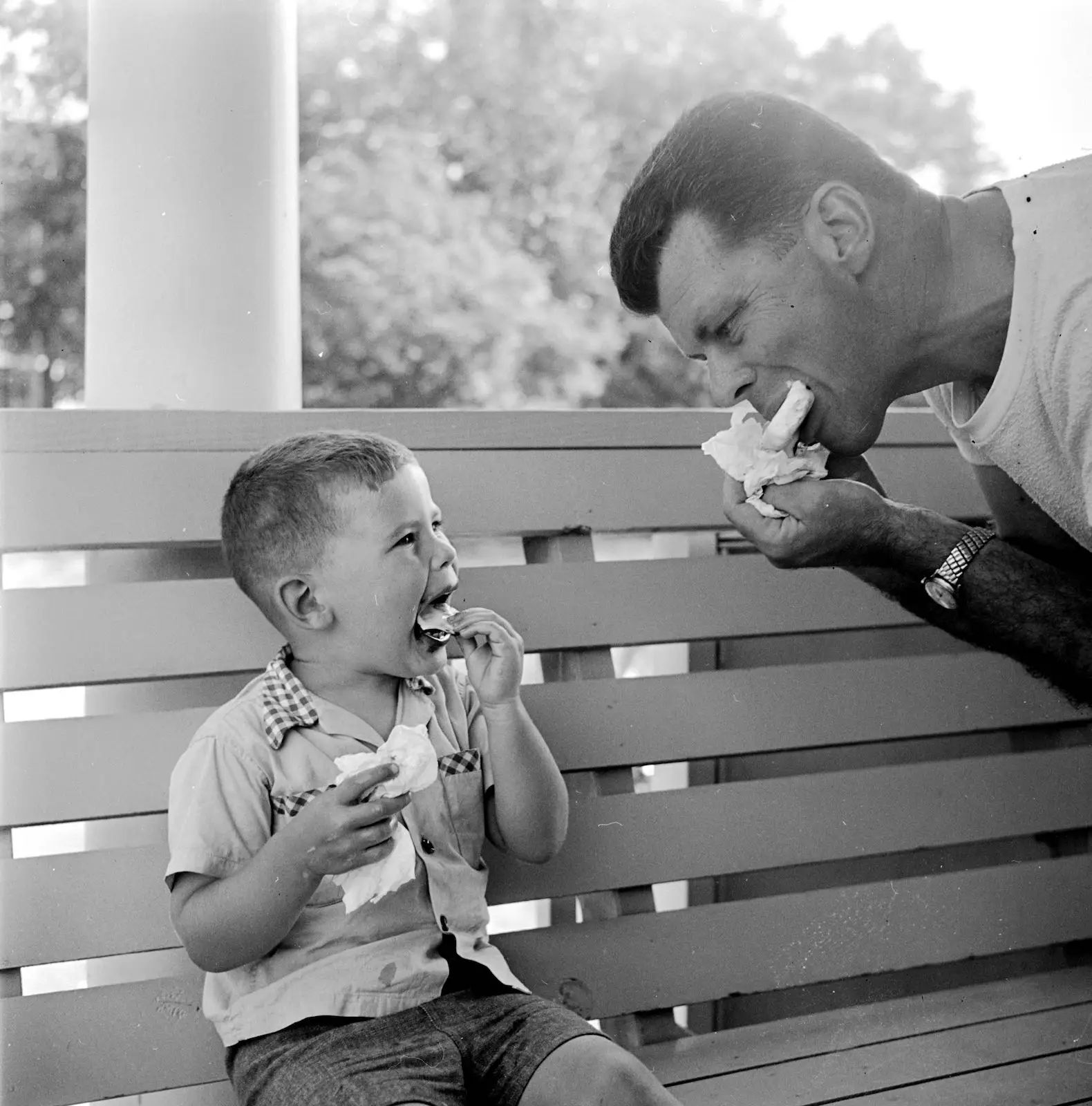
National Geographic reported that during Prohibition, ice-cream soda was the country’s favorite beverage, with Americans eating 325 million gallons of the frozen treat in 1922 alone.
While ice cream remains a favorite for many, some data may suggest that Americans are eating less than previous generations did. Americans on average ate 18 pounds of ice cream per person in 1986, but just 12 pounds in 2021, CNN reported, citing USDA data.
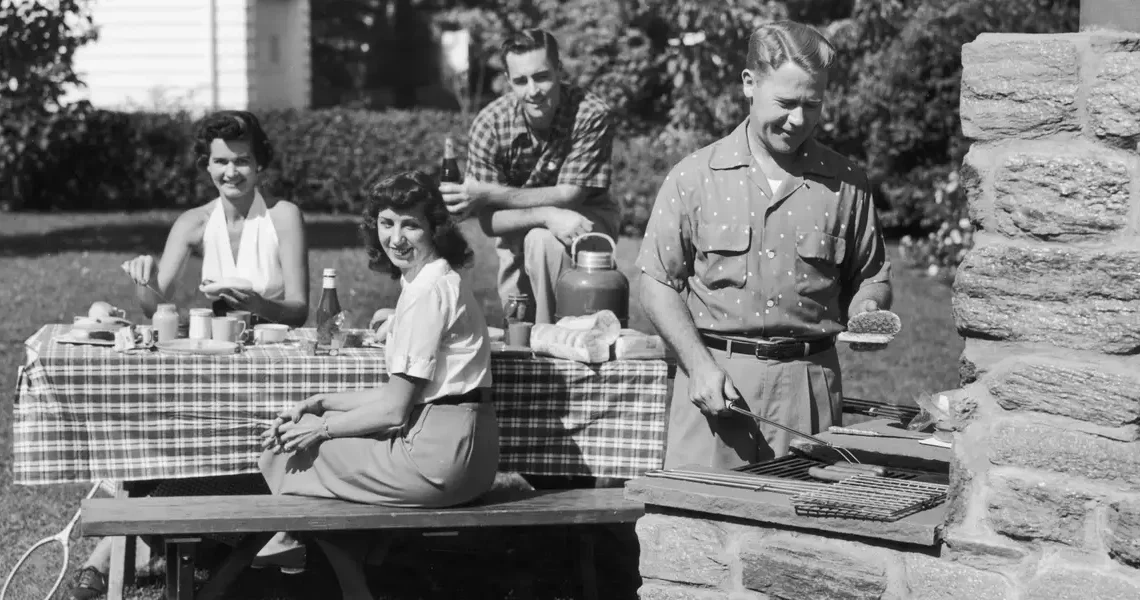
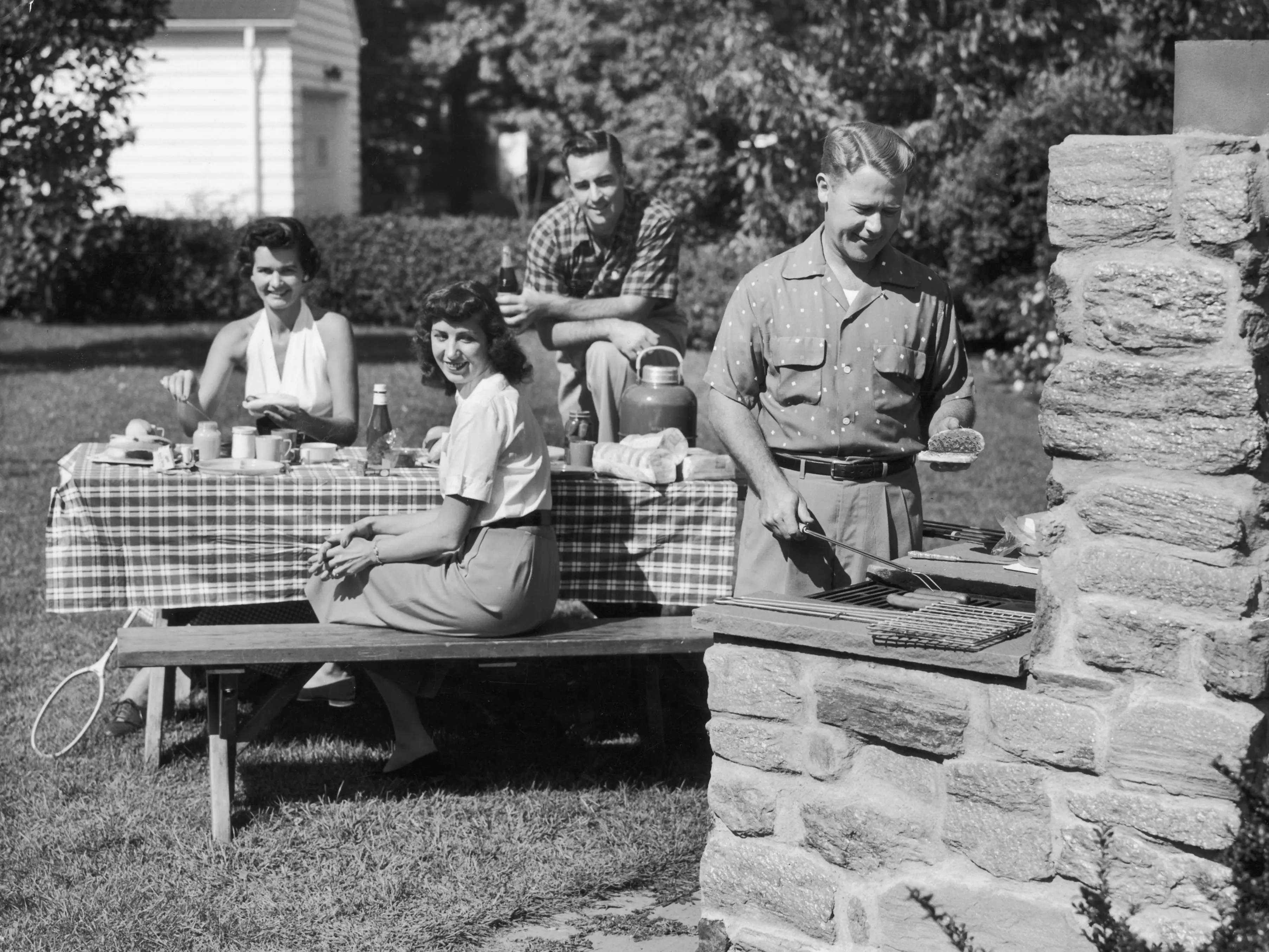
Warm weather also meant outdoor cookouts.
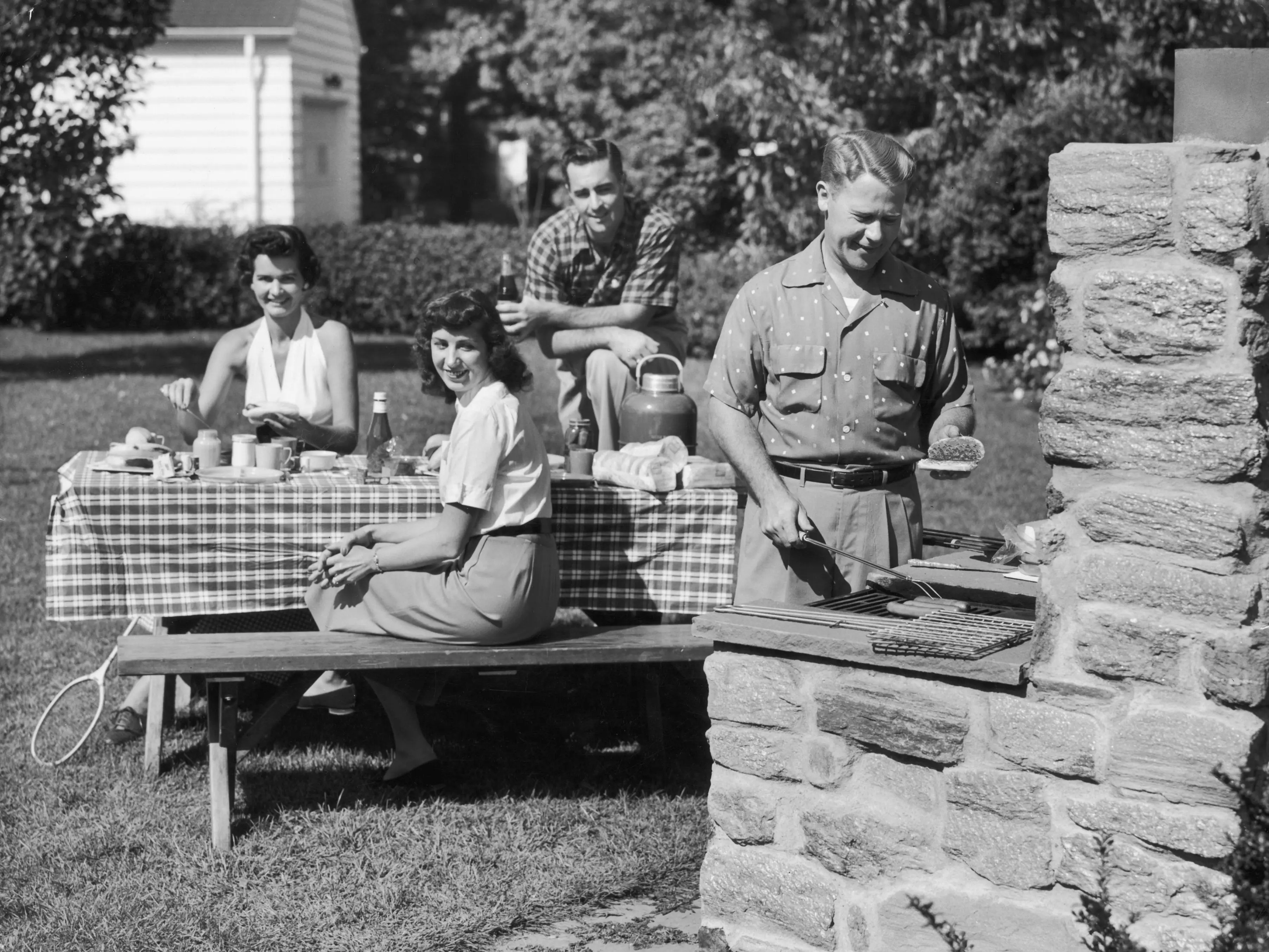
The backyard grill as we know it has seen some changes over the years.
The first appeared in California in the 1930s, mostly used by the wealthy, History.com reported. It was Henry Ford who popularized charcoal grills around the same time. George Stephen, who worked at Weber Brothers Metal Works, created the first kettle grill, which became popular in the 1950s and 60s.
Some people even made their breakfast outside.
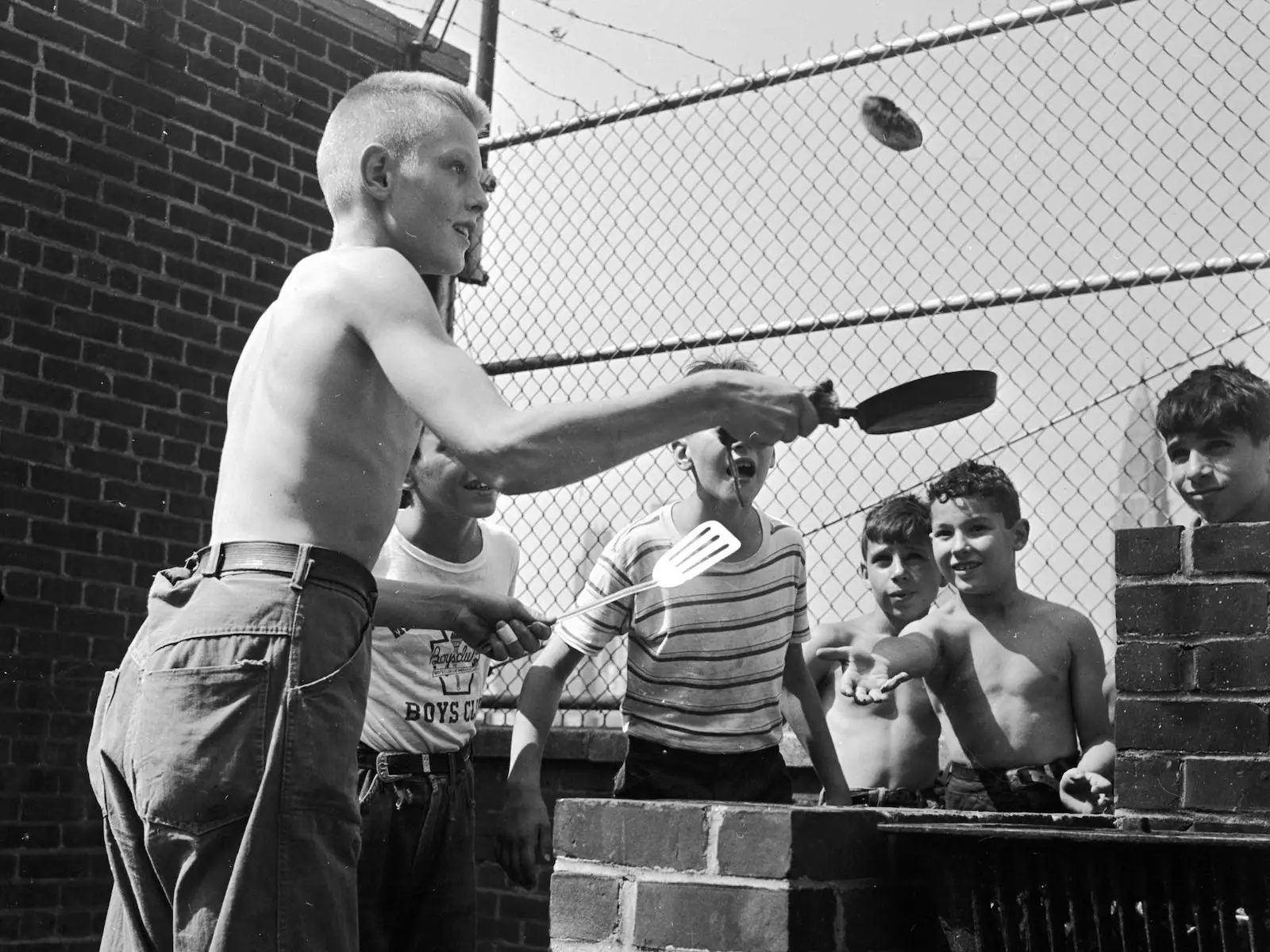
This pancake-flipper was at a camp run by the Madison Square Boys Club, which was a founding member of the Boys & Girls Clubs of America, per the organization.
Bike riding has always been a popular pastime.
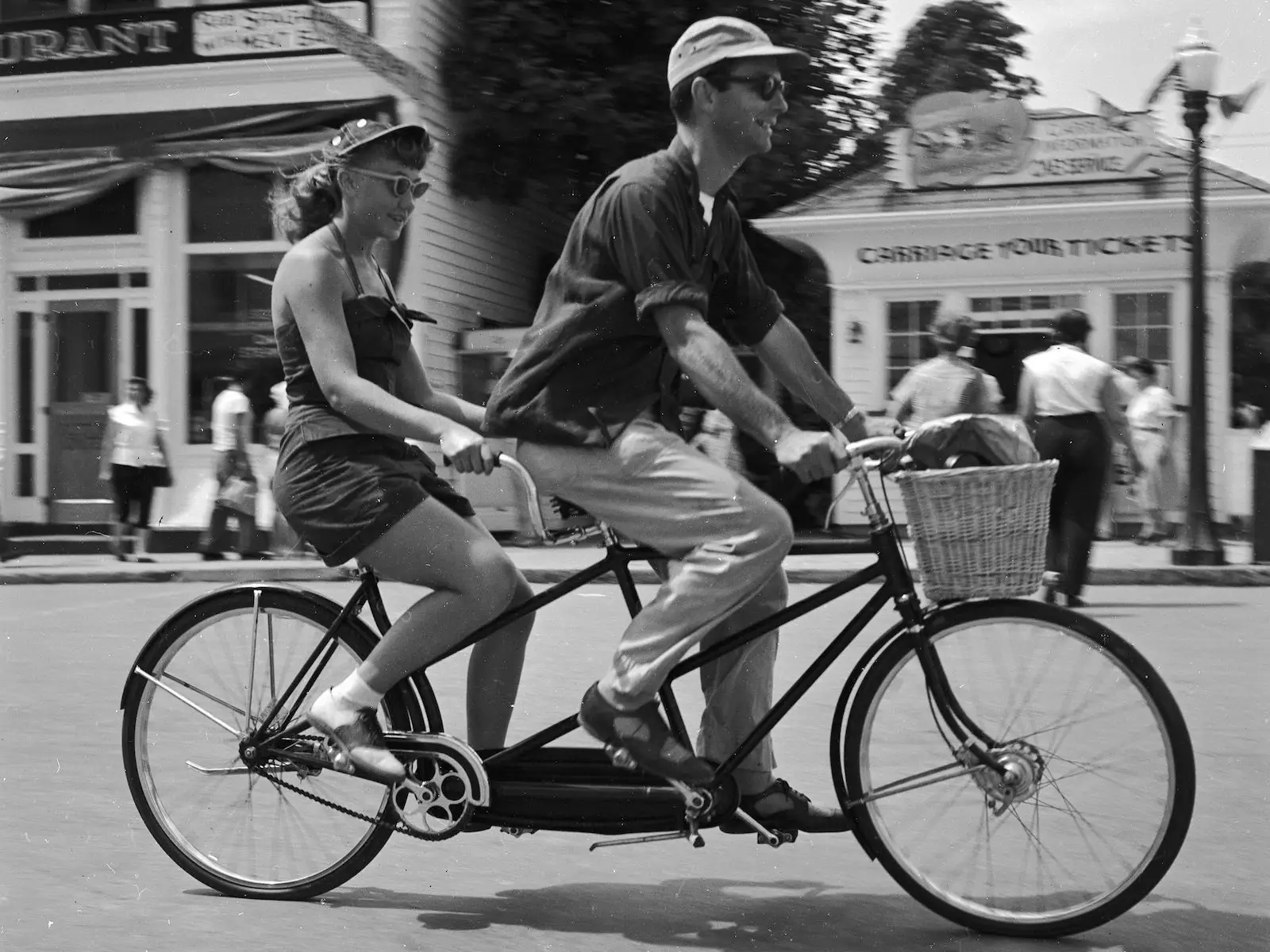
In 1964, Americans bought 5 million bicycles, double the number purchased a decade before, according to Our Bike Hub.
Danish inventor Mikael Pedersen is widely credited with inventing the first publicized tandem bicycle in the late 19th century.
Sports of every kind were played by kids on fields and in the streets.
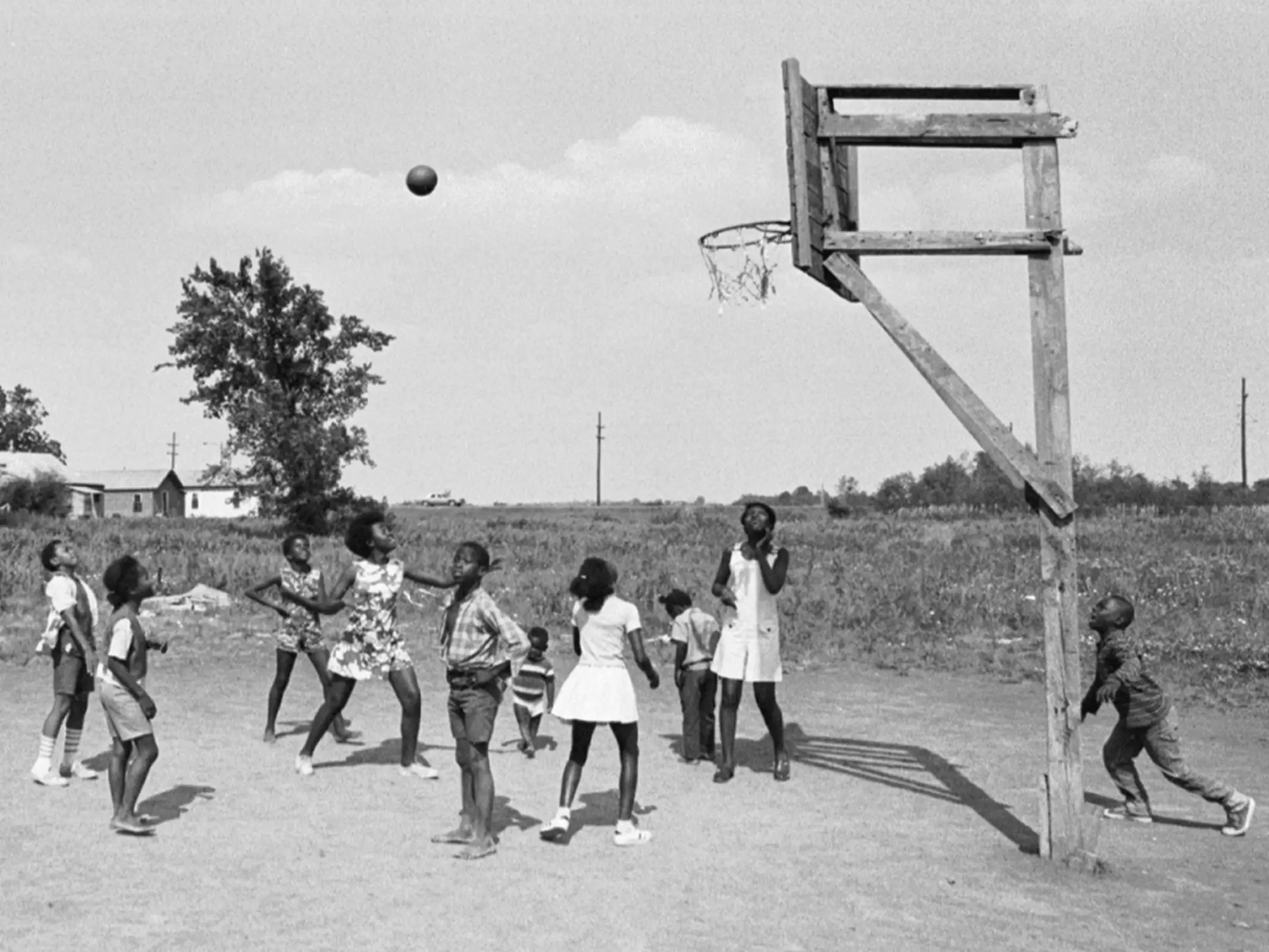
Basketball went from being a little-known sport at the turn of the century to one of the most popular sports in the US by 2000.
Playgrounds evolved over the century, too.
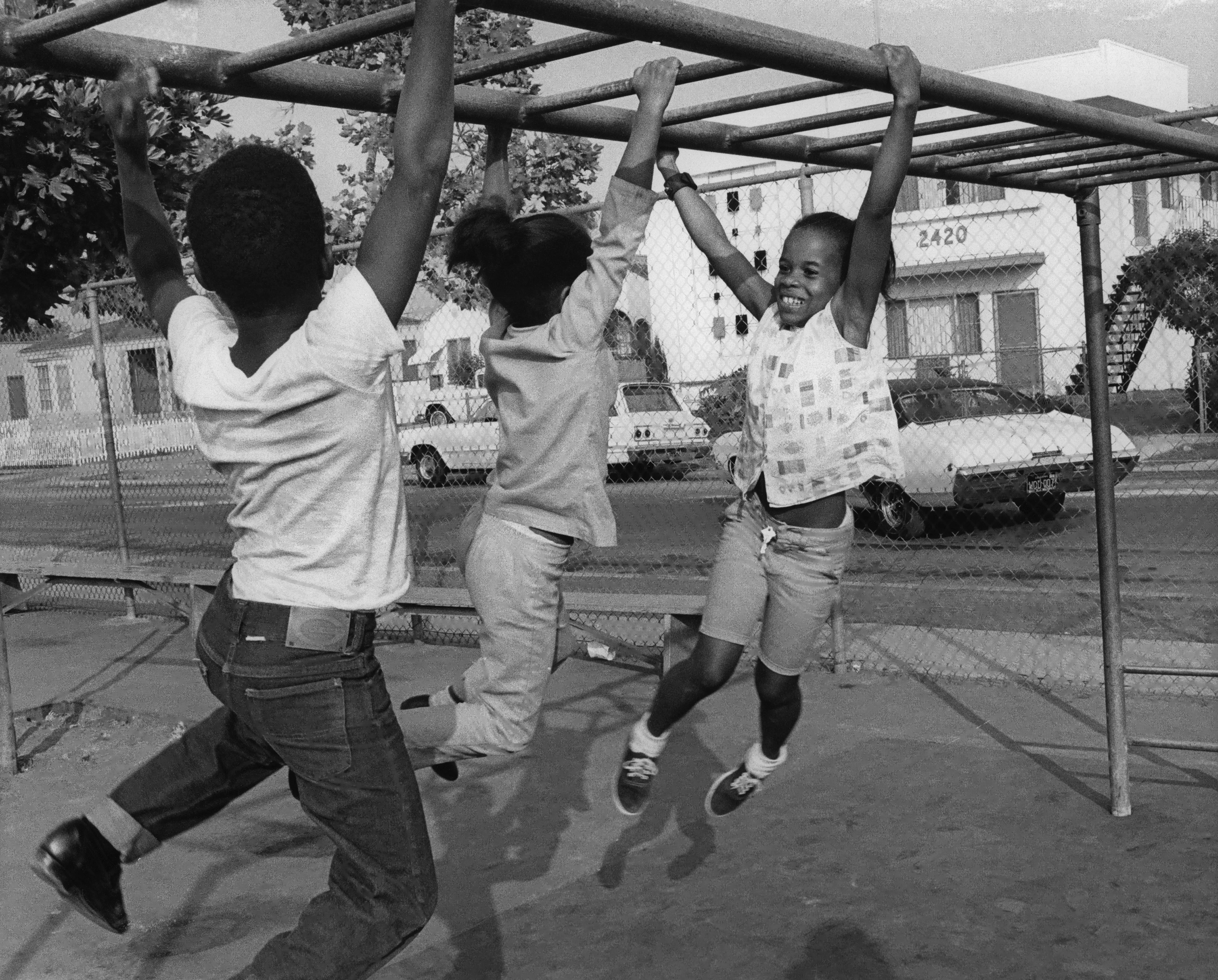
Playgrounds weren’t common in the US before 1900, per Playworld. This would soon change, with the US reaching over 5,000 playgrounds by 1924. The trend would continue, with more being built by the Works Progress Administration during the Great Depression and other play structures being built in the 1950s and ’60s.
Summer camps have long been another mainstay.
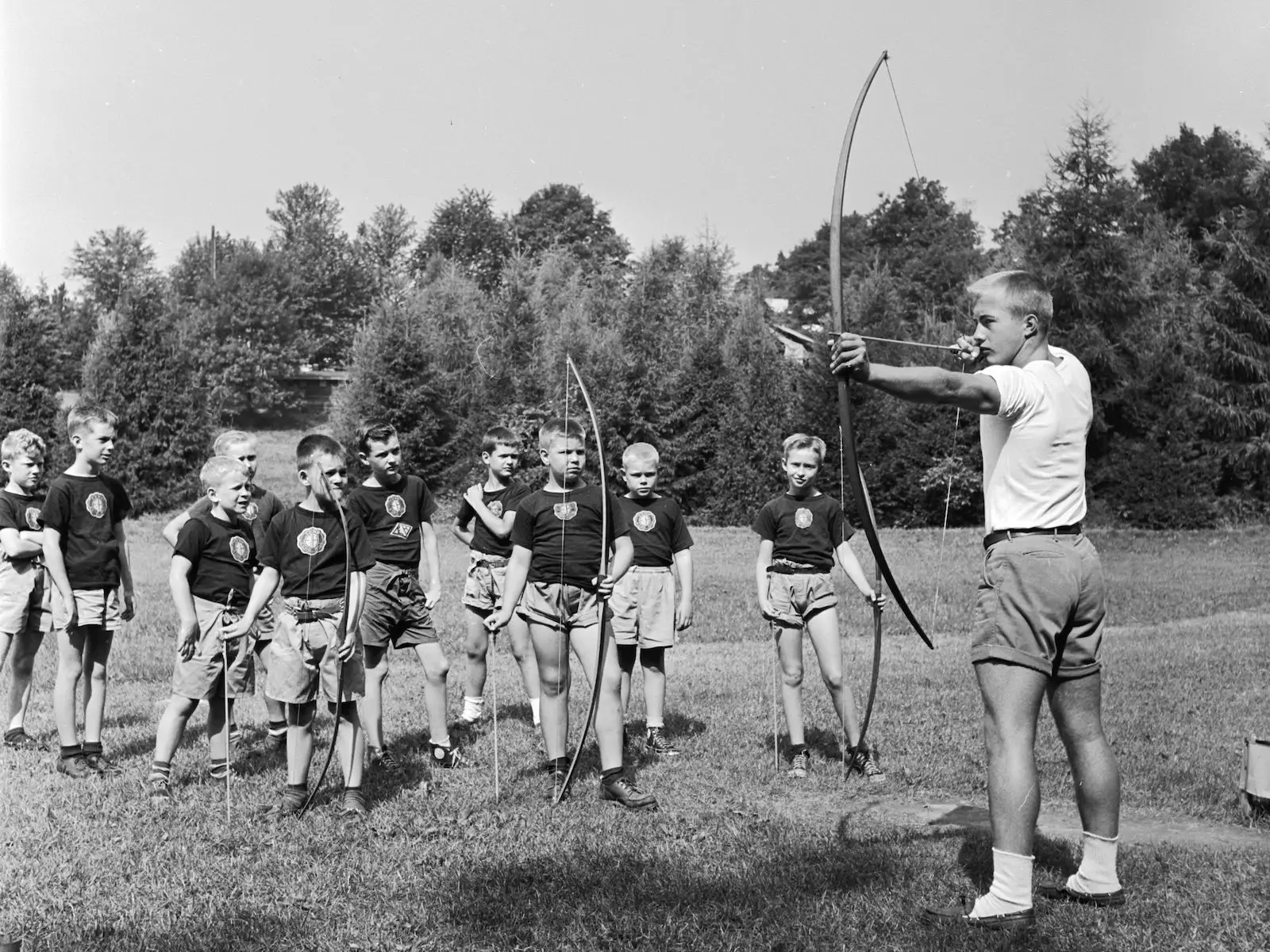
Summer camps were introduced in North America in the 1880s as a product of the “back-to-nature” trend, a movement gaining traction in an increasingly industrialized world, Slate reported.
One of the first organized summer camps in America, Camp Chocorua, was located in New Hampshire.
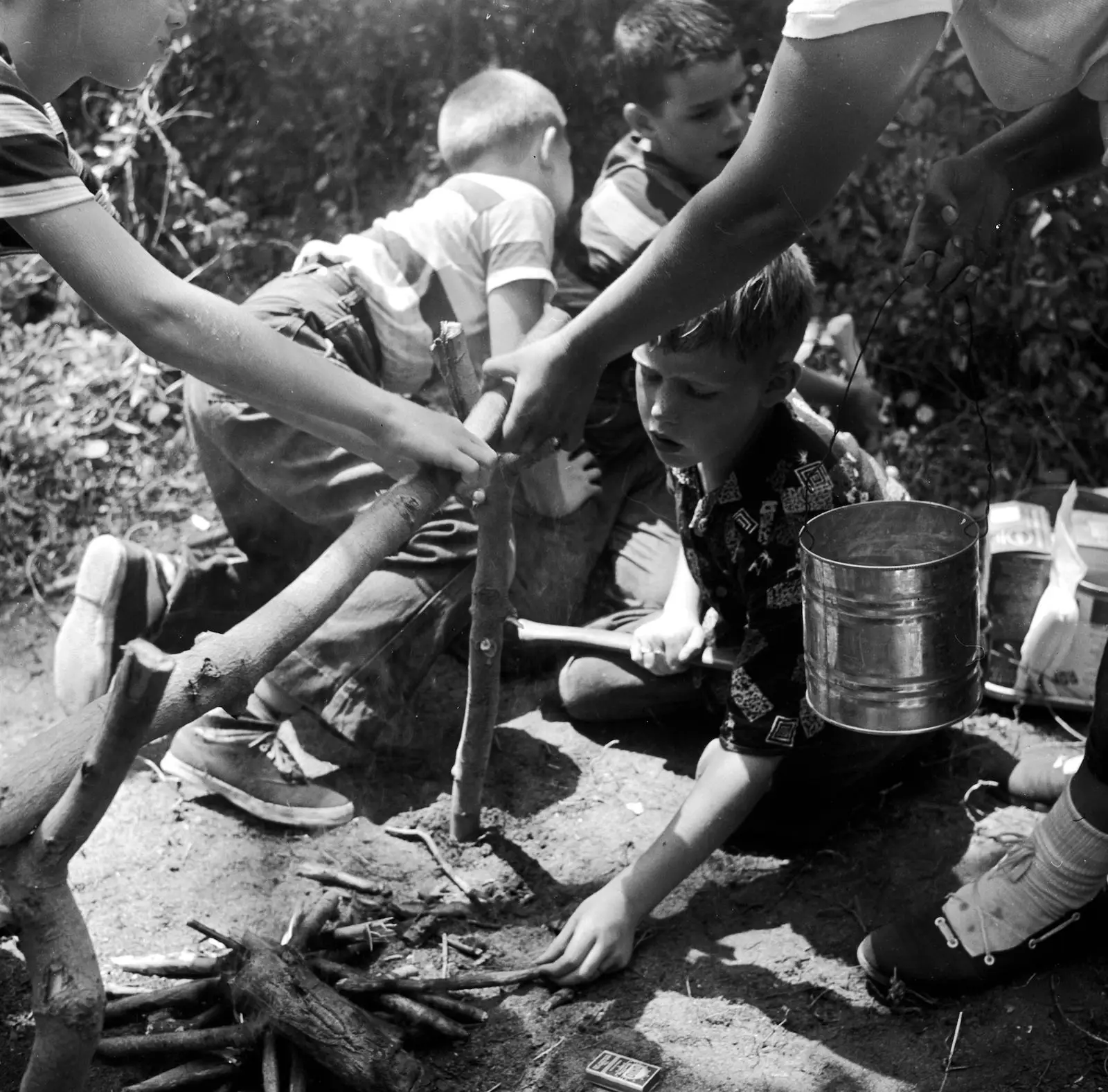
Open from 1881 to 1889, the camp was founded by Dartmouth student Ernest Balch, per the Lake Winnipesaukee Museum.
Before email, campers relied on snail mail to stay in touch with friends and family.
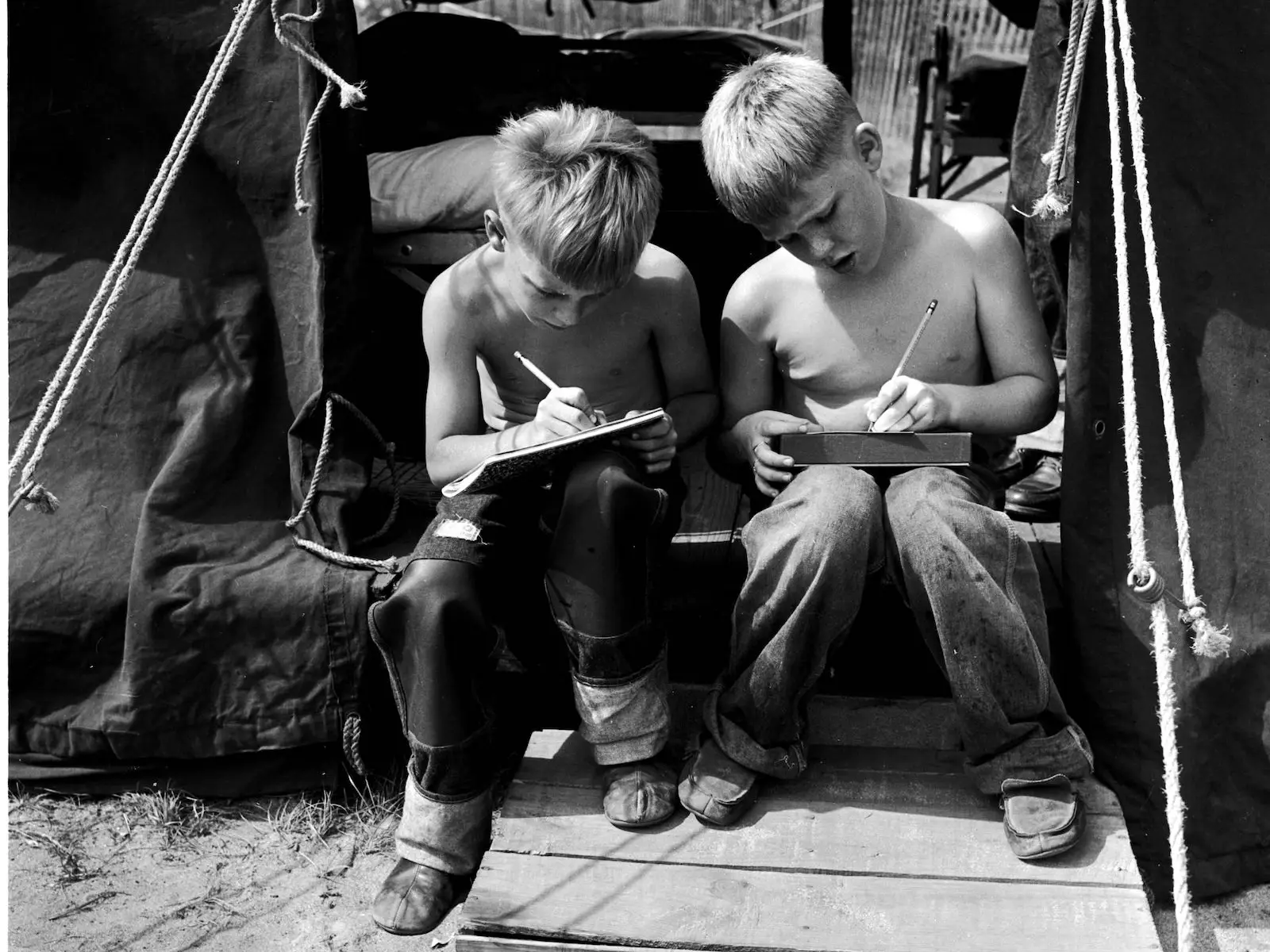
Throughout the USPS’ history, it’s used a handful of methods to deliver mail. Steamboats and stagecoaches were common methods at first, followed by railroads and automobiles.
There were camps to fit every interest, including programs run by military academies.
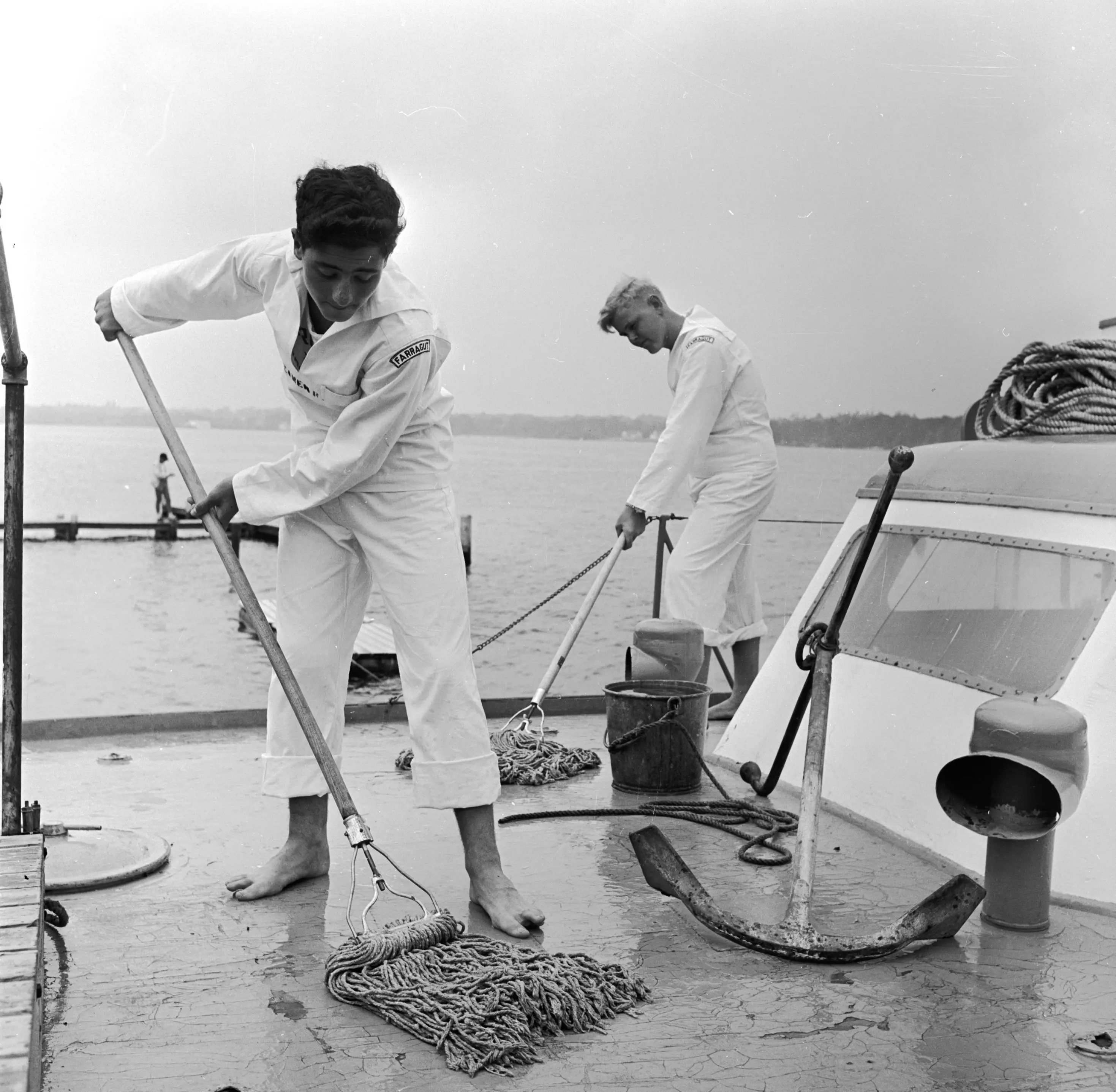
Admiral Farragut Academy, a military academy and prep school, operated a summer camp at its campus in Pine Beach, New Jersey.
Although the Garden State school closed in 1994, the Academy still operates its second campus in St. Petersburg, Florida, according to the academy.
Camps were also run by religious organizations.

The Epworth League, a Methodist youth association, operated day camps for city children, according to Case Western Reserve University. One of the organization’s camps was located in Jamesport, New York, on Long Island.
The campgrounds we’re familiar with today were established in the 1930s.
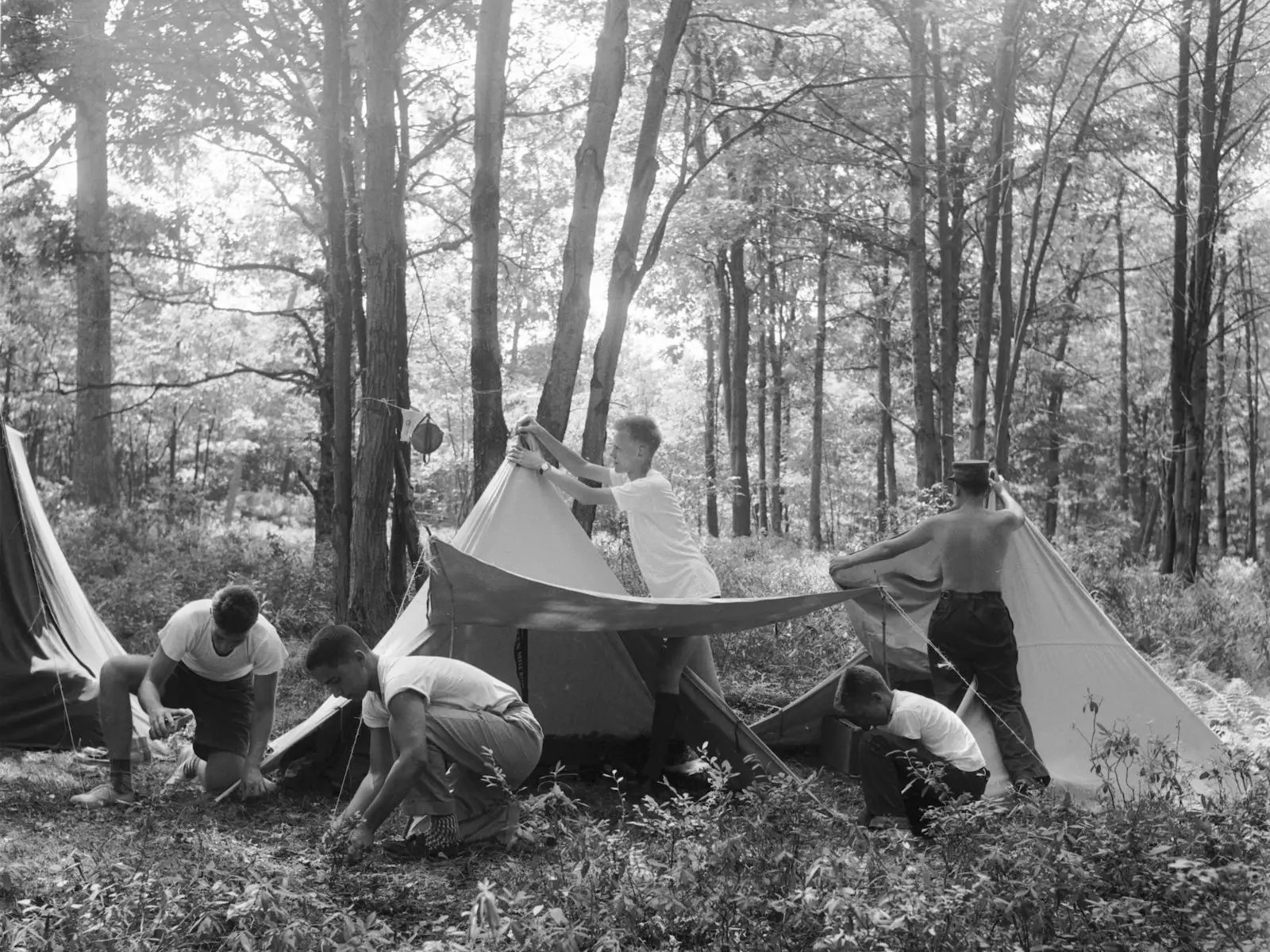
They were developed by the National Park Service as “Recreation Demonstration Areas.”
People who camped also went fishing.
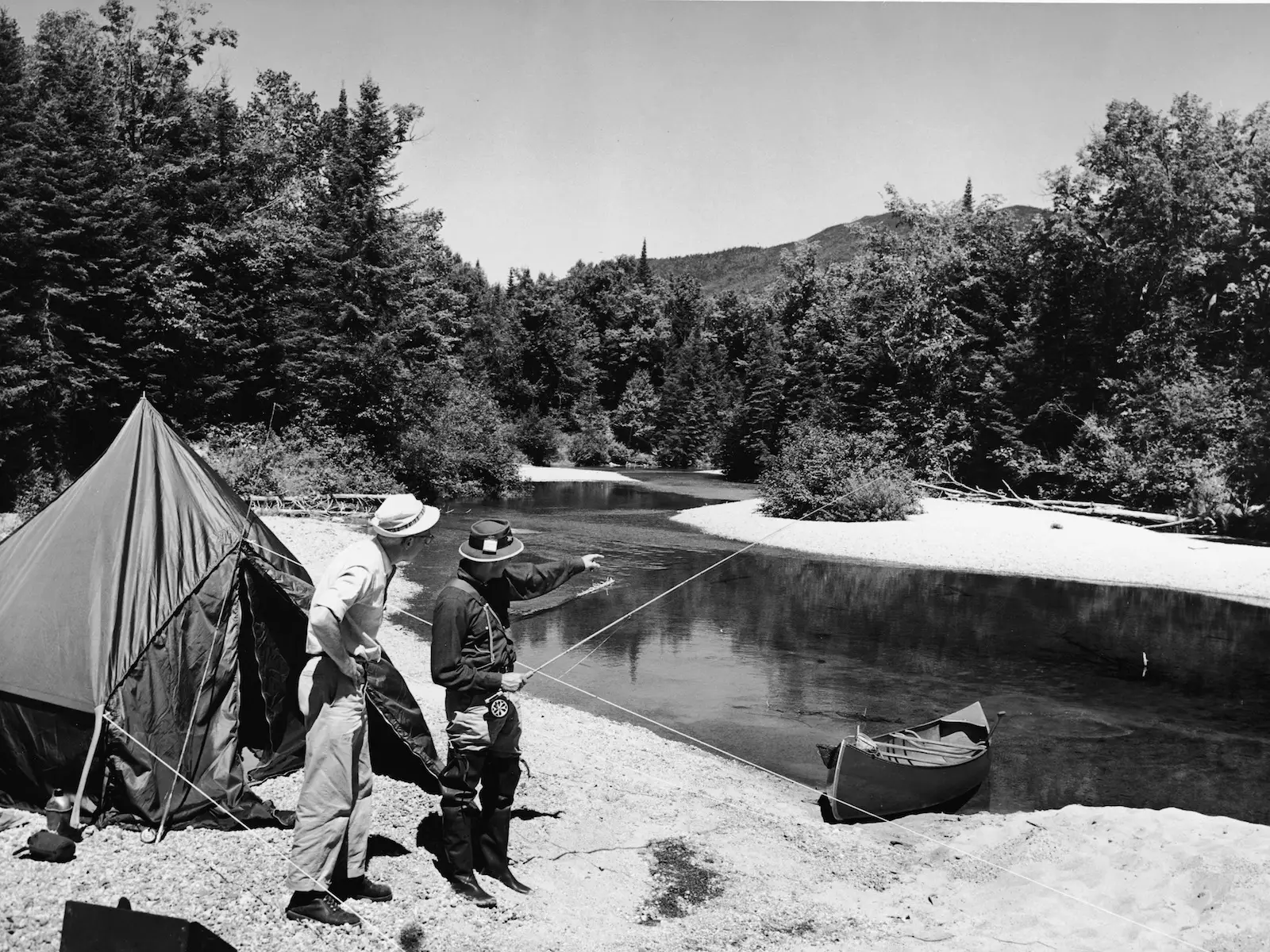
New Hampshire, which has 944 lakes per the New Hampshire Department of Environmental Services, remains a go-to destination for fishing enthusiasts.
Read the original article on Business Insider
The post 33 vintage photos show how Americans used to spend their summers appeared first on Business Insider.