
Just over a year after helping to establish the grassroots group Stay in LA in the aftermath of the Palisades and Altadena wildfires, Kate Holguin is finally starting to see some signs of hope for entertainment workers in Hollywood.
That’s because after ringing the alarm bells, politicians are starting to treat the decline of local film and television productions in Hollywood’s backyard with the urgency that she and her colleagues want. Not only did state lawmakers rush to approve a drastic increase in the California production tax incentive that is starting to bear fruit, but the push to keep that momentum going has become a key issue in the local elections that reach a key stage with Tuesday’s primary.
That includes not just the tight mayoral race between incumbent Karen Bass, Republican challenger Spencer Pratt and City Councilmember Nithya Raman, but also a key Westside city council race between Traci Park and Faizah Malik that will be decided this coming week.
“No matter what office they are running for, whether it’s local, state or federal, we are seeing that Hollywood is part of their campaign platform,” said Holguin, who is Stay in LA’s head of legislative affairs. “Elected officials understand what production workers mean to the local economy in Los Angeles, and if we let it go, it’s not going to come back.”
With entertainment industry layoffs mounting, the two-year decline in production only now starting to subside and more advocates like Holguin remaining vocal, Hollywood has become a key issue that could factor in tomorrow’s elections — even matters like affordability and homelessness remain front and center on voters’ minds.
The mayoral race
In February, Bass reiterated the need for productions to say local at an opening of Cinespace’s new soundstage complex in Woodland Hills, one of several soundstage openings and construction sites the former congresswoman has held press conferences at over the past year. Bass also signed an executive order in May 2025 commanding local departments to cut costs for film productions, worked with FilmLA to introduce a pilot program for “low impact” permits, and recently reduced the shooting fees to film at Griffith Observatory — used in classic films from “Rebel Without a Cause” to “La La Land” — from $100,000 to $30,000.
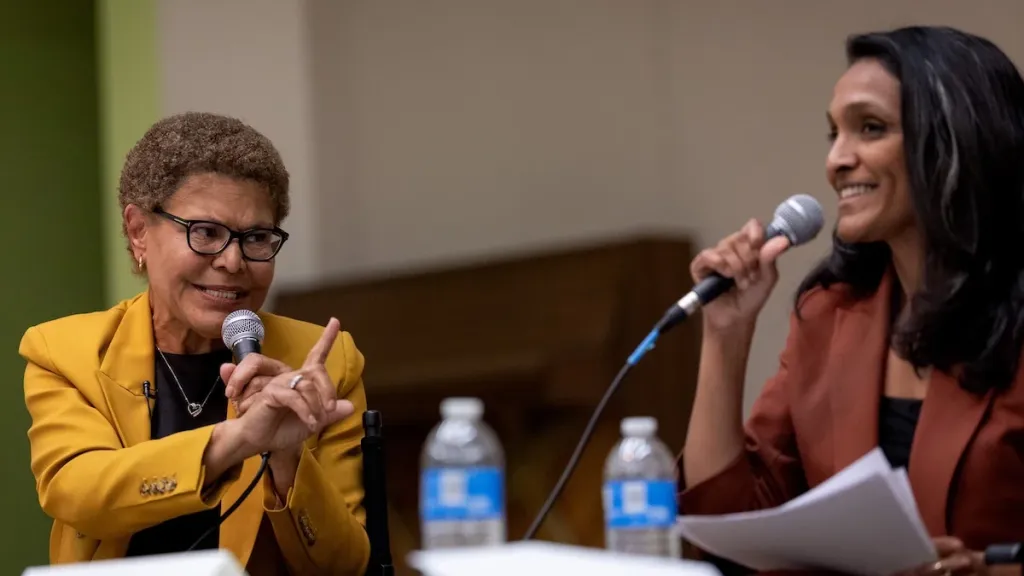
“When we invest in the [entertainment] industry, the industry invests in Los Angeles, and I think it’s important that we always educate Angelenos to all of the ways the industry impacts our economy, all of the ancillary businesses, and all of the economic growth that happens when industry stays here and films here,” Bass said at the Cinespace opening.
Bass campaign insiders told TheWrap that her commitment to publicly addressing the production crisis has been paying off, as internal data shows that is her strongest polling issue at a time when she has faced intense criticism in other areas, such as the effectiveness of her Inside Safe program to combat homelessness and her response to last year’s wildfire.
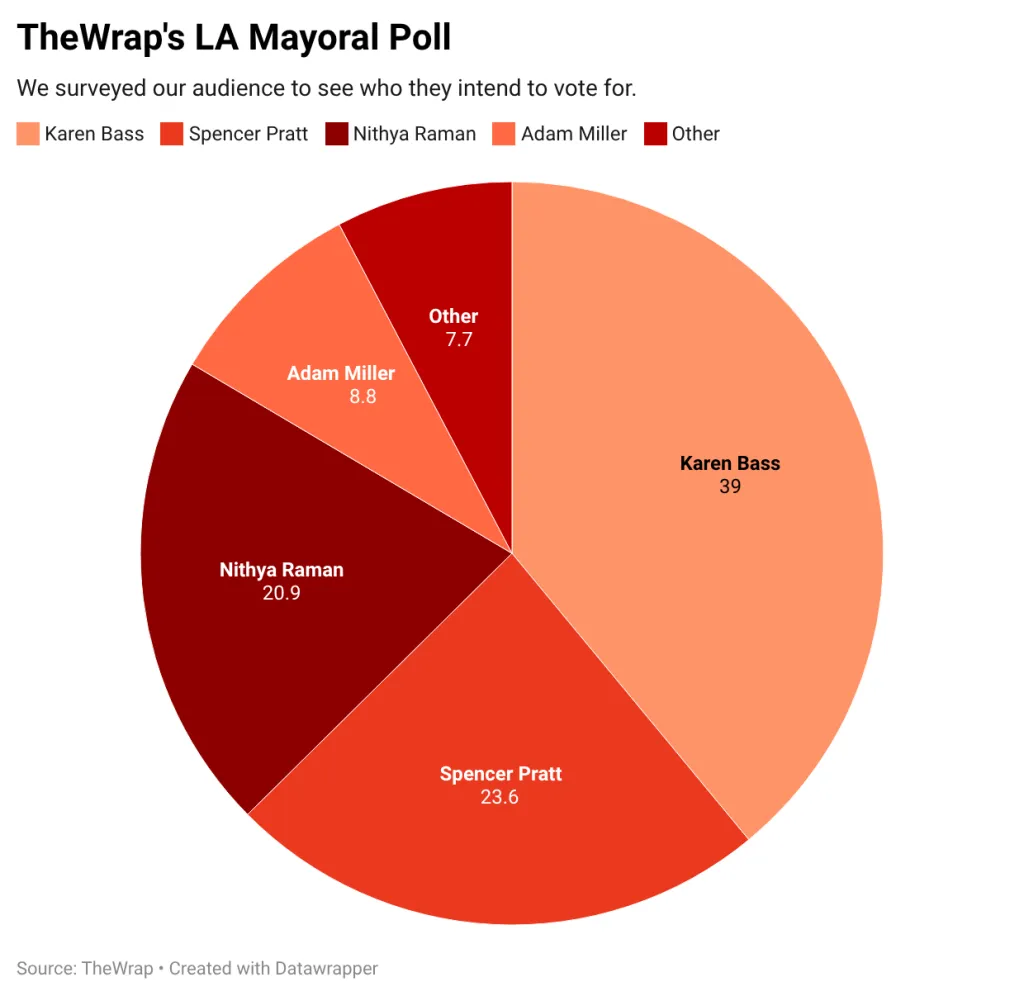
She will need that support as she faces a major challenge in this June’s primary from city councilmember and one-time ally Nithya Raman, who used her Hollywood connections as the former executive director of Time’s Up to help build the coalition that got her elected to the city council in 2020 as the first candidate to oust an incumbent in Los Angeles in 17 years. Pratt, the right-wing contender in the race, has also drawn major donations from some entertainment figures in Hollywood, including Los Angeles Lakers owner Jeanie Buss, Universal Music Group chairman/CEO Lucian Grainge, and media mogul and longtime Democrat donor Haim Saban, and is ahead of Raman in our own poll of Wrap readers.
In the remaining months of her current term and in a potential new one, Bass plans to orient around her recently appointed film liaison, Steve Kang, who has been given authority to bypass other city departments to fix issues for local productions. In an interview with TheWrap, Bass said Kang’s appointment came after months of input from producers and unions, deciding that Hollywood would be better served by a liaison with a deep grasp of LA bureaucracy than showbiz.
“I could have made that appointment many, many, many months beforehand, but the industry was not ready for that, and I happen to be a believer that the best way to do policy is to do it with people rather than just coming in and deciding what everybody wants, and so what we have done with the industry has been in that regard,” Bass said
As an example of his work, Kang told TheWrap that he received word from a production set to film at the Griffith Observatory that they were being told they could not shoot on the scheduled date because the city’s Parks and Recreation department was set to fertilize the grass outside the famed observatory. Armed with mayoral authority, Kang called Parks and Rec and told them to postpone the fertilization to allow the shoot to continue on schedule.
“What we didn’t have in Los Angeles was a method to resolve problems immediately,” Kang said. “Shoots would have to wait days or sometimes weeks to hear back from a certain city department. My goal is to resolve issues for productions within minutes.”
When asked what her plans are to improve production, Raman called for expanding Kang’s office into a fully staffed city office that can respond to more productions quickly and growing FilmLA’s “low-impact” expedited permitting program to allow productions with as many as 50 cast and crew members to apply rather than the current limit of 30. “In addition, we need permitting to be faster and more predictable with clear timelines. This will require structural reforms and getting bureaucracy out of the way. Los Angeles must be a reliable partner to productions no matter their size,” Raman told TheWrap. “We’ll require regular review of filming restrictions, whether they’re council-set or LAPD location notes. Restrictions that can’t be justified should expire.”
Pratt’s campaign declined multiple requests from TheWrap for an interview, but in a Substack post published in April, the former star of “The Hills” vowed to issue an executive directive “to force seven-day FilmLA approvals and zero on-set city staff for 90% of productions,” as well as sweeping plans to waive all permitting fees for productions with budgets below $2 million as well as requiring the city’s police, fire and transportation departments to issue “instant pre-approvals for standard street closures and safety plans.”
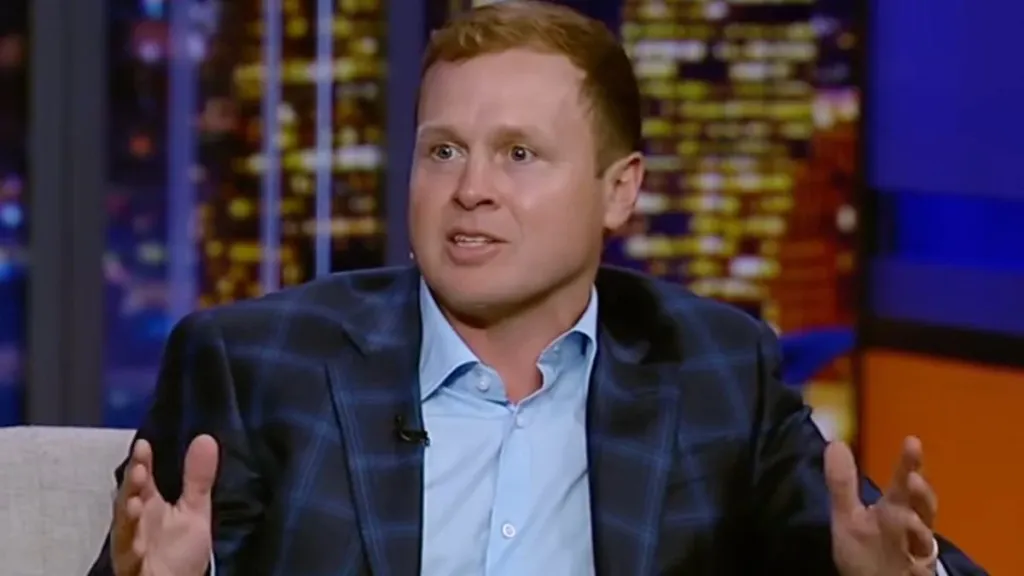
“Beyond that, and perhaps above all else, I will make LA camera-ready again. We need to clean the streets of Zombieland, and make this city a safer and more appealing place to shoot; we can’t expect every production to be a zombie apocalypse film,” he added, vowing a “zero-tolerance” policy from dedicated LAPD units that would clear homeless people from areas where shoots were set to take place and protect crew members from harassment.
Bass stopped short in her conversation with TheWrap of such sweeping promises regarding special conditions or regulations, opting instead for an approach of chopping down production hurdles quickly on a case-by-case basis as studios and producers bring them to her and Kang while the city council devises a more comprehensive approach to reviewing special conditions.
“I’m open to looking at any special condition. There’s a lot of stuff in the city that happens because it’s always happened for no particular reason, or maybe it made sense 25 years ago, and makes no sense right now. Unfortunately, those things kind of have to come up, as opposed to there’s some magic list somewhere that I could just say I’m eliminating all these things,” she said. “But I’m open to eliminating or changing or waiving whatever is in the way.”
A key city council race
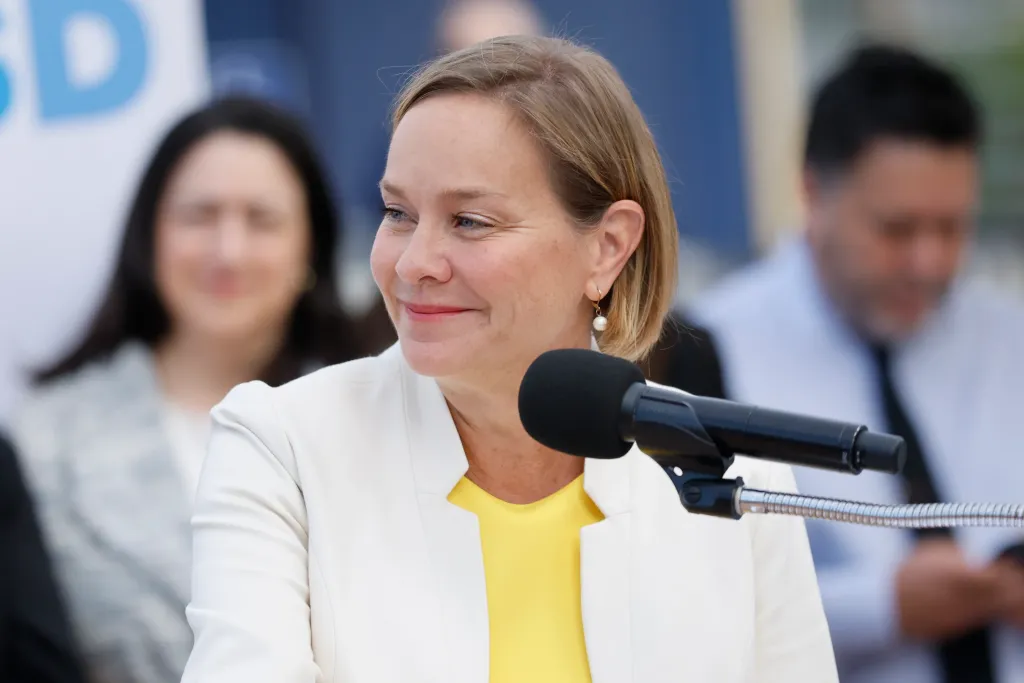
But while the mayoral race is getting all the headlines, Hollywood is also playing a key role in a city council race that won’t need a November runoff to decide the winner. In Council District 11, which spans West LA from the Palisades to Westchester, incumbent Traci Park is seeking re-election in what is expected to be a tight race against housing and civil rights attorney Faizah Malik, who is running to her left. Since they are the only two candidates on the ballot, Tuesday’s election will decide who takes the council seat for the next four year term.
Park was elected to the city council in 2022 with 52% of the runoff vote off of a wave of frustration, particularly among Venice residents, over widespread homeless encampments. Park has touted the removal of those encampments as a major part of her re-election campaign, while Malik has criticized Park for not doing enough to improve housing and renter protections in the district with particular debate over Park’s opposition to an already approved housing project for low-income and homeless residents called Venice Dell.
But when it comes to Hollywood, Park has followed the same playbook as Bass with multiple press releases and public appearances at press conferences where she has spoken about the work to bring shoots back. It is personal for Park, as her husband is a member of the Motion Picture Editors Guild and has struggled with finding work.
The councilmember was particularly focused on her efforts alongside Bass and other city and state officials to bring Fox’s reboot of “Baywatch” back to where the original 90s series filmed at Will Rogers State Beach instead of moving to Australia. Park told TheWrap that it took her and her office, in coordination with Kang, roughly 18 months to get the multiple local and state government approvals for “Baywatch” to film at Venice, including a trip north to the state’s Coastal Commission offices in Santa Cruz.
“My team and I spent a lot of time behind the scenes collaborating with the county and their departments, the lifeguards, beaches and harbors, also with the mayor’s office and her team, and our own city department responsible for the three miles of Venice boardwalk,” she said.
Park also touted her support of a suite of motions authored by Councilmember Adrin Nazarian that passed through City Council in March that includes eliminating permitting fees for shooting on public-private property when safety personnel are not required and establishing fast-track certification of new soundstages. On the matter of special conditions, she took a similar case-by-case stance to Bass, noting that many special conditions in her district involve driving and parking access in residential areas.

Given that housing law is her expertise, Malik says she has spent much of her campaign since it launched last year getting up to speed on the issues producers have with filming in Los Angeles. On her campaign website, Malik expresses support for Stay in LA’s platform of drastically reduced fees and regulations and interest in exploring whether film permitting should be handled directly by the city instead of contracted out to FilmLA if it means the permitting process can be handled more efficiently.
“Red tape is the one constant I keep hearing in my talks with Stay in LA and other producers and workers,” Malik told TheWrap. “That is something the city council, alongside the mayor’s office, can directly control.
That’s not to say that she has come into the race with zero interaction with the industry. She notes that as part of her organizing work around last year’s changes to the Rent Stabilization Ordinance, which saw the cap on annual apartment rent increases lower from 8% to 4%, she regularly spoke with IATSE members as a significant portion of crew workers do not make enough to afford a home in Los Angeles.
“Entertainment workers made up a large portion of the people who showed up to public comment to tell the city council that they were struggling to find steady employment and keep up with rent increases,” Malik said. “We’ve seen a lot of industry folks join coalitions advocating for affordable housing, and that’s partly why housing is such a major part of my campaign. We lose talent in so many industries, including ones that are core to Los Angeles’ economy and identity like entertainment, if people in those fields cannot afford to live here.”
While an important issue, Hollywood won’t be the one that defines the 2026 election in Los Angeles, even among those within the industry. In a survey of 180 readers of TheWrap, 32 said production jobs was their primary issue as a voter, third highest behind affordability with 51 respondents and homelessness with 41.
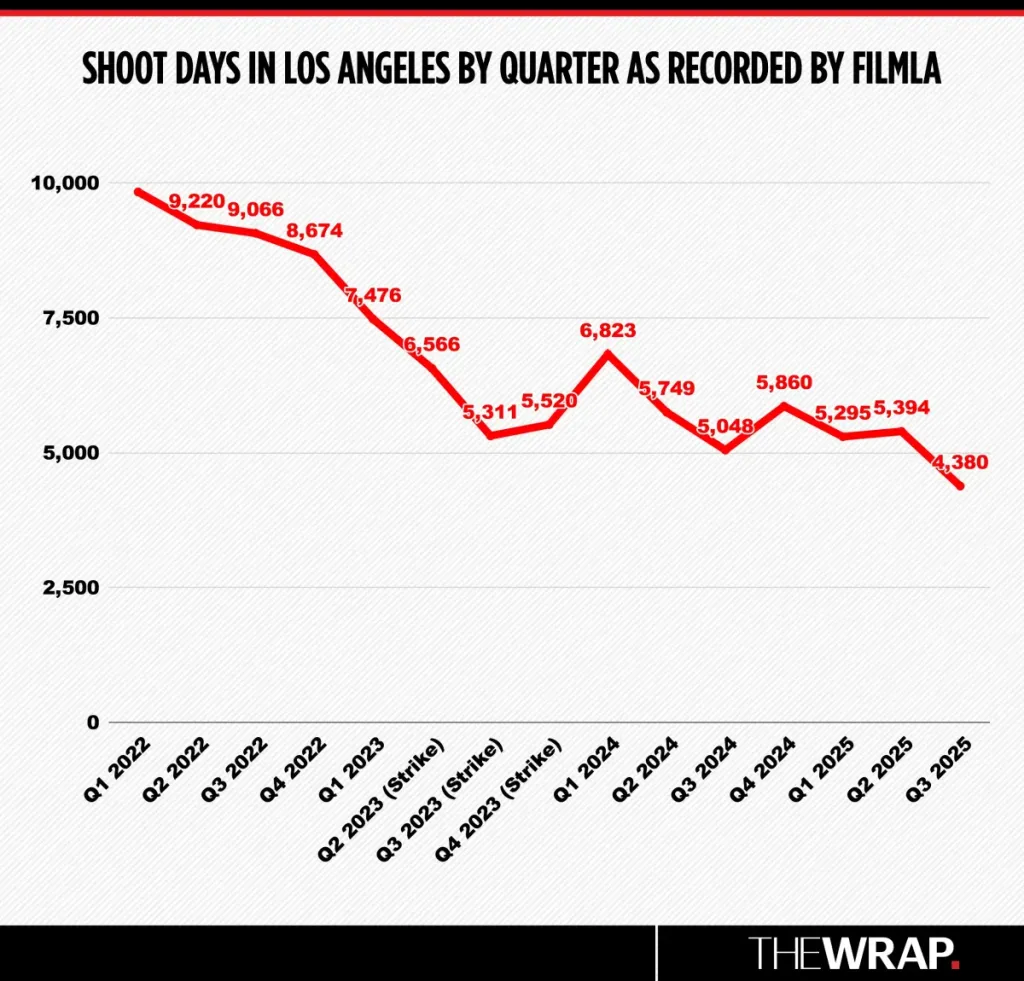
But with entertainment such a major part of the local economy, preventing a total collapse of the industry is something that candidates cannot ignore, particularly now that California’s expanded tax credit program has helped stop the decline that has unfolded over the last two years. The most recent report from FilmLA, which has been in contact with all of the mayoral candidates to ensure a smooth transition regardless of the election’s outcome, shows that the number of on-location shoot days in Los Angeles rose by 10% in the first quarter compared to the last three months of 2025, and another increase is expected in this quarter as more film and television shoots that received tax incentives like “Baywatch” have begun rolling cameras.
Holguin says that this increase is vital, because whether Bass, Raman or Pratt is mayor in 2027, Stay in LA and other Hollywood stakeholders need to show that providing a more favorable environment for shooting has had a meaningful impact in the lives of thousands of entertainment workers, providing a case for raising the cap of California’s state production incentive program beyond its new limit of $750 million, or perhaps removing the cap entirely.
“The irony is that much of this election is about what candidates can do in the years to come, but Stay in LA is even more focused on what is being done right now,” Holguin said. “Workers can’t wait until election day for change, and the more that is done now to make it easier to film in LA, the greater the ripple effects will be down the line.”
The post How LA’s Fight for Its Entertainment Future May Tilt a Tight City Election appeared first on TheWrap.