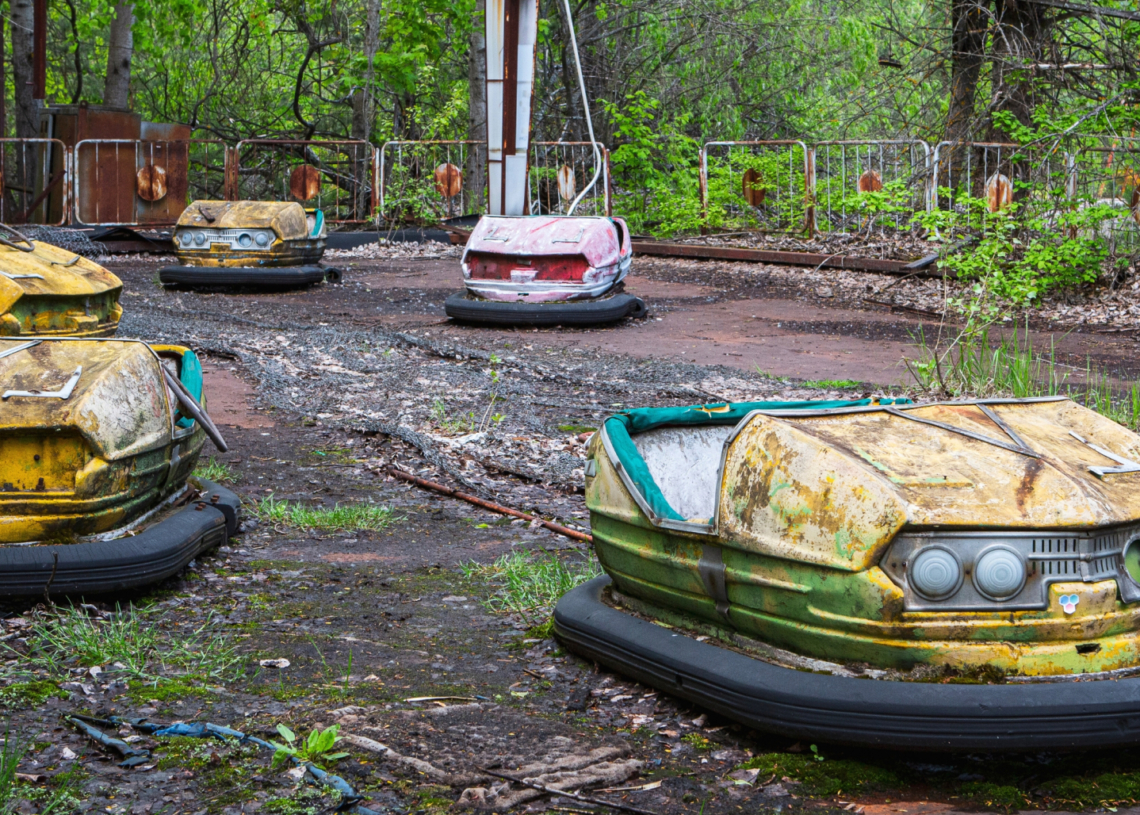
Chernobyl is the place you picture when you think “absolutely do not go there,” yet somewhere inside the radiation-soaked location, a black, velvety mold is thriving like it owns the place. Clinging to walls that would send a Geiger counter into a panic, this fungus acts like nuclear fallout is just a silly thing that happened long ago.
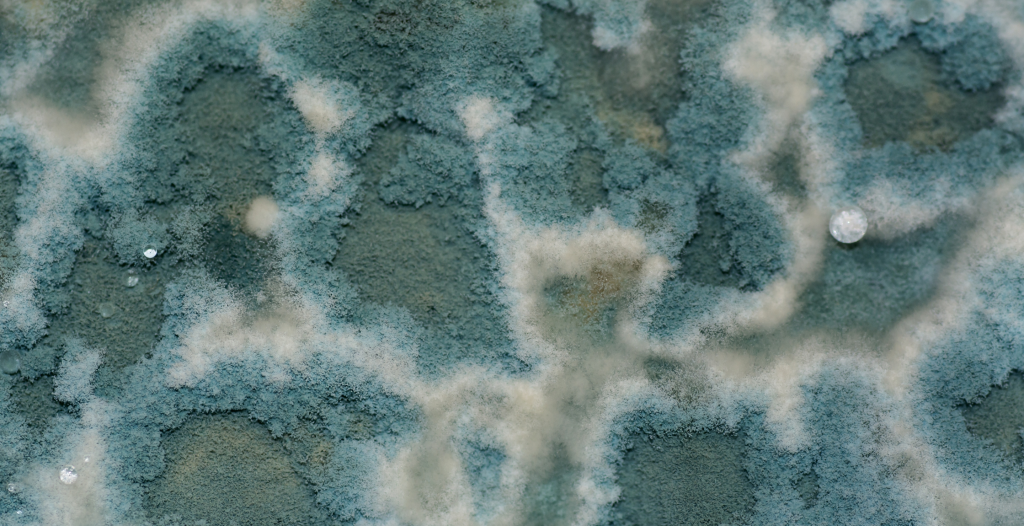
The organism is Cladosporium sphaerospermum, a melanized fungus whose dark pigment might be doing a strange kind of work. Some researchers suspect its melanin can interact with ionizing radiation in a way that echoes photosynthesis, a proposed process called “radiosynthesis.”
The mystery began in the late 1990s, when microbiologist Nelli Zhdanova’s team went into the Chernobyl shelter expecting a near-dead zone and instead cataloged 37 species of fungi inside one of the most radioactive buildings on Earth. Many were deep brown to black, loaded with melanin, and C. sphaerospermum dominated the samples while carrying some of the highest radioactive contamination.
Chernobyl Fungus Has Evolved a Strange New Power
That was odd enough. What followed was even stranger. In 2007, radiopharmacologist Ekaterina Dadachova and colleagues exposed melanized fungi, including C. sphaerospermum, to intense ionizing radiation. The pigmented strains under radiation grew faster and produced greater biomass than controls or pigment-free mutants. The team wrote that ionizing radiation “could change the electronic properties of melanin and might enhance the growth of melanized microorganisms.”
Later experiments took Chernobyl’s pet fungus off-world. In 2020, scientists sent C. sphaerospermum to the International Space Station and let it grow in a petri dish under cosmic rays. Sensors beneath the fungal mat recorded a small but measurable reduction in radiation compared with a bare control dish, suggesting that even a thin layer of this stuff can act as a biological shield. Thicker layers could, in theory, provide more substantial protection.
The sci-fi fantasy is a creature “eating” radiation and turning it into energy. Scientists aren’t quite ready to say that. A 2022 team led by Stanford engineer Nils Averesch pointed out that no one has shown clear carbon fixation or a defined energy pathway driven by radiation alone, noting that “actual radiosynthesis… remains to be shown.”
Other melanized fungi complicate the picture. The black yeast Wangiella dermatitidis shows enhanced growth under radiation, while Cladosporium cladosporioides mainly ramps up melanin without a growth boost. Whatever is happening at the intersection of melanin and radiation, it does not behave like a simple on–off switch.
For now, C. sphaerospermum feels less like a monster-of-the-week and closer to a strangely helpful lab partner. It hints at future radiation shields for astronauts and nuclear workers, and it underlines a bleak comfort: even in places we broke in spectacular fashion, life keeps trying new tricks we still hardly understand.
The post Something Strange Is Happening to the Fungus in Chernobyl appeared first on VICE.