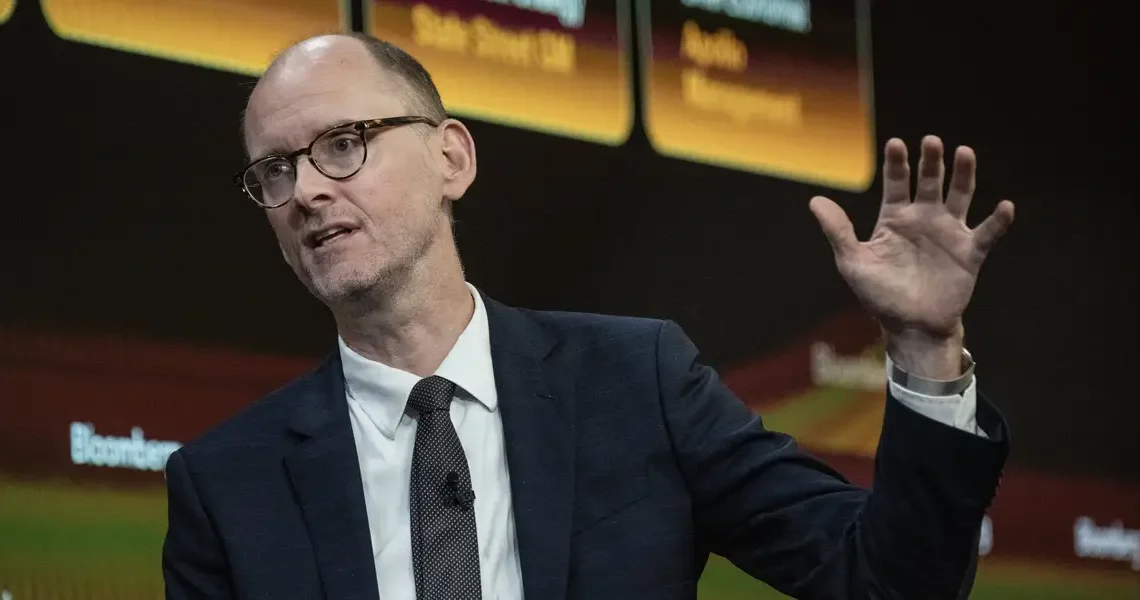
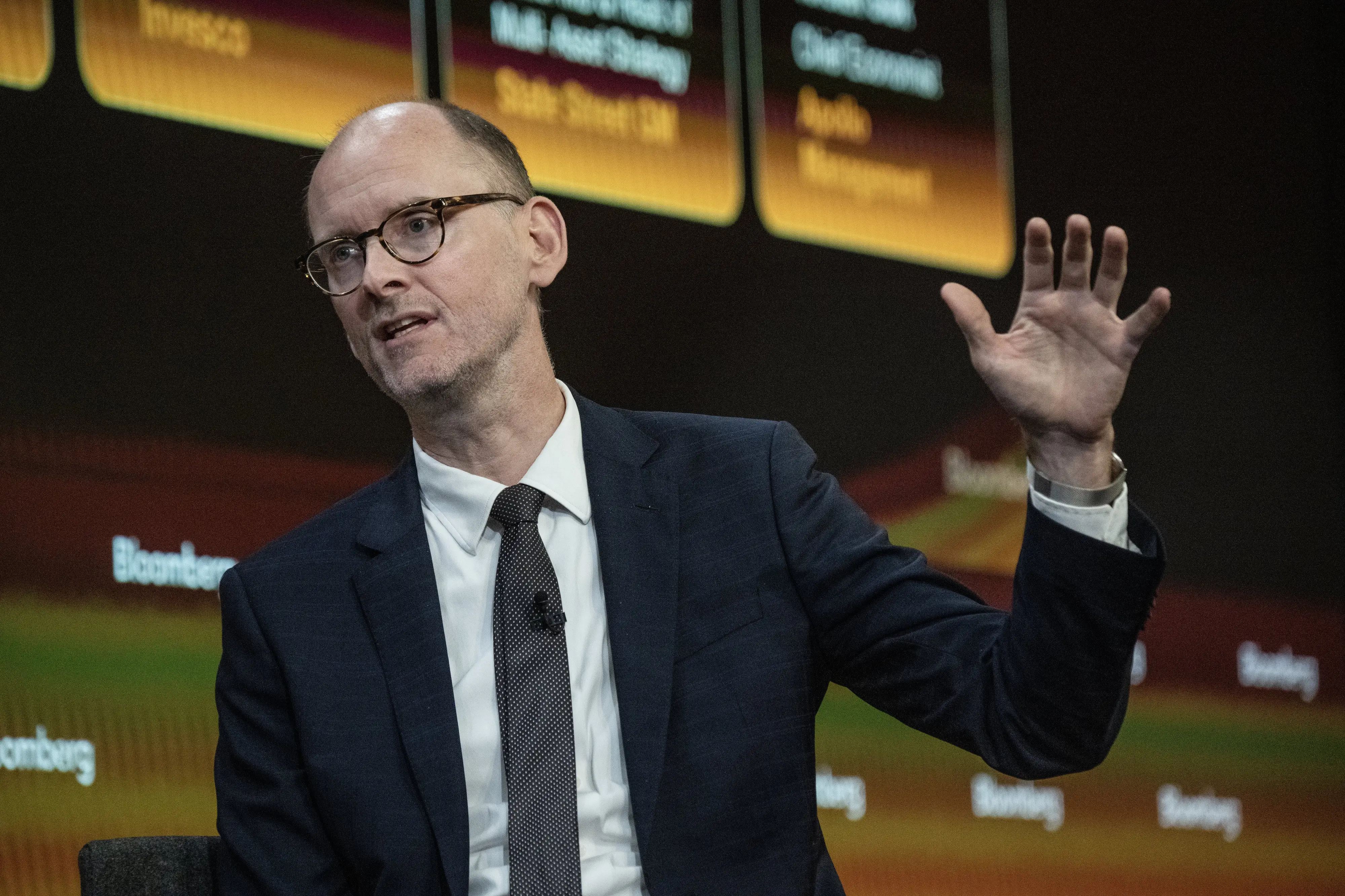
Anyone worried that AI will replace them should take a deep breath, at least according to Apollo Global Management’s chief economist.
In a blog post on Friday, Torsten Sløk said there is “zero evidence of job losses because of AI,” citing the ADP National Employment Report. Instead, he said, companies are hiring candidates who have AI skills.
“Many firms are hiring AI implementation experts, and the data center buildout is putting upward pressure on salaries for AI experts and on prices of semiconductors, equipment, and energy,” Sløk said. “The bottom line is that the AI spending boom is stoking both employment and inflation.”
Sløk echoed that sentiment in an April blog post, writing that “cheaper inputs don’t shrink industries. Instead, AI is going to increase both productivity and employment.”
The latest ADP report found that private companies added almost 110,000 more people to their payrolls in April.
Anxiety that AI will eradicate the average job is everywhere, stoked in part by those behind the technology. While Anthropic CEO Dario Amodei and OpenAI CEO Sam Altman have recently changed their tune as they gear up for their respective IPOs, they have both warned for years that AI could upend entire job categories. Amodei famously said last year that AI could wipe out half of all entry-level white-collar jobs.
Sløk’s analysis resonated with some figures in the AI industry, including Box CEO Aaron Levie, Dell CEO Michael Dell, and White House AI and Crypto Czar David Sacks, who all agreed with his view in X posts over the weekend. David Solomon, CEO of Goldman Sachs, also made a similar argument last week in a New York Times opinion piece.
An EY survey of 240 financial service CEOs, meanwhile, found that about 60% thought investing in AI would maintain or increase their staff head count in 2026.
These optimistic takes, however, seem to clash with recent reality. At least a dozen major companies have cited AI as a factor in staff layoffs this year. In February, Block CEO Jack Dorsey said the company was slashing its workforce from over 10,000 to under 6,000.
“We’re already seeing that the intelligence tools we’re creating and using, paired with smaller and flatter teams, are enabling a new way of working which fundamentally changes what it means to build and run a company,” Dorsey said in a memo shared to X. “i had two options: cut gradually over months or years as this shift plays out, or be honest about where we are and act on it now.”
Cisco, Atlassian, Cloudflare, Coinbase, IBM, and Snap are also among the companies that have cited AI as a reason for layoffs.
Nvidia CEO Jensen Huang, one of the pillars of the AI industry, has criticized companies that blame AI for layoffs. “I think the narrative that connects AI to job loss for many of the CEOs that are doing it is just too lazy,” Huang told a media outlet in Singapore last week.
Altman has called the practice of blaming AI to reduce staff “AI washing.”
In his blog post on Friday, Sløk said that, in his view, the current employment climate is an example of the “Jevons paradox,” an economic theory that says as new technology increases the efficiency of a resource, the more that resource is consumed.
In this case, that resource would be human workers.
“It is Jevons paradox playing out in real time: cheaper technology is creating more demand and more jobs,” Sløk wrote.
Read the original article on Business Insider
The post Apollo’s chief economist says he sees ‘zero evidence’ of AI-related job losses, even as CEOs cite the tech in layoffs appeared first on Business Insider.