What if your favorite TV show was also a blog? With a livestream? And you could interact directly with the creators and stars in the comment section?
That’s part of Substack cofounder Hamish McKenzie’s vision for how the platform can expand beyond newsletters. Substack wants its HBO moment.
Substack launched a TV app in January, and McKenzie said he sees a future where people use the platform to subscribe to their favorite channels, studios, or independent filmmakers — along with listening to podcasts, reading the written word, and commenting.
“It’s already happening,” McKenzie told Business Insider in an interview during an all-day event this week.
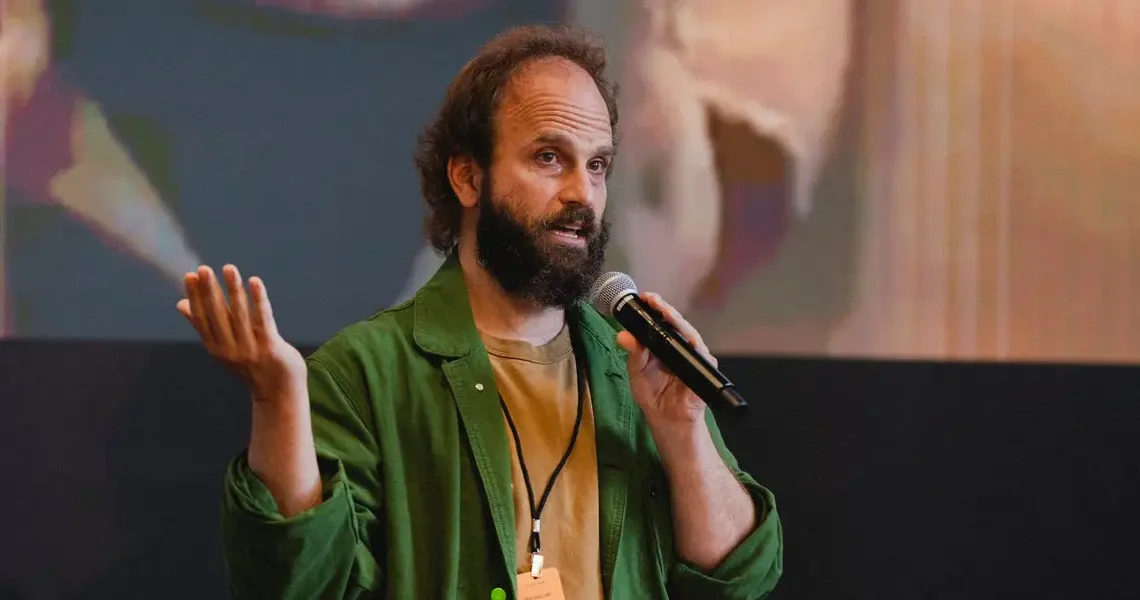
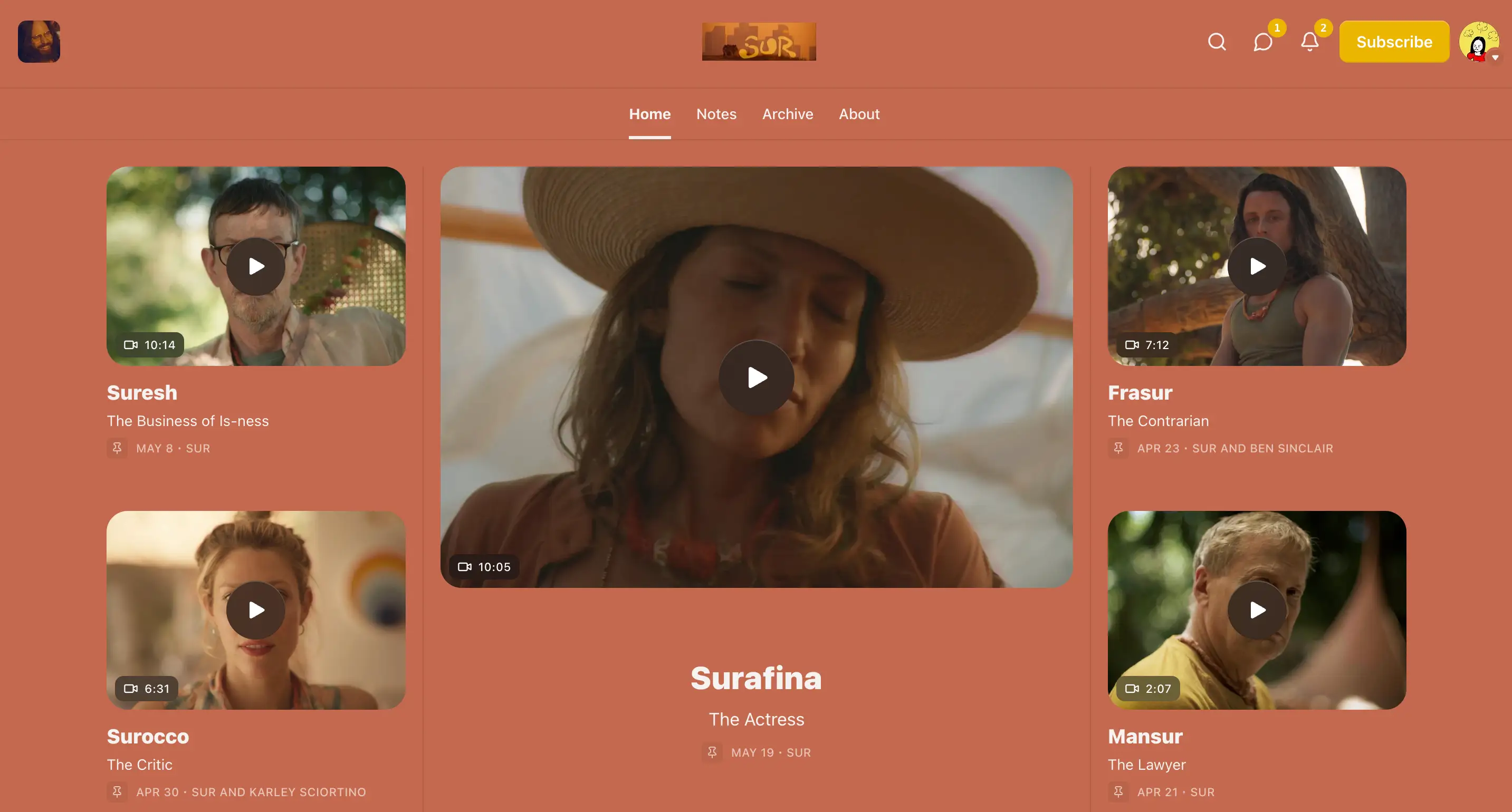
Feet away from McKenzie was Ben Sinclair, the creator and star of HBO’s “High Maintenance,” which aired from 2016 to 2020. His latest project, “The SUR Experience,” isn’t dropping weekly episodes on a streaming service. It’s not on YouTube, either. It’s on Substack.
Substack’s major move into video began last year when it rolled out a live video feed and Jim Acosta, formerly of CNN, started broadcasting from the platform.
“The opportunity is to help their customer base of creators deepen and embolden paid audience relationships through another medium, which is video,” Brandon Katz, an entertainment strategist and director at Greenlight Analytics, said of Substack’s foray into video.
Substack has grand ambitions, but it has an uphill battle competing with other free and paid video streamers, from Netflix to TikTok, and it would have to train users to think of it as more than a newsletter platform.
The biggest obstacle to Substack’s success in video might be how much of a juggernaut YouTube has become. YouTube is no longer just a fixture on phones. It’s also the top streaming service on TVs in the US, and it’s aggressively pitching advertisers to win TV budgets.
“You go home, you sit on your couch, you open the YouTube app, and you watch this television show the same way that you would any other television show,” Kareem Rahma, the “Subway Takes” creator, said this month at a premiere for his new YouTube show, “Keep the Meter Running.”
‘There’ll be people in the comments every show’
McKenzie said Substack isn’t trying to replicate the old TV model, built around half-hour episode series funded by 30-second spots.
Instead, the Substack version of television he has in mind is more like a web series, funded by sponsorships. He pointed to the original episodes of “High Maintenance,” which varied in length from a few minutes to 15 minutes, for example.
Part of his pitch to creators is that, unlike traditional TV companies, Substack offers commenting tools that let creators build a direct relationship with their show’s fans.
Imagine, he said, if a series like “Succession” had aired on Substack instead of HBO.
“There’ll be people in the comments every show, there’ll be live chats all the time about it,” McKenzie said. “There’d be behind-the-scenes Substack lives going on every so often.”
Creating an interactive TV experience is no easy feat, however. TV has largely been a lean-back phenomenon — in part because of consumer preference.
“Media has been trying to get interactive TV right for years, and nobody has quite nailed it yet,” Katz said.
Then there’s the question of whether “Succession” could have gotten anywhere near the buzz it did had it not had the backing — both financial and cultural — of HBO. It had an estimated production budget of around $90 million per season, according to TheWrap.
HBO’s brand and audience reach are key to creating viral shows.
McKenzie said a big draw for creators would be the ability to keep making money from a show’s community even after it ends.
“The show makers would be continuing to make the money from those subscriptions, and they’d be keeping the 90% of the revenue,” he said.
Will the subscribers stick around, though? That remains to be seen.
Substack’s TV era is upon us
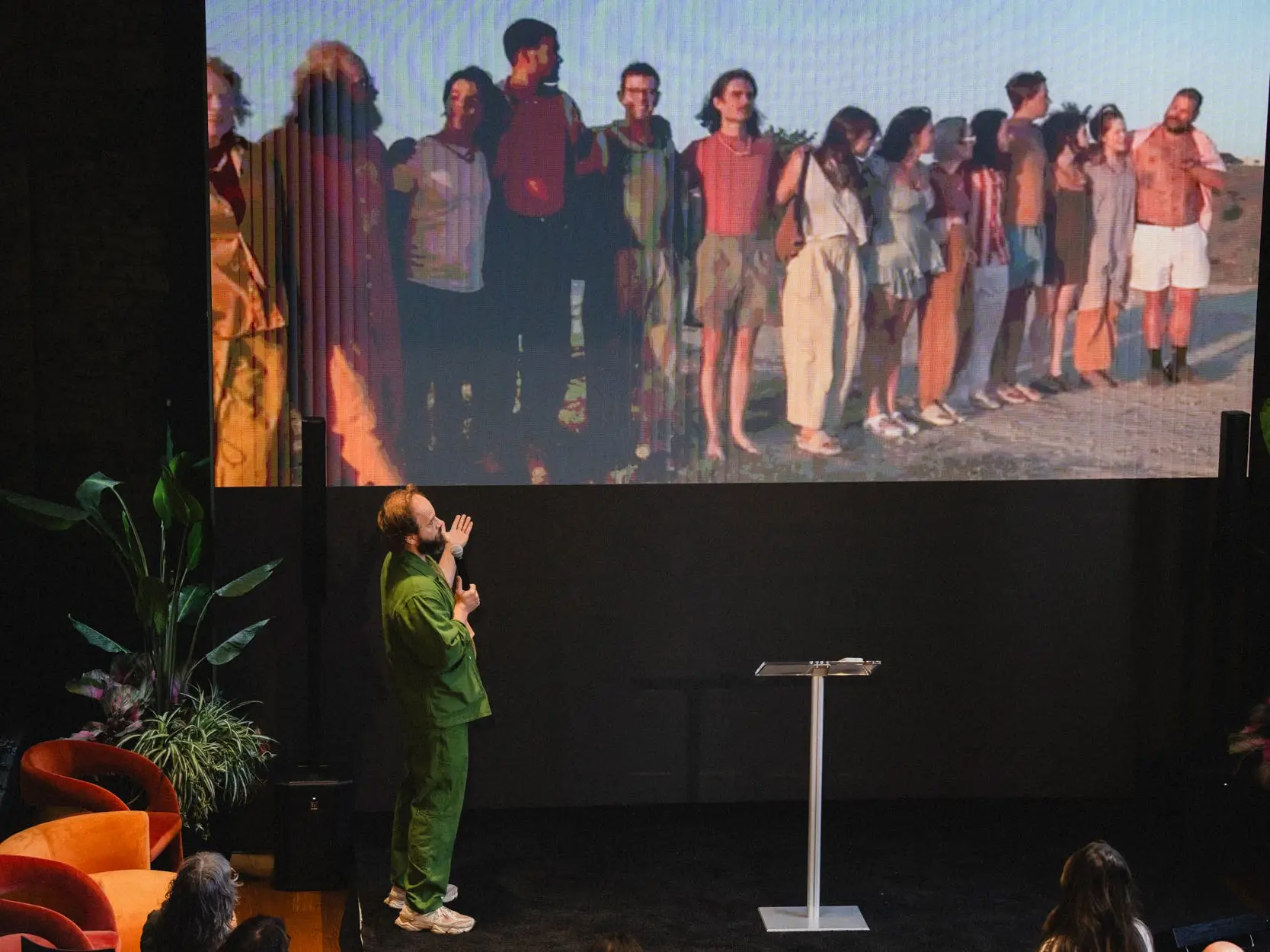
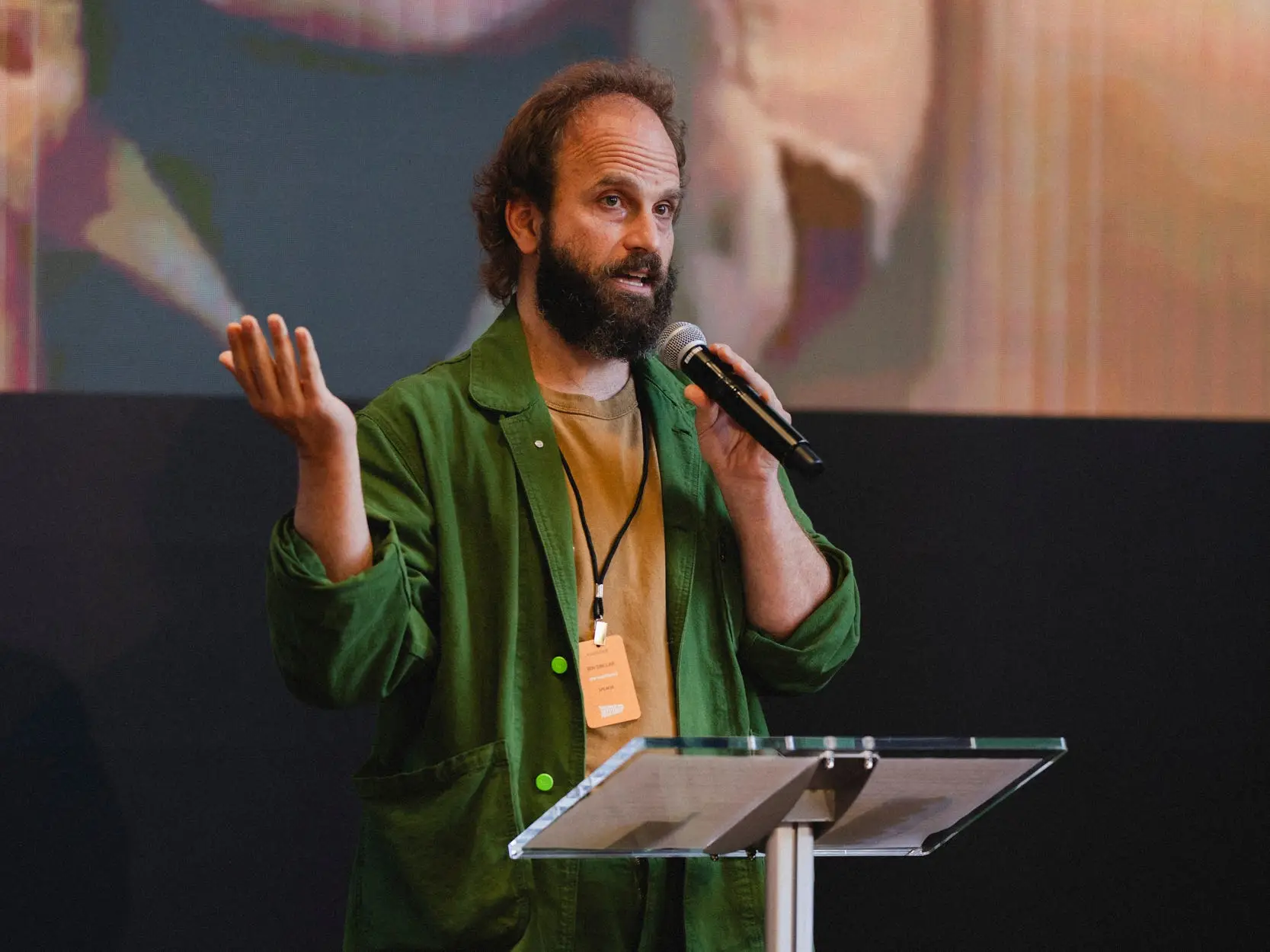
At Substack’s “The Once and Future Media Forum” conference in New York City, Sinclair presented the backstory of his show to a crowd of writers and other media figures.
Sinclair initially made a Substack to document his journey weaning off of marijuana (notably, his HBO series was all about the substance). Then he started posting content about a cult.
“What’s interesting about Substack is that you are able to get something that writing can only give you,” Sinclair said. “Which is a clear, undisturbed inner monologue of what’s going on with the character, and people come to Substack because they want to get into somebody’s head and into somebody’s subjective experience.”
The show’s concept is, frankly, too meta to summarize accurately.
In one video posted to Substack, Sinclair pitches a web series to McKenzie (starring as himself) alongside one of the show’s characters (the cult’s leader) and asks for millions of dollars. The plea is rejected, and McKenzie reassures Sinclair that Substack is a useful platform for building an audience and earning money from those fans.
In reality, Substack is funding some shows to seed the ecosystem (although not Sinclair’s).
Caroline Chambers, Substack’s top creator in the food and drink category, is gearing up to launch a cooking show series on YouTube and Substack.
Behind the scenes, Substack is funding some of the production costs for Chambers’ show. Substack is also helping connect creators with production crews.
“We see ourselves as providing infrastructure,” McKenzie said. “We’re not editorially in control. We don’t own anything. We’re not putting the thumbs on the scale in terms of distribution, but we can help certain people like Caroline who really want to do a show.”
As the platform pushes the boundaries of what type of media it supports, McKenzie knows that not every Substacker wants to, or will, turn to video. Creators on the platform can “pick and choose” from a smorgasbord of formats — maybe that’s video for some, newsletters for others.
“History has shown us that cost-controlled experimentation and expansion is the way forward,” Katz, the strategist, said. “Remaining static in a constantly changing and volatile media ecosystem is not an option.”
Read the original article on Business Insider
The post Substack wants to have its HBO moment. Here are its plans to crack TV. appeared first on Business Insider.