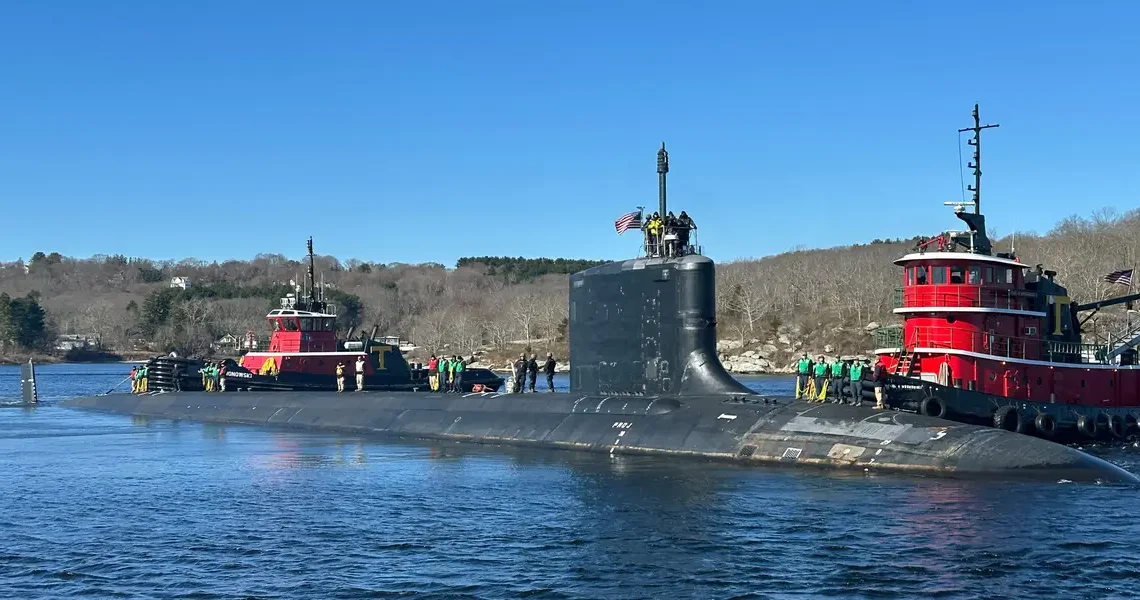
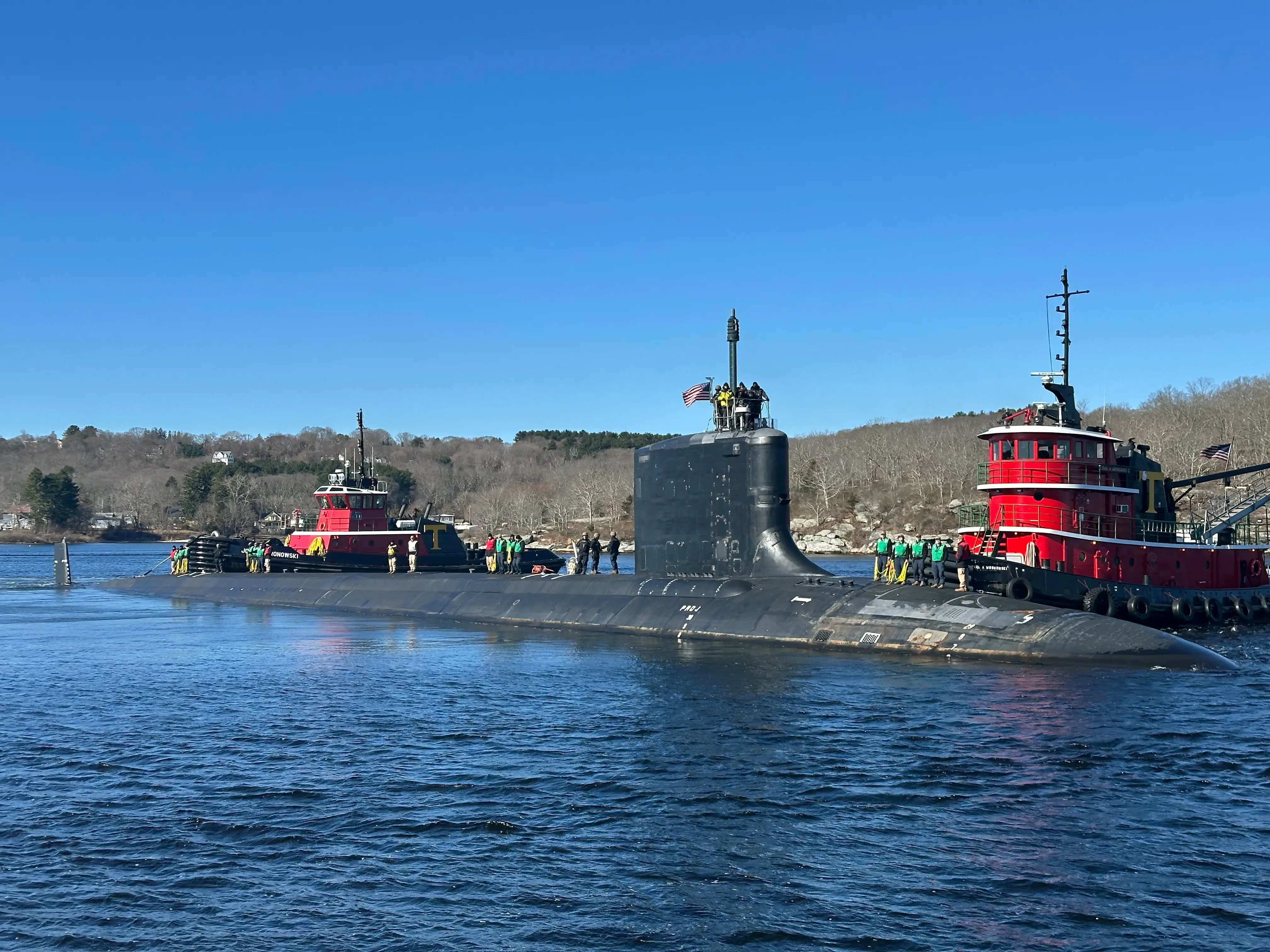
The US Navy faces an uphill battle building new submarines, and one challenge is keeping younger workers in shipyards.
The Navy is undergoing a major push to revitalize its shipbuilding industrial base, particularly for submarine construction, but persistent workforce challenges complicate those efforts.
The Navy’s Submarine Industrial Base Program Office told Business Insider that by 2028, shipyards will need to produce three submarines a year — one Columbia-class ballistic-missile submarine and two Virginia-class attack submarines — while also working on several classes of surface ships. The service estimates that it will need to hire 250,000 skilled workers over a decade to do this.
In recent years, shipbuilders have sought to correct some hiring and workforce problems, particularly by increasing wages. But attrition rates of workers remain high, the office said. At major yards like Newport News Shipbuilding and Electric Boat, baseline attrition rates can average between 10 and 20%, peaking at 30% or more in some critical trades.
The highest attrition rates are among younger, entry-level workers during their first year of employment.
The Navy’s SIB program office said that “due to the physically demanding nature of roles like welding, pipefitting, and electrical work, as well as rigid schedules, many younger employees are pivoting to adjacent sectors — such as manufacturing, data centers, and construction — that often offer more flexible working conditions.”
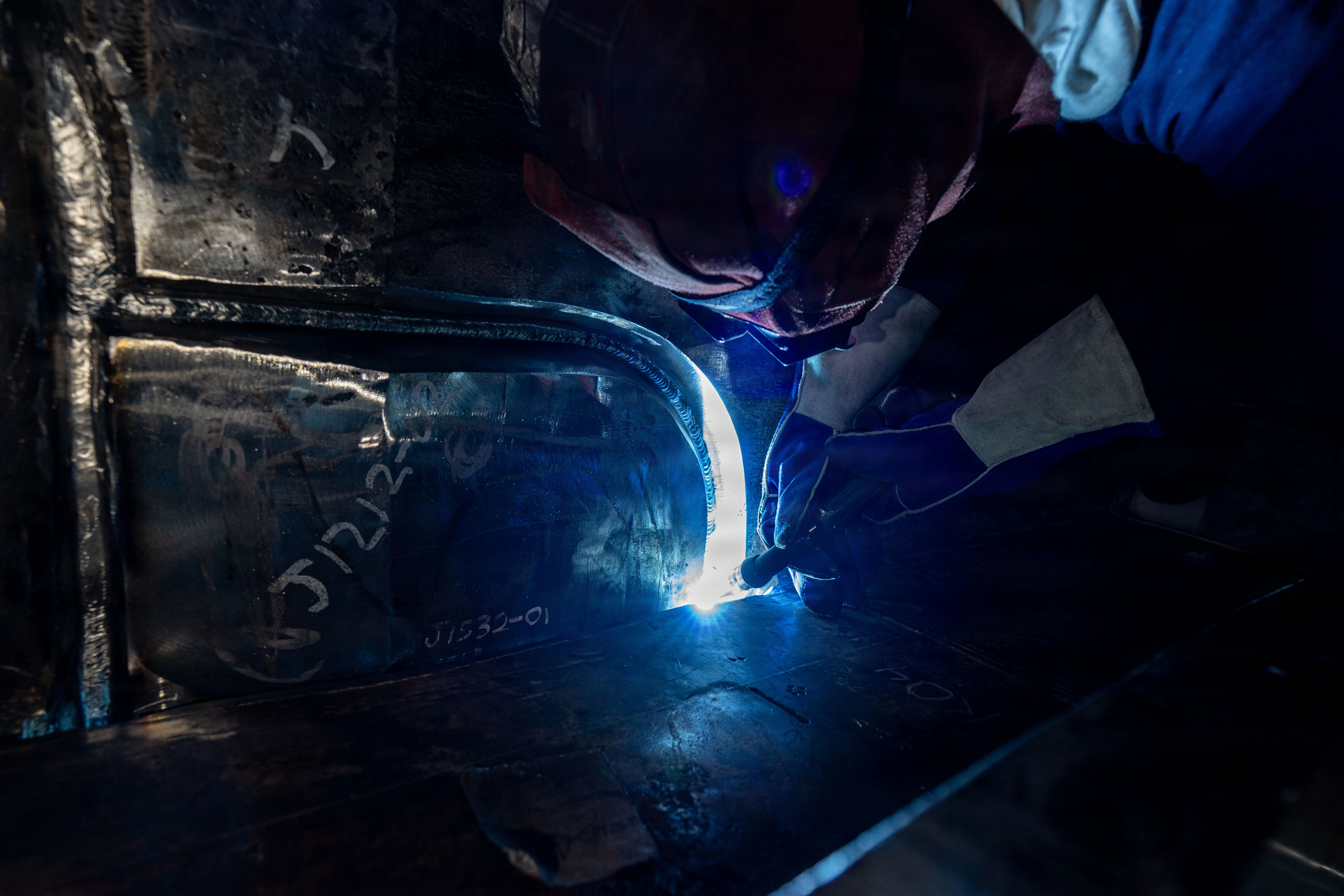
At the same time, yards are losing institutional knowledge as older workers are retiring. The office said 27% of the US maritime workforce is over 55 years old.
The hardest trades to hire for are ones that require specific skillsets, like welders, machinists, electricians, and fabricators. Location also determines recruiting success. Major urban areas with high costs of living and competition from commercial industries, like San Diego or Pearl Harbor, have a harder time attracting recruits, the office said.
The Navy’s workforce push
To combat the hiring issues, the office has implemented six regional Talent Pipeline Programs that, since 2021, have placed more than 15,000 workers into maritime careers. Supporting hiring across smaller- and medium-sized suppliers in the industrial base has also been a priority.
The office said that, for example, in New England, the Navy has partnered with the Southeastern New England Defense Industry Alliance, state officials, industry groups, suppliers, workforce organizations, and major shipbuilders to better align training and hiring needs.
As a result, it said, “SENEDIA has executed dozens of worker training agreements and has trained and placed more than 8,900 trades workers, partnering with more than 200 suppliers across the region.”
Other programs, like the Accelerated Training in Defense Manufacturing program in Virginia, have helped speed up how long it takes to train workers. In January 2025, the Maritime Training Center opened, and the program can graduate 1,000 workers every year across trades.
The need to build a long-term shipbuilding workforce has resulted in partnerships with colleges, technical schools, and K-12 education programs to make these careers more accessible to students.
But the Navy has other woes to address to strengthen its shipbuilding industrial base, including sustained demand for new vessels and submarines to keep yards and suppliers in business.
The Trump administration has made fixing these shipbuilding problems a priority, while experts and officials have emphasized that there is no easy fix to a decades-long shrinking of shipbuilding capacity.
Read the original article on Business Insider
The post As the US Navy pushes to build more submarines, shipyards keep losing young workers to less demanding jobs appeared first on Business Insider.