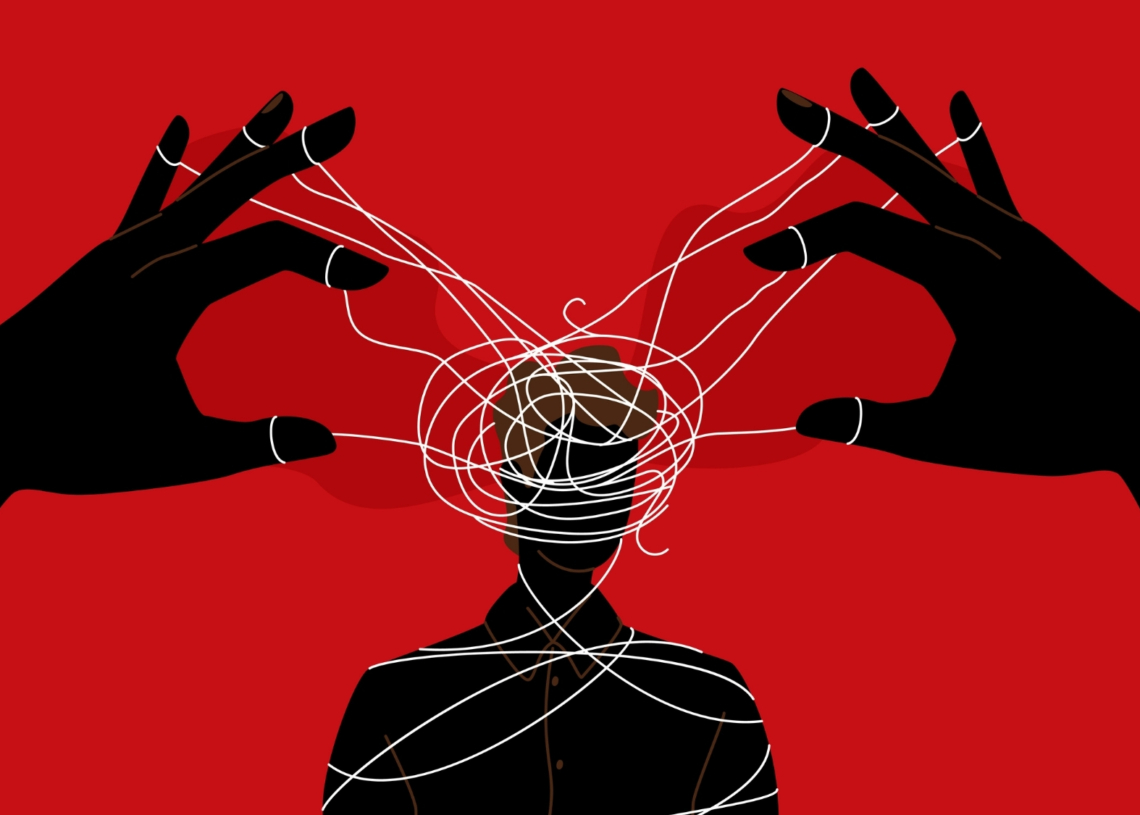
Most people who are being manipulated already know something is off. They just can’t name it. There’s a certain frustration that comes with repeatedly bending over backward for someone who never returns the favor, only to end up as the bad guy when you finally push back. If that sounds familiar, here’s what’s actually happening.
According to Psychology Today, manipulators rely on three core tactics: guilt, egocentrism, and playing the victim. They’re remarkably consistent, and once you can spot them in real time, they lose a lot of their power.
1. Guilt
A manipulator playing the guilt move will lead with how hard their life is, recast your boundary as something you’re doing to them, and then throw in a favor or a gesture to make saying no feel even worse. The goal is to make you feel unreasonable for having a limit at all. It’s a three-part move, and it works because most people with empathy will second-guess themselves before they’ll risk seeming selfish. When you catch it happening, restate your boundary once and leave the conversation. Every time you explain yourself, you’re giving them more to work with.
2. Egocentrism
This is the one that drains you without you fully realizing what happened. A manipulative person will pull you into a conversation about their problems, monopolize the entire exchange, and never once ask how you’re doing or what you think. They exploit your empathy and then run the clock out on it. When someone consistently fails to consider your perspective, no matter how many times you’ve considered theirs, that’s not a communication style. Getting into a debate about it is largely pointless. A better move, according to Psychology Today, is to acknowledge their point briefly and redirect: “We can agree to disagree. Let’s figure out a different plan.”
3. Playing the Victim
This one works best for people with the most empathy, and that’s no coincidence. It unfolds slowly: the hard-luck narrative at the front end, the injured reaction when things don’t go their way, and then a separate conversation happening entirely without you, where they’ve already told your mutual friends what a terrible person you are. You find out when people start acting strange around you.
The advice here is counterintuitive: don’t immediately try to defend yourself. Let it settle. People who matter will ask for your side. And if they don’t, that’s useful information too.
The post The 3 Manipulation Tactics That Can Make You Feel Like the Bad Guy, According to Psychologists appeared first on VICE.