
This as-told-to essay is based on a conversation with Jason Kidushim, founder and CEO of Legacy Concierge. It has been edited for length and clarity.
My grandfather, Joseph, was a proud, amazing man. He was a decorated war hero who lost a leg helping save the lives of other service members during World War II.
That never slowed him down.
When I was a kid, he would show off his stump. He’d dive off the diving board or swim in the ocean, and I never thought of him as disabled or handicapped.
When I was a senior in high school, my grandfather was diagnosed with Alzheimer’s. In the first five or so years, not much changed. He continued to live at home with my grandmother. Then, when she died, my grandfather moved in with my parents.
He made my dad promise that he wouldn’t have to go into a facility. He had seen a lot of hospitals during his time in the service, and didn’t want to die in one. My parents were able to honor that promise, and my grandfather died at home, but keeping that vow was a logistical challenge.
I saw the strain of caretaking
My family did a lot of things right in caring for my grandfather. And yet, it still wasn’t enough. There were some really, really difficult moments and dynamics.
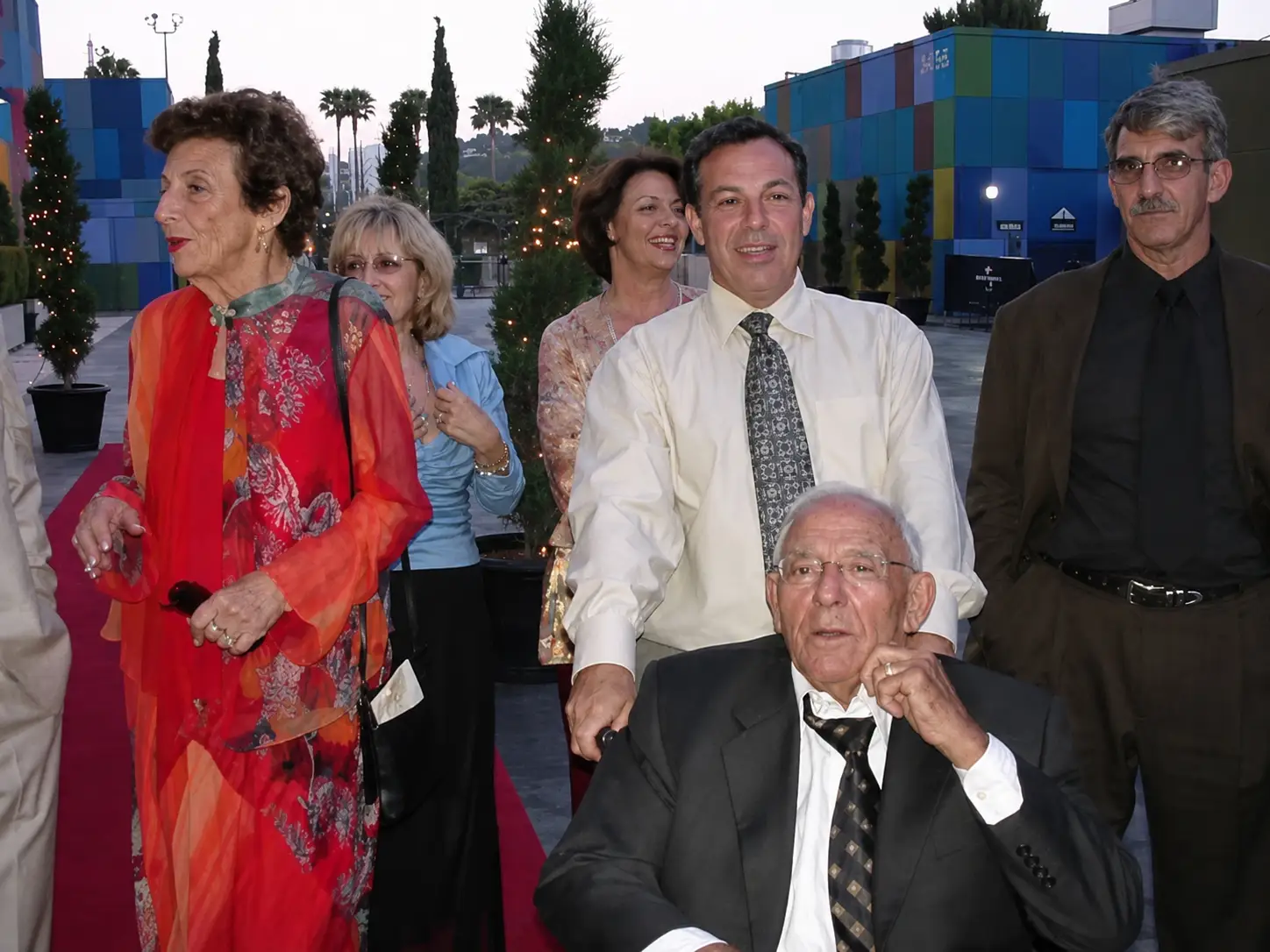
My grandfather and father sold life insurance and helped many people with estate planning. Having a financial plan in place was very helpful when my grandfather got sick. We were also able to get my grandfather into an outstanding adult day care. Being there really prolonged his happiness and gave him a lot of joy.
Even so, I saw the toll that caregiving took. My mother had only just finished raising her three kids when my grandfather moved in. Caring for him was important work, and she still volunteers with hospice today because it was so meaningful to her. And yet, it was really hard.
My dad faced the challenge of coordinating logistics. He was the one hiring, scheduling, and paying my grandfather’s caregivers, which was a job in and of itself.
Care costs can be hundreds of dollars per day
People don’t realize how complicated organizing home care is. It’s not only about finding kind, qualified helpers — you also need to understand labor laws and plan for things like workers’ compensation, phone reimbursements, and overtime pay. There are a lot of details that can trip you up.
It’s also hugely expensive. When you factor in workers’ comp and benefits, people here in California can expect to pay $32 to $60 per hour for a nonmedical caregiver, and about $125 to 4300 per hour for a nurse.
After my grandfather’s death, I founded a company that handles the details for coordinating care at home, bridging the gap between medical and nonmedical caregiving. Since founding the company, I’ve worked with probably 4,000 families. It’s amazing how different each one is. There are so many factors that impact end-of-life care, whether it’s money (or lack of it) or relationships between the elderly and their grown children.
It’s still hard to talk with my parents about end of life
Despite my personal and professional experience coordinating care for the elderly, it’s still hard to talk about with my own parents, who are in their 60s. My parents both have long-term care insurance, which provides peace of mind.
Once a year, I try to talk with them about the harder questions — like what would happen if they were put on a ventilator. These are not very fun conversations to have, but they take the guesswork out of things later.
No one wants to think about needing a caretaker, so it’s easy to put these conversations on the back burner until there’s a catastrophe. But if you can educate yourself about options and put a plan in place for end-of-life care, things will be so much easier when you need to activate that plan.
Read the original article on Business Insider
The post My grandfather wanted to avoid a long-term care facility. Keeping that promise was incredibly hard. appeared first on Business Insider.