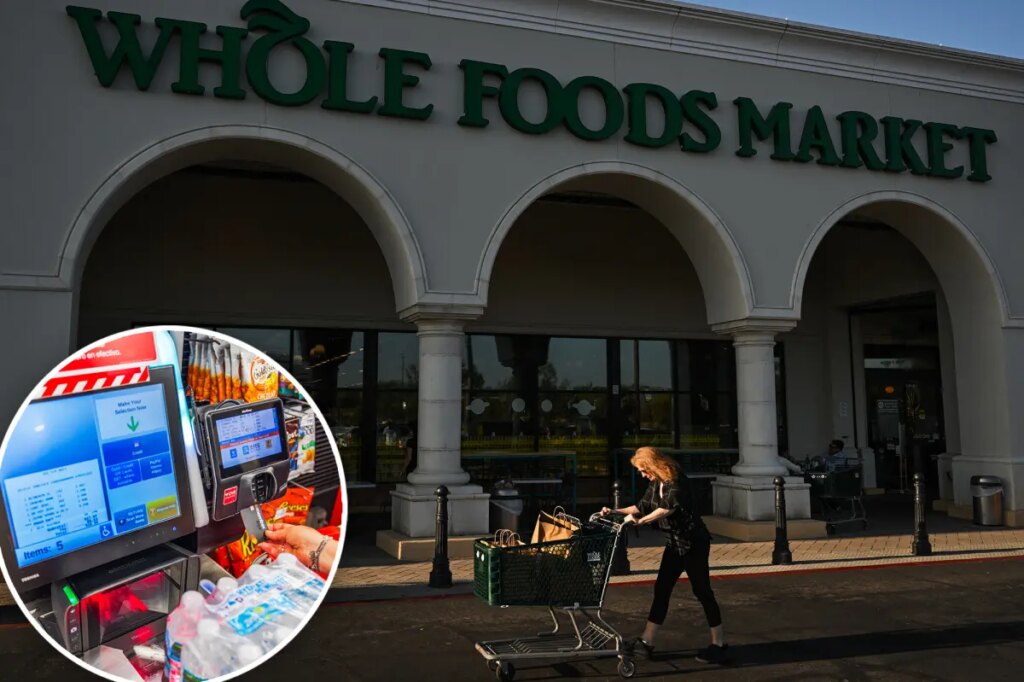
Grocery shopping is taking a big bite out of budgets everywhere — but a family of four can get socked significantly more in some states.
Hawaii tops the list for grocery outlay in that demographic, spending an estimated $389.66 a week at the supermarket, totaling a staggering $20,262 annually, data from the US Census Bureau has revealed.
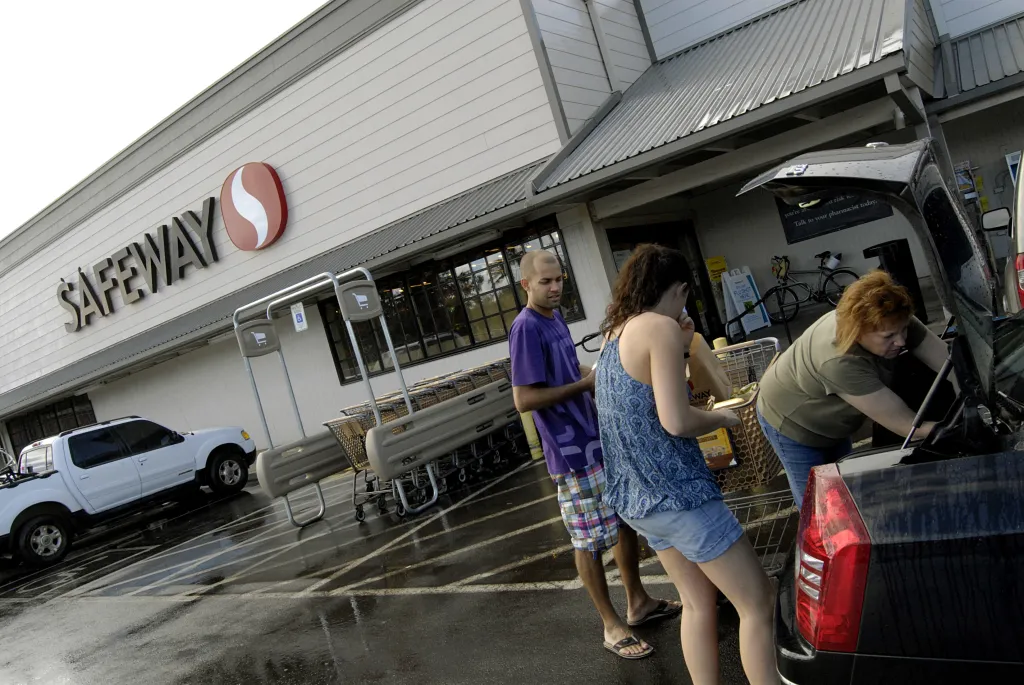
Families of four in Alaska drop the second-most amount at $383.62 a week, or $19,948 a year, followed by those in California, who spend $347.45 weekly, or $18,067 annually, according to financial assistance experts at the nonprofit Ex Felons Support, which crunched numbers from the Bureau’s Household Pulse Survey that tracks weekly grocery spending across all 50 states.
Hawaii and Alaska face extreme challenges, as both states import a substantial amount of food, often by air or ocean freight. Overall, Hawaii’s grocery prices are about 33% higher than the national average, The Post previously reported.
One possible surprise on the list is fifth-ranked Mississippi, where a family of four is estimated to spend $339.18 a week on groceries, or $17,637 a year. Another recent survey found that in the Magnolia State, food shopping also takes the biggest share of a family’s monthly median income.
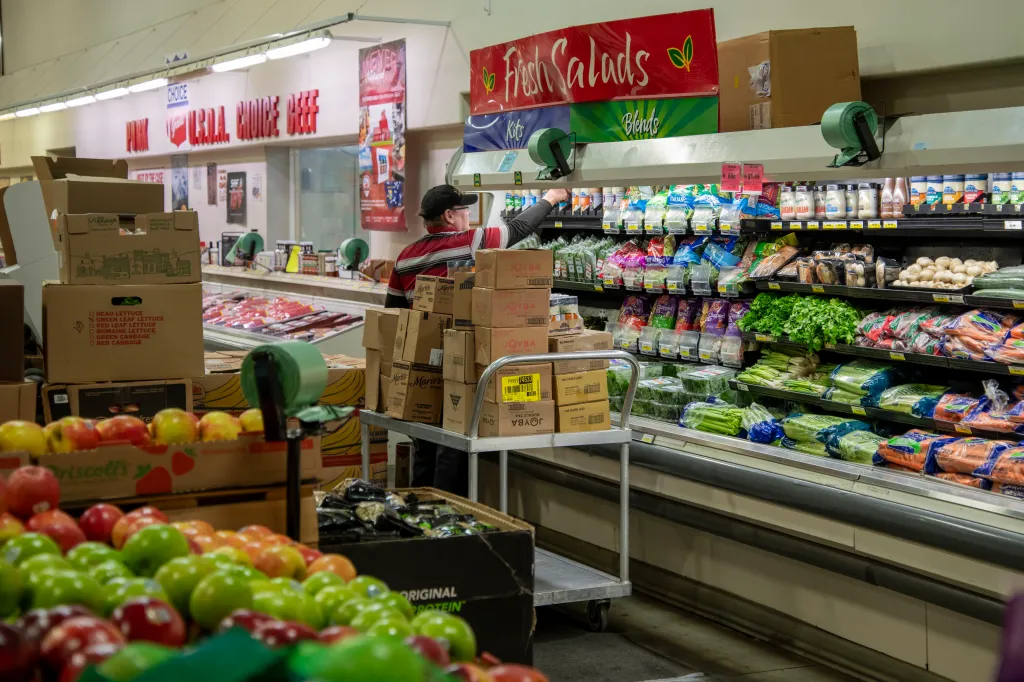
“States like Mississippi, West Virginia and Arkansas actually have relatively low grocery prices overall, but because they also have some of the lowest median household incomes in the country, residents end up spending the largest share of their earnings on food – as much as 2.6% of monthly income in Mississippi,” according to Wallethub writer and analyst Chip Lupo.
Top 10 US states where a family of four will spend the most on groceries
- Hawaii — $389.66 a week / $20,262 a year
- Alaska — $383.62 a week / $19,948 a year
- California — $347.45 a week / $18,067 a year
- Nevada — $343.99 a week / $17,887 a year
- Mississippi — $339.18 a week / $17,637 a year
- Washington — $335.71 a week / $17,457 a year
- Florida — $335.24 a week / $17,432 a year
- New Mexico — $334.22 a week / $17,379 a year
- Texas — $333.98 a week / $17,367 a year
- Louisiana — $330.20 a week / $17,170 a year
Grocery prices for food eaten at home soared by 2.9% in April compared to the same month a year earlier, according to government figures released earlier this month.
And just last week, the Labor Department reported that wholesale inflation jumped by 6% from a year earlier, the most since December 2022.
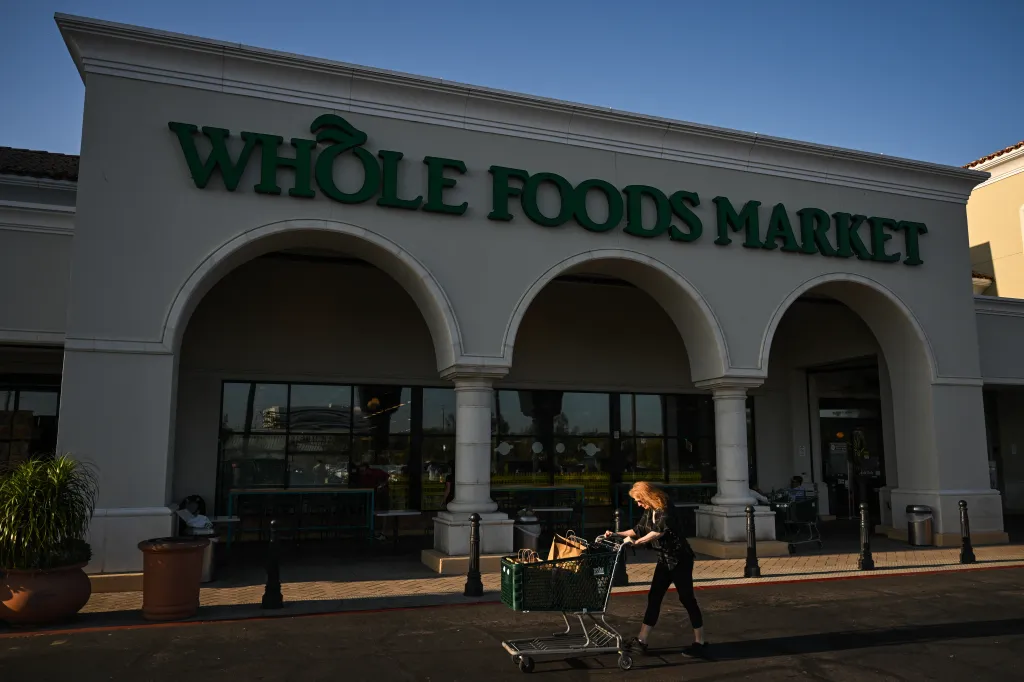
Rising energy and fuel costs factor heavily into these changes, as prices for perishable and refrigerated products tend to increase faster than prices for packaged goods when energy is an issue.
But some experts say the full impact of rising energy costs on food —driven by the ongoing war in Iran and associated rising fuel prices — likely has not even hit retail grocery prices yet in the US.
Higher costs to produce, process, store and transport food can take three to six months to show up on supermarket shelves, The Post previously reported.
“Most of what we’re seeing now in the food price chain probably predates the conflict,” noted Purdue University economist Ken Foster.
“We’re cautiously waiting to see what the June numbers and the May numbers might show as they come out in terms of … the extent to which energy shocks in the Strait of Hormuz and shipping blockades and so forth are going to impact food prices.”
The Labor Department’s producer price index — which tracks inflation before it hits consumers — shot up 1.4% in April, the biggest monthly gain since March 2022.
Energy prices alone climbed 7.8% from March to April 2026 and 22.7% from a year earlier, while gasoline jumped 15.6% since March and diesel — the dominant fuel used in shipping — rose by 12.6%.
The post Top 10 states revealed where a family of 4 spends the most on groceries as prices continue to soar appeared first on New York Post.