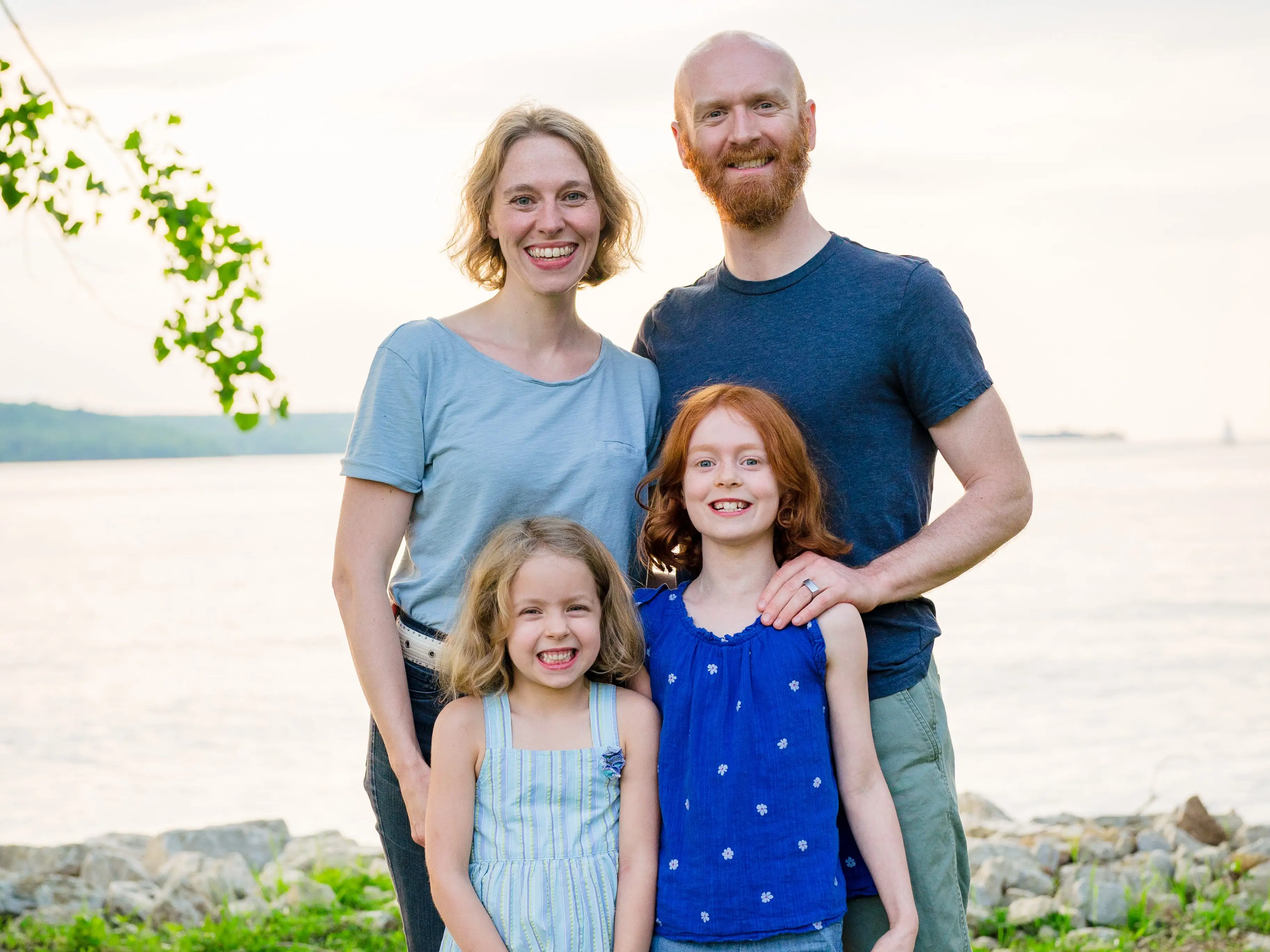
This as-told-to essay is based on a conversation with Kristin Howard, a testing center coordinator who founded “Going Up,” a camp for kids to learn life skills, in 2024. This story has been edited for length and clarity.
From the time my daughters were really young, I was very intentional about their childhood independence.
When they were 5 and 3, my husband and I asked them to cross the street and walk to the end of the block to the mailbox. A year later, we’d ask them to run small errands at the bodega, such as picking up an ingredient I had forgotten. My older daughter, now 12, takes public transportation to school and can get around Chicago comfortably alone.
Throughout the years, my biggest fear wasn’t that they’d be in danger. It was that other people would call the police when they saw two young girls walking or playing alone, as has happened to other parents in the US.
I was purposeful about making sure that they were always given the opportunity to do something a little bit bigger, a little bit harder on their own. Doing it without tracking them via smartphones took some planning, but it was worth it.
They carried around a ‘kid license’
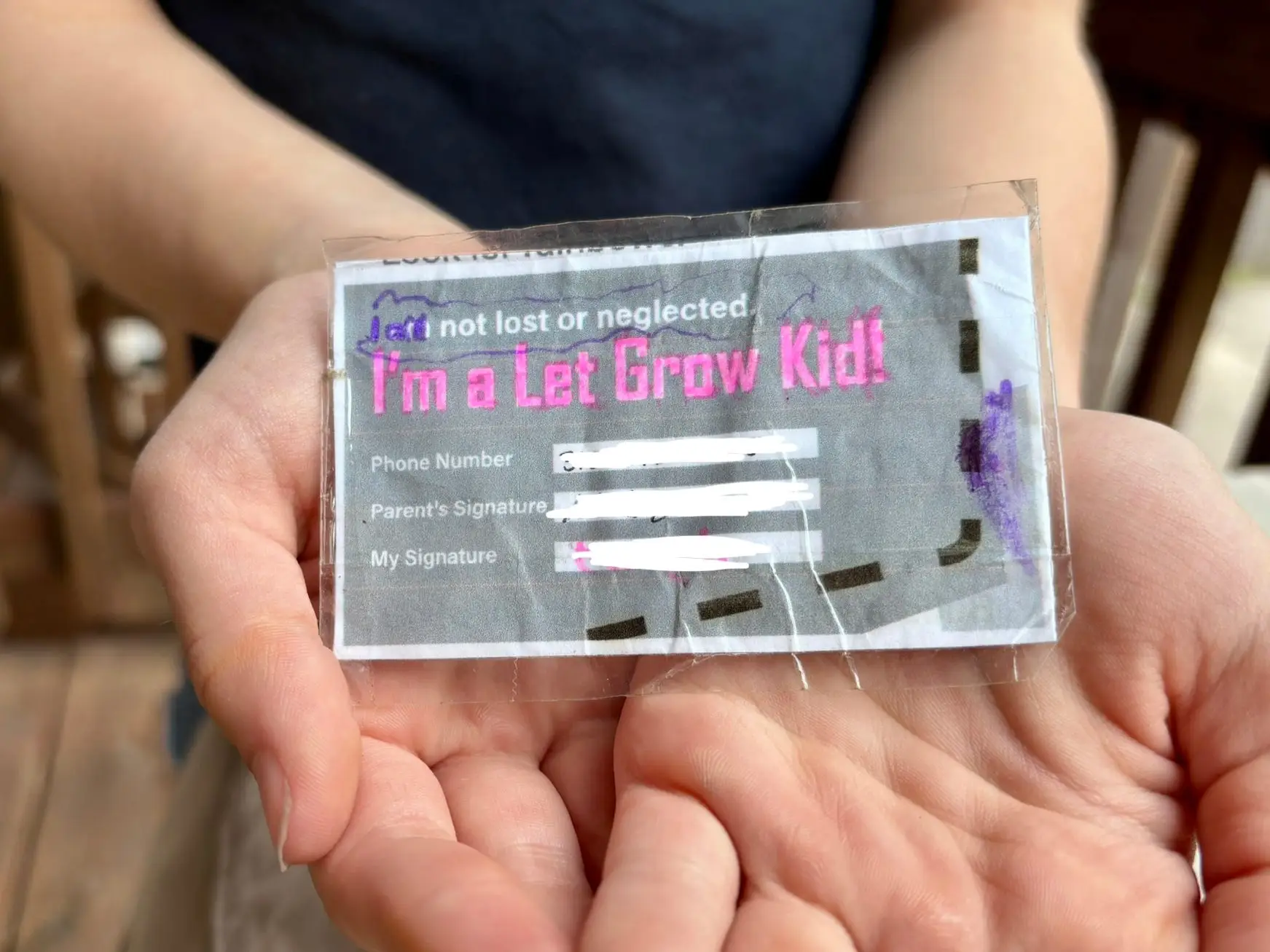
During the pandemic, when they were 7 and 5, we let our daughters cross the street and walk a block to the park to play by themselves.
They each carried their own “kid license” in their fanny packs. I printed them out from Let Grow, a nonprofit organization that promotes childhood independence. The card said that I knew where they were. It also listed my phone number.
I would role-play with my kids, teaching them to pull out the cards if they were approached by concerned adults and to tell those adults to call me.
Ultimately, they never had to do it, but it gave me a lot of comfort knowing that, hopefully, before someone might’ve called the cops, they’d engage with the kids and realize everything was fine.
I practiced walking a half-block away
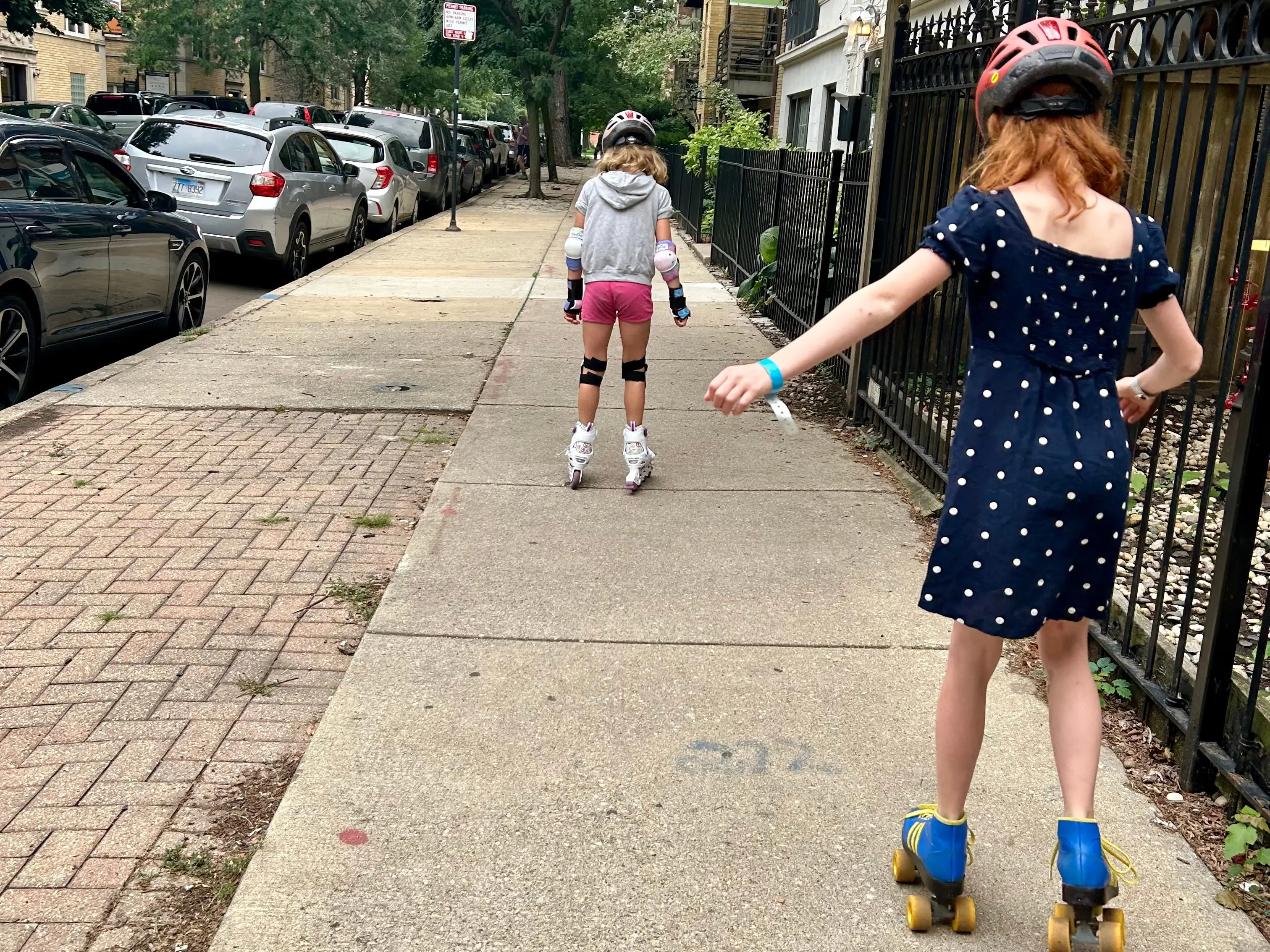
By the time my daughters were 10 and 8, they were walking to their elementary school, which was a mile away, by themselves, just like I did when I was their age.
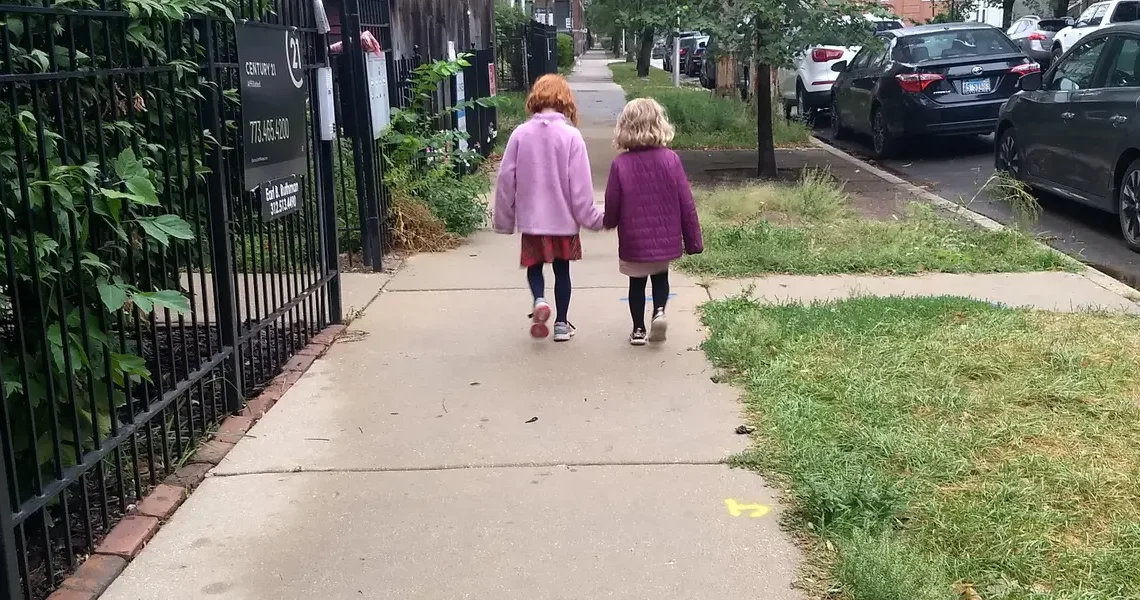
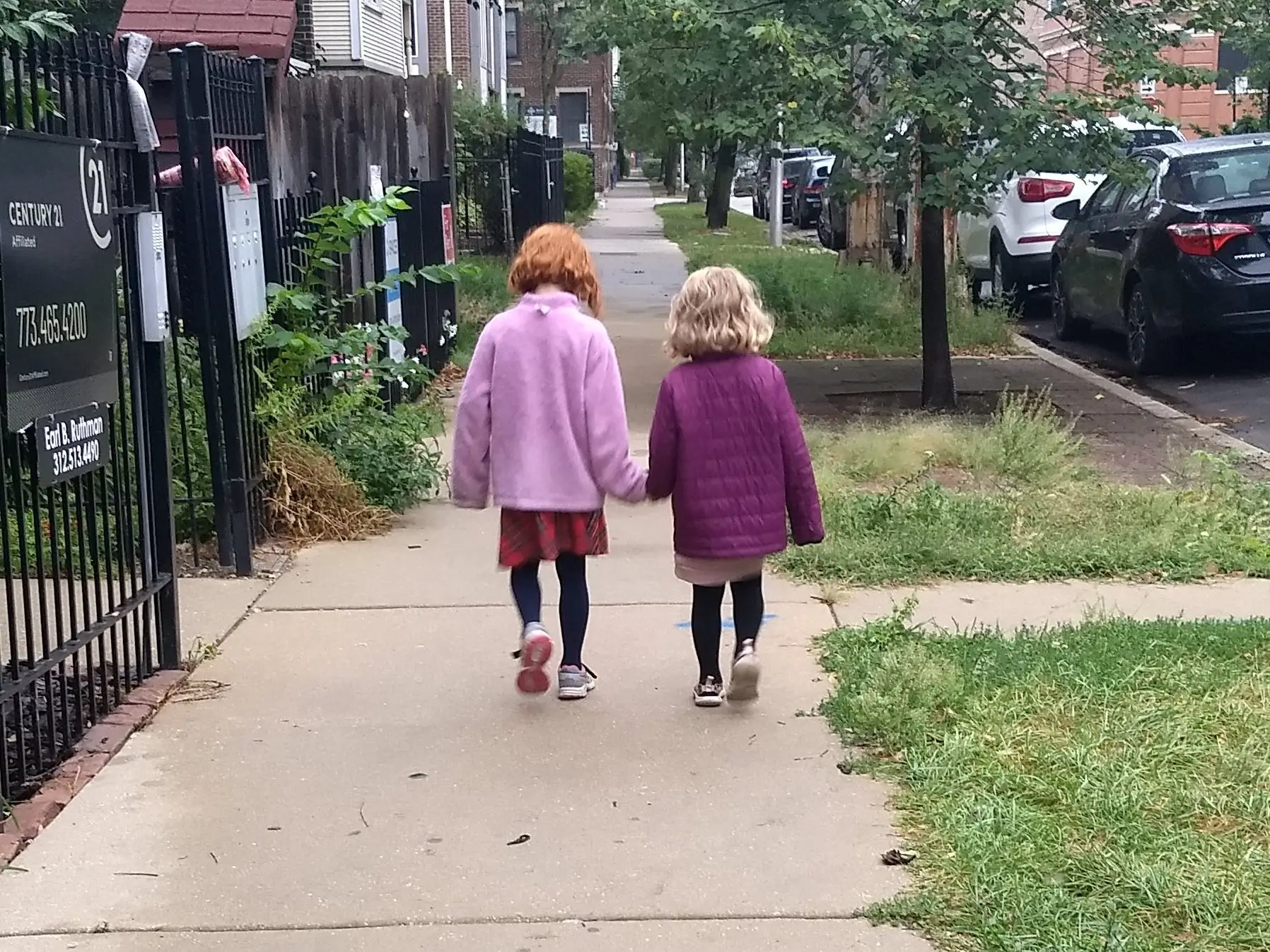
We started building up to it a few years earlier. I told them to walk on their own, with me half a block behind them, to make sure they crossed the street safely. My eyes were glued to them the whole time. They were so cute, holding hands.
At one point, they were waiting for a stoplight to change. A woman in uniform who worked in a building across the street saw them. She sprinted down the street toward them and appeared to look frantic. I saw my daughters point to me while I was making my way over to them.
It was well-intentioned; she was just worried about my kids. Still, I was happy I was there. That was the only time anything like that happened.
We communicate a lot about each new skill
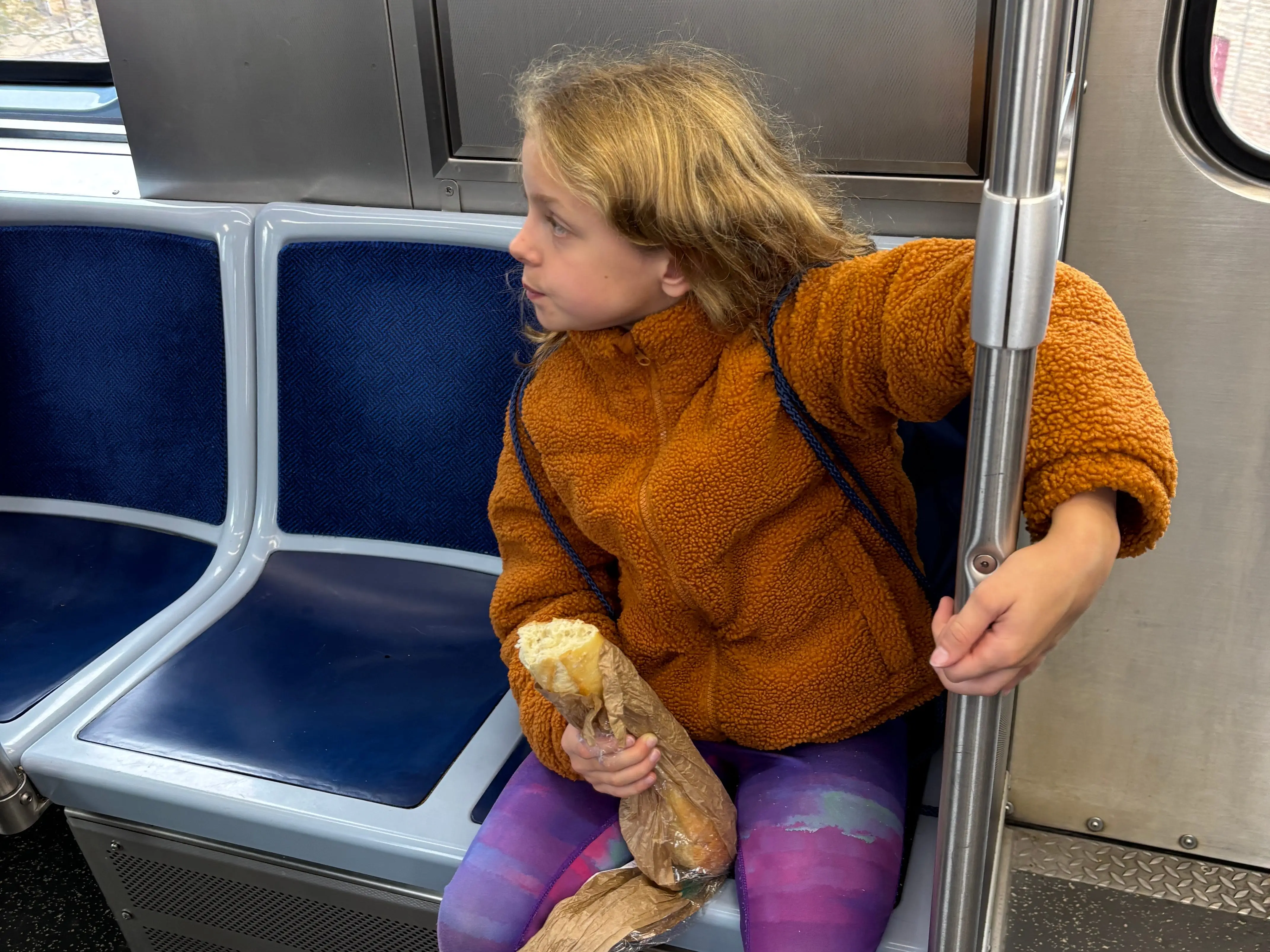
I try to instigate discussions about each next step in fostering their independence.
One of my daughters wants to ride her bike to school. In Chicago, this is a bit of a hairy situation; people get hit by cars all the time. We’ve started talking about what kind of training and practice I need to feel comfortable with this idea.
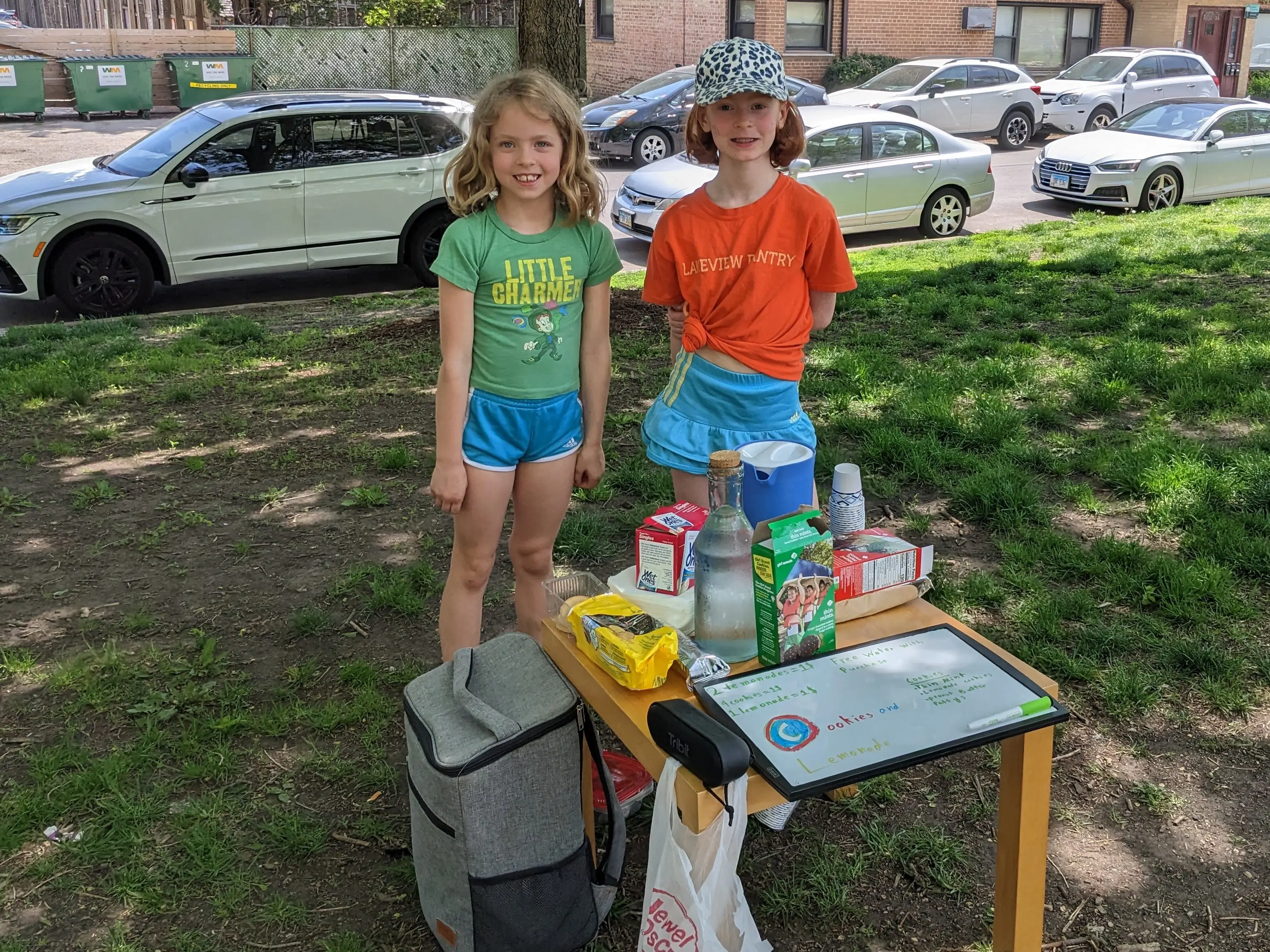
Ultimately, I try not to let my own fears get in the way of my kids being more independent and resilient. Looking at the data, it seems way safer to be a kid out in the world today than it was growing up in the ’70s, ’80s, or ’90s.
My advice to parents who want their children to be more independent is to be thoughtful and to have a plan. If you want your kid to be able to get to high school on their own, what can you do in the years leading up to that to build their independence?
Read the original article on Business Insider
The post I wanted my daughters to be independent. They carried ‘kid licenses’ so adults wouldn’t be concerned. appeared first on Business Insider.