Americans’ finances are getting stretched to historic margins, so the option to spread out payments on everyday purchases into multiple, usually interest-free installments has become increasingly appealing.
What could go wrong?
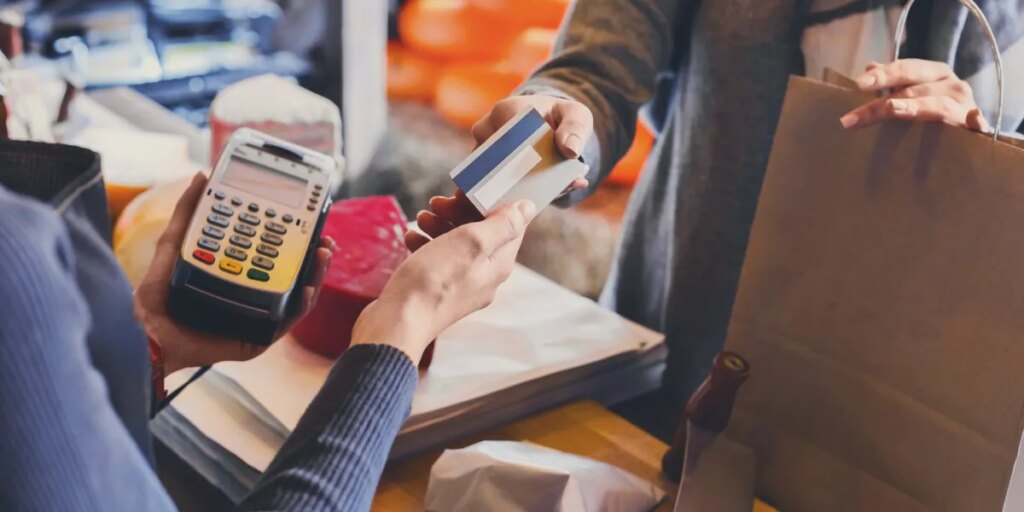
Buy now, pay later has morphed from a trend into a fixture of an American shopping experience. Kicked off through apps such as Klarna and Affirm years ago, the feature is now available in big box stores around the country, as Americans can now shop for everything from groceries and household goods to Christmas presents and pay in short-term installments.
Slightly more than half of Americans have used buy now, pay later at least once for an online purchase, according to a Gallup poll released Monday. It’s been a meteoric rise in use for this kind of plan. Between 2019 and 2021 alone, the number of loans originated in the U.S. under buy now, pay later grew from 16.8 to 180 million, a 970% increase, while the dollar volume of those loans climbed more than 1,000% to $24.2 billion, according to a 2022 report by the Consumer Financial Protection Bureau.
The pros and cons of buy now, pay later
Buy now, pay later was initially designed to help young people shop without having to worry about needing a credit card or hurting their credit report. The trend’s promise of no interest, no hard credit check, and instant approval at checkout have made buy now, pay later one of the most frictionless credit instruments American consumers have wide access to.
But there’s a downside to buy now, pay later’s near ubiquity. The product’s ease of use has made it particularly attractive for lower-income households, and the Gallup poll found the use of installment plans rises in tandem with how worried consumers are about aspects of their finances, such as paying off a credit card bill. For a rising number of Americans, buy now, pay later has become less of a convenience, and mostly just another debt burden.
Research suggests these products are used primarily out of necessity rather than preference. Gallup found lower-income Americans—those earning under $48,000 annually—were more likely to make frequent or occasional use of installment plans than middle-income or higher-income households, and those who reported not having enough money to live comfortably were more likely to rely on installment plans even after controlling for income. A 2024 Federal Reserve survey came to a similar conclusion, finding 57% of buy now, pay later users reported using the service because they had to, with most saying they wouldn’t be able to afford a product otherwise.
The share of consumers who said they needed to pay through installments is likely to rise inversely with their financial position. Among Americans with a credit score below 620, 84% say they have to use buy now, pay later products out of necessity, according to a study published last year in the Journal of Consumer Affairs.
Buy now, pay later might sound appealing in part because of the lack of interest, but slipping on a payment schedule can trigger high fees. Not all lenders calculate their late fees, but the Consumer Financial Protection Bureau found the average assessed late fee in 2023 was $9.99, a number that can add up, since nearly half of buy now, pay later users say they’d made at least one late payment in the past year, according to a survey published last month by LendingTree.
Buy now, pay later and credit scores
Last year, FICO, one of the primary credit-score tabulators in the U.S., announced it would begin incorporating buy now, pay later data in its scores. While late payments tend to not show up on credit reports until at least 30 days past their due date, the inclusion of those missed payments could weigh down further on Americans’ falling average credit scores, which have been declining faster for those with lower incomes.
As buy now, pay later becomes yet another source of financial stress, it adds on to a record-breaking debt load currently held by American households. Loan obligations for education, cars, homes, and credit card purchases have all piled into an enormous $19 trillion in consumer debts for Americans in the first quarter of this year, according to the Federal Reserve. Relatedly, delinquencies on multiple types of loans have hit historic highs in recent years, concentrated primarily among low-income earners.
To be sure, many users say buy now, pay later remains their only option to afford certain goods. And the number of Americans who rely on these plans often is small—still only 10%, according to Gallup. But the concentration of heavy use among credit-constrained households suggests that for many users, buy now, pay later has become much more of a lifeline than the budgeting tool it was designed to be.
The post Buy now, pay later is the new financial lifeline for lower-income Americans, as consumer loans pile up to $19 trillion appeared first on Fortune.