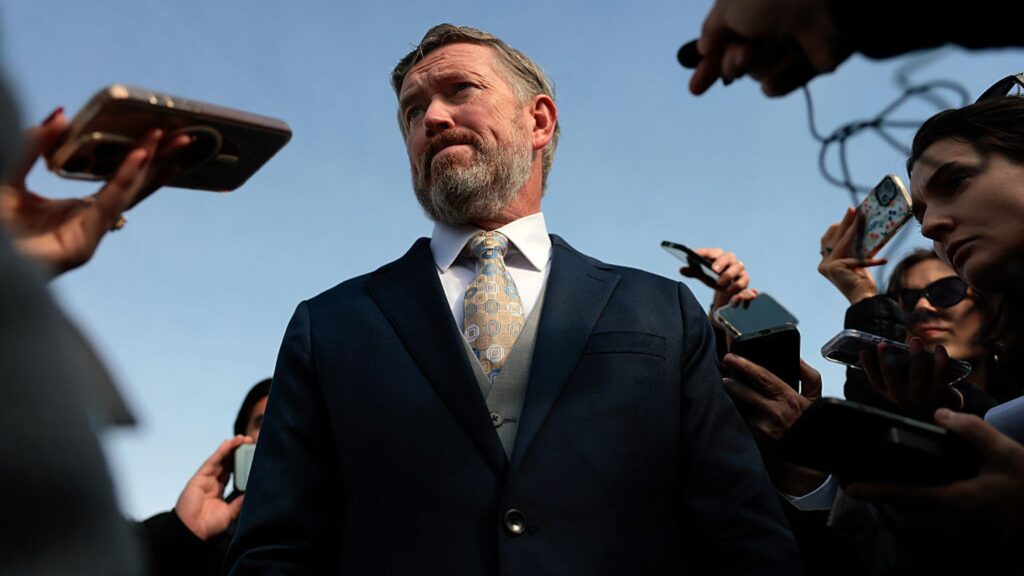
The biggest, most expensive test of President Donald Trump’s hold on the Republican Party is now here: whether Rep. Thomas Massie of Kentucky can weather the long-simmering contempt from the White House for a maverick lawmaker who, in his own words, has “no Fs to give now.”
Tuesday’s primary in Kentucky will measure if someone who runs afoul of Trump can survive in this Trump-saturated environment. Massie seems unbowed and is touting his rift with the White House as a selling point for another term. A rebel without a coalition, Massie voted against the President’s tax cuts, saying they were too irresponsible with red ink. He hates the war in Iran and hasn’t been afraid to say so. He’s been critical of political money for Israel. And he led the charge to open the Epstein files over Trump’s objections.
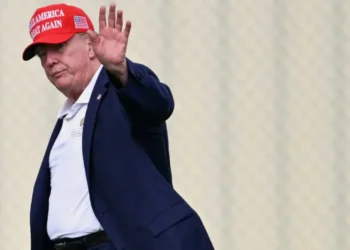
All of which have drawn the President’s ire in a season of bracing acts of Republican-on-Republican purity tests that are not entirely grounded in reality. Trump’s approval ratings are parked in the 30s. Fellow Republicans are, frankly, steamed at how he’s been dragging down their hopes of holding House and Senate majorities heading into November. In a highly unusual breach of protocol—and in the middle of a war—Trump dispatched Defense Secretary Pete Hegseth to the campaign trail to stump for Ed Gallrein, a dairy farmer and former Navy SEAL vying against Massie for the GOP nomination. Trump has already exacted revenge on state lawmakers in Indiana for not gerrymandering the congressional map at halftime and then tanked Sen. Bill Cassidy’s re-election bid in Louisiana on Saturday. That same day, he threatened Rep. Lauren Boebert of Colorado with a primary for coming to the defense of Massie.
This is a President whose agenda can only be described in one bitter word: vengeance. It’s bad for the steady-as-she-goes wing of the Republican Party, a hurdle for a GOP that sees the writing on the wall as voters are souring by the hour on that party’s brand, and a frustration of the party strategists desperate to hold the line against historical headwinds.
If this is the political climate of Trump’s making, the next half-year is going to be one of turmoil and tumult. Revenge may feel good in the quick turn, but it may help deliver a Democratic Congress empowered with two years of oversight, subpoenas, and showmanship that leaves Republicans in a crouch heading into 2028’s White House contest.
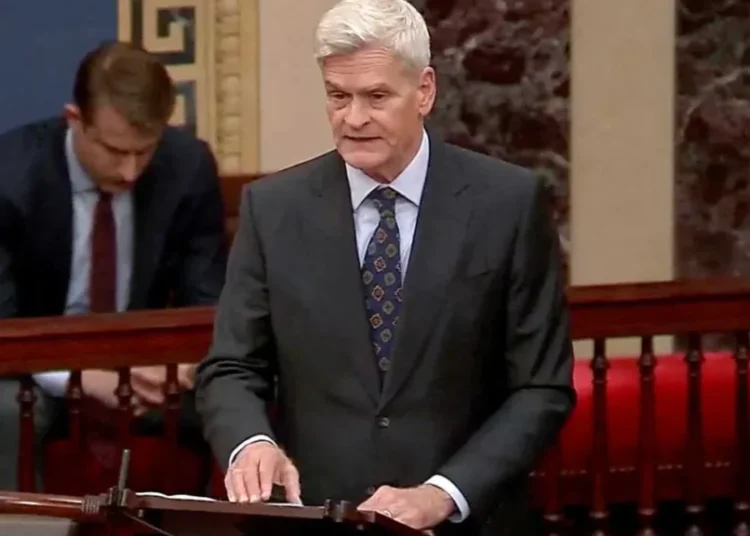
Kentucky is but the latest in an R-versus-R feud, fueled by Trump’s grudges. Cassidy of Louisiana came in a distant third place over the weekend as he sought another term. Rep. Julia Letlow secured the largest share of the vote, thanks to Trump’s enthusiastic endorsement; state Treasurer John Fleming came in second. Both head to a runoff for a seat that is, honestly, a safe hold for the Republicans but nevertheless a huge financial drain on the party’s donor lists.
That’s not to say Cassidy held his tongue as he entered lame-duck status—which can be tied back to his vote for Trump’s second impeachment five years ago. “When you participate in democracy, sometimes it doesn’t turn out the way you want it to, but you don’t pout, you don’t whine, you don’t claim the election was stolen, you don’t find a reason why you lost,” the Senator said. “You thank the voters for the privilege of representing the state or the country for as long as you’ve had that privilege, and that’s what I’m doing right now.”
Cassidy’s defeat—despite his staid reputation in the Senate as a solid conservative and serious lawmaker—comes on the heels of the intra-party feud in Indiana two weeks ago that proved the Republican Party is whatever Trump says it is. Republicans who refused to quickly redraw House district borders to help their own party fell in a swoop of Trump vitriol—and $13 million in campaign cash. It was a party purge of elected officials well below where previous White Houses tended to train focus.
That cash drain has Republican strategists in Washington and beyond worried about Tuesday’s voting in Kentucky. Strategists on both sides of the Massie-Gallrein split anticipate this could be the most expensive and nastiest primary this year. In raw dollars, the Kentucky race has already drained at least $14 million from the Republican spending ecosystem. Policy or politics isn’t even the breakpoint here. It’s personal for both camps in a year when party unity might be the only hope against historical trends that tend to punish the party that holds the White House in a midterm year.
This all comes as Trump’s approval ratings have hit a hard skid. His support among independents is basically gone. But very conservative voters—his base—are still with him. And that’s where primaries are usually decided. It can cause chaos at the moment but it may prove insufficient come November. All the while, it may set ablaze money that could have been better used defending incumbent Republicans in legitimate swing seats.
A New York Times poll released Monday showed Democrats with an 11-point headstart in the generic question of party preference among registered voters. If the elections were held today, 50% of registered voters said they’d go with Team D while 39% said they’d go Team R. Among independent voters, that edge was 18 points. If Republicans are heading into that D+11 headwind, no amount of Trump meddling can counter it, but mountains of money might. Trump might settle intra-party fights in deep-red districts but his brand is likely not enough to preserve a majority, especially if those family battles have already drained dollars from donors whose cash could actually make a difference elsewhere.
Make sense of what matters in Washington. Sign up for the D.C. Brief newsletter.
The post Kentucky’s Thomas Massie Is About to Test the Reach of Trump’s Revenge Politics appeared first on TIME.