Screening for breast, colon, and prostate cancers has led to a reduction in deaths from those diseases over the years. But lung cancer screening has not been as successful.
That’s because current screening recommendations focus on a single risk factor—a person’s history of smoking—and it’s becoming clear that there are other factors, from genetic changes to environmental exposures, that can also affect risk. That means screening guidelines leave out a lot of vulnerable people: as many as 65% of people who get lung cancer are not eligible for screening, and 10-20% of people who get lung cancer have never smoked.
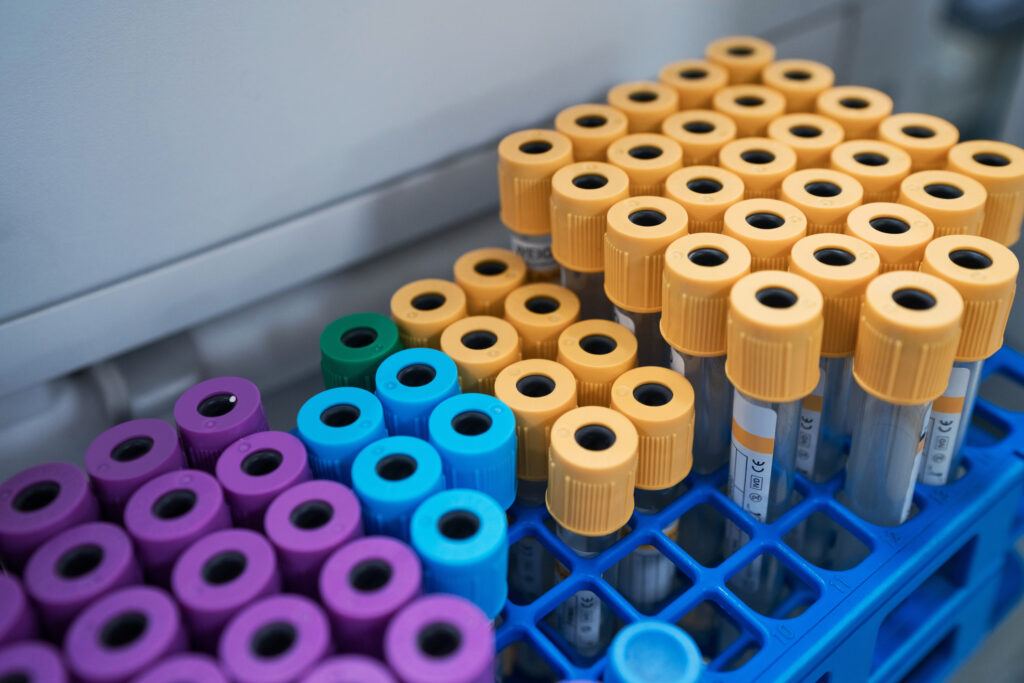
Scientists have been exploring better ways to identify people who might be at risk of developing lung cancer. In a new study published in JAMA and presented at the American Thoracic Society International Conference in Orlando, researchers report that it may be possible to scan the blood for signs of cancer.
Researchers at the International Agency for Research on Cancer (IARC), which is part of the World Health Organization, found that a blood test that tracked 13 different proteins captured 85% of lung cancers that occurred among smokers, compared to 63% that were detected using the existing screening guideline, if the same criteria for the specificity of the tests in picking up cancer are applied. (The screening test for lung cancer, which is a yearly low-dose CT scan of the lungs, is currently recommended for people who have smoked the equivalent of a pack of cigarettes a day for 20 years, or for those who currently smoke or have quit smoking in the past 15 years.)
Researchers led by Mattias Johansson and Hilary Robbins, scientists at IARC and senior authors of the study, started with more than 1,200 proteins they believed might be implicated in lung cancer. They winnowed them down to 13 after analyzing data from thousands of smokers and former smokers in an IARC database who provided blood samples before they knew if they would develop cancer, and who were followed for three years to see if they did. Some of the proteins are known to be involved in lung cancer, while others are new, says Johansson, although the study was not designed to delve deeper into the what those proteins do. In a previous study, the team described the iterative process of isolating the most meaningful blood markers for the test.
Johansson and Robbins say the goal of the blood test is not to replace CT scans, which are effective but expensive and may expose people to unnecessary amounts of radiation if they are used broadly in a large population. “This test allows us to identify some of those who actually have high risk,” Johansson says. “This is really about screening in a smarter way, to focus on those likely to benefit, and avoid screening people who don’t need it.”
The current study focused on smokers, but ultimately, the same strategy could be used to expand screening guidelines to include nonsmokers who go on to develop lung cancer and are not currently eligible for any lung cancer screening.
The test isn’t ready for commercial use yet, but the results make a strong case for developing it further, the researchers believe. “The main thing would be an interventional study—to screen a big group of people if they are eligible based on current criteria, and also using the biomarker tool if they are not eligible under current criteria, and comparing them,” says Robbins. The team is currently planning a small study to determine the likelihood that people would want to get screened using the blood test before moving ahead with the larger study. “We have done serious thinking about how to design the study and how to get funding for it,” says Robbins.
The post Scientists Are Getting Closer to a Blood Test for Lung Cancer appeared first on TIME.