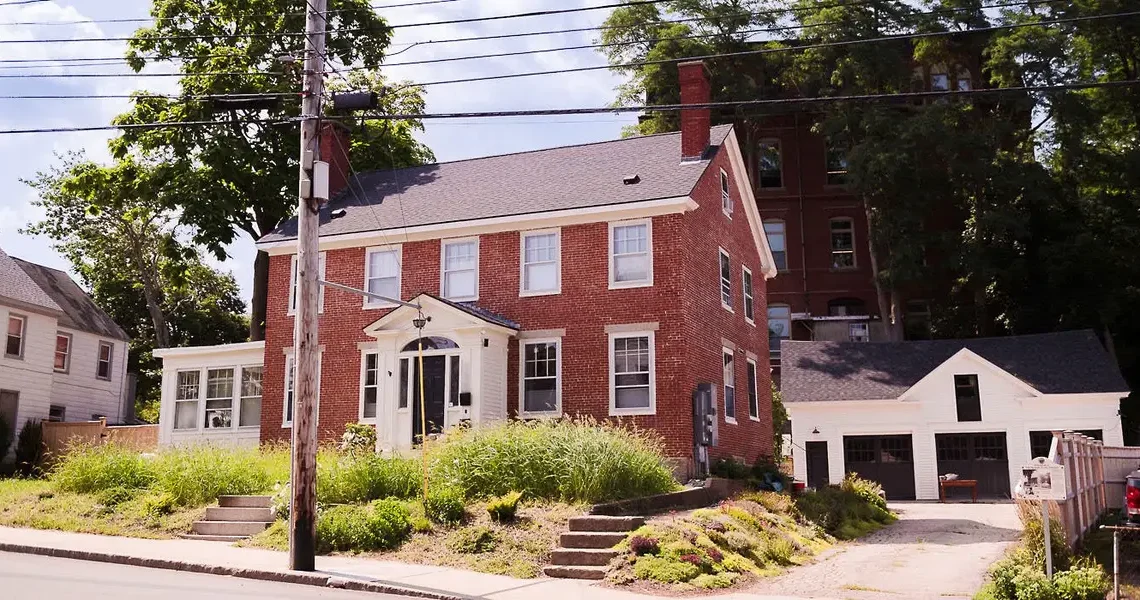
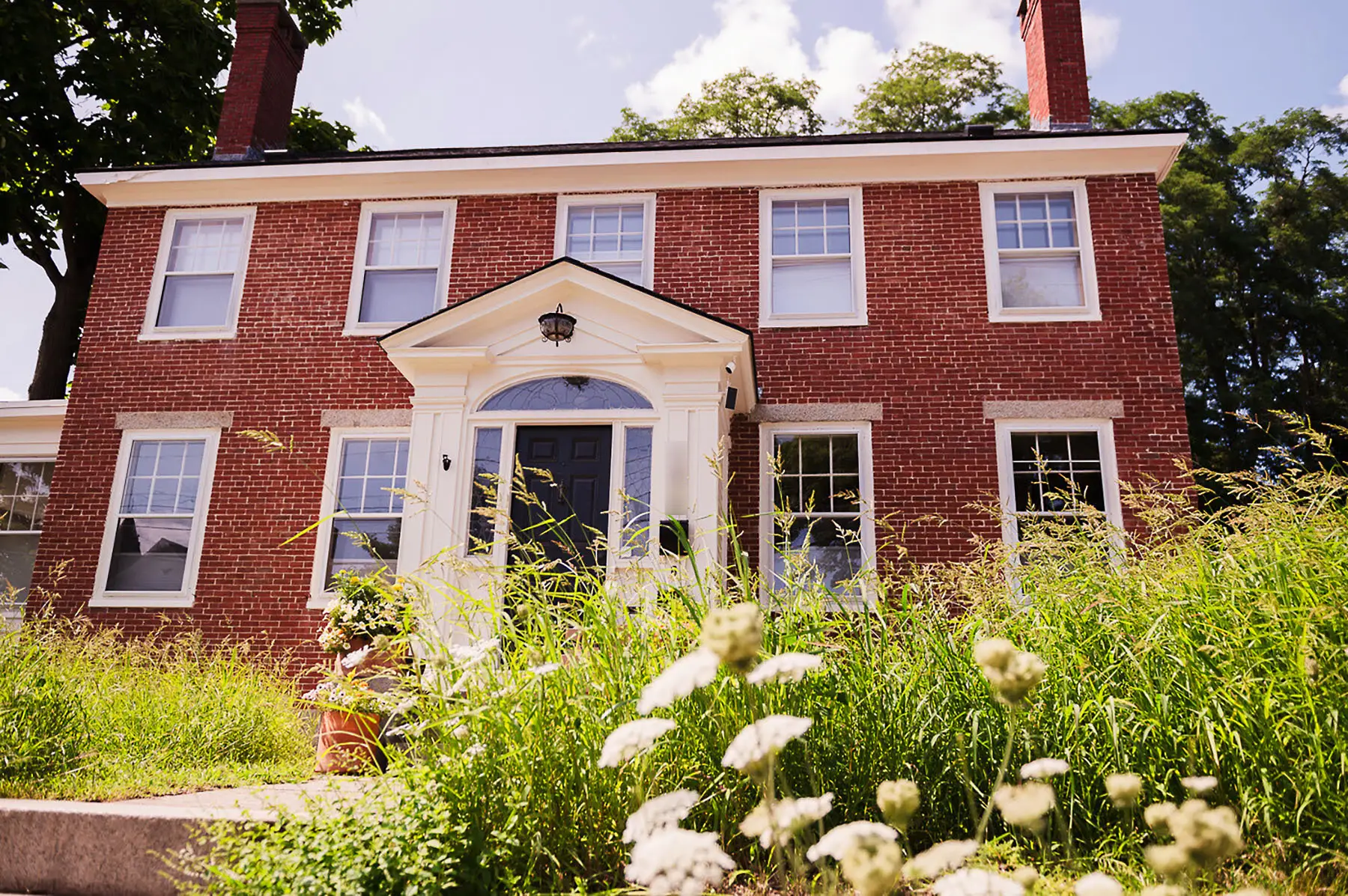
When my wife and I set out to buy our first house nearly a decade ago, we were looking for a fixer-upper. Something with “good bones.”
More than just a house, our first real-estate purchase would be a strategic investment — and as an attorney with a very corporate, back-office career on Wall Street, I’m all about strategic investment. I was buying a house with my head, not my heart.
One listing ticked all of our boxes. Historic and in a perfect location, the house had a fairly large yard, plenty of cosmetic work to do, and the likelihood of increasing in value with the neighborhood.
Plus, it offered a glittering bonus: an income-generating apartment over the detached carriage house. We didn’t know how to be landlords, but we bought the house from established residential real-estate investors.
Trusting their judgment, we offered the apartment’s existing tenants — a mother-daughter duo — a new lease at the same rate they’d paid the year prior. We figured we’d reassess the situation once their yearlong lease was up.
Our first year went better than we could have dreamed
Of course, we were in a privileged situation. As a white-collar couple living in Maine in 2017, we were able to afford a home in the first place without any financial help from our parents — something that isn’t possible for every homeowner, and probably wouldn’t be possible for my family in today’s economy, either.
Due to our circumstances, we were also positioned well enough that we didn’t need to maximize every potential income stream.
Technically, our tenants’ rent was below market value from the start, but as far as we were concerned, they were more than paying their fair share. Their rent was more than half our monthly mortgage, and we were building equity. We didn’t feel right asking for more from them.
Their house was in our backyard, so we got to know them. We chatted during chance meetings in the driveway and when rolling the recycling bins out together.
In our first year, all of our tenants’ rental income and then some went to projects around the house, like painting, landscaping, and doors that kept out the snow.
Our tenants complimented the snow removal, helped weed the gardens, and demonstrated deep emotional investment in our neighborhood. They cheered us as my wife and I got appointed to city commissions and boards and ran for City Council.
All in all, they seemed happy to have us and happy to stay. When their first lease expired, they worried we’d want to move a relative into their unit.
To reassure them and show that we valued their contribution to our little compound, we signed a new three-year lease with no rent increase.
Getting to know our tenants has helped us better understand our values
The more we learned about our neighbors, the more we came to love them. When I found a lost cat, they helped me canvass the neighborhood to find its owner. When my wife got cancer, our tenants brought us food.
When the COVID-19 pandemic hit and I was alone in the house while my wife underwent treatment, our tenants checked in from across the driveway by text. They waved out the window and offered me comfort from six feet away in the garden.
By the time their three-year lease was up, they’d become fixtures in our lives. With my wife now healthy, we were expecting a baby and couldn’t fathom the upheaval of finding new tenants.
We never asked whether they could afford a rent increase. We were lucky enough to be financially stable and not need the extra money to pay our own bills — and we valued the predictability and comfort of having fantastic neighbors more than we valued the difference between their rent and the market value.
So, without raising the rent, we extended the lease for another three years.
We plan to keep their rent as-is for as long as we can
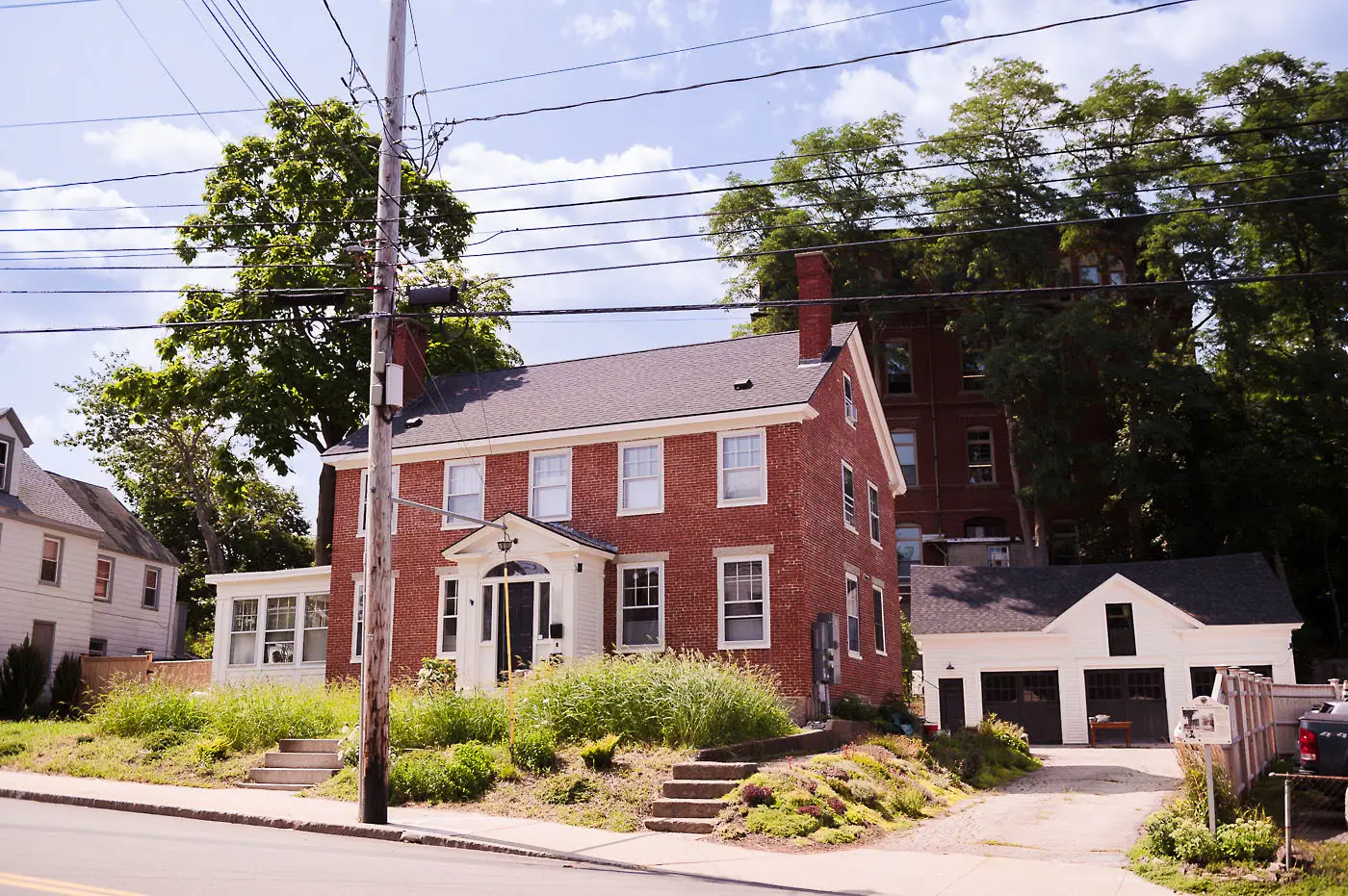
When that term was up in 2024, we were about to have our second child, and our tenants were already deeply beloved by our first. So, we’re now on our third three-year lease with the same rent.
We fully intended to make money on the apartment, and surely, we’ve made some. Nine years on, though, our tenants’ rent is the same, and we hope they’ll never leave.
What we have built with them as our neighbors far and away surpasses the additional money we could have earned as market-rate landlords.
We’re invested in each other’s lives — and, by extension, in our community. And although maximizing return on investment is in my DNA, I’ve learned that returns can be so much more than money.
Read the original article on Business Insider
The post As a landlord, I haven’t raised my tenant’s rent in 9 years. Community is more valuable than money. appeared first on Business Insider.