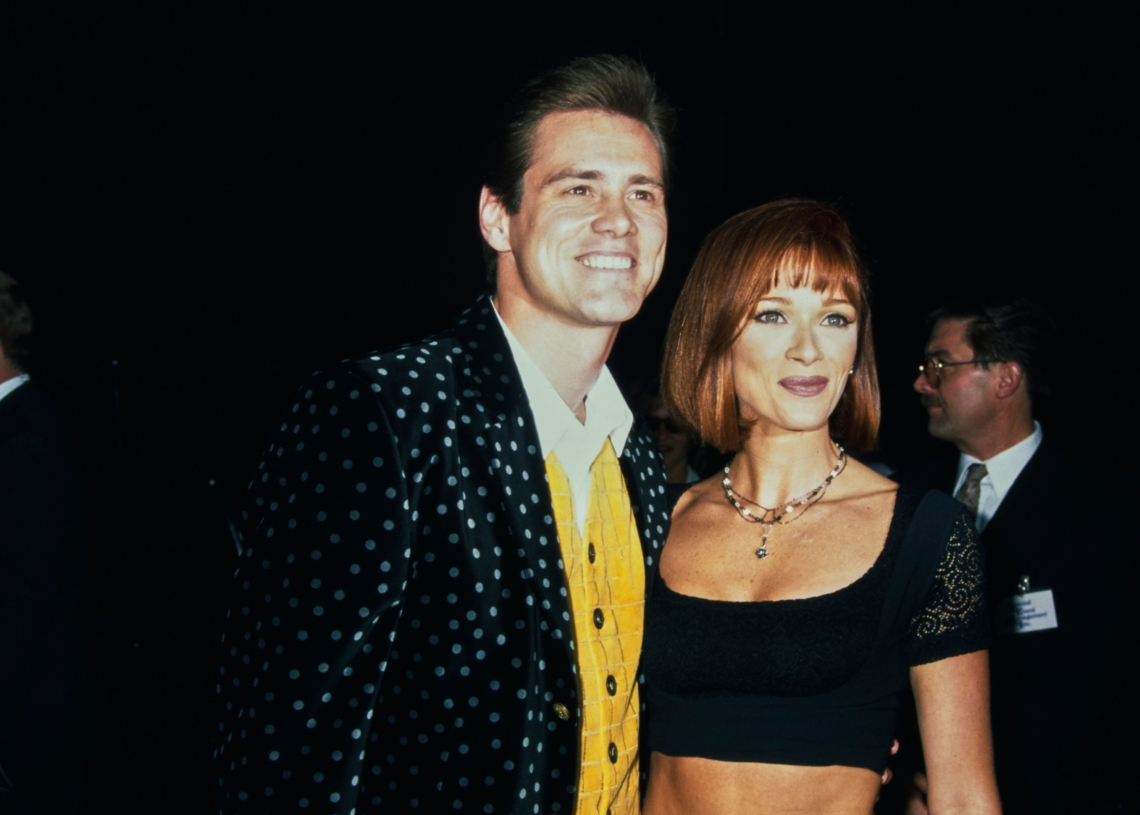
The character of Stanley Ipkiss, as immortalized by Jim Carrey in 1994’s The Mask, was first introduced in Dark Horse comic books from the late 1980s. Though it might be hard to imagine, given the movie’s tone, those original comics were very violent. Inspired in part by popular horror villains like Dr. Jekyll and Mr. Hyde, Ipkiss transforms into a sadistic being known as Big Head whenever he dons his magical mask. In the original limited series, which debuted in 1991, Big Head even murders a bunch of police officers.
Mike Richardson and Todd Moyer of Dark Horse got some big offers to adapt the comic into a film, including one from Warner Bros. However, Mike De Luca at New Line Cinema, who’d been having a lot of success with A Nightmare on Elm Street and its subsequent sequels at the time, guaranteed the pair that the movie would get made if they signed with him instead.
Not wanting to risk selling the rights without a project ever seeing the light of day, Richardson and Moyer went with New Line. Understandably, the company wanted to turn it into a horror film, with one early idea involving a mask maker who would remove the faces of corpses and place them on teenagers to turn them into zombies.
A Beloved Jim Carrey Comedy Was Almost a Brutal Horror Movie
At one point, A Nightmare on Elm Street 3 director Chuck Russell was tapped to help develop The Mask into New Line’s latest horror franchise. After giving it some thought, Russell suggested a different course of action: Make it into a comedy and cast an up-and-coming comedian named Jim Carrey in the lead.
The people at New Line thought he was crazy, and he didn’t hear back from them for almost a year. Russell eventually got to direct it his way, which might’ve had something to do with Richardson also not being interested in going the horror route.
A first draft was finished as early as 1990, and even at that stage, the violence was excessive. In the opening scene of a revised draft by Mark Verheiden, the magical mask is obtained in a Haitian jungle after a fair number of decapitations. The dialogue is peppered with quite a bit of profanity as well, meaning it likely would’ve been rated R if shot as written.
Obviously, they decided to tone all of that down by the time filming commenced, and for better or worse, we ended up with the goofy PG-13 classic we know today.
The post 32 Years Ago, Jim Carrey Turned a Brutal Horror Comic Into a Family Comedy Classic appeared first on VICE.