An AI agent was given free rein to run a coffee shop in Sweden, and it’s going about as well as you’d expect.
Dubbed “Mona,” the Google Gemini-powered agent was given a $21,000 budget in an experiment conducted by the AI safety startup Andon Labs. It was empowered to do everything from hire staff to place orders for goods to maintain its inventory. Humans, meanwhile, did the actual work of catering, receiving their AI overlord’s commands through the workplace messaging platform Slack.
But since launching in mid-April, the Stockholm café has brought in only $5,700 in sales, while burning through over $16,000 from its original budget, the Associated Press reports.
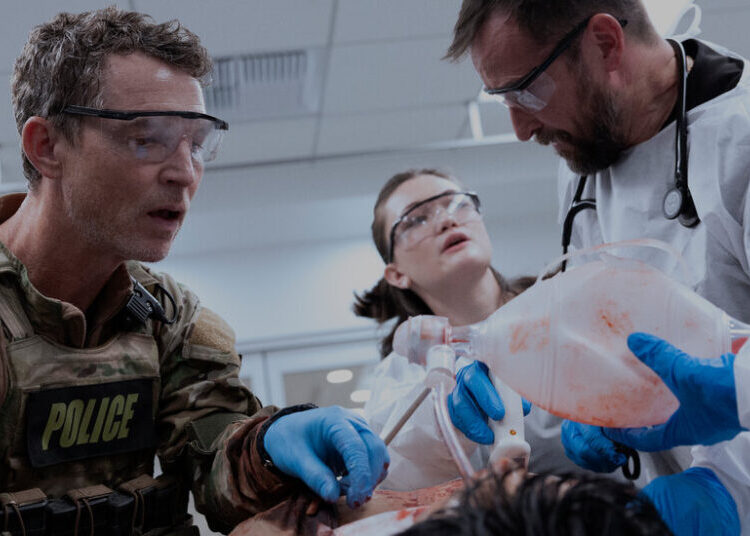
Some of its questionable business decisions include ordering thousands of rubber gloves, despite the café only having a handful of employees. The AI’s handlers, nonetheless, are holding out hope that this is just a blip from expensive setup costs. How well it performs will raise grander questions of the tech’s impact on the workforce.
“AI will be a big part of society in the future, and therefore we want to make this experiment [to] see what ethical questions arise when we have AI that employs other people and runs a business,” Hanna Petersson, a member of Andon Labs’ technical staff, told the AP.
To launch the experiment, Mona was given a simple set of instructions. It should run a profitable café, be friendly and easygoing, and try figure out operational details by itself, Petersson said.
In many ways, it proved admirably competent. It set up electricity and internet, placed LinkedIn hiring ads, and secured permits for outdoor seating. It also set up commercial accounts with wholesalers for bread and pastries, per the reporting.
But it was in the day-to-day operations that Mona failed to display adequate business acumen. On some days, it’d order too much bread, and on others it failed to order the bread in time, forcing the baristas to slash sandwiches from the menu.
The Gemini agent also ordered 3,000 rubber gloves, four first-aid kits, and 6,000 napkins for the café — along with canned tomatoes, which aren’t used in any of the dishes on its menu. Petersson speculated that these issues were due to the AI’s “limited context window.”
“When old memory of ordering stuff is out of the context window, she completely forgets what she has ordered in the past,” Petersson explained.
How you view the AI’s performance is a glass half-empty, half-full deal. That it handled so many aspects of the café’s setup is impressive, but blowing through over three quarters of its budget by buying needless supplies is enough to make a frugal-minded business owner apoplectic.
While much of the panic of AI destroying jobs has centered on low-paid grunts being kicked to the curb, café barista Kajetan Grzelczak sees it differently.
“All the workers are pretty much safe,” he told the AP. “The ones who should be worried about their employment are the middle bosses, the people in management.”
This isn’t the only AI business experiment Andon Labs has run. The company also set up an AI-powered vending machine that was placed in Anthropic’s headquarters last year. For a month, it was allowed to stock its own products with the goal of generating profit, while hearing out employee requests. But the trial proved even more disastrous: the AI displayed alarming behavior like lying to and even berating humans, refusing to issue refunds, and blowing its money on absurd items like tungsten cubes.
More on AI: AI Is Giving Your Boss Tools to Be More Monstrous Than Ever Before
The post Researchers Put Google Gemini in Charge of an Entire Coffee Shop, and It’s Inexorably Driving It Out of Business appeared first on Futurism.