It started with pain in her hip. Susan Wojcicki, 54 at the time and the CEO of YouTube, was a frequent runner and swam regularly in the company pool. Maybe it’s just sore muscles, she thought, hoping the pain would resolve itself. She was in Europe attending a conference in the summer of 2022 and didn’t have time to give it much thought.
When the pain persisted after she returned home to California, she decided to get an MRI. The scan said she had cancer.
Stunned, Wojcicki called her primary care doctor, who was equally surprised and suggested she repeat the scan. She texted her sister Janet, a professor of pediatrics and epidemiology at the University of California San Francisco, and told her the report showed bone cancer. “She said, ‘I did it at a questionable radiology center because I wanted a quick MRI, so I’m going to repeat it,’” says Janet, who connected her sister to a radiologist friend. Even then, “I was joking with my friend that we didn’t think it was possibly real.”
The second scan showed the same thing, and doctors believed that the cancer found in Wojcicki’s bones had spread there from another source. “Sure enough, it was cancer, and it was metastatic,” says Wojcicki’s husband, Dennis Troper, a project management director at Google. “It was a bomb dropping in the room.”
Wojcicki had lung cancer, which kills more than 125,000 Americans each year, more than any other cancer. It wasn’t on her radar: She had never been a smoker. She was healthy, active, and only in her early 50s. Yet people like Wojcicki, who don’t fit the classic picture of someone with lung cancer, are increasingly developing the disease. While people with a smoking history make up the bulk of lung cancer cases and deaths, up to 20% of new diagnoses in the U.S. and worldwide are in nonsmokers. By the time most of these cases are diagnosed, they have already advanced and spread to other organs, at which point the disease is difficult or, often, impossible to treat.
Wojcicki decided not to reveal her diagnosis publicly and continued to work at YouTube until stepping down in early 2023. Behind the scenes, she and her sisters, Anne—who founded genetic testing company 23andMe—and Janet, spent the next two years aggressively searching for answers to the questions Wojcicki asked herself over and over again: Why did this happen? Was there something she could have done to prevent this cancer? She tested her home for radon—the second leading cause of lung cancer, behind smoking—and investigated air pollution patterns where she lived, but none yielded satisfactory answers. In the search for better treatments for her advanced disease, it became clear that she was at the vanguard of an ignored group of people who were falling through the cracks of lung-cancer care.
After exploring and trying various cutting-edge therapies, including joining clinical trials testing experimental approaches, Wojcicki passed away in 2024. Several months after her death, her family posted a letter on YouTube that she had written, revealing her cancer journey and her intention to “fight for better understanding and cures for this disease.”
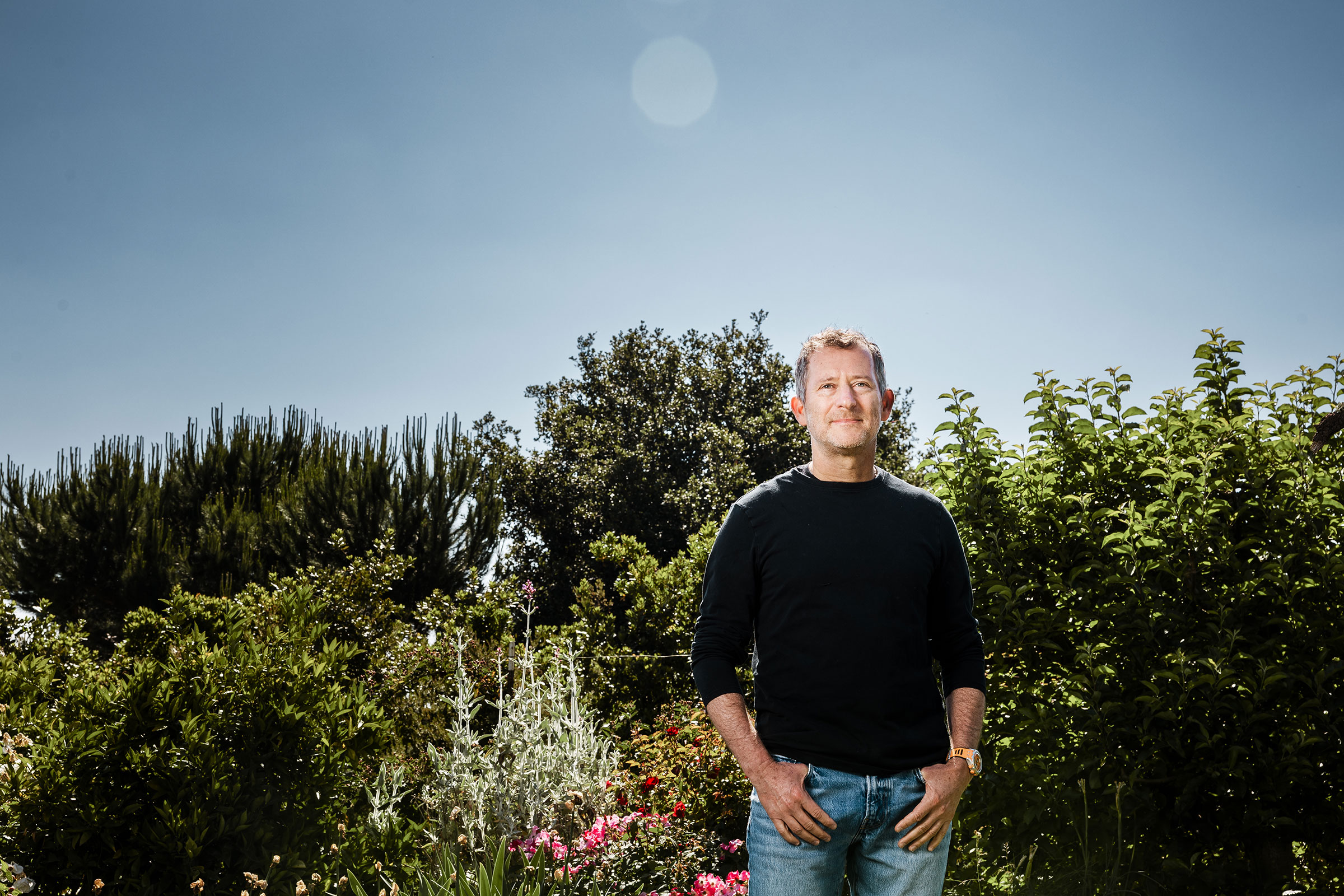
Although Wojcicki died without knowing why she developed lung cancer, her family hasn’t stopped looking for answers. In some of the first interviews about Wojcicki’s cancer journey, they shared with TIME, and also with Good Morning America, their decision to launch the Susan Wojcicki Foundation in order to fund efforts to diagnose lung cancer earlier, particularly for nonsmokers, and change recommendations about who should be screened for the disease. Inspired by organizations such as the Michael J. Fox Foundation, for Parkinson’s disease, and the Susan G. Komen Foundation, for breast cancer, the family hopes to reframe how the public views lung cancer and change screening guidelines to include anyone—not just smokers—who might be at higher risk of developing the disease. “If you look at non-smoking lung cancer, that is the fifth-largest killer of all cancers,” says Troper. “It’s a crisis.”
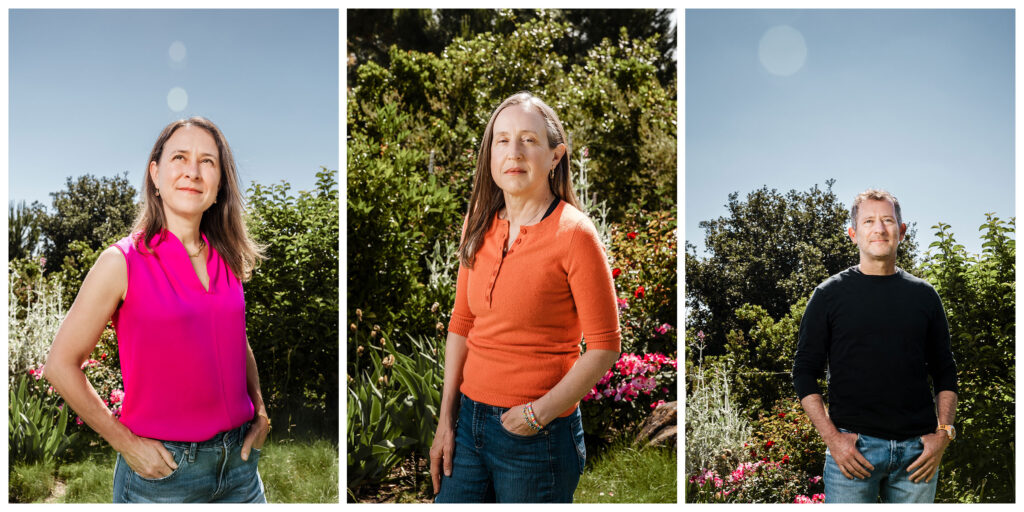
I met Wojcicki’s sisters and husband at the family’s farm, which is a short walk from their home in Los Altos Hills, Calif. The garden, beekeeping hives, and coop with more than a dozen egg-laying chickens were all Wojcicki’s idea—a way to connect her five children to nature and part of Wojcicki’s healthy lifestyle. In addition to exercising almost every day, she avoided sugar and ate naturally grown food as much as possible.
Before the cancer diagnosis, the farm was a place where the Wojcicki sisters and their families would spend time together and gather for holidays. After, it became something of a headquarters for the family and the experts they invited over to figure out how to defeat her cancer. “From day one, this was a project,” says Anne of the fight to save her sister’s life—similar to the ones they would embark upon as children. “I remember [Susan] calling us and saying, ‘You guys are in charge. I can’t deal with this, so I’m putting you guys in charge of solving this.’”
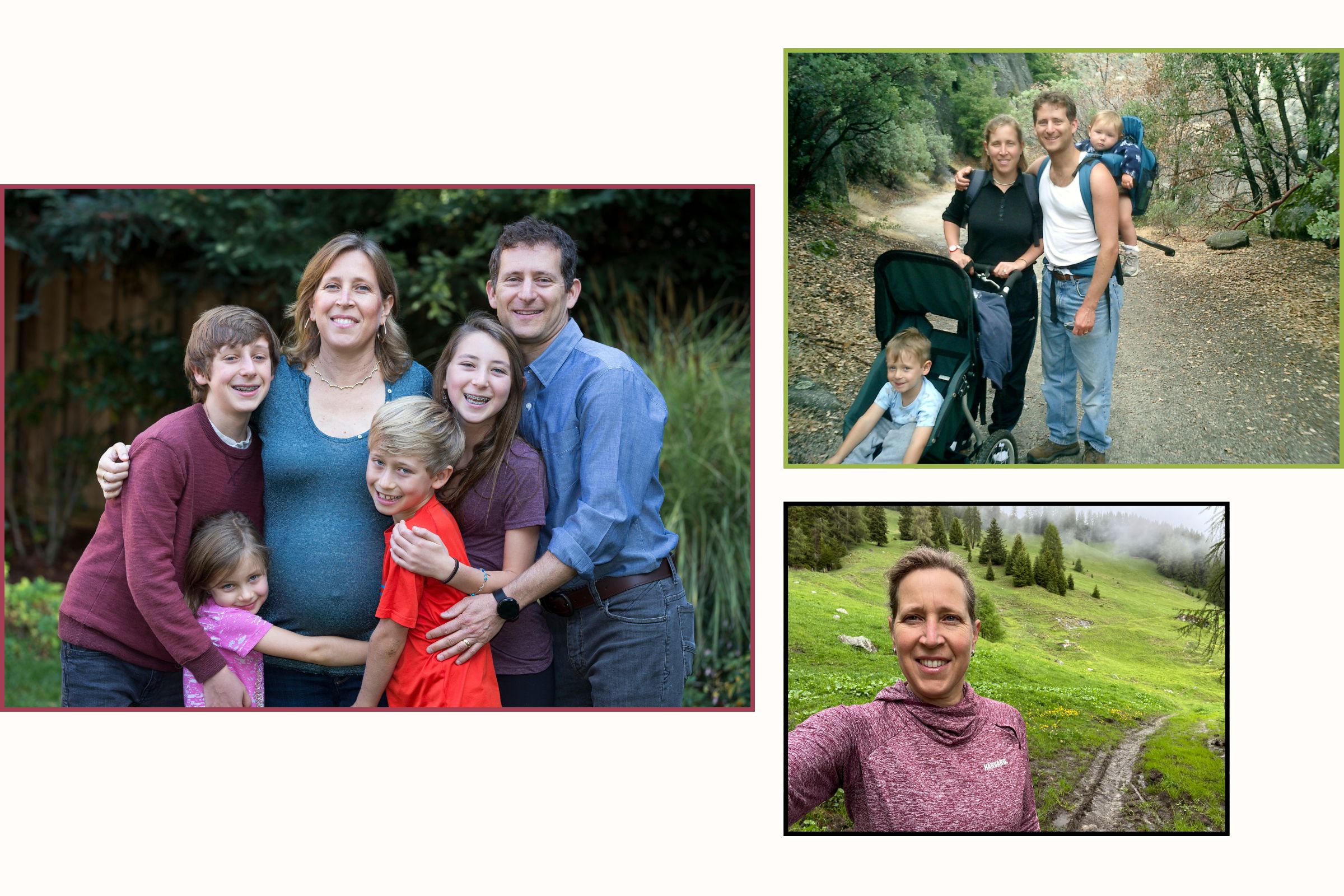
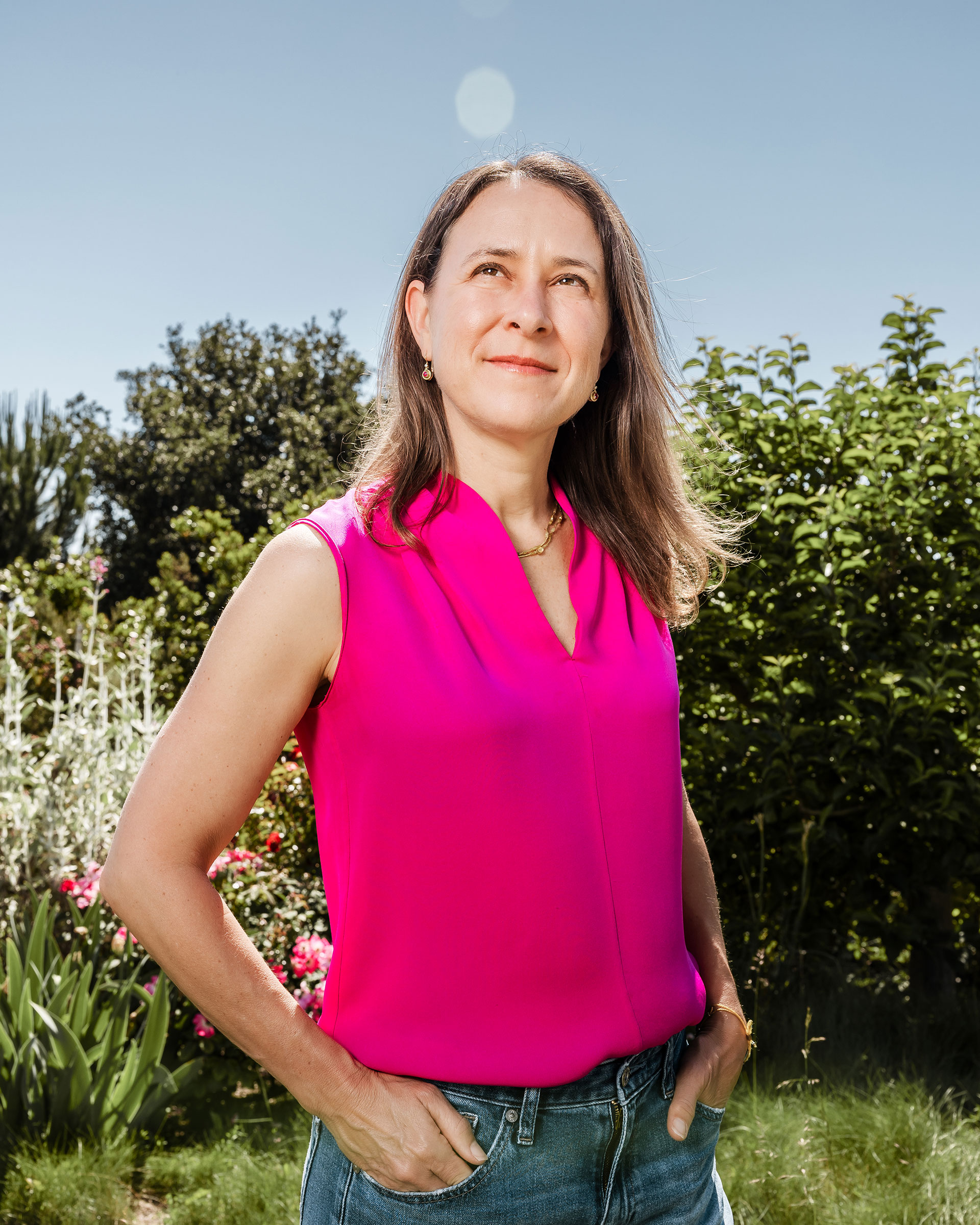
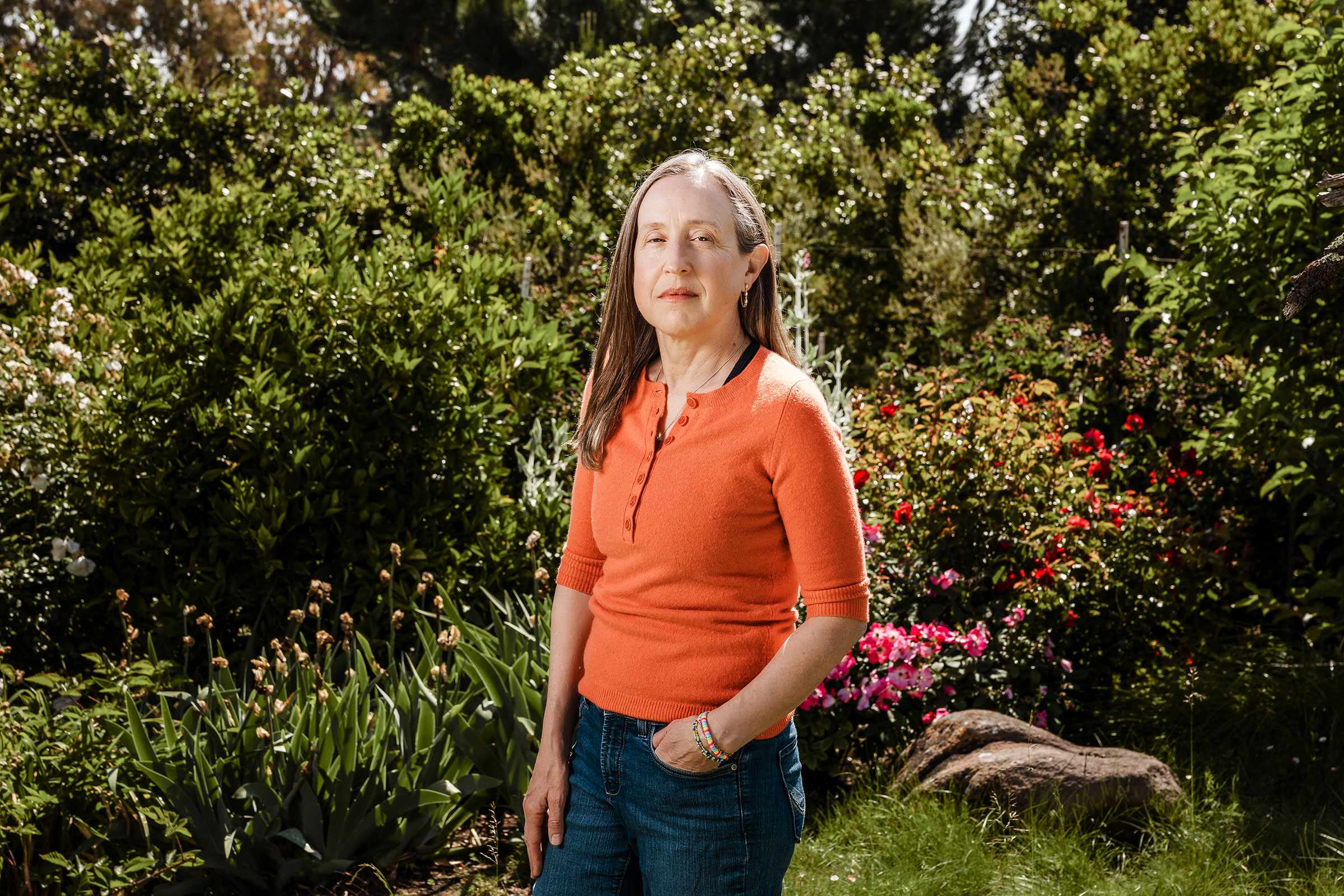
A more qualified team could hardly have been assembled. The Wojcicki sisters are all such recognized leaders in the fields of science and technology that Mattel released Barbies in their likenesses in 2023 as part of their STEM series. The sisters grew up on the campus of Stanford University, where their father was a physics professor, and were always involved in projects together, from making and selling spice ropes to putting on magic shows. Their parents had always encouraged them to be independent thinkers and voice their opinions. “We grew up thinking that it was a very negative thing to not speak your mind,” says Janet.
After learning about her sister’s diagnosis, Anne called dozens of her contacts in the medical community from her years of building 23andMe, which declared bankruptcy as a commercial testing company in 2025 but now exists as a nonprofit research organization, the 23andMe Research Institute, which Anne runs. She and Janet visited leading experts at the National Institutes of Health, who weren’t optimistic about Wojcicki’s chances. Hearing this from experts on science’s cutting edge was a “watershed moment,” Janet says. “They said, ‘It looks really bad. You should go home and appreciate the time you have.’”
But the sisters couldn’t simply accept the dire prognosis. “It goes back to our childhood and the mindset of being fearless, and always stepping up,” says Anne. “We had no issue calling up the heads of different institutions and saying, ‘We have a problem.’ We were super-aggressive advocates. We felt, ‘This is a research problem; we can absolutely tackle this.’”
Driving their determination was the fast-changing world of cancer therapies, including breakthroughs in immune-based treatments and cell-based strategies known as CAR-T, which they were convinced would be able to help their sister. “The hope was that science is moving really rapidly, and it was almost like, in Susan’s mind, she needed to stay alive long enough to capture some of those changes and innovation,” says Anne. “But we knew it was an uphill battle.”
The sisters soon learned that lung cancer in young nonsmokers is generally driven by specific genetic mutations that are not present in smoking-related lung cancer. The good news is that there are targeted therapies that address those mutations and can extend survival, but these are most effective if started early in the disease, before tumors spread.
“It’s quite clear that abnormalities we see in young people with cancer of the lung are quite different than what is typically seen in [smoking-related] lung cancer,” says Dr. Edward Garon, professor and director of thoracic oncology at the Jonsson Comprehensive Cancer Center at the University of California Los Angeles (who was not involved with Wojcicki’s care). While smokers typically have a multitude of mutations caused by nicotine and carcinogens in tobacco, “in patients who are younger and nonsmokers, we tend to see [a] lesser number of mutations…and the mutations tend to be drivers of the tumor.”
Those mutations include ones in genes for EGFR, ALK, and HER2—the last of which was driving Wojcicki’s cancer. These are all genes that produce proteins involved in directing the growth and survival of cells. In recent decades, drugs that target these proteins on the surface of tumor cells have been able to slow abnormal growth and control breast, lung, pancreas, and colon cancers involving these genes.
Research into the genetics of nonsmoking lung cancer is so nascent that Wojcicki’s mutation has only been reported in 77 other cases, the sisters learned. “The only real chance of saving Susan’s life was if the cancer was caught early, when it could be cured, but she did not have that opportunity,” says Nadia Litterman, who Anne knew from 23andMe and asked to manage the growing number of projects and leads the group was pursuing to help their sister (and who is now executive director of the new foundation).
It started becoming clear to the family this was a problem worth trying to solve. If they couldn’t do it in time to help their sister, it would be her legacy. Since before her diagnosis, Wojcicki and Troper had been funding cancer research projects through their joint philanthropic foundation. That work, combined with the projects that Janet and Anne were pursuing to learn more about early-onset lung cancer, formed the seed of the Susan Wojcicki Foundation. The Troper and Wojcicki families have committed $150 million to launch the foundation. Melinda French Gates and Salesforce (whose CEO and co-founder, Marc Benioff, owns TIME with his wife Lynne) have also provided significant contributions.
In addition to funding research, the foundation is working closely with YouTube to raise awareness and change public perception about lung cancer as solely a disease caused by smoking. That role for YouTube was something for which Wojcicki had begun setting the stage years before she learned she had cancer. At a time when YouTube was known for promoting fluffy content, Wojcicki already wanted to harness its influence for more substantive goals. She recruited Dr. Garth Graham, then at CVS Health, to head up a new initiative at YouTube to provide reliable, validated health information from qualified and respected sources. “The idea she had was that many people start their health care journeys on Google and YouTube, and video is a very important part of demystifying complex clinical topics, from understanding heart disease, diabetes, and a cancer diagnosis,” says Graham.
Graham is now designing a strategy that will allow YouTube to serve as a resource for both the public and health-care providers to learn about the risks of lung cancer among nonsmokers, and to inform them about the latest early-detection developments as these advances occur. Google—which was started in her garage when she took a chance on two Stanford graduate students and where she was the 16th employee—is also working with the foundation to leverage AI-based analysis to accelerate the search for risk factors and identify what may make people more vulnerable to developing early-onset lung cancer. “AI gives us an historical opportunity to understand the ‘why,’ and then we want to move into the ‘what,’” Graham says. “What do you do, how do we save more lives, and how do we move forward on the issue of early detection?”
Lung cancer is among the few cancers for which screening is determined by a lifestyle choice—smoking—in addition to age. The stigma, and guilt, surrounding lung cancer caused by smoking means that screening rates for the disease remain low. Screening guidelines involve some complicated, non-intuitive math. People who should currently get screened for lung cancer include adults ages 50-80 who smoked the equivalent of a pack a year for 20 years, who currently smoke or have quit in the last 15 years. Even within this high-risk category, only about 18-20% of eligible people in the U.S. get the screening test, a low-dose CT scan.
Breast, colon, and prostate cancers all have broad, age-based screening guidelines that have contributed to drops in deaths from these conditions. Wojcicki’s sisters, as well as many lung cancer experts, argue that it’s time to broaden who’s eligible for lung-cancer screening, because smoking only captures some of those at risk.
In their quest to cure Wojcicki’s cancer, the sisters recognized that nonsmokers who develop lung cancer are a massively understudied population. Scientists still didn’t know basic information about lung cancer in nonsmokers, including the comprehensive range of genetic factors driving the disease. Just a month before her death, in July 2024, the sisters opened the Lung Cancer Genetics Study to uncover more of those genes, with the ultimate goal of developing better ways to detect the cancer early.
They have some hints from the few studies that have been done on lung cancer in nonsmokers. Those increasingly show that the disease tends to disproportionately affect women—especially Asian women. It’s a different demographic that could provide clues about what other factors are driving lung cancer besides smoking. In 2021, researchers in Taiwan conducted a nationwide study at 17 hospitals of nonsmokers with lung-cancer risk factors like a family history of the disease, smoking, tuberculosis, exposure to secondhand smoke or poorly ventilated cooking areas. The participants received a low-dose CT scan to look for lung cancer, and it was detected in 2.6% of the group. Encouragingly, the screening led to 96% of these cases being detected at Stage 0 or Stage I. Having a family history of lung cancer was the most significant risk factor of those studied, but the findings revealed how prevalent lung cancer was among people who didn’t smoke.
Based on the results, health officials are now starting to screen more nonsmokers in Taiwan who have the same risk factors used in the study to see if including this population can lower lung-cancer deaths.
At NYU’s Perlmutter Cancer Center, Dr. Elaine Shum conducted a similar study in the U.S. to see if Asian-American women with those kinds of risk factors would see the same benefits. She screened 1,000 Asian women with low-dose CT scans and found cancer in 1.3% of cases, which is a higher rate than the one reported in a national lung-cancer screening trial among smokers. Shum says the findings also show how many cancers are missed by current U.S. screening guidelines, which focus on heavy smokers.
This is the population Wojcicki’s family is hoping to capture. With more research, they hope to change lung-cancer screening recommendations in the U.S. to include nonsmokers.
“If I had Stage I lung cancer, I would want it to be picked up,” says Iona Cheng, professor of epidemiology and biostatistics at UCSF. She and her colleague Scarlett Lin Gomez oversee the Bay Area portion of California’s cancer registry, a database of all cancer cases diagnosed in the state that is part of the U.S.’s national surveillance system of cancer. They began exploring risk factors for lung cancer among nonsmokers after a cancer doctor at Stanford University asked them whether the growing number of young, nonsmoking Asian women diagnosed with lung cancer that she was seeing was part of a broader trend, or unique to her patient population. Cheng and Gomez received a grant from the National Institutes of Health to launch the Female Asian Non Smokers Study, called FANS, to analyze the trend. “We were able to answer, ‘Yes, rates are higher among Asian females who never smoked relative to other ethnic groups of females who never smoked,’” says Gomez. “So FANS is now taking the next step to ask the question: ‘Why?’”
The two scientists have just finished enrolling 550 Asian-American women who were diagnosed with lung cancer but who had never smoked, along with 700 similar-aged women of any ethnicity who don’t have lung cancer as controls. All of the women answered questions about their passive smoke exposure, immigration experience, and environmental exposures, and they all provided saliva samples that might identify molecular and genetic factors differentiating those who had lung cancer from those who didn’t. It’s the first study of such risk factors, Gomez says.
But conducting this type of research requires resources that aren’t plentiful, for a number of reasons. Early-onset lung cancer in nonsmokers still isn’t viewed as a large enough problem to warrant screening for a broader population, although recent studies suggest those numbers are growing. Another challenge is that most people don’t know their genetic disposition for the disease. “We define people for eligibility for colorectal and breast cancer screening on the basis of age, and that’s it,” says Gomez. “But there is a lot of research and interest into the question of, ‘Can we be more precise?’ We have not been able to crack that nut, especially with lung-cancer screening.”
Other scientists are also mining existing databases for clues about what makes some nonsmokers vulnerable to lung cancer. Hilary Robbins and Mattias Johansson, both scientists at the International Agency for Research on Cancer (IARC) at the World Health Organization, received one of the first two grants from the Susan Wojcicki Foundation to hunt for factors in the blood that could flag nonsmokers at higher risk of developing lung cancer. The database they’re mining contains blood samples from more than 7,000 nonsmokers who developed lung cancer. “Often there are proteins perturbed by early signs of disease,” says Johansson. “Those are the signals we are looking for in our research.”
So much of cancer care today is built around treating cancer after it occurs, rather than trying to detect it before it ravages the body. That’s a mindset the Susan Wojcicki Foundation hopes to help change with the other initial grant, to maintain a repository of blood samples from nonsmokers diagnosed with lung cancer. Dr. Sana Raoof, a radiation oncologist at Brown University Health Cancer Institute, oversees the biobank and plans to scour them for any molecular signals circulating in the blood that could distinguish them from those who don’t develop cancer. “This is the future of the war on cancer,” she says. Such lab-based tests, if developed, could detect cancer far earlier. “Right now, we’re catching cancers in late stages in the majority of never-smokers. Until that changes, it really felt to me that it doesn’t matter what types of therapies we come up with, because we are not addressing the root problem.”
Raoof knows the challenges of creating blood tests for cancer; well-funded efforts to pick up multiple different cancers from the blood have not been successful to date. But with advances in AI and in the understanding of the genetic changes driving some of these cancers—and with enough samples from patients—she believes such a test could be available soon. “The power of the foundation is that it can help accelerate the search for new people with newly diagnosed lung cancer who are low risk,” she says. “There is a whole world of molecular biology out there that has not entered the space of screening. We believe the future of reducing deaths from lung cancer is early detection.”
If and when such a test for picking up lung cancers early becomes available, the next challenge will be putting it in the hands of doctors where it can have the most impact. That’s where Wojcicki’s experience and vision at YouTube may become a critical factor. The education and awareness campaigns that the foundation plans for the platform will ideally prepare public-health and health care professionals to advocate for lung-cancer screening in a wider population, once data support that the practice is safe and effective. “Many people are unaware of the impact lung cancer has, particularly on nonsmokers,” says Graham of YouTube Health. “One of Susan’s major visions was the idea of demystifying health, and how to create health-care information that is engaging and understandable.” In this case, “it’s about how the general public should understand the risks around lung cancer, the warning signs, and the importance of screening. We also know a significant amount of clinicians come to YouTube for things like medication education, so it’s an opportunity to educate the clinician community as well.”
Her family says Wojcicki didn’t explicitly express her desire to establish a foundation or specific initiative around lung cancer cases like hers, because throughout treatment she expected to beat the odds and stay one step ahead of the disease. She received her last therapy, an immune-based experimental treatment for lung cancer involving retraining her T cells to attack her cancer, at Memorial Sloan Kettering Cancer Center in New York City. She was hopeful enough that this treatment, which is now approved for melanoma but not yet for lung cancer, would buy her more time that she looked for an apartment in New York, anticipating returning for additional treatments. “We walked into Memorial Sloan Kettering thinking we would come out a month later, cancer-free from that treatment,” says Troper. “We had high hopes until the very end.”
After Wojcicki passed away, it was clear to her family that the work needed to continue, even if it hadn’t been able to save her life. “This is something we have the imperative to carry on,” Anne says. “Susan’s name should be associated with all the things she did with her career. But I think, hopefully, she is also associated with saving thousands of lives because she destigmatized it and advocated for early detection.”
The family is also determined to finally answer the question that started it all: why did she get this?
“I remember Susan and I were in the hospital room, and she was very weak at that point,” says Troper, becoming emotional at the memory. “But she looked me in the eye and said, ‘Dennis, I don’t care what you do when I’m not here, but do something meaningful.’”
The post Former YouTube CEO Susan Wojcicki Died From Lung Cancer in 2024. Her Family Is Trying to Find Out Why appeared first on TIME.