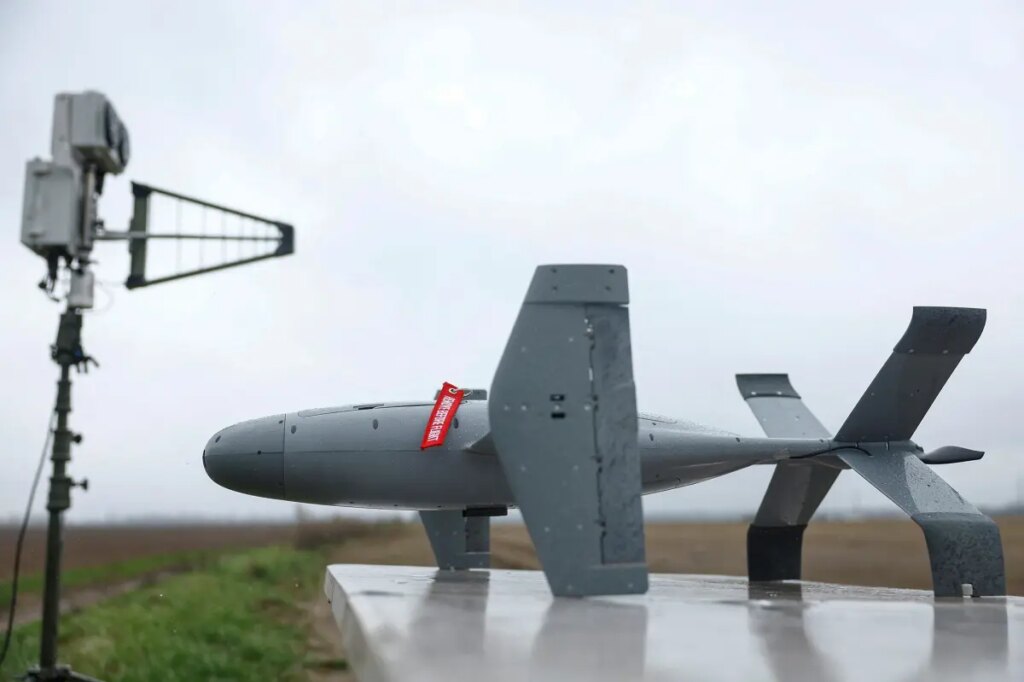
Over 200 Ukrainian specialists are in the Persian Gulf right now, training forces of US allies on how to take down Iranian killer drones.
Ever since Russia invaded Ukraine in 2014, Riyadh and its neighbors hedged carefully between Washington, Beijing and Moscow. Last month, Saudi Arabia signed a 10-year strategic defense agreement with Ukraine. So did Qatar. So did the United Arab Emirates.
The countries that bought American for decades are now buying Ukrainian, too.
The Saudis figured it out first. The world produces fewer than 900 Patriot missiles a year, while Tehran can churn about 10,000 Shaheds a month. “Mismatch” doesn’t begin to cover it. A Ukrainian interceptor drone can stop a Shahed for around $10,000. A Patriot missile costs $4 million, and hundreds of them were used up in the first days of the confrontation with Iran.
Riyadh signed the deal with Kyiv on March 27. Qatar followed with a partnership covering co-production facilities, sea drones and electronic warfare. The UAE asked Ukraine for 5,000 interceptors in early March, Qatar for 2,000. Kuwait and Bahrain are in line behind them.
Europe is moving the same way. In April, Ukraine signed a $4.7 billion partnership with Germany, including a joint venture to manufacture some 5,000 AI-enabled strike UAVs. Norway is putting up $1.5 billion to fund Ukrainian-designed drones built on Norwegian soil. The Netherlands committed nearly $300 million to joint production.
When both sides bring something to the table, it’s an industrial partnership not an aid package. As Dutch Defense Minister Dilan Yeşilgöz-Zegerius put it, drones are “crucial,” and Ukrainians use them “extremely skillfully.” Europe now gets to learn “directly from them” — a “win-win situation” that extends beyond the battlefield, creating commercial opportunities for the Dutch economy.
Last year’s peace push, stillborn from the start, has quietly faded into irrelevance. Ukraine accepted an unconditional ceasefire over a year ago, within 24 hours of it being proposed. Moscow has chosen war every day since doubling down on atrocities. The consequences are catching up with the aggressor — fast.
Faced with a ruthless, lawless invader that hunts civilians in the streets and deliberately targets maternity wards, Kyiv had no choice but to master the realities of modern combat.
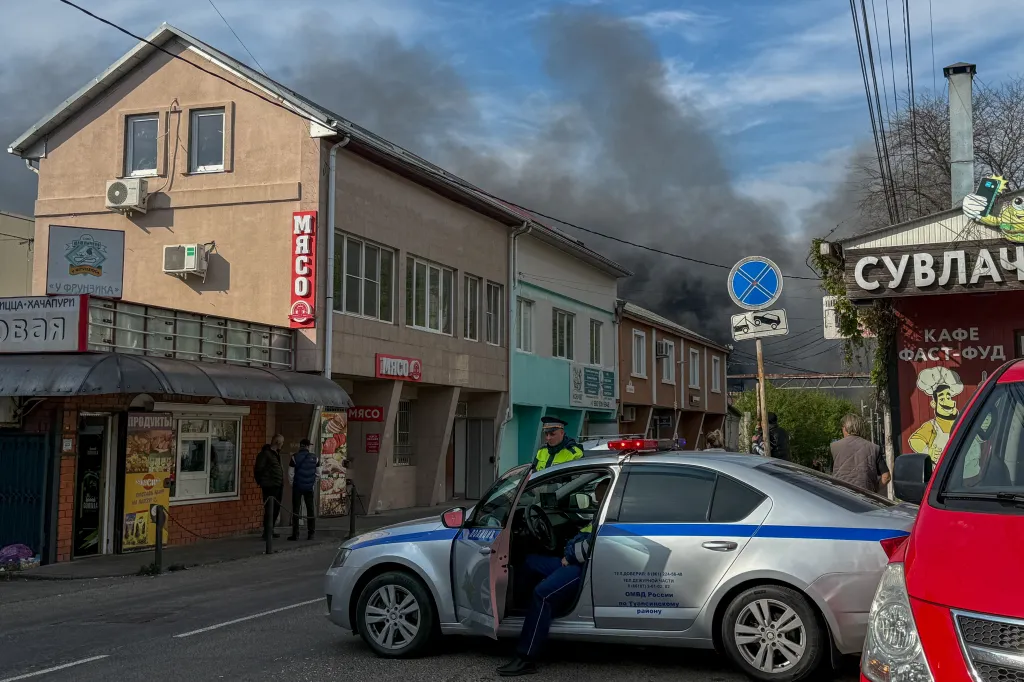
Only now are security-conscious states catching up to lessons paid for in blood. Ukrainian drones have hit Perm — nearly 1,000 miles from the border. Tuapse has been struck four times, leaving Russian air defenses looking impotent. Now even Primorsk, its flagship Baltic export port, is set ablaze.
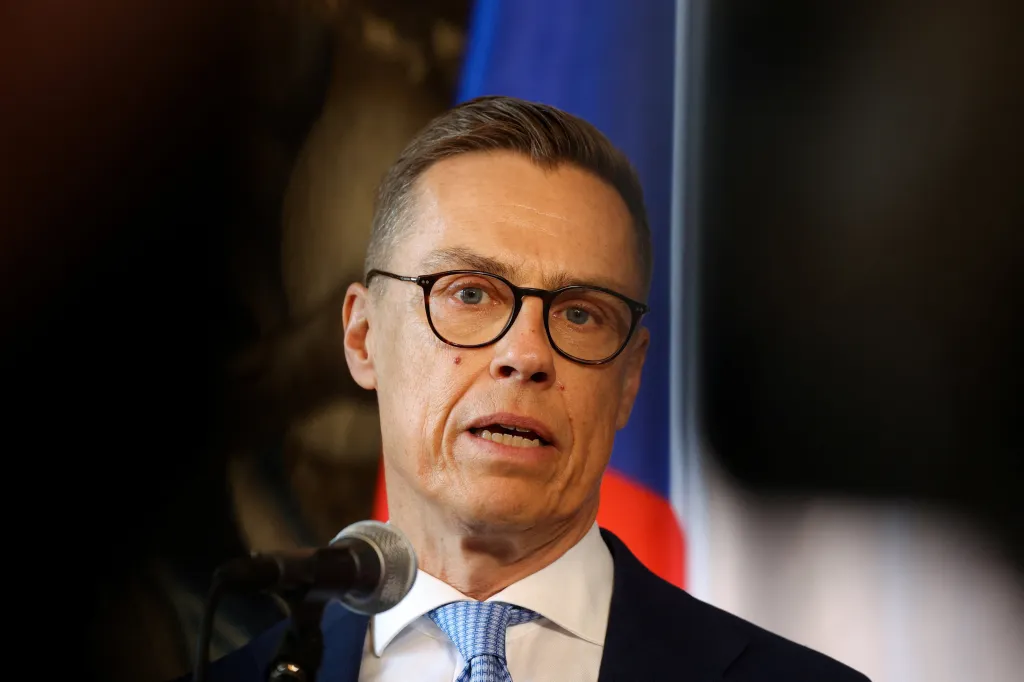
That is why Finland’s president, Alexander Stubb, now says “the tide has turned” and “we need Ukraine more than Ukraine needs us.” Zelensky is no longer pleading for help on behalf of his people. Kyiv now offers the world weapons that work.
The numbers are staggering. Stubb estimates that Ukraine is killing or wounding 30,000 to 35,000 enemy combatants a month, 95% of them with UAVs, where Russian losses outpace Ukrainian by roughly five to one.
Everyone has drones. Ukraine makes them cheaper, tests them in combat and upgrades them on the fly. The F-35 took 20 years. Ukrainians aren’t yet making fighter jets, but their UAVs evolve in weeks. The hardware isn’t the advantage. It’s a perishable good. Software matters more, but the true advantage, one that few can replicate, is the innovation cycle: engineers and soldiers working hand in glove: iterating, adapting and learning in real time.
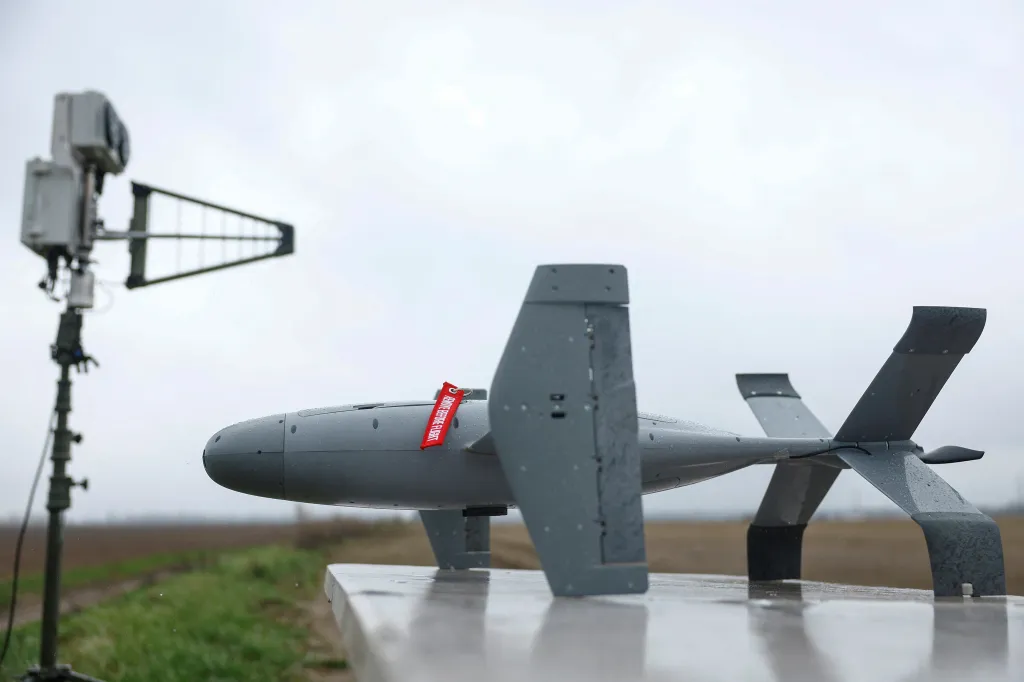
Kyiv produced up to 4 million drones last year. It is on track to make 7 million this year.
Which makes Chancellor Friedrich Merz’s comment so striking. Speaking off the cuff to students in North Rhine-Westphalia, the German leader suggested that “At some point, Ukraine will sign a ceasefire agreement . . . then it may be that part of Ukraine’s territory is no longer Ukrainian,” and floated EU accession as the consolation.
Read charitably, Merz was thinking aloud rather than drafting policy. But the line landed badly in Kyiv — even as Berlin has become Ukraine’s largest backer, with US aid largely halted since early 2025. President Volodymyr Zelensky offered a pointed reminder: Ukraine is “defending not only itself . . . but also Europe.”
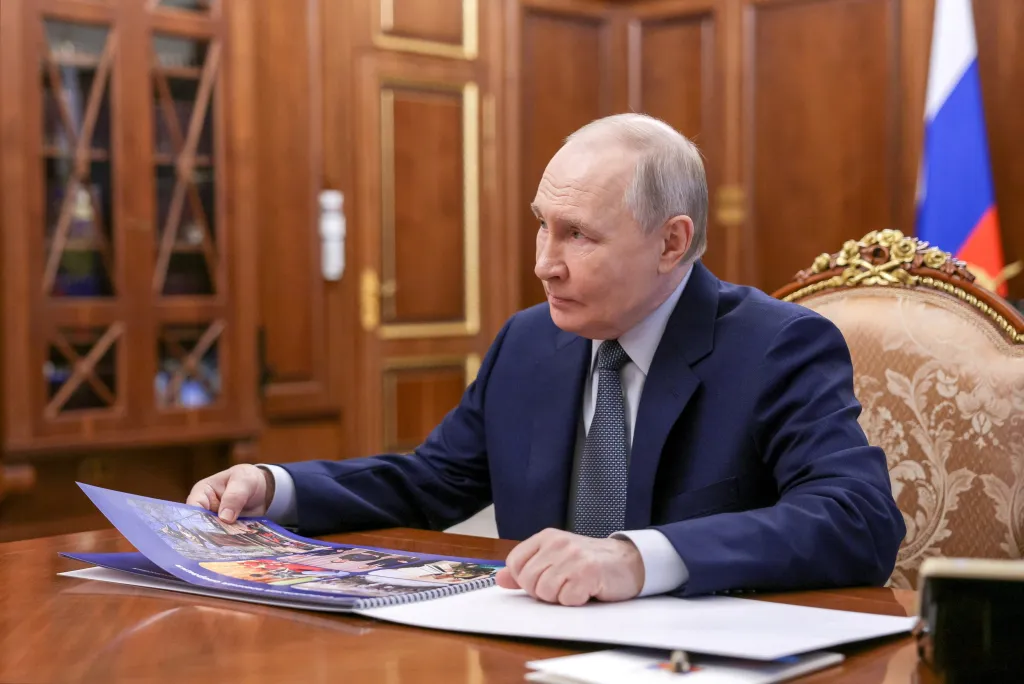
While Moscow is watching its pool of friends shrink in real time, the balancers and hedgers of the recent past are tilting toward Ukraine. Riyadh, Doha and Abu Dhabi placed their bets. Berlin, Oslo and The Hague are all in. Eleven more countries are reportedly in line for Ukrainian kit.
When Iran transferred its drones to Russia in 2022, they proved devastatingly effective. That edge didn’t last. What remains of the Shahed is mostly its balalaika silhouette. Moscow has battle-tested, reworked and upgraded the rest. The know-how is now flowing the other way.
These Russian-Iranian drones are pointed at American forces in the Gulf, and Ukraine knows how to bring them down. Washington is the one major capital still pretending it has nothing to learn.
Andrew Chakhoyan is a University of Amsterdam academic director and served in the US government at the Millennium Challenge Corporation.
The post The world’s view of Ukraine is finally changing — thanks to cheap, battle-tested weaponry everyone wants appeared first on New York Post.