It was a crucial document that wasn’t included in the Epstein files: a suicide note apparently written by Jeffrey Epstein himself.
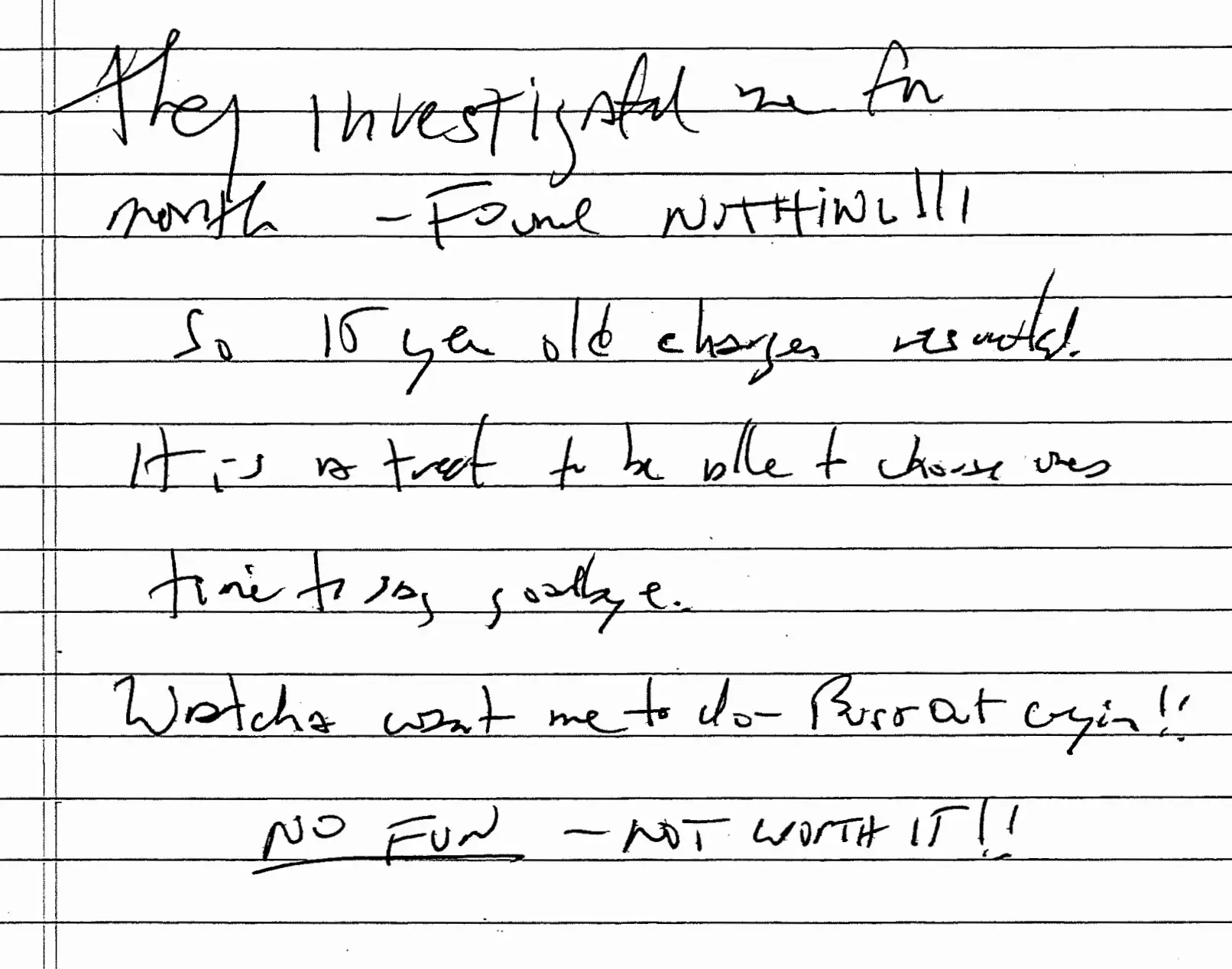
The purported note, which was made public on Wednesday by a federal judge in New York, was written in handwriting that appears to match other writing from the notorious pedophile.
“They investigated me for month — FOUND NOTHING!!!” the note reads.
“So 15 year old charges resulted.
“It is a treat to be able to choose one’s time to say goodbye.
“Watcha want me to do — Bust out cryin!!
“NO FUN — NOT WORTH IT!!”
The note did not come from the Justice Department. Nor did it emerge from a congressional investigation into Epstein, nor from one of the many lawsuits surrounding Epstein’s estate.
Instead, it came in a court proceeding related to Epstein’s onetime jail roommate, a former police officer who was convicted of a quadruple murder in 2023.
The cellmate, Nicholas Tartaglione, said he found the note after Epstein’s first apparent suicide attempt in Manhattan jail, on July 23, 2019.
That day, an official at the Metropolitan Correctional Center found Epstein with a strip of orange fabric hanging from a bunkbed ladder and around his neck. Tartaglione woke up and called the jail officials “when he felt Epstein land on him,” according to a later Justice Department investigation into Epstein’s death.
Tartaglione and Epstein initially gave different accounts of that day. Tartaglione said Epstein tried to kill himself. Epstein told his lawyers and jail officials that he was not suicidal, and that Tartaglione had tried to extort him earlier by offering him protection in jail in exchange for money.
Tartaglione found the note in the cell sometime in the following days, according to a timeline included in the Justice Department’s Epstein files. The timeline says that one of Tartaglione’s lawyers “authenticated” the note later, but does not explain how. Tartaglione later told The New York Times he found the note in a graphic novel.
Soon after his apparent first suicide attempt, Epstein was transferred to a different cell with a different roommate. The roommate was moved to another jail on August 9, leaving Epstein alone. Epstein died that night in what authorities ruled was a suicide.
The note ended up in Tartaglione’s case, not Epstein’s
Tartaglione first publicly disclosed that Epstein left a note in an interview with the influencer Jessica Reed Kraus in 2025, while serving four consecutive life sentences for kidnapping and murder. The note was not mentioned in the Justice Department inspector general’s 128-page report into the circumstances of Epstein’s death in jail.
Tartagione said he gave the note to his lawyers. The note ended up playing a role in a legal dispute in Tartaglione’s own criminal case.
The nature of the dispute isn’t clear from public court records. In an order accompanying the release of the note on Wednesday, US District Judge Kenneth Karas, who oversaw Tartaglione’s criminal trial, said it was related to a conflict of interest among the ex-cop’s lawyers, one of whom was ultimately disqualified from the case.
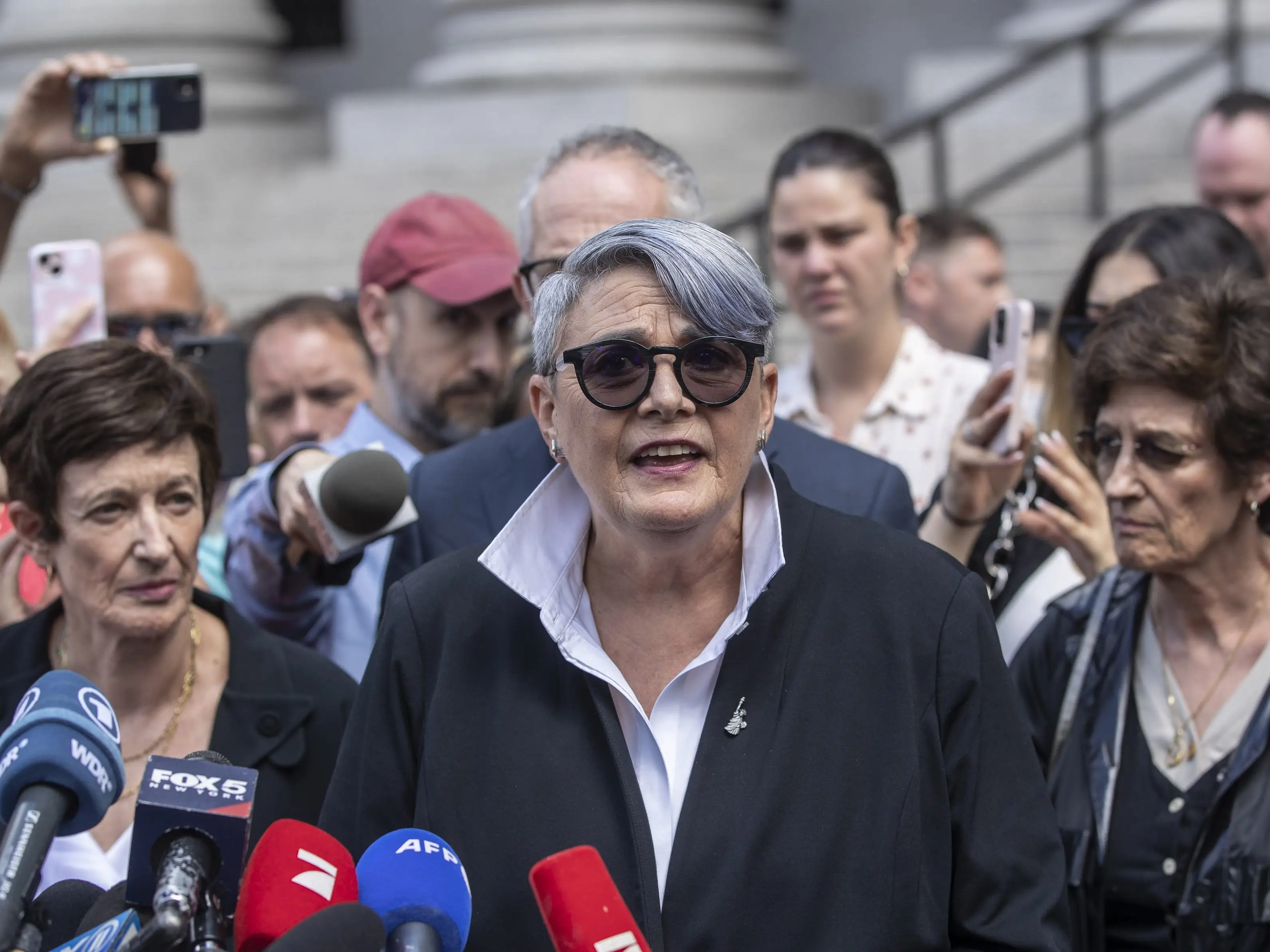
Karas agreed to unseal the handwritten note at the request of The New York Times, which argued it should be made public following Tartaglione’s comments about it.
The note’s mention of “15 year old charges” appears to reference an earlier Florida investigation into Epstein, which began in the mid-2000s, over whether he sexually abused teenagers in Palm Beach. The investigation culminated in a 2007 plea deal that allowed Epstein to spend about a year in county jail, even though law enforcement officials believed he abused dozens of girls.
Epstein died in jail while awaiting trial for more severe charges from federal prosecutors in Manhattan. The indictment accused him of raping girls as part of a sex-trafficking conspiracy.
Other documents related to Epstein’s purported suicide note remain under seal. Those documents could shed light on whether the note is authentic and how it may be relevant to Tartaglione’s criminal case. Karas asked prosecutors and defense lawyers to propose redactions for those documents by next week.
Those still-sealed records include one of Karas’ orders about the conflict among Tartaglione’s legal team, transcripts for hearings about the dispute, and a report by a lawyer whom Karas appointed to evaluate the potential conflicts.
In a twist, the attorney whom Karas appointed to evaluate the conflict for Tartaglione was Bobbi Sternheim, who later led the criminal defense team for Epstein’s co-conspirator Ghislaine Maxwell.
And a prosecutor in Tartaglione’s case was Maurene Comey, who was part of the team that brought charges against Epstein and faced off against Sternheim in Maxwell’s criminal trial.
Read the original article on Business Insider
The post How an apparent Jeffrey Epstein suicide note ended up in the hands of his quadruple-murderer roommate appeared first on Business Insider.