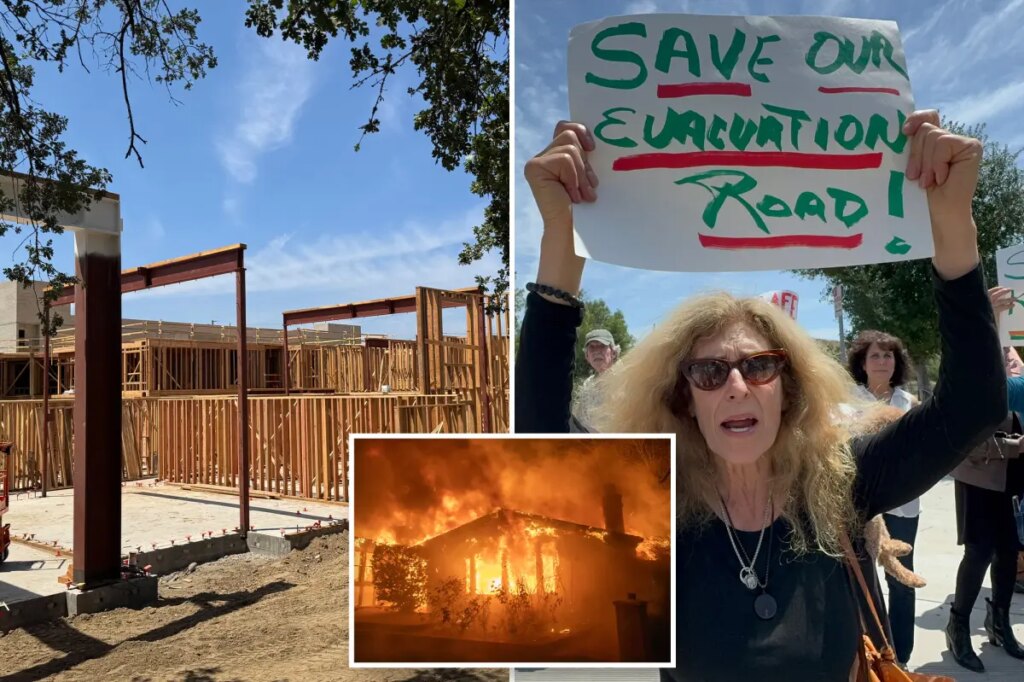
Wildfire survivors have erupted in fury over plans to force through a dense housing project along their only escape route from any future infernos.
More than 1,600 apartments are slated for construction along Kanan Road in Agoura Hills, a narrow canyon corridor at the edge of the Santa Monica Mountains.
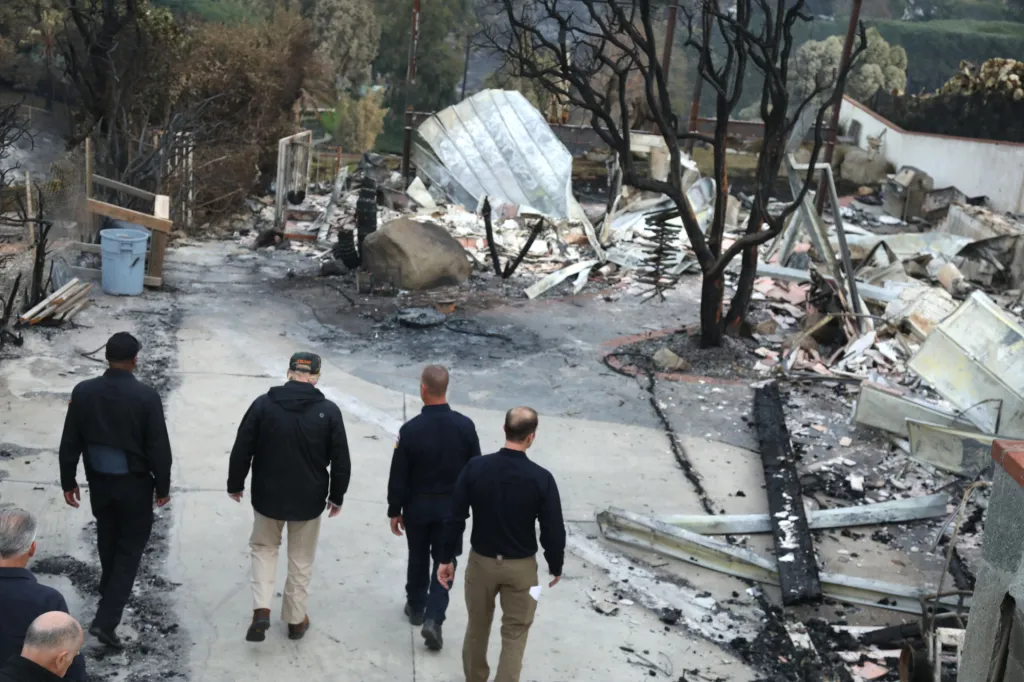
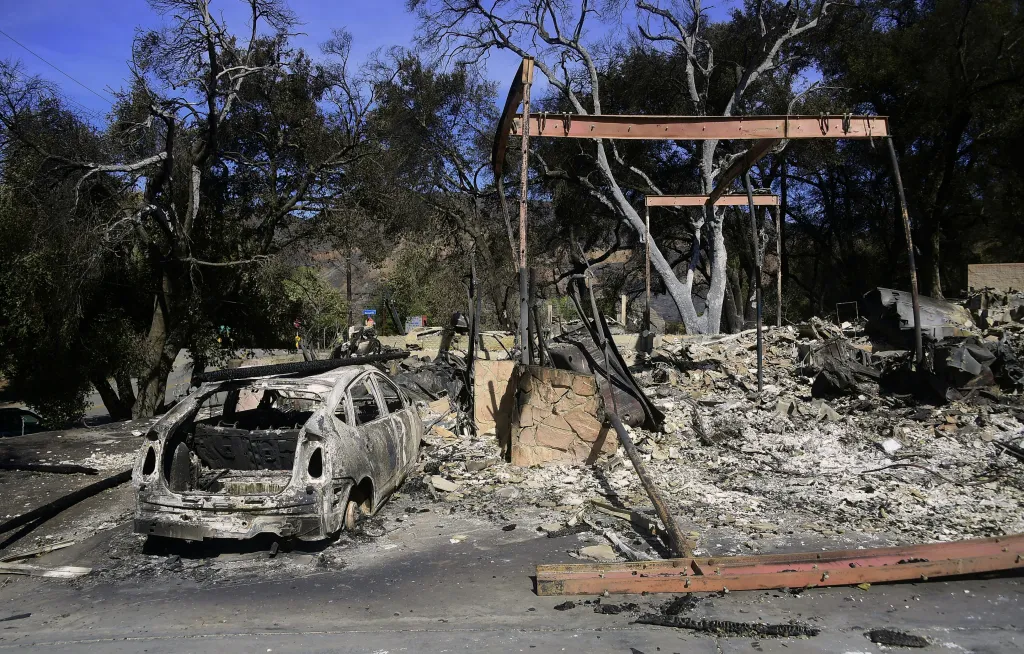
Thousands of homes were destroyed during the Woolsey Firein 2018, when nearly 97,000 acres ripped across the region, killing three people.
Locals reported it taking 80 minutes to move a single mile along one of only two escape routes, the same road now targeted for new housing.
“People sat in gridlock during the evacuation,” said Rae Greulich, 74, with PRISM, which stands for Protectors and Residents in the Santa Monica Mountains.
“There were miles of cars behind them doing the same. The city admits there were 2,000 cars coming out of the Santa Monica Mountains. That’s about a five-mile line of cars sitting in gridlock.”
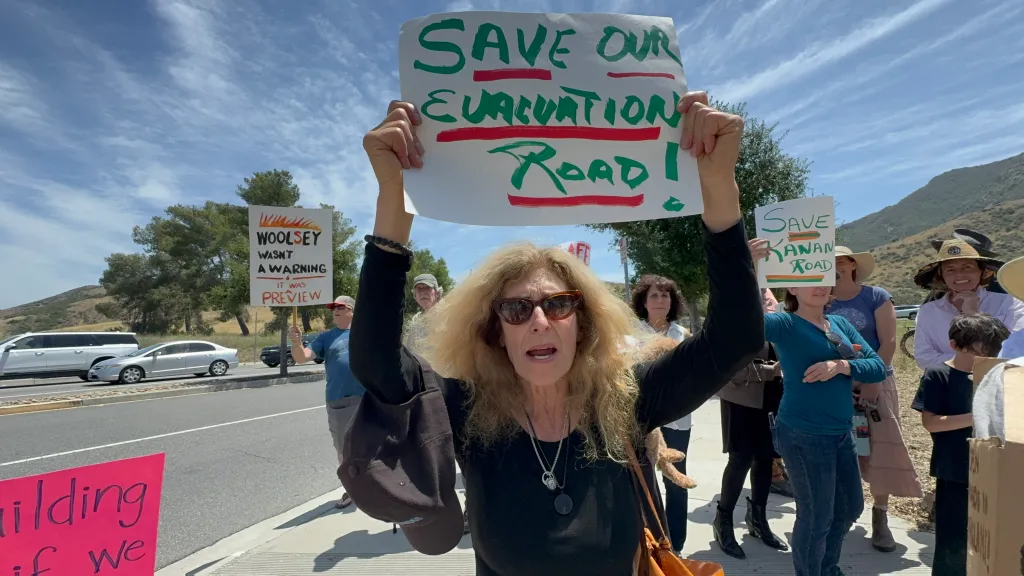
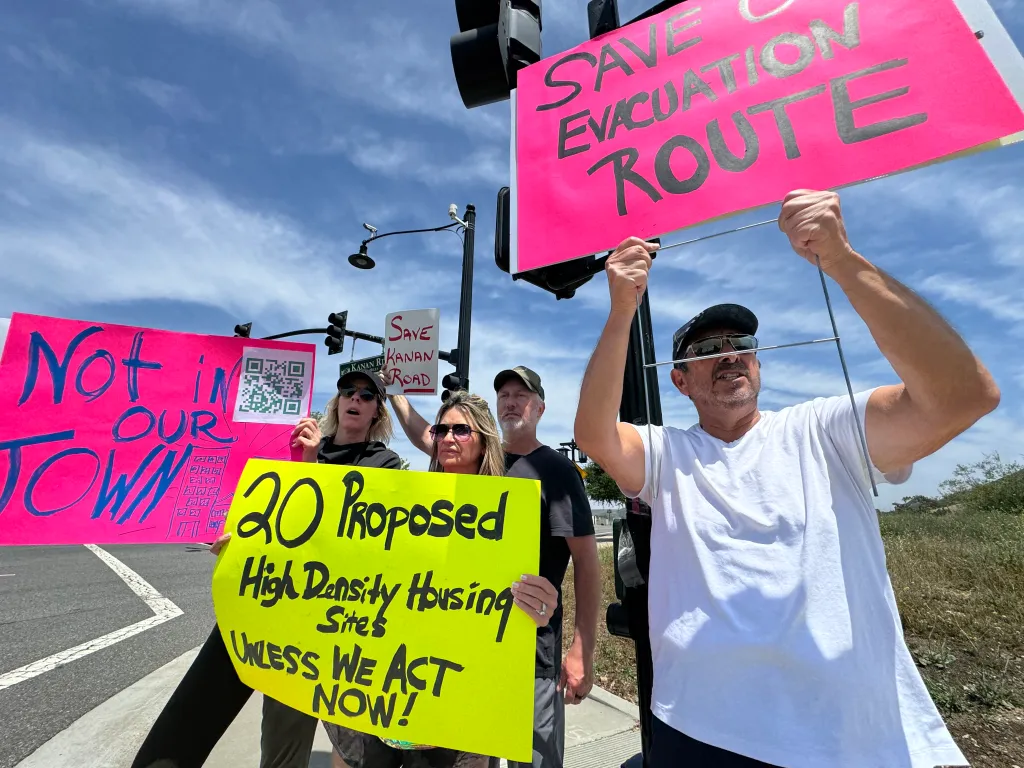
Greulich joined roughly 50 residents who gathered along that stretch of road to protest what they call a fatal plan on Saturday.
“Don’t close us in,” another protester shouted. “Your plan is fatal.”
The housing is being pushed under a new state planto fast-track high-density development, including homeless and low-income units, driven by Gavin Newsom.
Under that plan, Sacramento is stripping away barriers that once slowed development and took a more deliberate approach to where projects are built.
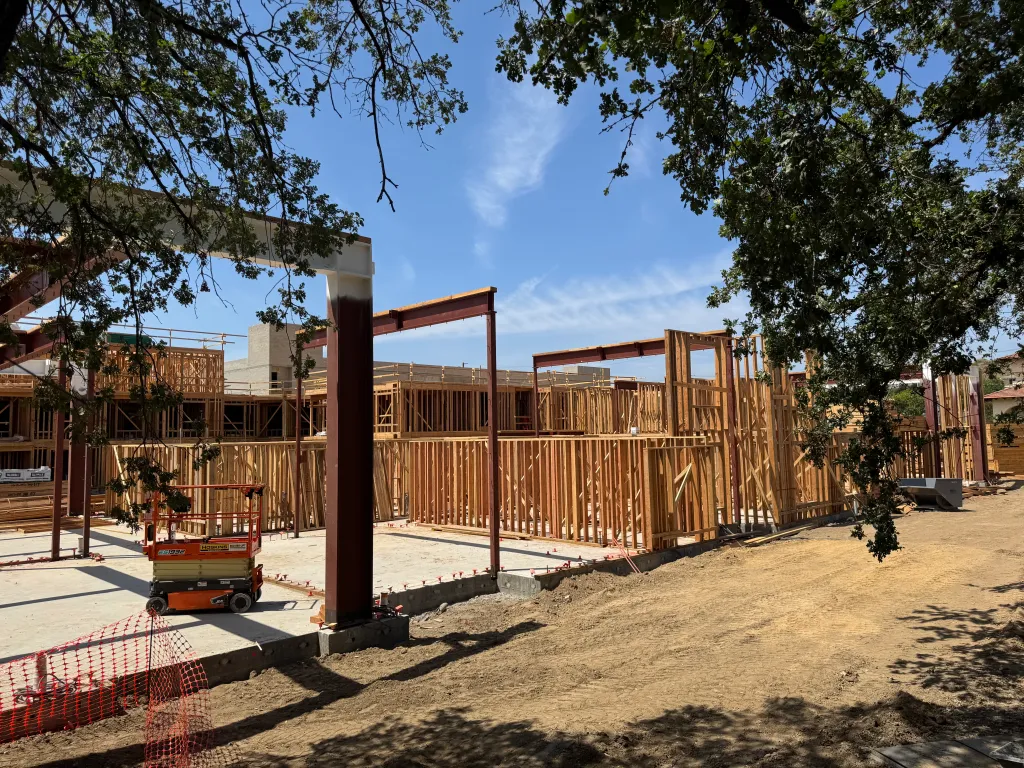
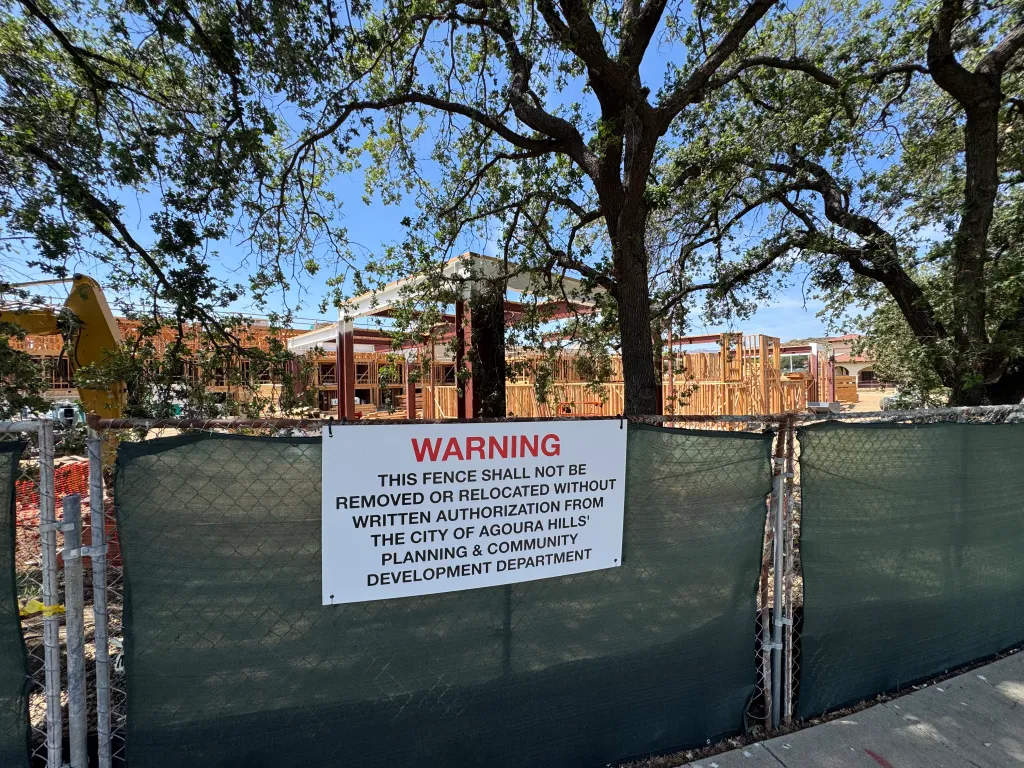
The state has expanded rules requiring public land to be prioritized for affordable housing and, in some cases, allows developments under 20 acres to move forward without full environmental review, including traffic impacts. More than 200 units are already rising next to where the protest was held Saturday.
Another 230 are planned for the very stretch where they gathered. In total, roughly 1,600 units are slated for the corridor.
“This is our lifeline,” said Greulich. “We came together in 2018 out of concern for maintaining the viability of our evacuation route. The protest today is for the same reason.”
Jacinta Chancellor, 57, said: “The roads were packed. Evacuating was an undertaking. We couldn’t go this way because the fire was coming. We were sent toward Malibu, and that was burning too.”
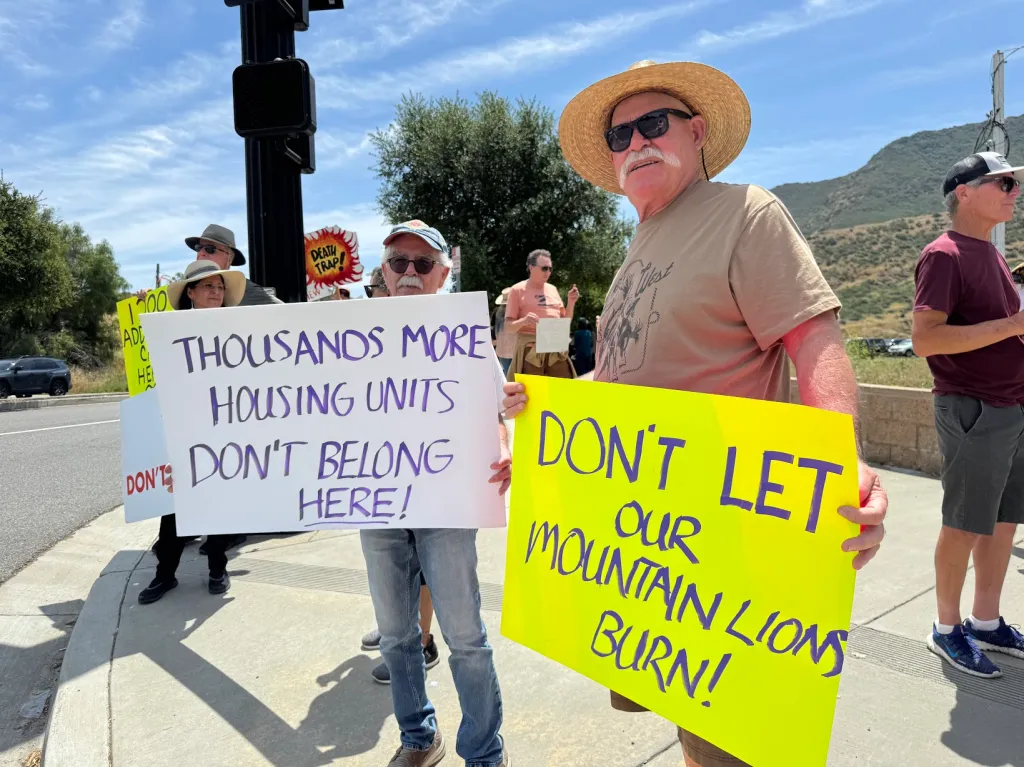
Now, she says, the same road could be pushed past its limits. “You’re going to have thousands more cars,” she said.
“And it’s already so congested just to get across this intersection.” She said the current plan only adds pressure to that same choke point.
“In 2021, the city selected 20 housing sites, and about 75 percent were south of the 101 freeway,” she said.
“Many of those feed into this section of Kanan Road. The first four approved sites all feed into this stretch.” Her concern is not about housing itself.
“We understand California needs affordable housing. We are not anti-housing,” she said. “We are concerned about where it is placed and the safety of people evacuating.”

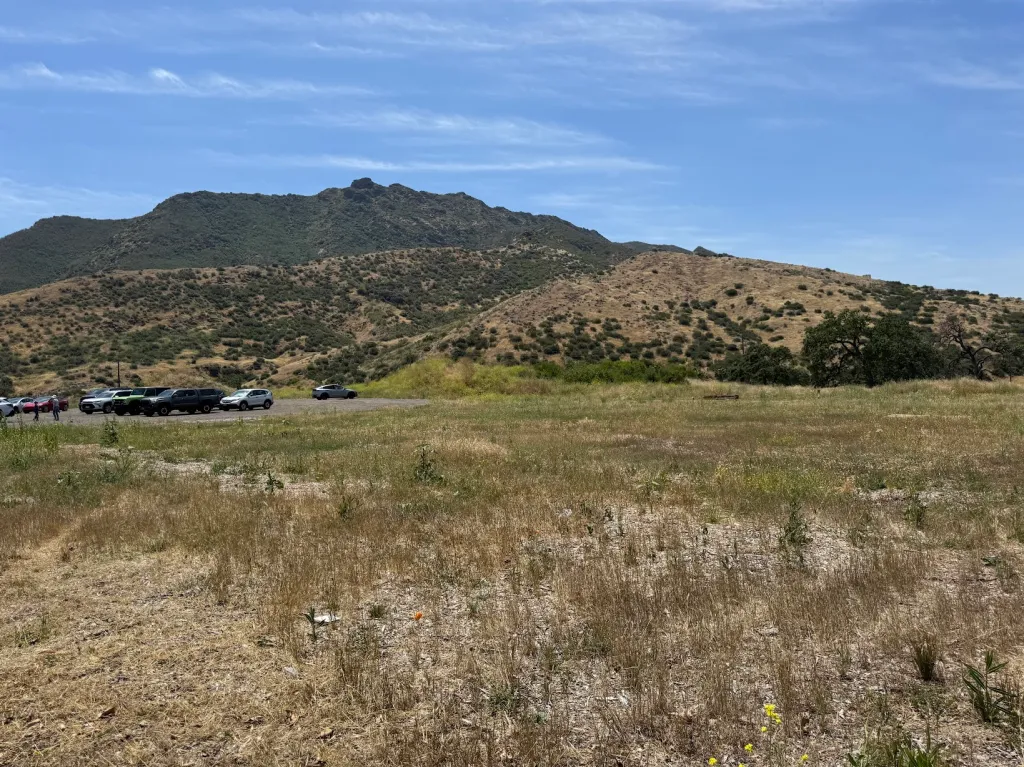
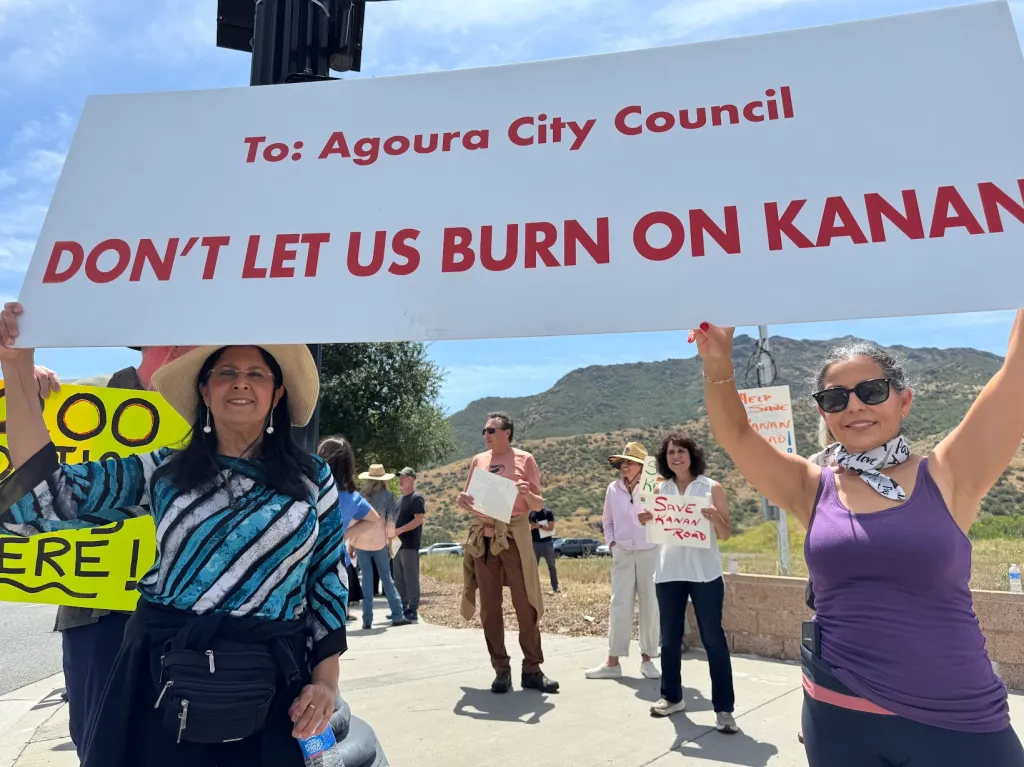
“If people already sat in gridlock for the first mile, with miles of cars behind them, adding more density into that same evacuation route increases the danger.”
Kanan Road is not just local traffic. It is one of five designated evacuation routes in the Malibu mass evacuation plan, alongside Pacific Coast Highway. It is also along the route for the Palisades Fire crisis.
On a normal day, the road carries about 25,000 commuters. In a fire, residents say, it becomes something else entirely. Kevin Cross, 58, lived through it.
“We were one of the last out, and we couldn’t get out,” he said. “We were driving through fire.” A drive that normally takes seven minutes stretched for what he said seemed a lifetime.
“It was bumper to bumper,” he said. “And the police were trying to thread us out, but it was one lane. Fire trucks weren’t moving past us.”
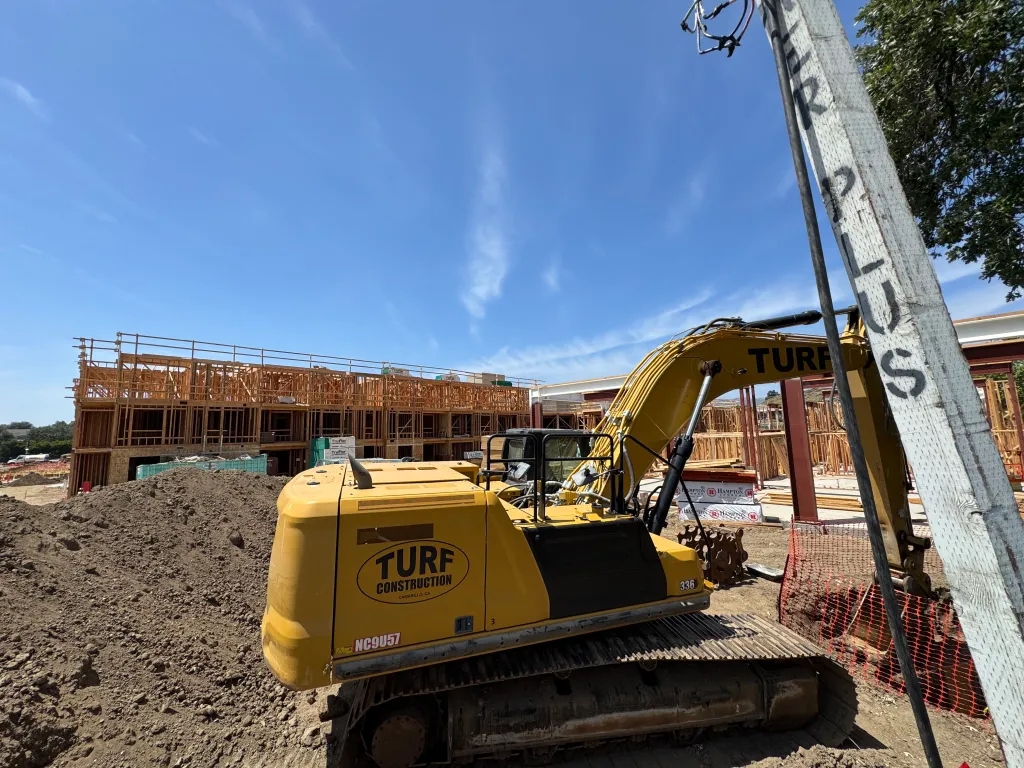
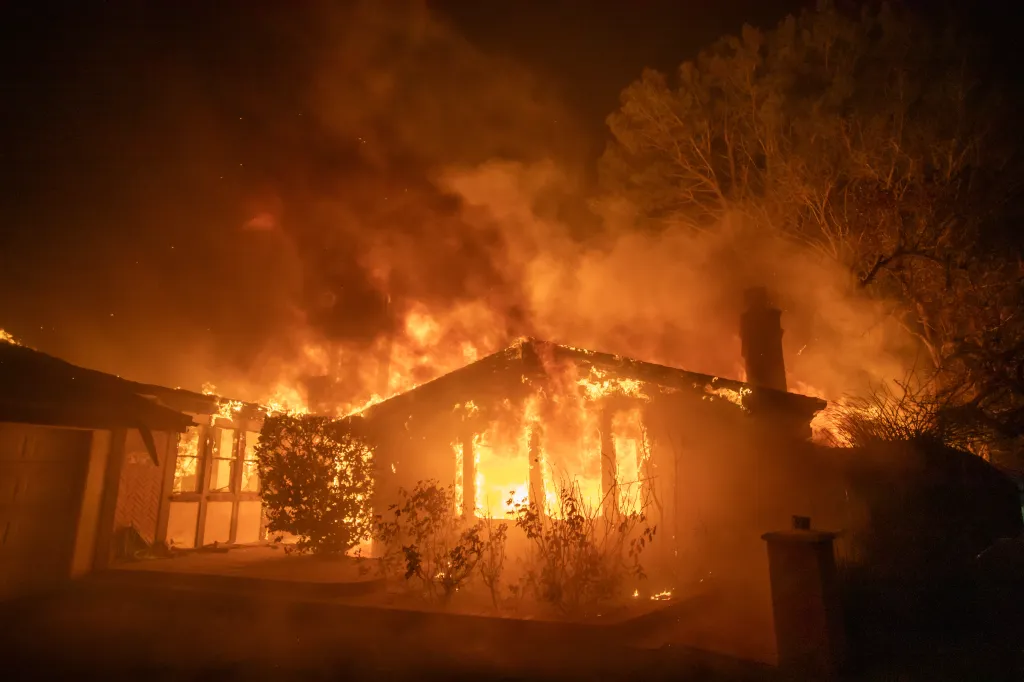
Cross said the scale alone raises alarms. “We’re talking about 1,600 units along here,” he said. “Everybody’s using this road. If everybody’s coming out, fire crews can’t get in.”
He also pointed to what he says was a lack of outreach. “We weren’t included,” Cross said. “That’s the biggest thing.”
The Post reached out to Supervisor Lindsey Horvath’s office for comment, her office oversees the unincorporated parts of the county, as well as Newsom and the city of Agoura Hills.
The post Gavin Newsom’s mass housing plan traps thousands in inferno canyon — but he’s still pushing ahead: survivors appeared first on New York Post.