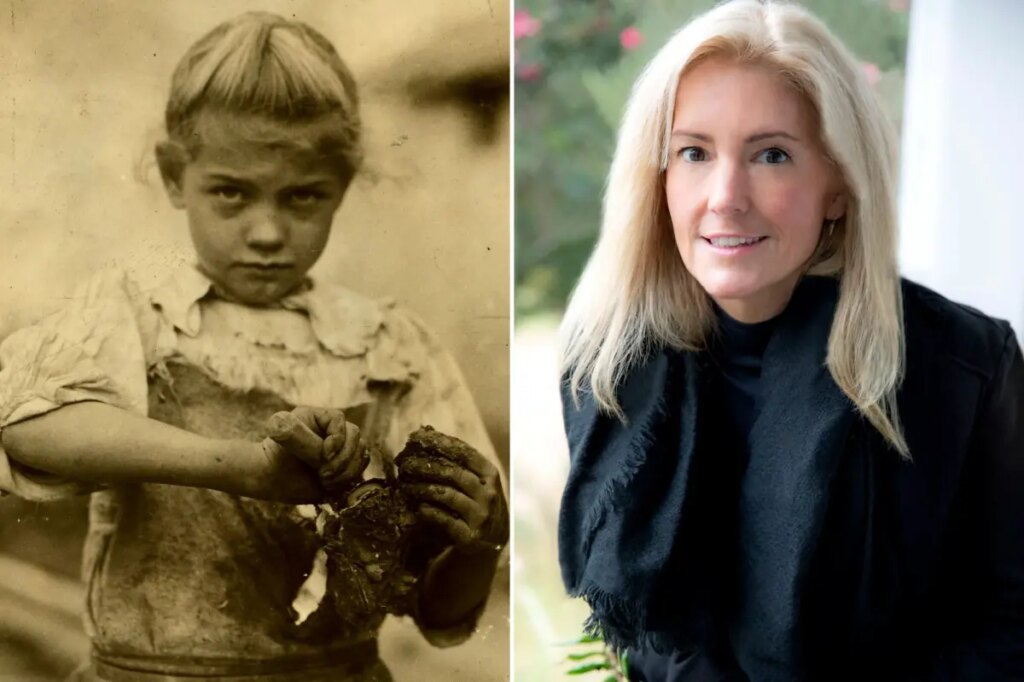
- Bestselling author Kathryn Stockett’s new novel, “The Calamity Club,” was inspired by a photo of an oyster shucker girl.
- The novel centers on 11-year-old Meg, an orphan at a Mississippi orphanage where the older girls are shipped off to work in Biloxi canneries.
- Stockett’s book delves into Mississippi’s bleak history, including sterilization laws targeting women.
Bestselling author Kathryn Stockett had been trying to answer a question. She was writing a novel set in Depression-era Mississippi, and she needed to know where the children went when their families fell apart in 1933.
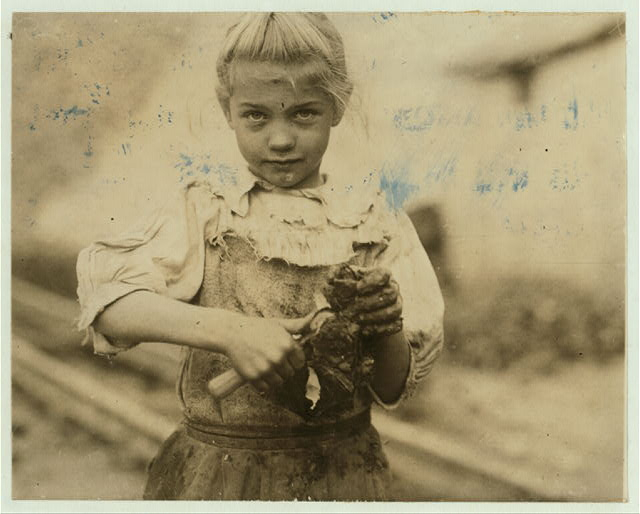
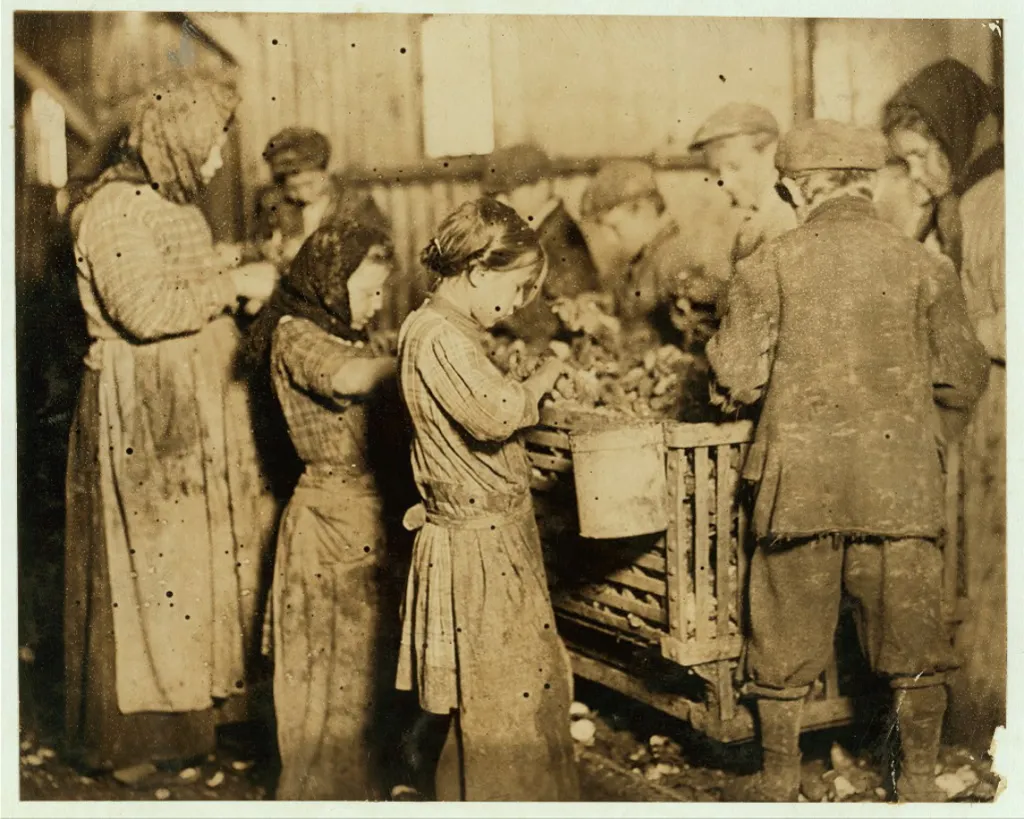
The research led her to orphanages, and then to the Gulf Coast canneries where older orphan girls were sent to shuck oysters once they were no longer considered adoptable.
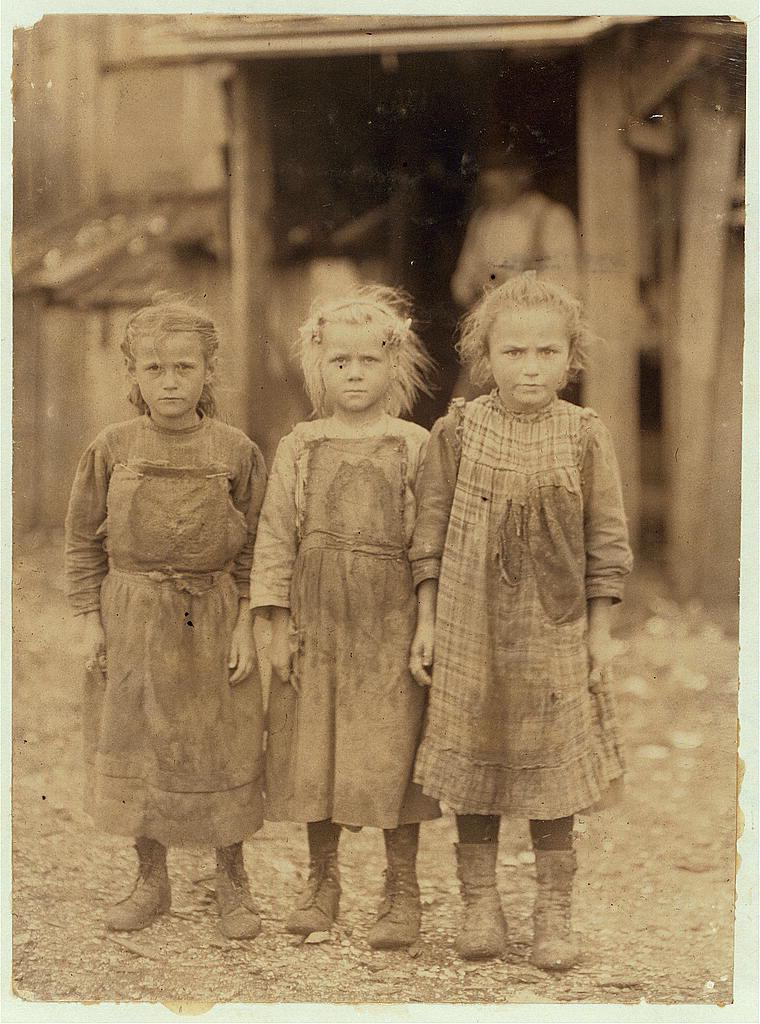
Photographer Lewis Hine documented these girls. Stockett spent days going through his images. Then one stopped her.
A 7-year-old named Rosie, two years into the job, stares directly into the camera, oyster in hand, her crystal clear blue eyes piercing straight through the lens.
“It was in Rosie’s photograph that I found my narrator, Meg,” Stockett said in an exclusive interview with The Post.
Meg is the central figure in Stockett’s new novel “The Calamity Club” (Spiegel & Grau; May 5). The 11-year-old is trapped in a rundown Oxford orphanage where the volunteer ladies dote on babies and largely ignore the older girls.
Once a girl ages past the point of easy adoption, the orphanage ships her to the Biloxi canneries, where cheap and sometimes free young labor has its own economic logic that no child-labor law ever quite managed to stop.
Birdie Calhoun, 24, god-fearing and freshly humiliated by having to ask her polished younger sister for money, becomes Meg’s unlikely ally when she begins volunteering at the orphanage. The two of them are up against a town that has already decided which females matter and which do not.
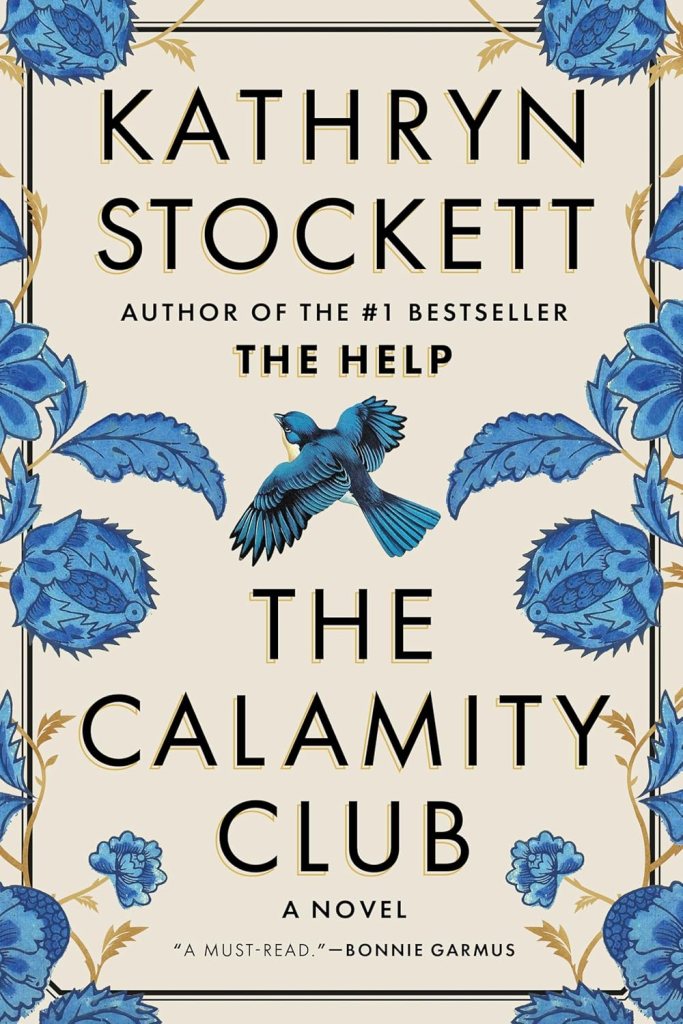
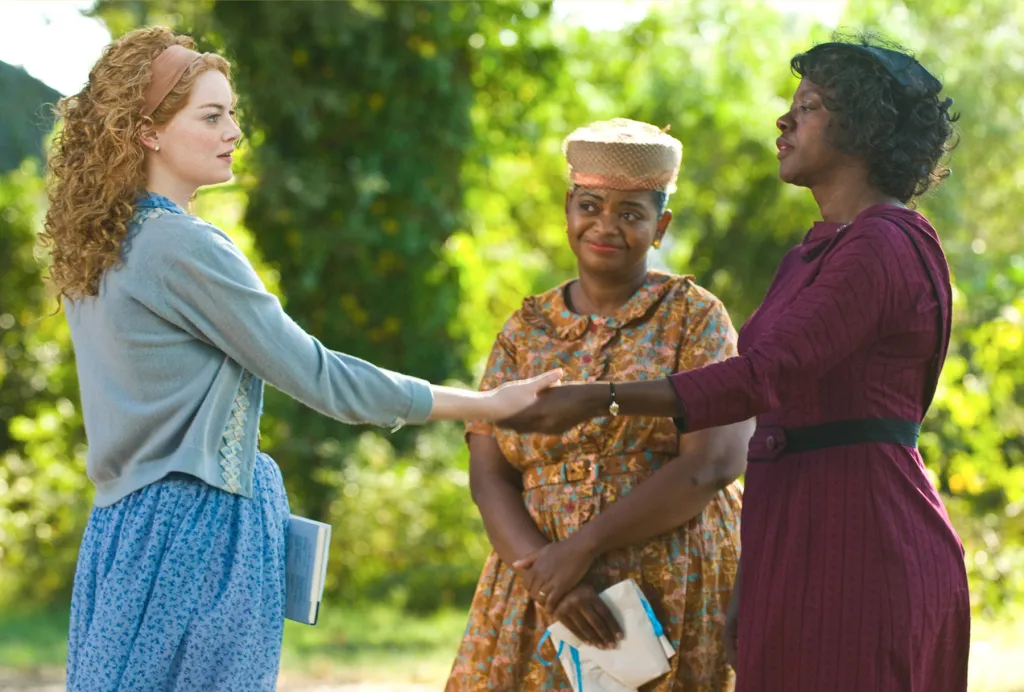
“The Calamity Club” is Stockett’s first novel since “The Help,” her 2009 debut that spent more than 100 weeks on the bestseller list and was adapted into an Academy Award-nominated film.
Researching the new book, Stockett dove into some of Mississippi’s bleakest history. By 1928, the state had passed a sterilization law targeting people labeled with “idiocy, imbecility, feeblemindedness or epilepsy,” a category that in practice was aimed overwhelmingly at women, including those deemed promiscuous.
In the novel, the orphanage chairlady Miss Garnett has already weaponized the law against a woman named Charlie, having her committed to the state asylum at Ellisville and forcibly sterilized, her offenses being an out-of-wedlock child and a conversation with a black man at a train station.
“These so-called undesirables were mostly women,” Stockett said. “If anything, Mississippi was behind the times. Almost three dozen states had already passed their own sterilization laws.”
Meg slowly comes to understand that the label may have been pinned to her own mother, which is why she was left at the orphanage, and that it could one day be pinned to her.
“This filth can’t be cleaned, Meg, it’s in your blood,” Miss Garnett tells her. “Because you were born in a state of idolatry.”
The orphanage sign Meg reads every morning lists the children the institution will not accept, a catalog of prejudice so specific it reads like satire. “Miss Garnett likes rules more than she likes people,” Meg observes, with the patient ferocity of someone who’s had a great deal of time to reach that conclusion.
The hypocrisy behind all of it was not unique to the orphanage. Stockett, a Jackson, Miss., native, vividly recalls the stories she was told growing up. A man who worked for her grandfather walked with a terrible limp, the result of drinking shoe polish during Prohibition, when desperate people consumed whatever had alcohol in it.
An estimated hundred thousand Americans suffered the same fate. The condition entered the culture through the blues songs of the period, the so-called race records that white Mississippians bought and danced to while simultaneously enforcing the separation of races.

“Ishmon Bracey, a Mississippi musician, wrote a song that goes, ‘Jake leg, jake leg, what in the world you trying to do? Seems like everybody in the city’s mess up on account of drinking you,’ ” Stockett said. “Plenty of white folks listened to these race records, purchased them, danced to them. And yet these same white folks mandated the separation of races. I could go on and on about the saturation of hypocrisy.”
That saturation touches everything in the novel. Women used Lysol disinfectant as a contraceptive because birth control was effectively illegal for unmarried women. A woman dressed too revealingly could be arrested and tested for venereal disease. The novel opens with Birdie attempting to purchase prophylactics from a scandalized drugstore clerk. She insists they’re not for herself, but the truth is complicated.
The orphanage itself was Stockett’s biggest invention, built around a single question. As Stockett explained, “After the Great Flood of 1927, which left over 700,000 people homeless, and as the Great Depression set in, I asked myself: where did children go if their families couldn’t take care of them?”
She constructed a place with tidy azalea bushes out front and a boarded-up window in the room where the older girls sit, hellish and respectable at the same time, which is to say Southern.
Though fictional, the setting, and the book as a whole, is infused with a true emotional charge from Stockett’s own upbringing.
She told The Post, “It’s just like [where] I feared I could be sent when I was a little girl.”
The post ‘The Help’ author Kathryn Stockett’s new novel is inspired by this moving photograph appeared first on New York Post.