This is an edition of The Wonder Reader, a newsletter in which our editors recommend a set of stories to spark your curiosity and fill you with delight. Sign up here to get it every Saturday morning.
When the writer David Epstein had to get stitches in his head and was told to move slowly for a few days, he expected to feel annoyed. But instead, after three days of following doctors’ orders, he found that he felt happy. “I started tracking what I was doing in a journal to see if I could figure out what was going on,” Epstein recalls in a recent essay. “My conclusion: It wasn’t so much what I was doing as what I wasn’t doing.”
“Whether I was reading, working on my computer, or brushing my teeth, I was ‘monotasking,’ concentrating on one thing at a time,” Epstein writes. “Not being able to move quickly or turn my head had the effect of forcing me to focus … I think the discomfort even helped: If I started to multitask, I could feel pain and tingling near the stitches. It was like I suddenly had some sort of multitasking monitor implanted in my skin.” It shouldn’t take a medical situation to impel this kind of concentration, Epstein notes. But his experience was a reminder that work, especially the creative kind, requires limits. Only within those limits can we find the space to think and explore freely, he argues. Today’s newsletter explores how to resist the pull of multitasking and find focus when it’s most elusive.
On Focus
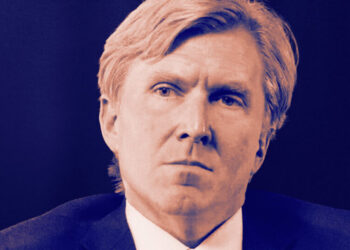
The Secret to Success Is ‘Monotasking’
By David Epstein
In a world full of distractions, getting your brain to focus on one thing at a time requires radical measures.
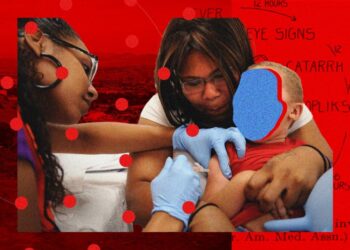
The Elite College Students Who Can’t Read Books
By Rose Horowitch
To read a book in college, it helps to have read a book in high school. (From 2024)
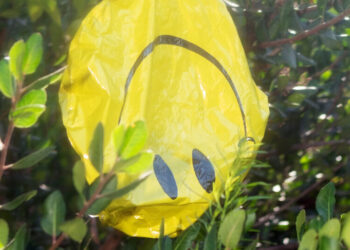
Seven Books That Will Make You Put Down Your Phone
By Bekah Waalkes
These titles self-consciously aim to grab their reader’s attention. (From 2023)
Still Curious?
- You’re being alienated from your own attention: Every single aspect of human life is being reoriented around the pursuit of attention, Chris Hayes wrote last year.
- The film students who can no longer sit through films: The attention-span crisis goes to the movies, Rose Horowitch writes.
Other Diversions
- The psychiatrist’s case for downsizing a friendship
- “Crying myself to sleep on the biggest cruise ship ever”
- An unexpected type of beach read
PS

I recently asked readers to share a photo of something that sparks their sense of awe in the world. Norma J. sent this photo of “a Chicken in the Woods I discovered in my backyard” in Montague, Massachusetts.
I’ll continue to feature your responses in the coming weeks.
— Isabel
The post How to Find Focus When It’s Most Elusive appeared first on The Atlantic.