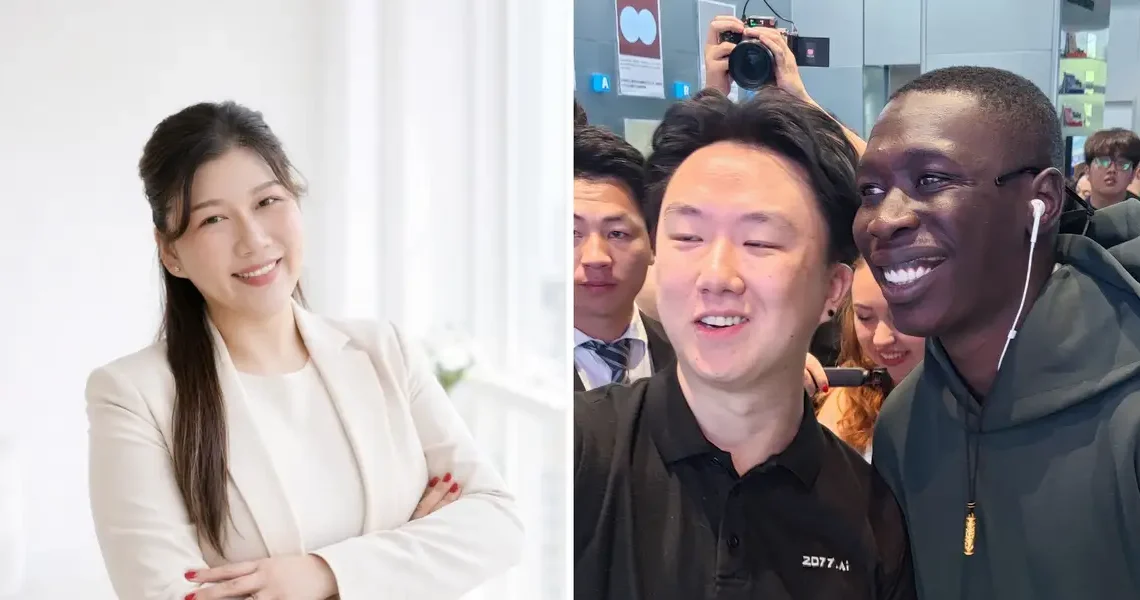
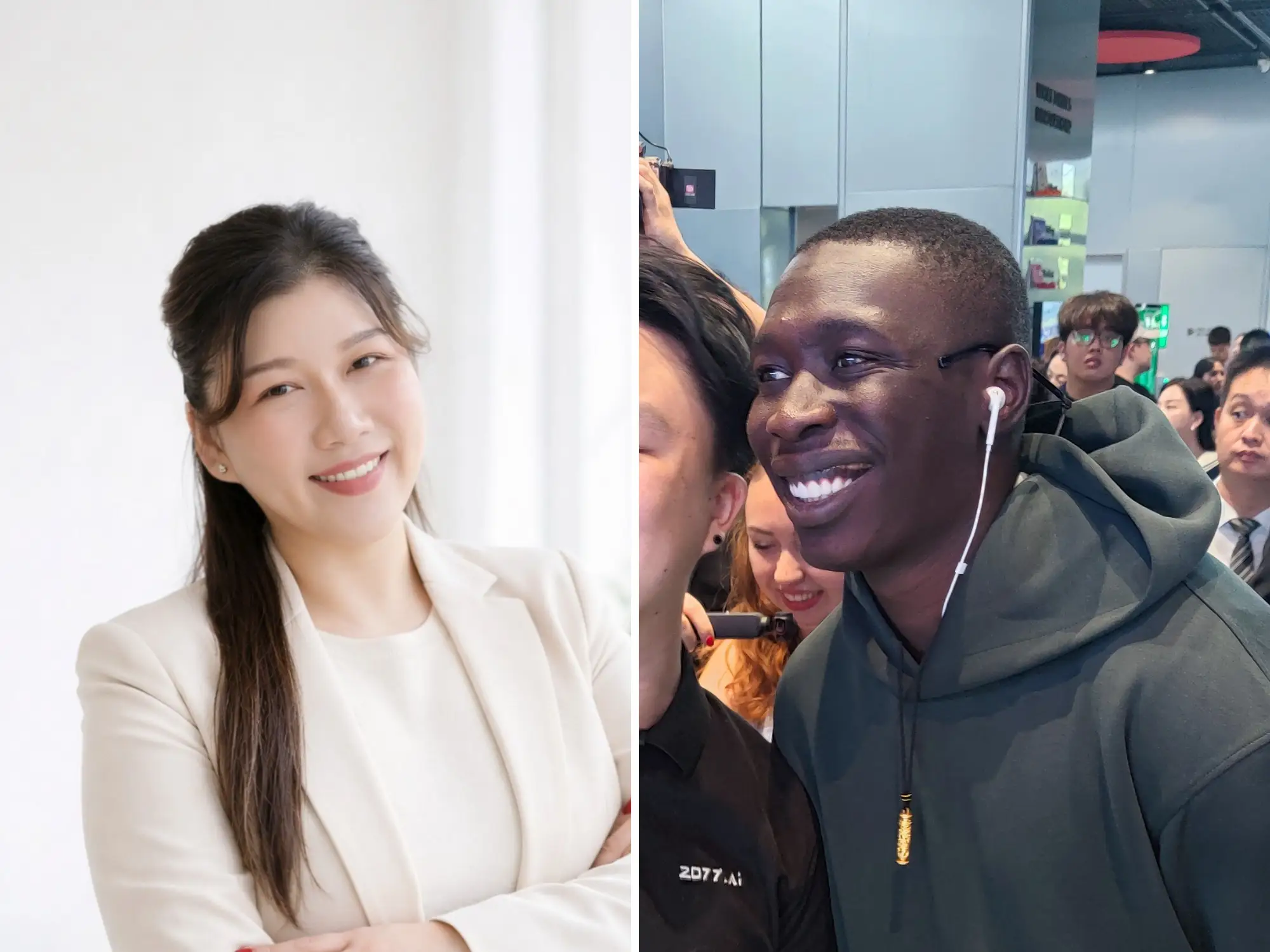
This as-told-to essay is based on a conversation with Julie Zhu, a China market strategist for global creators based in Shenzhen. She has helped creators like Khaby Lame and Pamela Reif tour the country. It’s been edited for length and clarity.
In the pandemic, we had a serious lockdown in China. We were staying at home and trying to do exercises at home, and at that time, I found one influencer getting very trendy in China: Pamela Reif.
She is a fitness influencer, and Chinese women love her. People would try to complete her routines and share their results online, which created a viral loop and significantly boosted her visibility.
After the pandemic, people could travel, and I came up with an idea for Pamela: “Why don’t you just come to China, and then you can dance, you can exercise with your Chinese audiences? We can have a big event. We can invite thousands to come have access to you.”
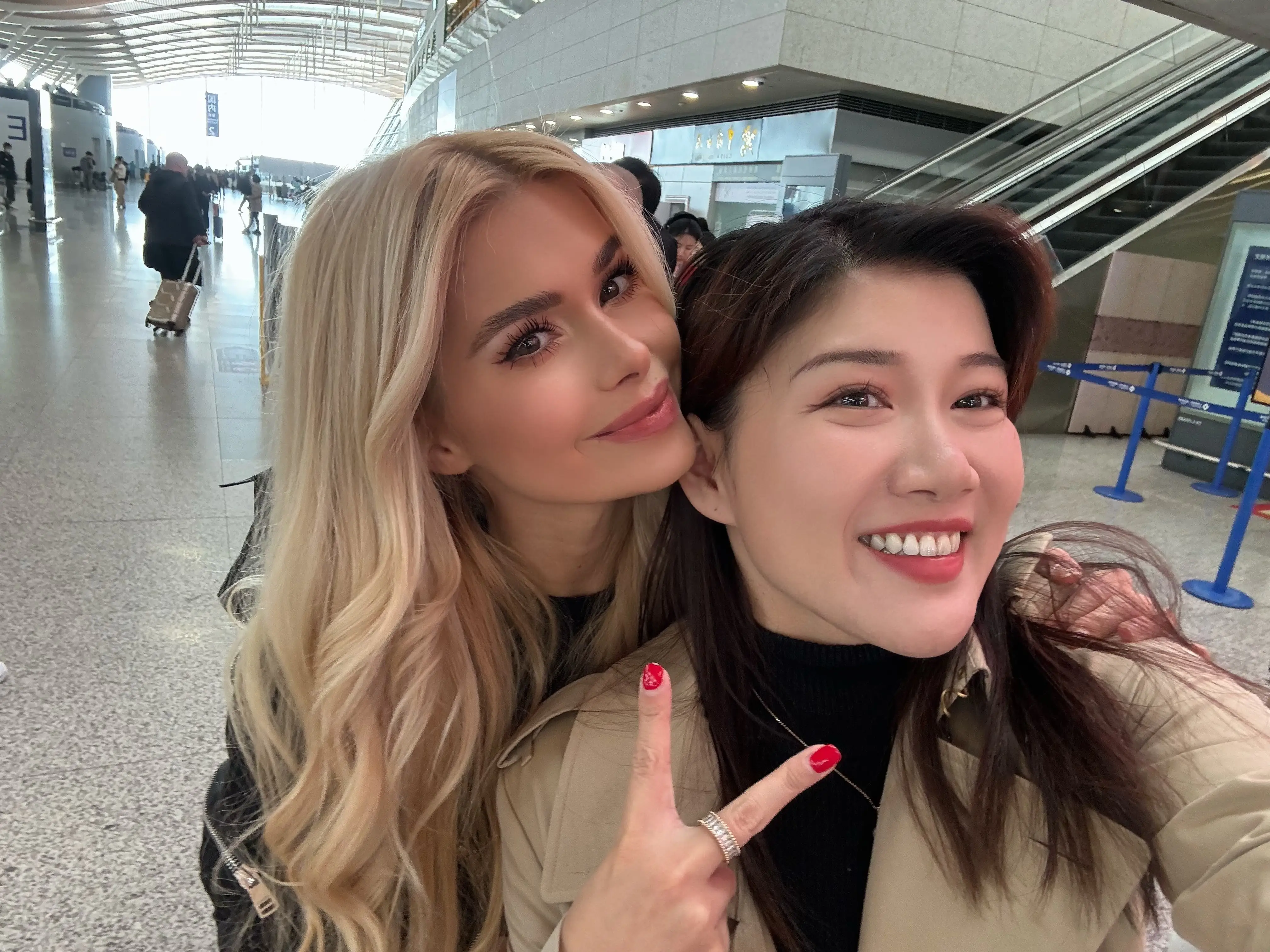
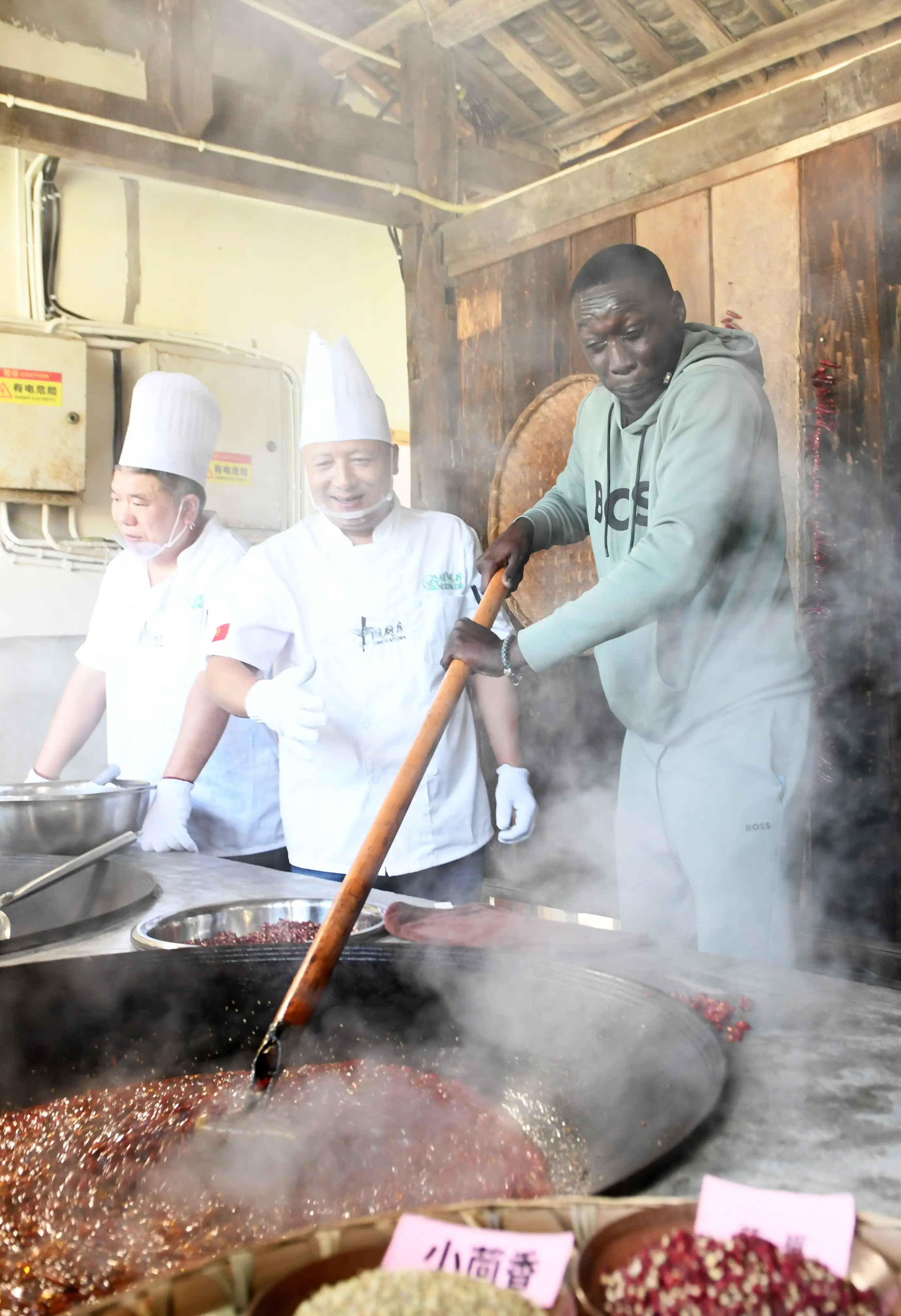
We went to Beijing, Shanghai, and also Hong Kong. We went to the Great Wall, the Forbidden City, and we went to meet the main platforms in China, like Bilibili, Rednote, and Weibo. I took her to try lots of Chinese food, like hot pot and Peking duck.
I tried to help her connect with people and make high-quality content throughout the tour. I helped her secure brand partnerships and commercial opportunities during the trip, and meet some local partners and our tourism office.
Over the past decade, I’ve helped international creators and brands enter the China market. My work is mainly about helping them to do the localization, platform strategy, audience growth, and brand partnerships in China.
Many of the small cultural details are completely unexpected for them.
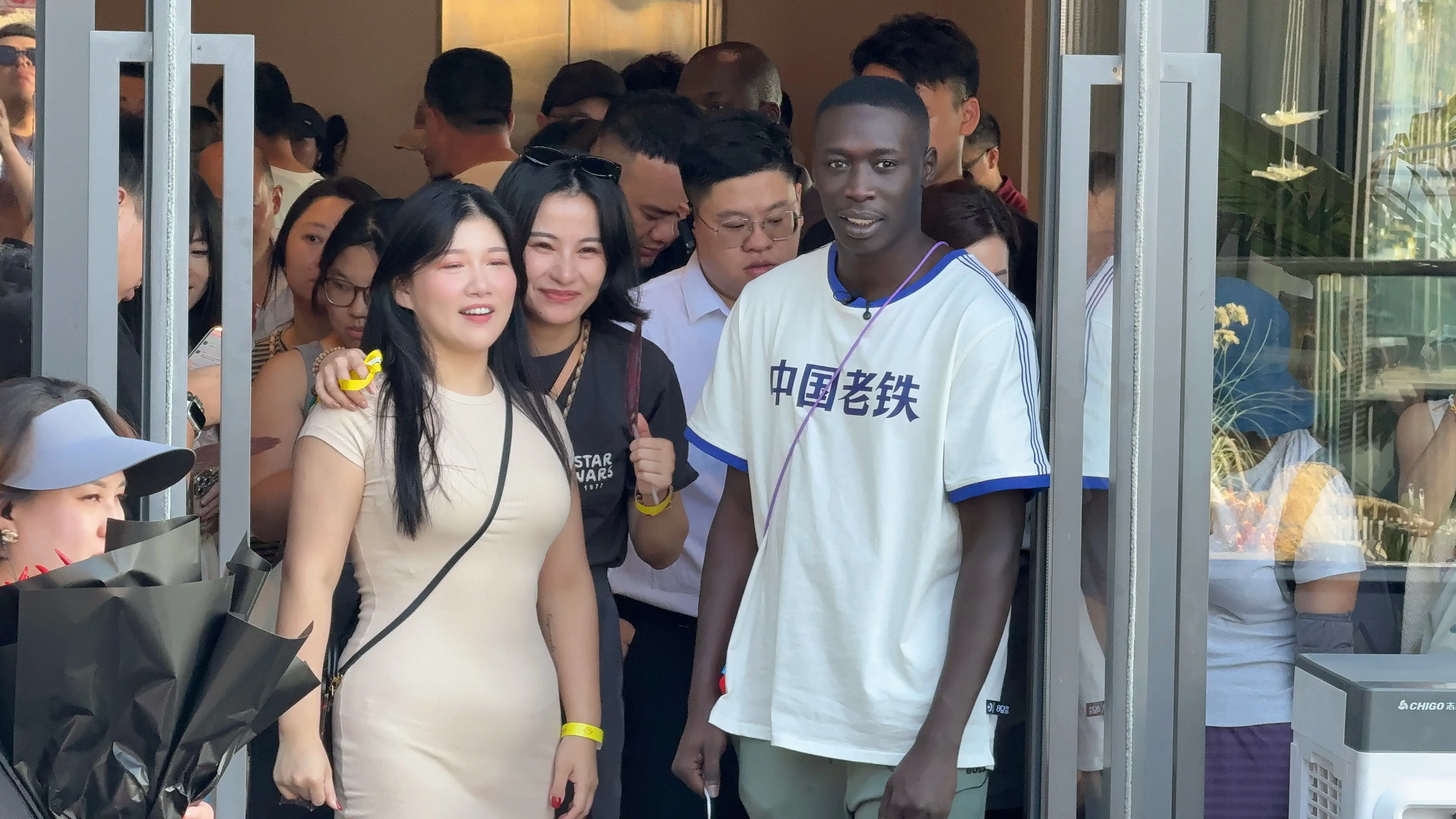
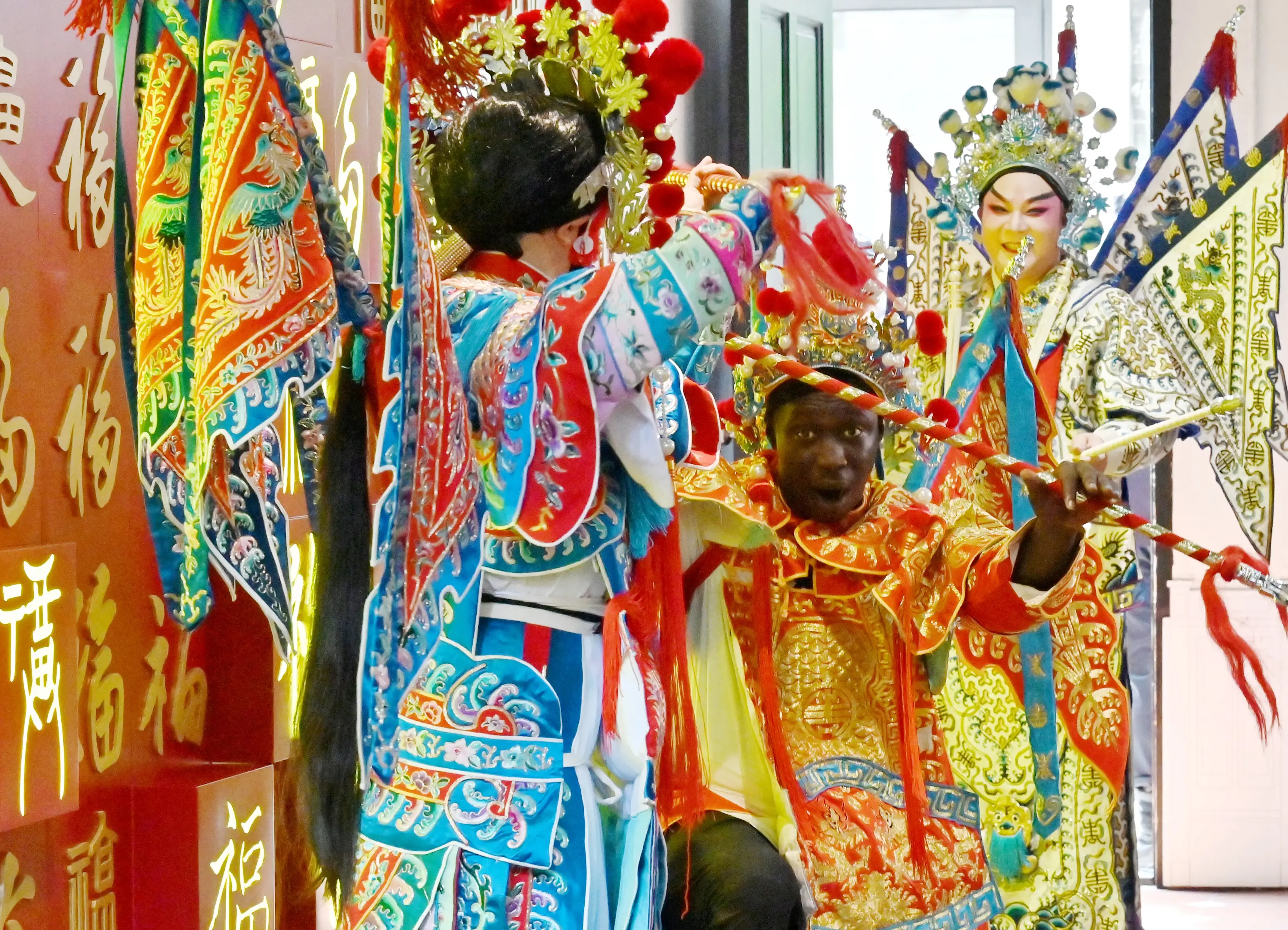
For example, we once took TikTok creator Khaby Lame to experience traditional Chinese massage, which emphasizes pressure points and meridians. At first, Khaby found it quite painful and could barely hold back his reactions, but by the end, he was noticeably more relaxed. He kept thanking the therapist and was genuinely surprised by this “pain first, relief later” experience.
Reaching a Chinese audience
In the past, the focus was often on bringing creators to China for appearances or simply reposting their content. Today, localization is critical.
China operates across multiple platforms — Douyin, Bilibili, Kuaishou, Rednote, WeChat Channels, Weibo — each with distinct audience segments and content logic. Success today requires a structured, platform-specific approach rather than distributing the same content everywhere. The content itself often needs to be adapted, including pacing, storytelling structure, opening hooks, and even emotional tone.
I help big-name creators because I think it will be easy for me to leverage my resources and my advantage to help them be successful. If they have small audiences based overseas, but they work very hard in the Chinese market — like they learn Chinese and make more Chinese content — I also consider them.
Even if a creator cannot speak good Mandarin, Chinese audiences are quite tolerant. When they gain more fans or more awareness in China, then we can start to reach out to brands for partnerships.
I coordinate everything. I’m like their nanny. Sometimes I call myself nanny and mother.
The only thing I cannot help you with is making content because you have to be on camera, but other things like food and transportation and everything, I can take care of it.
Creators have their ideas for content, and Chinese brands, they also often have their thoughts. I serve as a culture translator between them. Being the coordinator between them is the most difficult thing for me.
I usually advise creators to spend some time understanding the local culture and social context in advance — especially key differences compared to their home country, to ensure their content and behavior are well received. If they are coming for commercial work, they need to apply for the appropriate work visa in accordance with Chinese regulations.
How to make a trip to China worth it
Most global creators underestimate localization in China. They don’t understand Chinese culture, and they don’t know how to communicate with Chinese partners. They assume it’s just about translating captions or reposting existing content, but in reality, that’s only the surface.
It requires creators to make more connections with the Chinese audience, which means they have to develop tailored content.
Every creator I work with, I want them to see the long-term opportunity in China. China has manufacturing resources and supply chain resources. Many creators are not just creators now, they’re becoming brands. If they want to find product resources, I think China is in a really good position to help them.
I tell them, “Okay, if you want to come to the China market, I hope it’s not just a one-time thing.”
Read the original article on Business Insider
The post I help influencers like Khaby Lame tour China. I want them to build enduring fandoms — and sometimes feel like a nanny. appeared first on Business Insider.