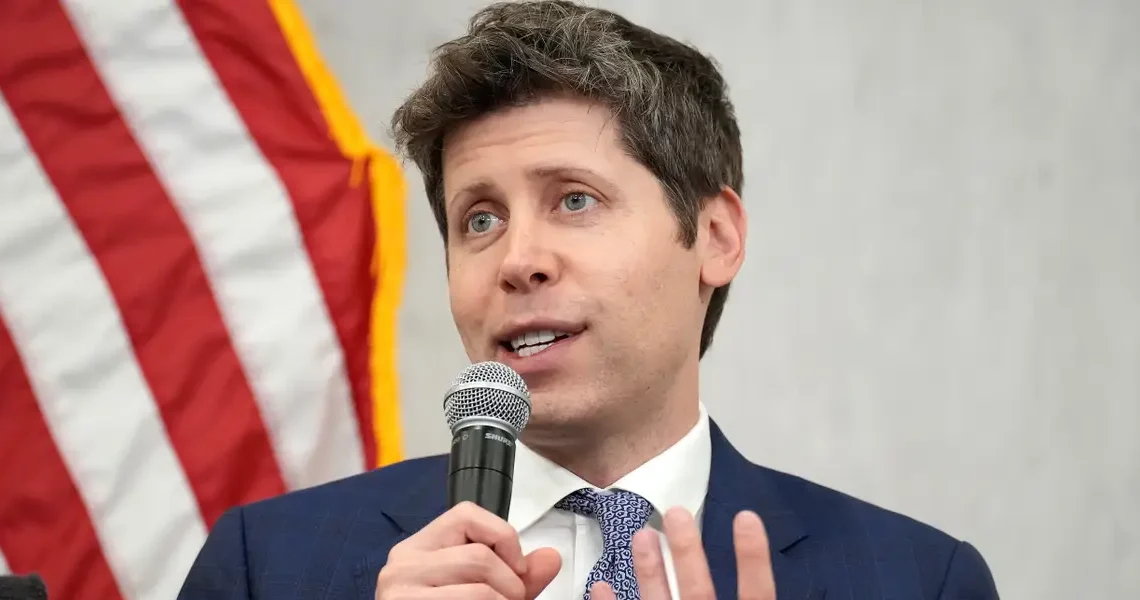
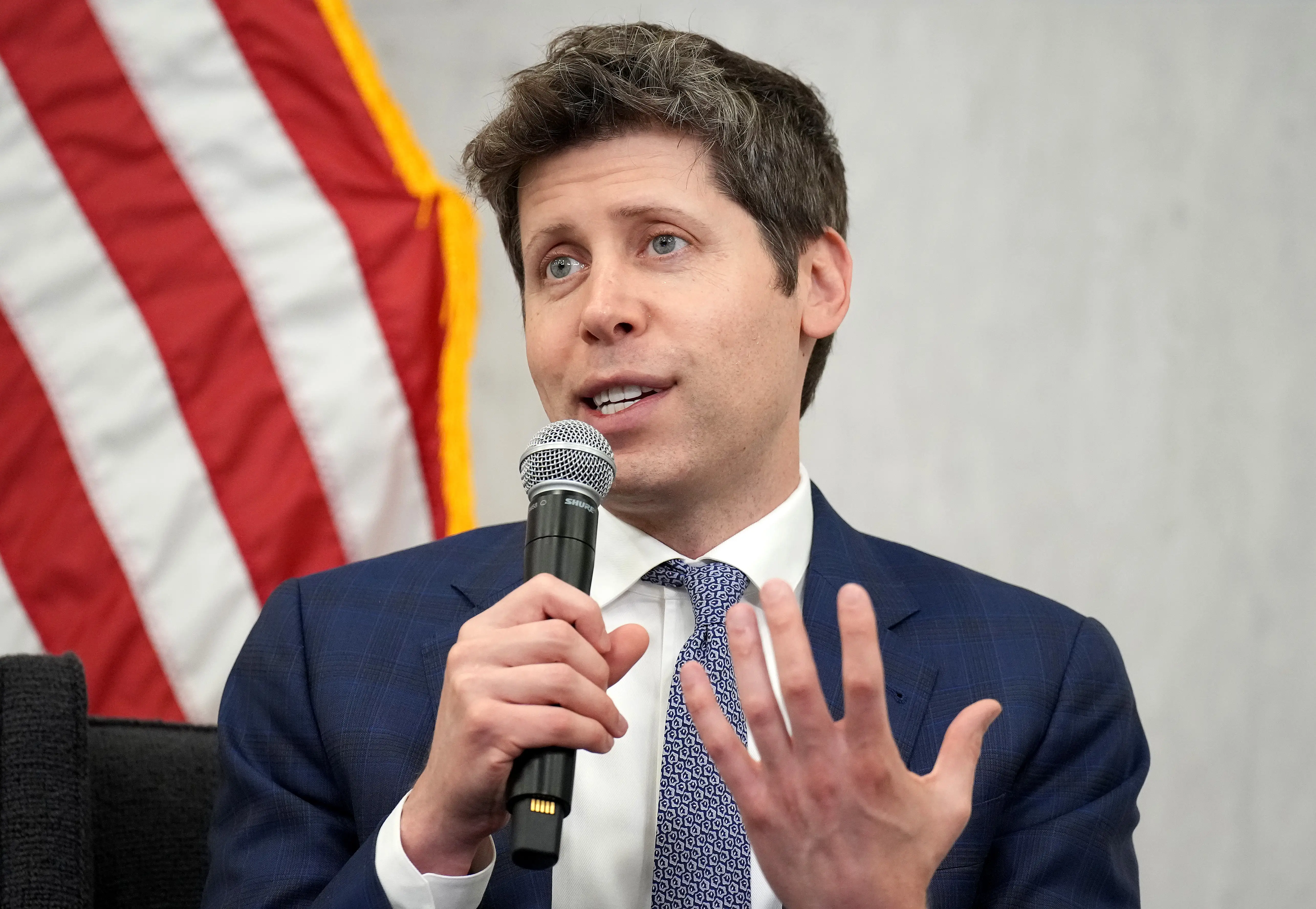
Sam Altman once spent $14 million of his own money to study universal basic income. Now, the OpenAI CEO says he’s not sold on it.
“I no longer believe in universal basic income as much as I once did,” Altman told The Atlantic CEO Nicholas Thompson during an interview for his “The Most Interesting Thing in AI” series.
Altman said that while a fixed cash payment may sound nice, it won’t meet what society will truly need as AI adoption rises, sparking a potential upheaval in the labor market.
“I think just like a fixed cash payment, although useful and maybe a good idea in some ways, does not get at what we’re really going to need for this next phase and the kind of collective alignment of shared upside as the balance between labor and capital shifts,” Altman said.
As interest in UBI exploded in 2019, Altman helped raise $60 million, including $14 million of his own money, to fund the largest-of-its-kind experiment giving low-income participants $1,000 a month for three years.
“It’s impossible to truly have equality of opportunity without some version of guaranteed income,” Altman said when announcing the project.
Researchers ultimately found that while overall spending increased among those who received the cash payments, there was no “direct evidence of improved access to healthcare or improvements to physical and mental health.”
Over time, Altman has focused more about twists to the traditional UBI of direct cash payments. The OpenAI CEO has repeatedly suggested the possibility of giving people a portion of AI compute, which could then be used, sold, or traded.
“I’m much more interested in ways where we think about kind of collective ownership that could be in compute or in equities or something else,” he said.
OpenAI recently proposed a slightly different model in a white paper outlining an industrial policy for the AI age. In the paper, OpenAI proposed creating a Public Wealth Fund that would provide “every citizen — including those not invested in financial markets — with a stake in AI-driven economic growth.”
Both approaches would give society a stake in AI and its future development, perhaps alleviating what Altman and many of his peers now openly acknowledge: AI is becoming less popular.
“I think what people really want is prosperity, agency, the ability to have an interesting life, and to be fulfilled and have some impact,” he said.
Altman said that in the end, it’s about getting AI into the hands of as many people as possible.
“I think if it’s limited and hard to use and not well integrated, then the kind of existing rich people are going to bid up the price,” he said, and it’s going to lead to further stratification.”
Read the original article on Business Insider
The post Sam Altman falls out of love with universal basic income appeared first on Business Insider.