Somewhere along the way, loneliness became a public health crisis, and nobody could agree on how to fix it. The leading theory for years was essentially: get people outside. They’ll run into other people, conversation happens, problem solved. Logical enough. Also, largely wrong.
A new study published in Health and Place took a harder look at that assumption, and the finding is counterintuitive enough to stop you mid-scroll. Researchers surveyed 2,544 people living near Mjøsa, Norway’s largest lake, about how often they spent time on or along the water and how lonely they actually felt. The social contact angle—the idea that bumping into neighbors or joining a group paddle was the whole point—didn’t hold up. What actually correlated with lower loneliness was more personal: a felt sense of connection to nature and a genuine emotional attachment to the place itself.
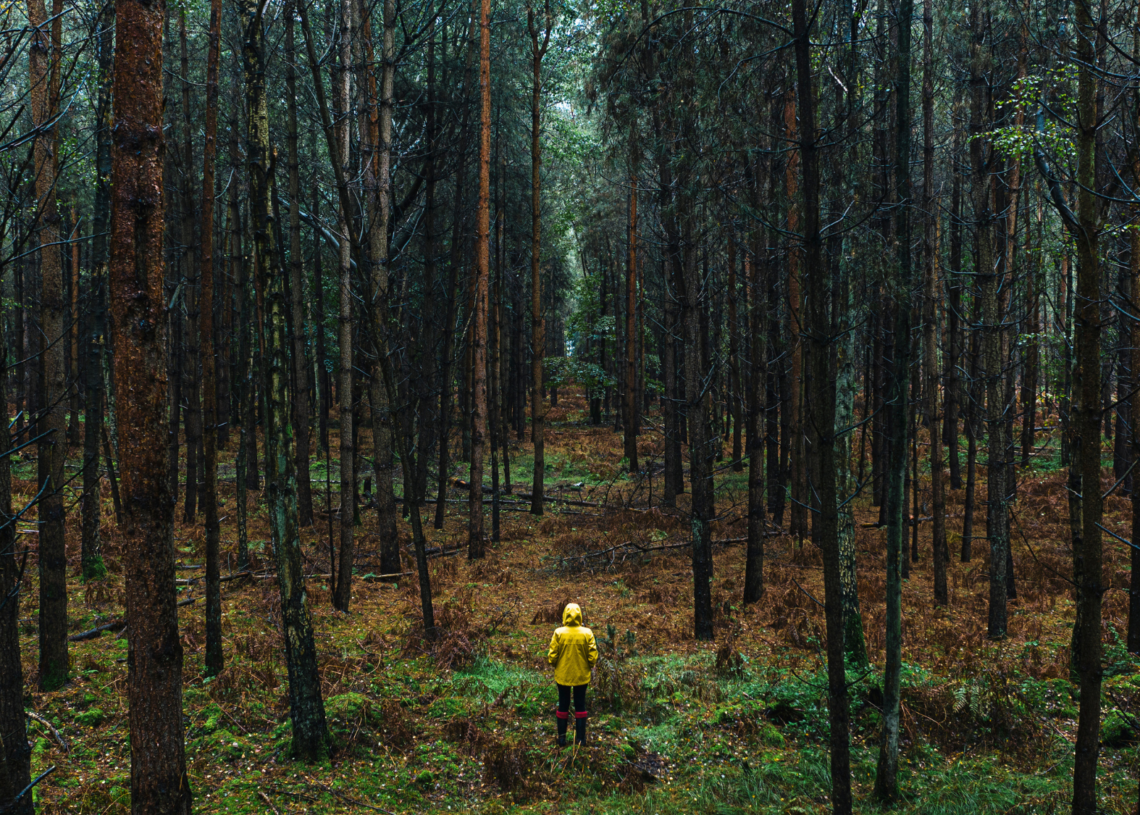
And the people who reported the strongest effect? The ones doing lake activities alone.
Researchers Sindre Cottis Hoff of the Norwegian University of Science and Technology and Helga Synnevåg Løvoll of Volda University College believe solitude creates mental space to actually notice the environment around you, rather than focusing on whoever you came with. There’s a difference, apparently, between walking along the water and walking along the water while paying attention to it.
Not All Solo Outdoor Activities Are Created Equal
Not every activity worked the same way. Walking along the shore, enjoying life along the shore, and walking on the ice showed the strongest ties to feeling connected to nature, while exercising along the shore ranked last among all nine activities studied. The researchers’ thinking is that activities involving sensory awareness and aesthetic appreciation actually deepen your bond with a place, while exercise tends to pull your attention inward toward effort and output. Your morning run along the water counts for a lot of things. This particular benefit isn’t one of them.
The urgency behind all this research is real. According to the World Happiness Report cited in the study, 19 percent of young adults reported having no one they could count on for social support in 2023—a 39 percent increase from 2006. Loneliness has been linked to depression, cardiovascular disease, dementia, and premature death. The interventions built to combat it, most of which lean heavily on organized social interaction, have a disappointing track record.
The researchers are upfront about the limits of what they can prove. The study is observational, so cause and effect can’t be fully established. Lonelier people may already seek out nature on their own. And solitude, they’re careful to note, is not a universal fix—too much of it carries its own risks.
There’s something almost refreshing about a solution that doesn’t end with a supplement recommendation or a 27-step routine. Find a place that means something to you. Go there by yourself. Actually look at it.
The post Scientists Say This Solo Outdoor Habit Can Cure Your Loneliness appeared first on VICE.