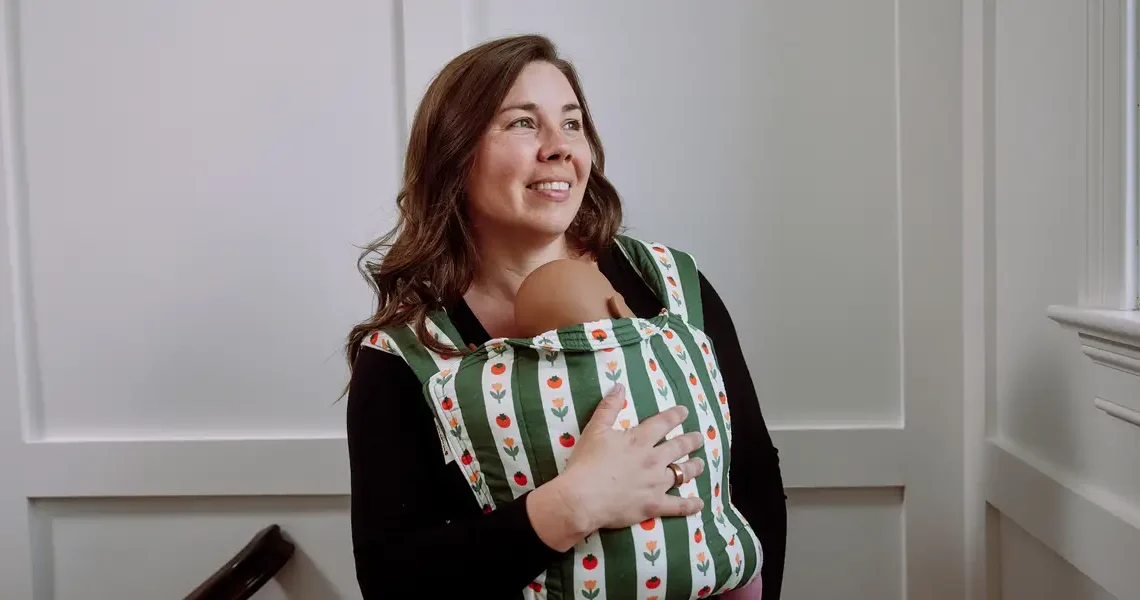
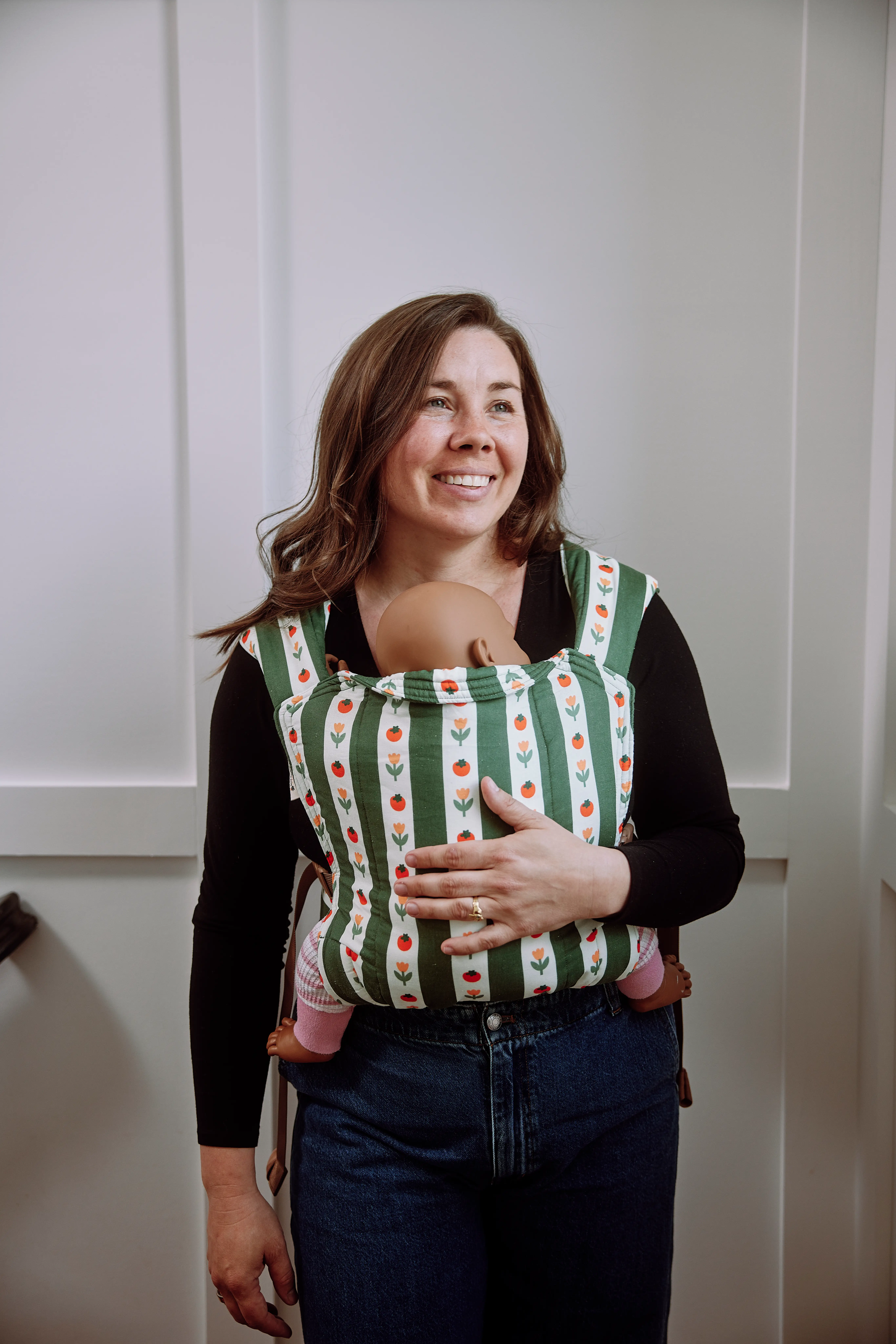
This as-told-to essay is based on a conversation with Skye Amundsen, cofounder and CEO of hope&plum. It has been edited for length and clarity.
I got into babywearing — the practice of wearing your child with a wrap, sling, or carrier — thanks to my friend Mallory Mascoli. We loved it, but constantly complained about the industry: plus-size options were nearly impossible to find, and the ones that existed were uncomfortable or sold out immediately.
Finally, one day I messaged Mallory and said, “I’m tired of this! I want to start my own company.” She said, “You do that, I’ll buy from you.” To which I replied, “No, you’re not understanding — I want to do it with you.”
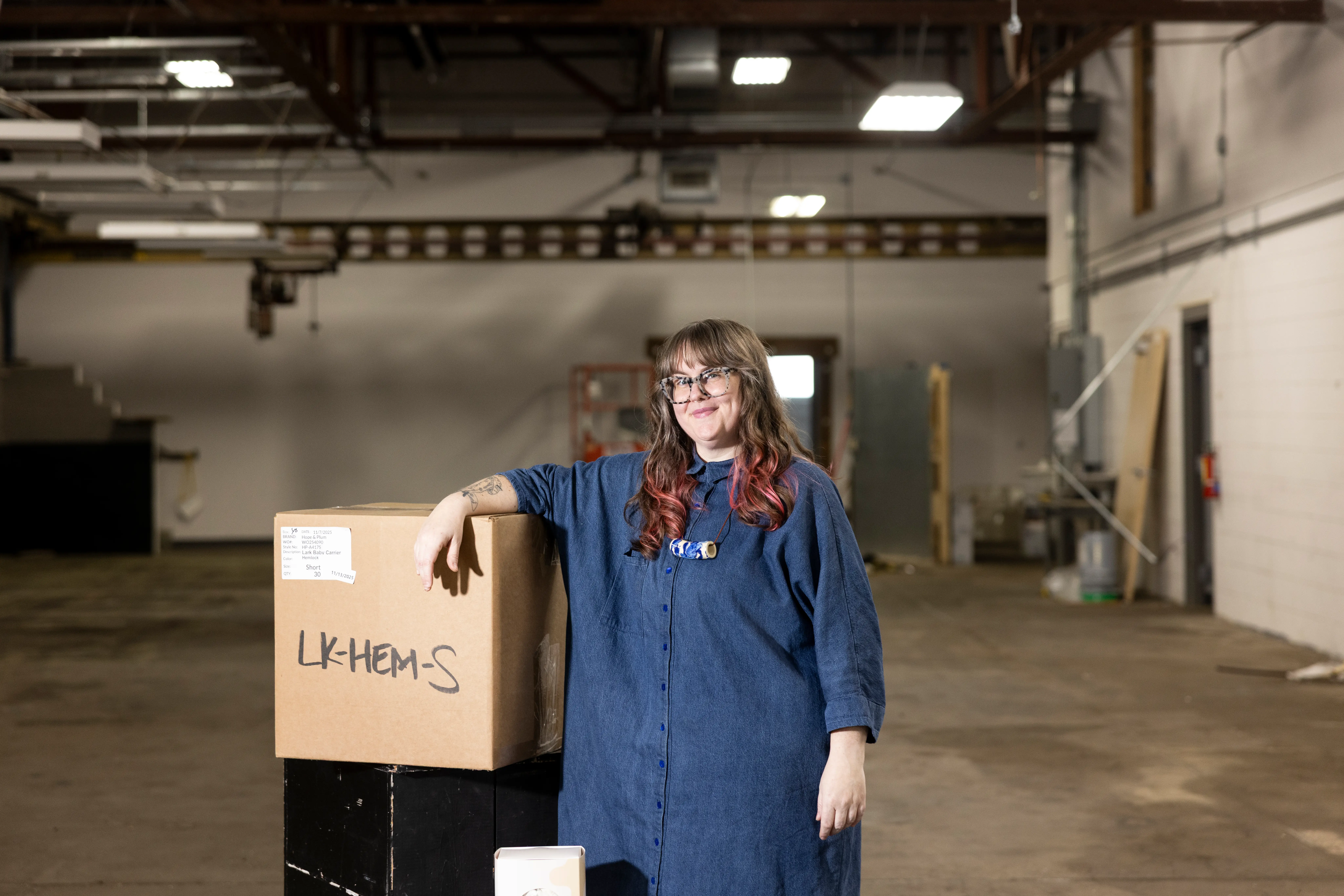
So we launched hope&plum as a passion project in 2018. Nearly eight years later, it’s a seven-figure business supporting both of us full-time, plus a team of over 30 employees, and two local manufacturing teams in Minneapolis. We grew revenue by 2,200% between 2022 — when I left corporate law to focus on the brand — and 2025, and are preparing to move into a 19,000-square-foot warehouse to keep up with demand.
Authenticity was our biggest marketing strategy
Organic marketing has always been our strongest growth driver. Our first customers came from posting in a 300-member mom group we were a part of. We grew by word of mouth pretty fast, thanks to a tight-knit babywearing community, where local babywearing groups in most major cities and online groups are highly interactive and involved in updates within the space.
We would also reach out cold to large influencers to see if they wanted to try our product, focusing on building a relationship rather than making it feel transactional. We weren’t tracking attribution rigorously at the time, but we could see direct spikes in traffic and sales following posts.
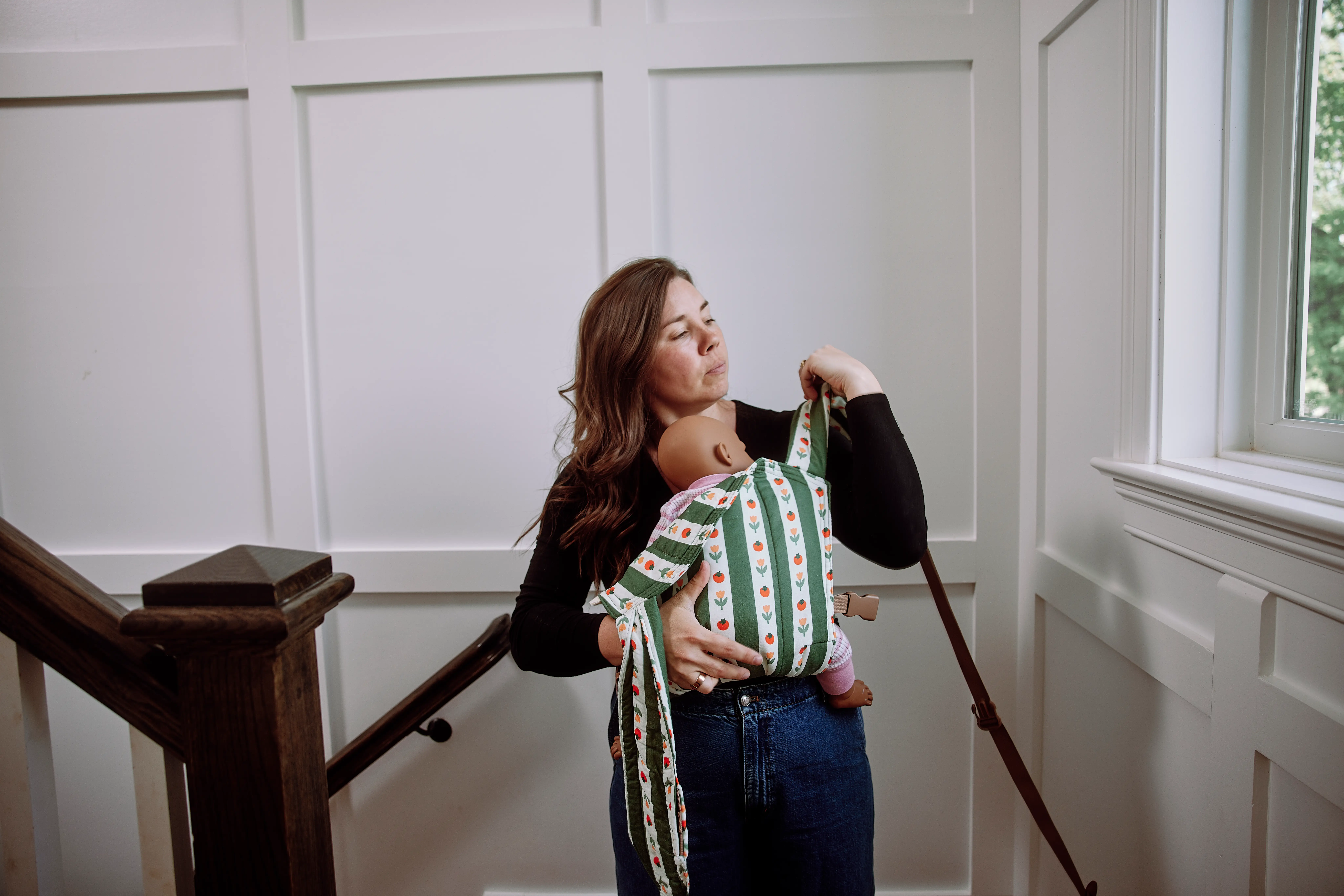
When it comes to our social content, we’ve always been focused on authenticity. When I became a mom in 2017, Instagram was full of perfectly curated pictures, and most brands leaned into that. Instead, Mallory and I would post content covered in breast milk, nursing our children in our carriers. I’d talk about my miscarriages and how difficult it is being a working mother.
Even our paid media focuses on making people laugh, cry, or feel like they learned something, rather than just selling our product.
All of that helped our customers see themselves in us, building connections and trust.
We had to rethink our own biases to build our most popular product
When we first started, we were very against buckle carriers and decided to focus on getting everyone to embrace other forms of babywearing, like ring slings and baby wraps. But customers kept asking for a buckle carrier, so we asked ourselves why we hadn’t created one.
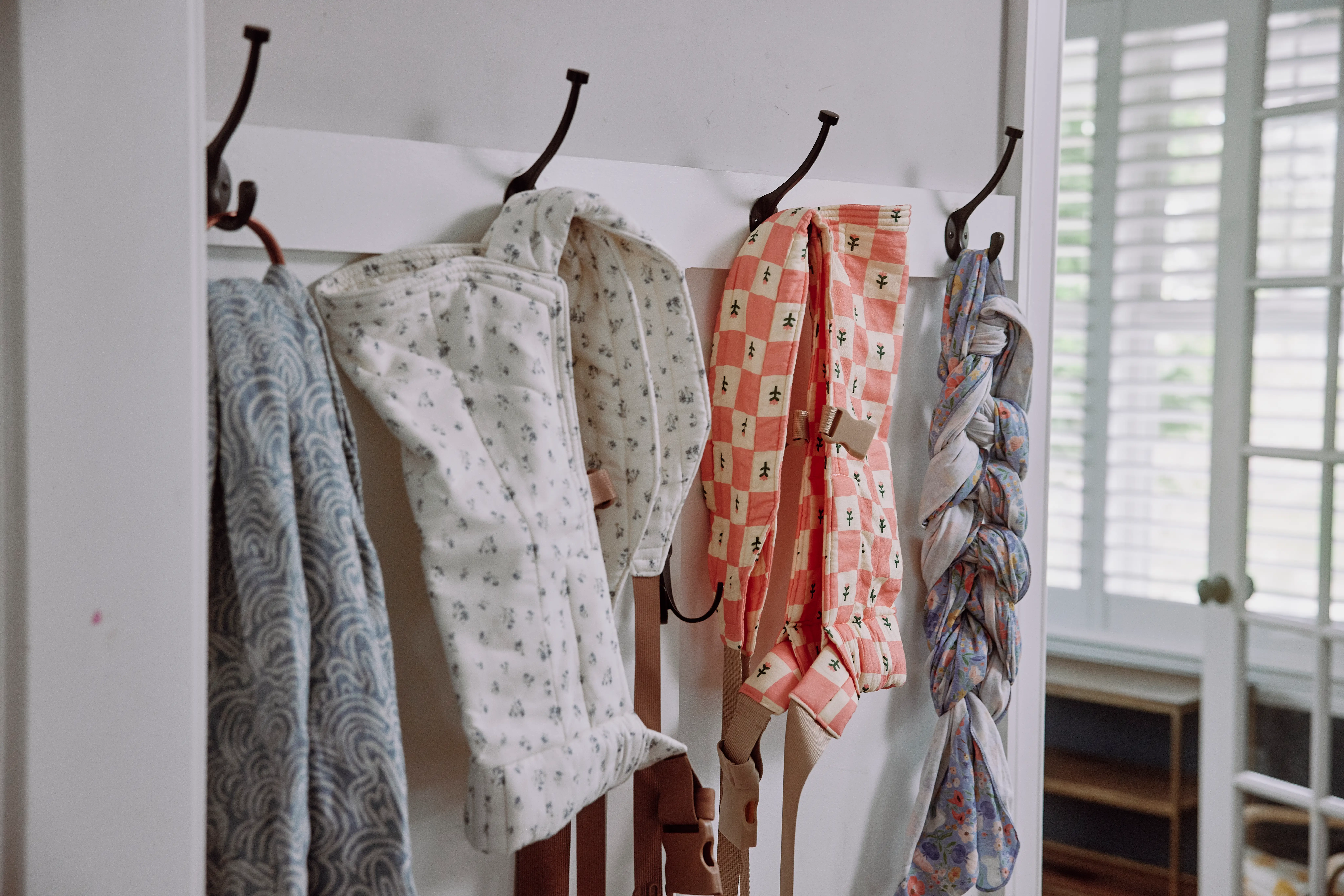
It all came back to our original problem: As larger-bodied people, we could never find a comfortable buckle option. We figured we couldn’t be the only people with these pain points, so we spent a solid year developing something better.
That decision is when our growth exploded. Thanks to the trust we had already built, there was excitement around us about launching a buckle carrier. When we launched the product in November 2023, our first run sold out within two days. When we launched a smaller newborn buckle carrier in February of this year, it sold out in under 24 hours and has sold out multiple times since then, with each sellout generating a waitlist that fed the restock. That waitlist has become one of our clearest indicators of demand.
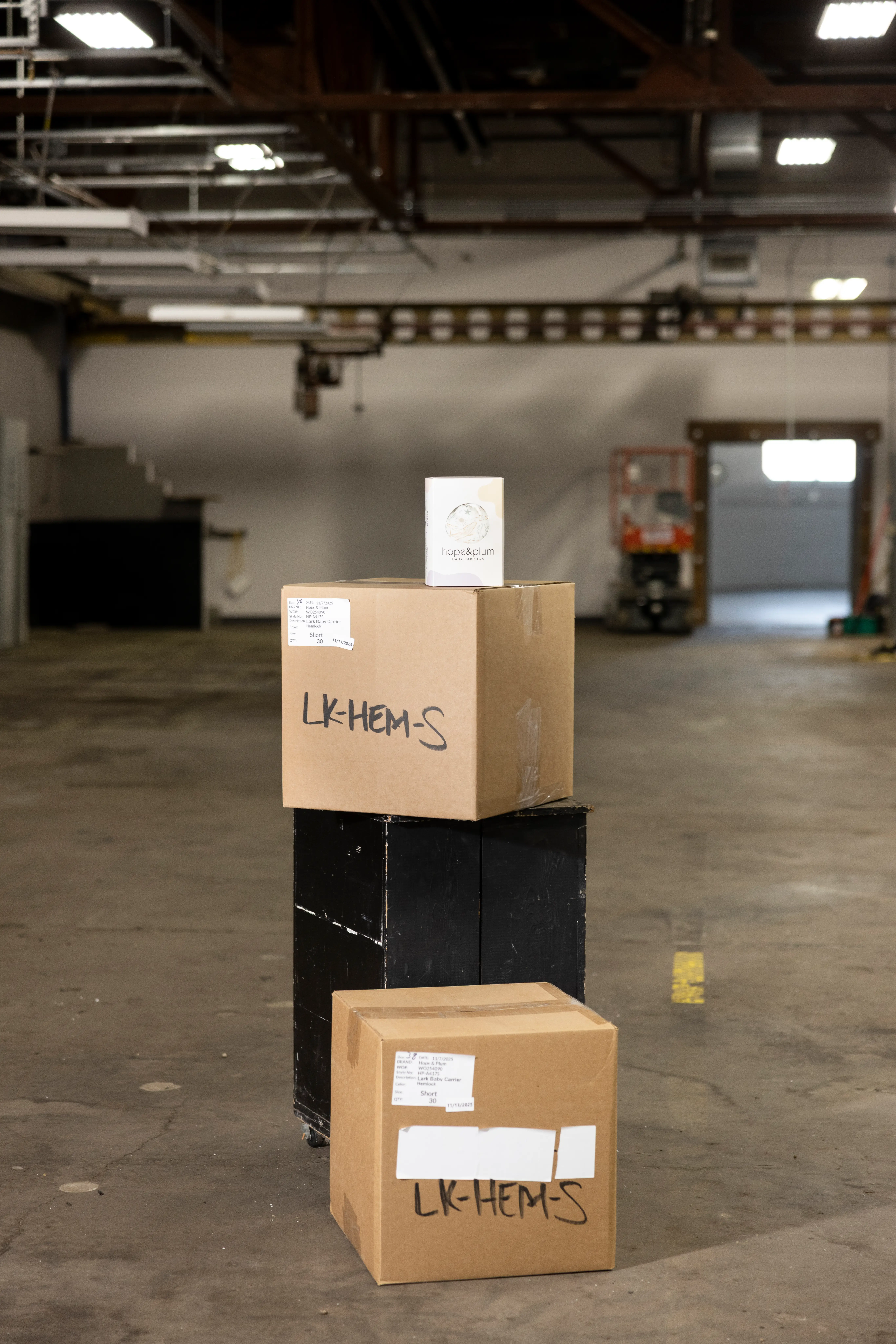
It’s exciting to sell out, but it’s also frustrating to customers. You can’t just magically make more product the next day, especially when you manufacture ethically as we do. That’s an ongoing battle with scaling: trying to guess what the customer wants and how much to produce. I massively undershot with our newborn buckle carrier and am still playing catch-up.
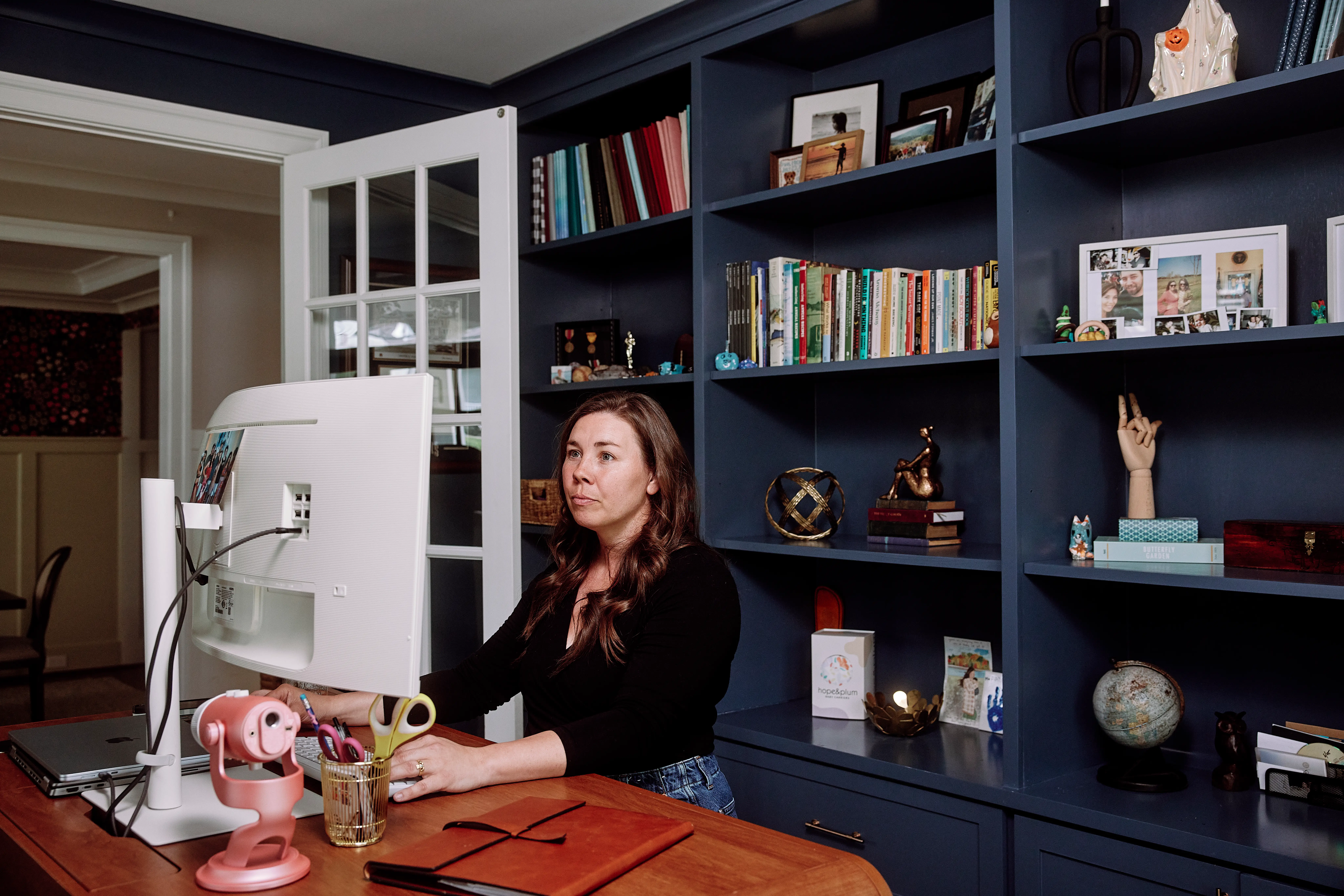
As exciting as rapid growth is, it has its challenges
People look at our growth and think we must be rich, but we’ve bootstrapped this business from the start, and most of what we make goes right back into the company.
When you have a product-based business like ours, you have to fund your growth before it happens. At the beginning, I made a $7,000 financial investment from a bonus I got at work, and we reinvested everything we earned.
There were days when our bank account was down to $10, and it took us about three years to see enough profit to pay ourselves. Over the years, we’ve had to expand into larger spaces before we felt financially ready, including today as we put half a million dollars into renovating the new warehouse we just purchased.
It’s really hard to double in size every year for four years. Right now, I’m grappling with how we keep it sustainable for our team and us. I told Mallory that I want to pull back on projections for next year, which sounds wild to say as a founder. But after four years of explosive growth, I want next year to bring slower, steadier growth.
Read the original article on Business Insider
The post I was frustrated by every baby carrier on the market. So I built my own — and grew 2,200% in the last three years. appeared first on Business Insider.