The thing about corporate turnarounds is that they take a minute and then some. In the case of Nike, it’s and then some … and then some more. Hopefully.
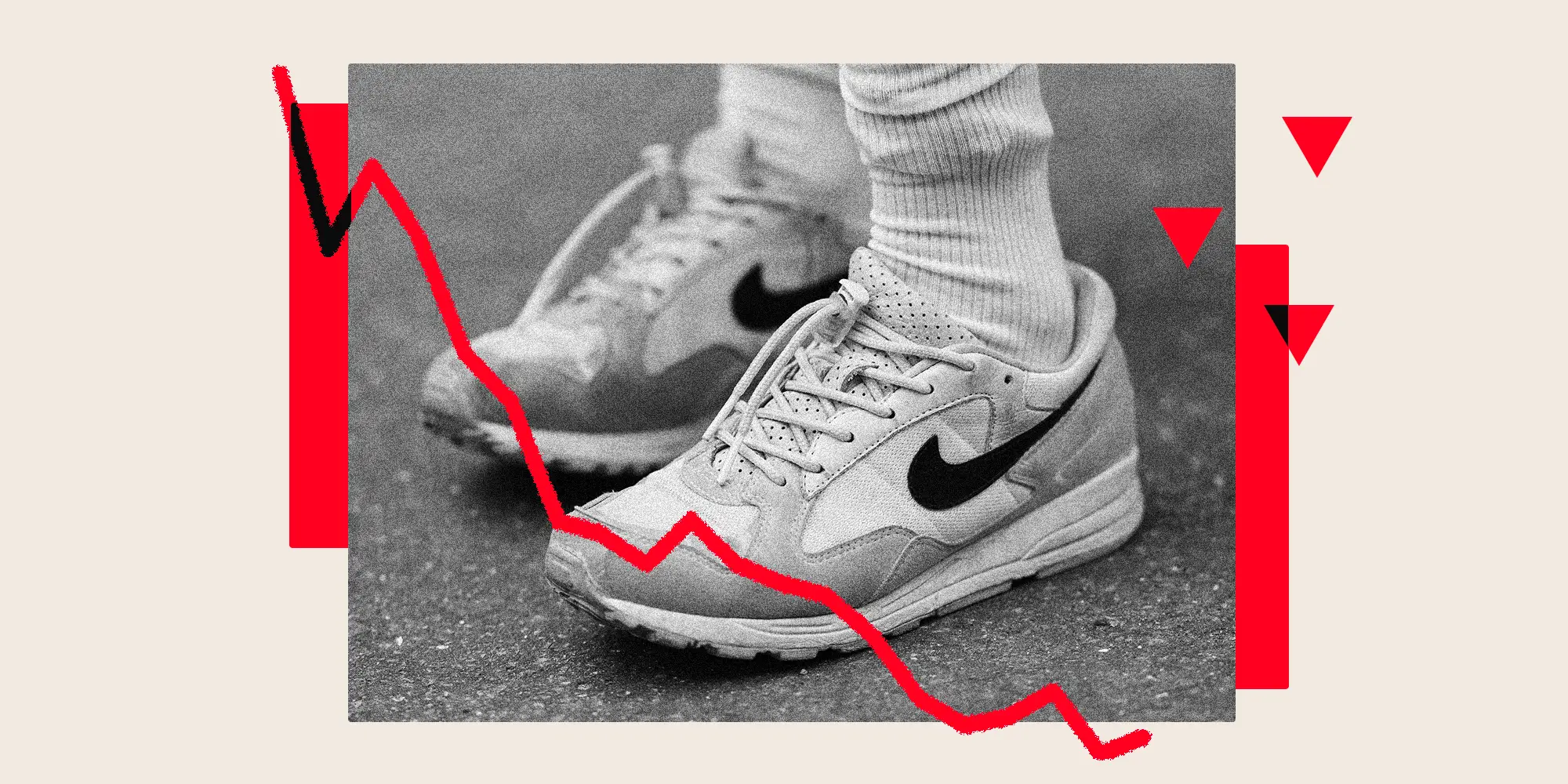
A company’s stock price doesn’t tell the whole story, but it does tell a lot of it, and the story it tells for Nike is bleak. Shares of the sportswear juggernaut have plunged 70% from their November 2021 peak, and are down 30% this year alone. Under the leadership of CEO Elliott Hill, a Nike veteran brought back in to lead the company in 2024, Nike has undertaken efforts to bring the company back to life. It’s going back to sports-focused basics, repairing relationships with partners it scorned, and refocusing on innovating its actual products instead of innovating its website. The strategy does show signs of working, but it’s slow going, and there are a lot of problems to address.
“If you’re 10 years old and you break your leg, you heal in a month,” says Sam Poser, an equity analyst at Williams Trading. “If you’re 40 years old and you break your leg, and it usually happens in a split second, it takes a much longer time before you can walk without a limp.”
And the 62-year-old Nike’s proverbial leg is broken in multiple places.
Heading into the pandemic, things were good for Nike — sales were strong, it was growing at a double-digit clip in China, its risky decision to stick by and advertise with former NFL quarterback Colin Kaepernick paid off. Even after the pandemic hit, the company was chugging along, at least on the surface.
Many people point to John Donahoe, who took over as Nike’s CEO in January 2020, as the main source of Nike’s current woes. The eBay veteran came in with some “very specific ideas,” says Matt Powell, founder of the consultancy Spurwink River, and “frankly, most of them didn’t work.”
In their heyday, Nike was always arguably one of the best grassroots marketing companies out there.
Nike had already been pushing to grow its e-commerce business and direct-to-consumer channels, and under Donahoe’s watch, that push became a shove. Nike pivoted aggressively to selling through its own digital and physical stores and cut ties or severely reduced its partnerships with wholesalers such as Foot Locker, DSW, and Macy’s. The hope was that cutting out the middlemen would increase profits, give Nike more control over the consumer experience, and allow it to get first dibs on valuable customer data.
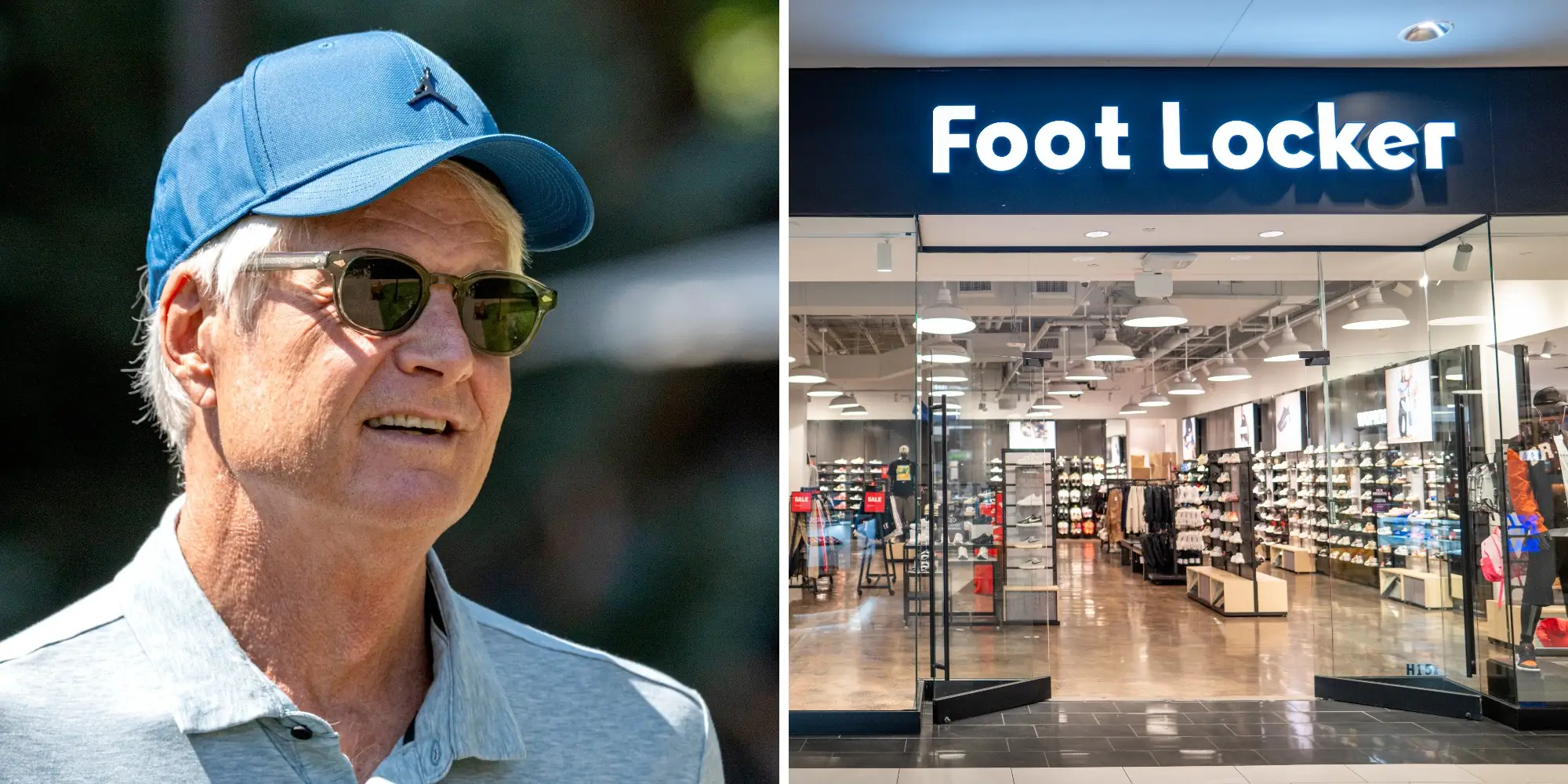
The move backfired. The company spent decades building out a strong ground game in partner stores, which the new strategy quickly undermined. By leaving physical locations, Nike opened up shelf space for younger, hungrier competitors such as On and Hoka, as well as older rivals like New Balance.
“In their heyday, Nike was always arguably one of the best grassroots marketing companies out there,” Poser says.
The effects of the pandemic initially papered over Nike’s DTC missteps. People sitting at home, shopping with extra cash to spend, bought up a lot of sporting goods, equipment, and shoes. It was also a strong period for the collectors market, where Nike thrives. (The pandemic, of course, caused other problems for Nike, especially around supply chains.) But as the stay-at-home boom wore off, the drawbacks of Nike’s new sales tactics became apparent.
Leaning into DTC wasn’t Nike’s only oops. While it was revamping its e-commerce operations, the company lost sight of a core part of its business: developing cool new products. There were consequences to worrying about where its merchandise was selling instead of what it was selling.
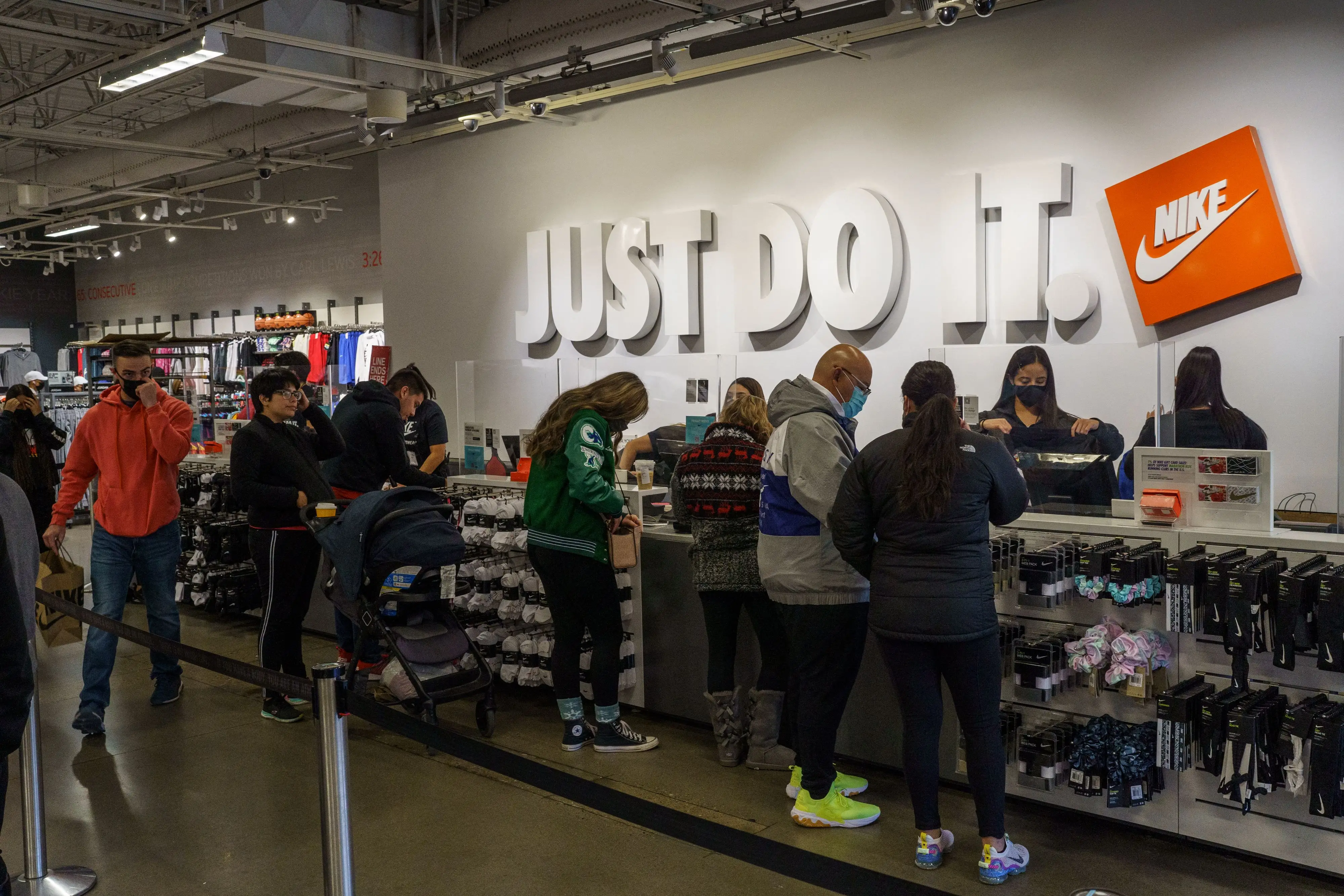
“It’s almost embarrassing that Nike would be getting hit this hard by companies like Hoka and On that have R&D budgets that are a fraction of the size of Nike,” says David Swartz, a senior equity analyst at Morningstar. Consumers are open to trying new footwear, especially if there’s not much new or exciting from the brand they already know. While Nike was flailing, both Hoka and On were innovating on their running shoes, specifically on their soles and cushioning, and moving into the mainstream. Some people, Swartz says, say Nike’s latest sales-driving running technology — Flyknit — came out years ago.
There’s an art and a science to all of this and in this case, the scientists failed.
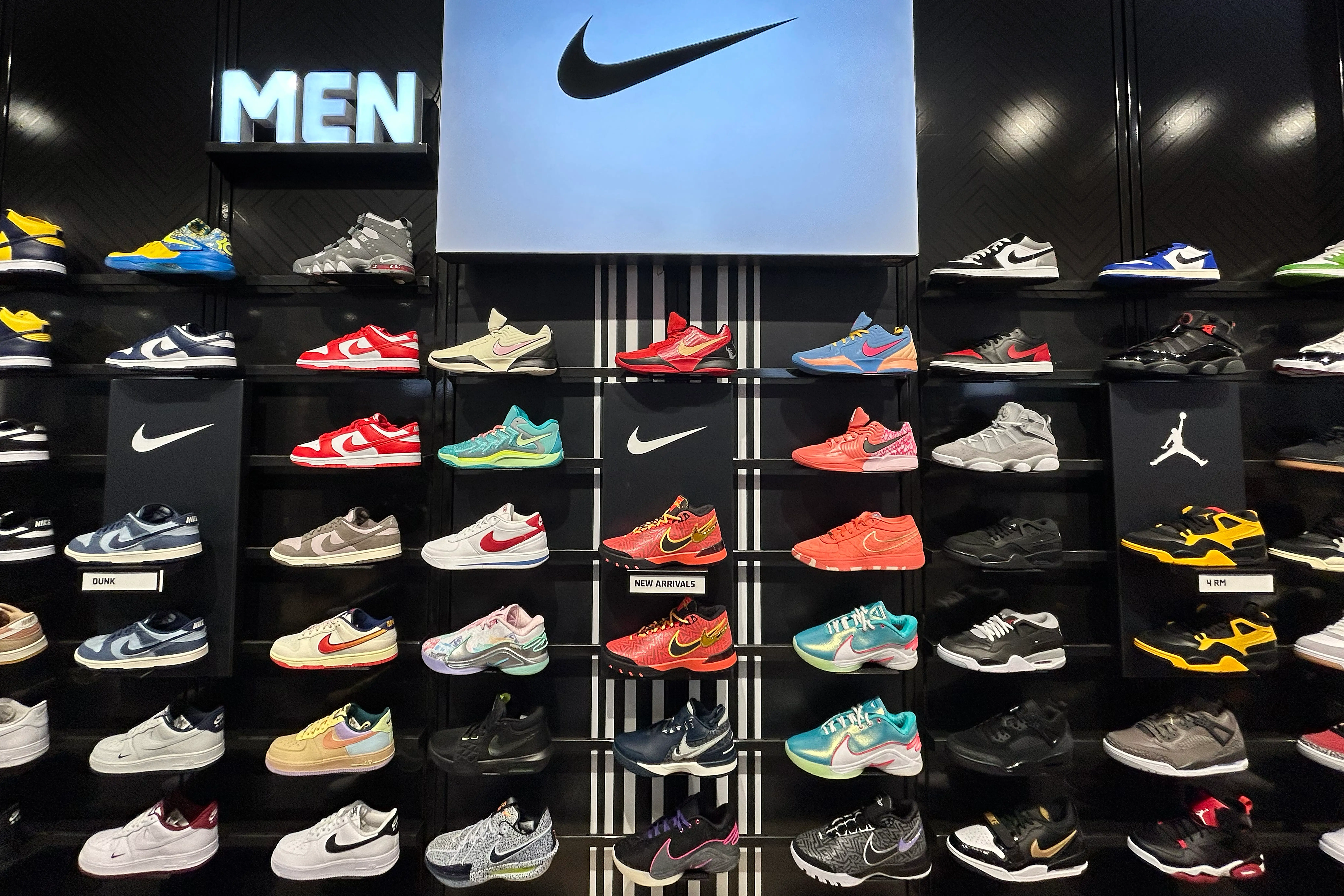
Nike began stuffing the market with its most popular shoes — Air Force 1s, Air Jordan 1s, Dunks — leading to oversaturation and, in turn, excess inventory and a decline in brand cachet. Part of what creates a sense of desire and urgency around those items is that they’re relatively hard to get.
At the same time that the product line was getting stale, Nike replaced older, more expensive employees with younger, cheaper employees, losing an important chunk of institutional knowledge.
“There’s an art and a science to all of this,” Poser says, “and in this case, the scientists failed.”
Amid declining sales and lost market share, Nike brought in Hill, a Nike vet who’d retired, to replace Donahoe as CEO in the fall of 2024. In an earnings call in December of that year, Hill said his “irrational love” for the company had brought him back and that his “singular focus” was to help the company “get back to winning.” He subsequently introduced a turnaround plan, dubbed “Win Now,” hinging on refocusing on sports, rebuilding wholesale relationships, reorganizing leadership, and pulling back on promotions.
“He’s the right guy, and he’s doing all of the right things,” Powell says, “but the issues are so deep, so systemic that it’s taking longer than people wanted it to take to get things recovered.”

Nike is making inroads with retail partners it recently rejected, but that takes time and is a two-way street. The same goes for reestablishing its authority as a sportswear brand rather than a lifestyle brand. It reorganized internal teams by sport rather than the more general men’s, women’s, and kids model, and moved to get billions of dollars’ worth of flooded merchandise out of the marketplace. Nike does nearly $50 billion in sales a year, which makes any change in tack more difficult — it’s harder to turn a tanker than a speed boat. Adding to the complications are President Donald Trump’s tariffs, which have been eating into its margins.
Hence, where Nike is now. Nike shares plunged at the end of March in the wake of its latest earnings report. While it reported sales growth in North America, it saw a decline in China, and the overall outlook was dark: Nike expects revenues in the current quarter to be down by 2-4% and anticipates an eye-popping 20% decline in China.
“This is complex work, and parts of it are taking longer than I’d like,” Hill said on the earnings call with analysts.
Behind the scenes, Hill’s tone has reportedly been sharper. At a recent all-hands meeting obtained by Bloomberg, he told staff he’s “so tired,” just like them, “of talking about fixing this business.” He said he wants to “move to inspiring and driving growth and having fun.”
Much as the pandemic papered over some of Nike’s setbacks, concerns about China and the slow pace of progress are overshadowing its wins.
“A year ago, no one would have believed Nike could grow sales in North America. A year ago, everyone was talking about how Nike was losing on running and how that was such a big deal,” says Simeon Siegel, senior managing director at Guggenheim Partners. Now that things are improving in those arenas, critics are dismissing those bright spots. “People are saying Nike North America’s growth isn’t real because it’s wholesale,” Siegel says. “And they’re saying Nike winning in running doesn’t matter because who cares about running?”
Even when Nike’s losing, they’re winning.
Nike’s Air Force 1s and Jordan shoes are in a more stabilized phase, while the Dunks are still lagging, a company spokesperson told me. The next sport Nike’s looking to is global football — as in soccer — with the World Cup. The spokesperson pointed to Nike Mind (futuristic-looking neuroscience-based shoes), a collaboration with Kim Kardashian’s brand to create NikeSKIMS, and the company’s all-conditions gear as notable spots of innovation and optimism. However, they also emphasized that these developments take time: product timelines, from ideation to creation, are 12-18 months.
Ultimately, Nike has its issues, but it’s still the leading shoe company in the US by a mile. “Even when Nike’s losing, they’re winning,” Siegel says.
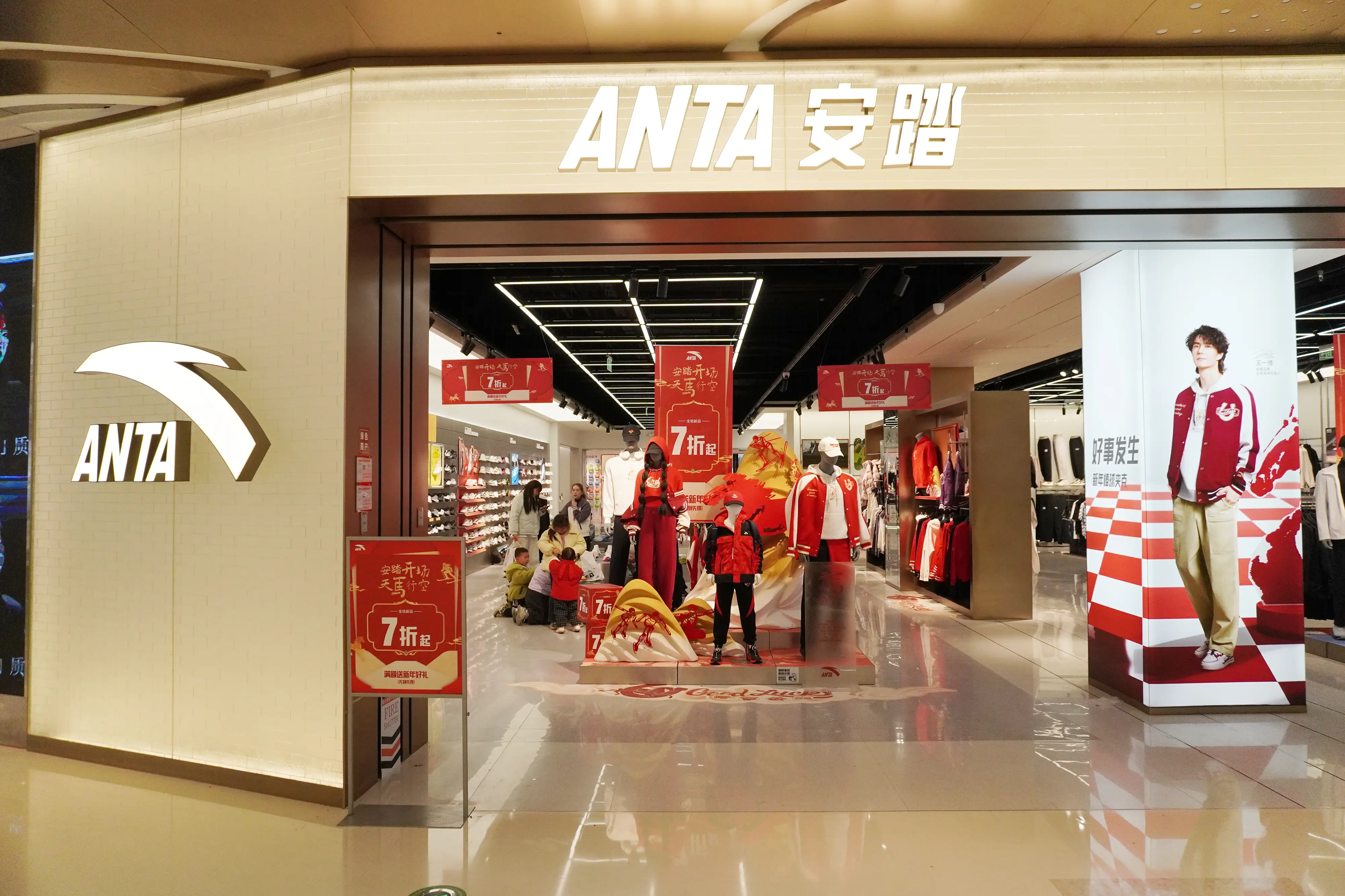
That being said, one place Nike really isn’t winning is China. As some Chinese consumers have taken a nationalist turn, Nike has lost ground to domestic brands such as Anta and Li-Ning. China’s economic slowdown and high youth unemployment have also hurt sales and nudged consumers toward more wallet-friendly names.
Excess product is also an issue. In the US, for example, it’s fairly easy for Nike to quietly move inventory through discount channels such as T.J. Maxx and its own outlets, but in China, most promotional activity happens online, so they go about it more slowly. “What has happened — and in fact is apparently still not fixed — is these franchisees were just stuffed with inventory, older inventory, which they have struggled to sell through even at large discounts. This has delayed Nike’s plans in China because they can’t put a lot of new products into the stores,” Swartz says.
Nike is trying to adjust accordingly, including reducing inventory in China to increase full-price demand, but it’s not happening overnight. Swartz says it’s not clear what the timetable is for Nike’s China operations to improve, and “there’s a lot of concern that it’s never going to get better,” or at least won’t be the “standout market” it was before.
Nike isn’t a dying giant, but it is limping along, and recovery is taking longer than expected. Its largest market — North America — is growing. It’s innovating again. Its overall results are still not stellar, nor are its immediate expectations. External headwinds, from tariffs to rising oil prices, add extra levels of uncertainty. But it’s not time to throw in the towel on Hill or his efforts yet.
“There’s enough signs of light,” Poser says.
Across-the-board double-digit growth may not be in the cards in the near future. That’s not necessarily surprising, given how big Nike is. No company is too big to fail, but in the world of shoes and sports, Nike comes pretty close.
Emily Stewart is a senior correspondent at Business Insider, writing about business and the economy.
Read the original article on Business Insider
The post Just Fix It: Nike’s stock is down 70% — but there’s hope for a comeback appeared first on Business Insider.