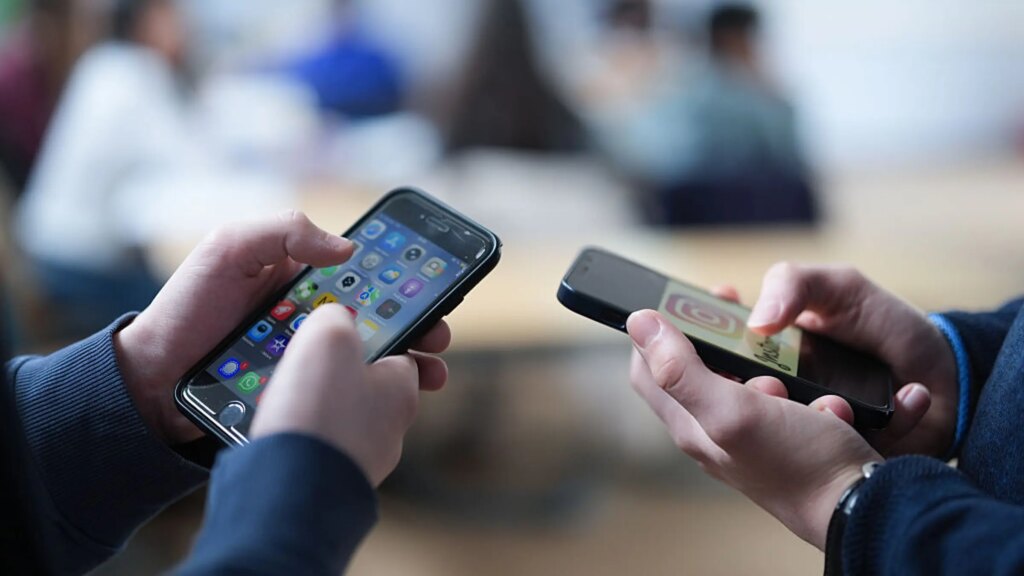
The European Union is giving tech companies no more excuses to implement age checks for social media users.
The E.U. announced on Wednesday a new age verification app that can be used to prove the age of users online before accessing certain platforms, without sharing their personal information with the platforms themselves. A growing number of countries around the world have moved to crack down on online harms to children, but have been met with pushback from some tech companies that argue enforcing age restrictions can create practical and privacy issues.
While some countries have implemented social media bans, the app, which the E.U. said is “technically ready” and will be rolled out soon for E.U. citizens, is the first of its kind to introduce a centralized, bloc-wide approach to verifying users’ ages, negating the need for online platforms to collect sensitive personal information.
“We are holding accountable those online platforms that do not protect our kids enough. The new age verification solution and the enforcement of our rules go hand in hand,” European Commission President Ursula von der Leyen said in a statement. “There are no more excuses.”
The roll-out of the app comes as several E.U. countries weigh restricting children and teens from certain social media platforms. Last month, Von der Leyen appointed a panel of experts to deliver recommendations on children’s online safety this year.
Here’s what to know about the app.
How does the app work?
There are a few methods by which users can verify their age on the app. Users can upload a passport or national identity card to the app, or, reportedly their age can be verified by a trusted provider such as banks or schools. Tech platforms can then access the app to check whether a user meets the minimum age requirement. The user’s personal information, including their actual date of birth, won’t be shared with the platforms, according to the statement.
The app will have the “highest privacy standards in the world,” Von der Leyen said in a Wednesday post on X.
The app will be fully open-source and will work on any device, Von der Leyen said.
European Commission technology spokesperson Thomas Regnier told CNN that E.U. member states can tailor the app to their domestic laws and specific age requirements. Platforms will not be required to use the app, but must show that they have alternate age checks that are just as effective, he said. If they fail to do so, the platforms could face sanctions under the E.U.’s Digital Services Act.
“This app gives parents, teachers, caretakers a powerful tool to protect children,” the E.U. statement said. “We will have zero tolerance for companies that do not respect our children’s rights.”
Why have regulators made the app?
Parents across Europe and beyond have raised concerns over the impact of social media on young people’s mental wellbeing, according to the statement. Concerns center around online bullying, the addictive nature of social media especially through highly targeted content, and potential exposure to harmful and illegal content and sexual exploitation.
Last month, a California jury found Meta and YouTube liable for harming a young woman’s mental health through their addictive features. Also in March, a New Mexico jury found Meta liable for failing to protect children from sexual abuse on its platforms.
The E.U. said they created the app in order to address the “excuses” made by several tech platforms as to why they could not verify the ages of their users.
Many social media platforms already have minimum age requirements to sign up for an account, but historically these have not been enforced through any additional checks.
Several tech companies have raised concerns around the technology required to check users’ ages, as well as around preserving the privacy of users. Meta CEO Mark Zuckerberg suggested that app stores conduct the age verification checks instead of the platforms themselves, but Apple and Google have said such an arrangement would require all users to hand over personal data.
The E.U. app will address these concerns as neither tech platforms nor app stores will be directly responsible for handling users’ personal information.
Which countries have youth social media bans?
In December, Australia became the first country in the world to ban children under 16 from a slate of social media platforms. Australia’s ban still requires social media platforms to use their own age assurance technology to prevent underage users from creating accounts and to remove existing underage users from the platforms.
Across Europe, several E.U. member states have already taken steps towards restricting young people from social media. Spain proposed a ban for kids under the age of 16 in February. France has advanced legislation to restrict kids under the age of 15 from social media beginning in September at the start of the school year. Earlier this month, Greece announced plans to ban access to social media for children under 15 beginning next year.
France has also led efforts to coordinate E.U. efforts to restrict social media bans. Von der Leyen is expected to attend a video conference on social media bans convened by French President Emmanuel Macron on Thursday.
The U.K. has also begun clamping down on tech companies. British Prime Minister Keir Starmer summoned representatives from U.S. tech firms, including Meta, X, TikTok, Google, and Snap, on Thursday to discuss “whatever steps necessary to keep children safe online,” according to the Prime Minister’s office.
Several countries around the world, including Malaysia, Indonesia, and Singapore, have introduced various restrictions aimed at curbing children’s use of social media. Some U.S. states, including Florida, Arkansas, and Louisiana, have also passed laws requiring parental consent for children below a certain age to sign up for social media accounts, although almost all state-level restrictions face legal challenges.
The post ‘No More Excuses’: Europe Announces Age Verification App in Effort to Crack Down on Social Media appeared first on TIME.