As Ukraine’s war raises the profile of small drone threats, civilian and corporate organizations preparing for them are finding a key problem: There’s not much they can do to stop one.
In the US and Europe, private citizens and businesses are rarely allowed to shoot down or jam an uncrewed aerial vehicle, even if it is flying over their property and they believe the drone to be a nuisance, or worse, a threat. All they can do is watch for them.
Many Western businesses and security firms are turning to drone detectors.
Manufacturers and security consultants told Business Insider that demand for these devices has grown steadily in the past four years, especially after the US-Israeli war with Iran began.
“I am telling every single client I have right now to look at their drone threat vulnerability,” said Seth Krummrich, a retired US Army colonel and the vice-president of risk management at the consultancy Global Guardian.
These detection devices can only notify the user that a drone is present nearby. That awareness, however, allows a civilian security team alerted to a nearby threat to contact local authorities.
Drone detectors can vary, ranging from handheld devices to large, radar-dish-like devices. They scan for radio or optical signals to alert the operator to a drone’s presence. Some types can also provide information on what the drone sees and the pilot’s location.
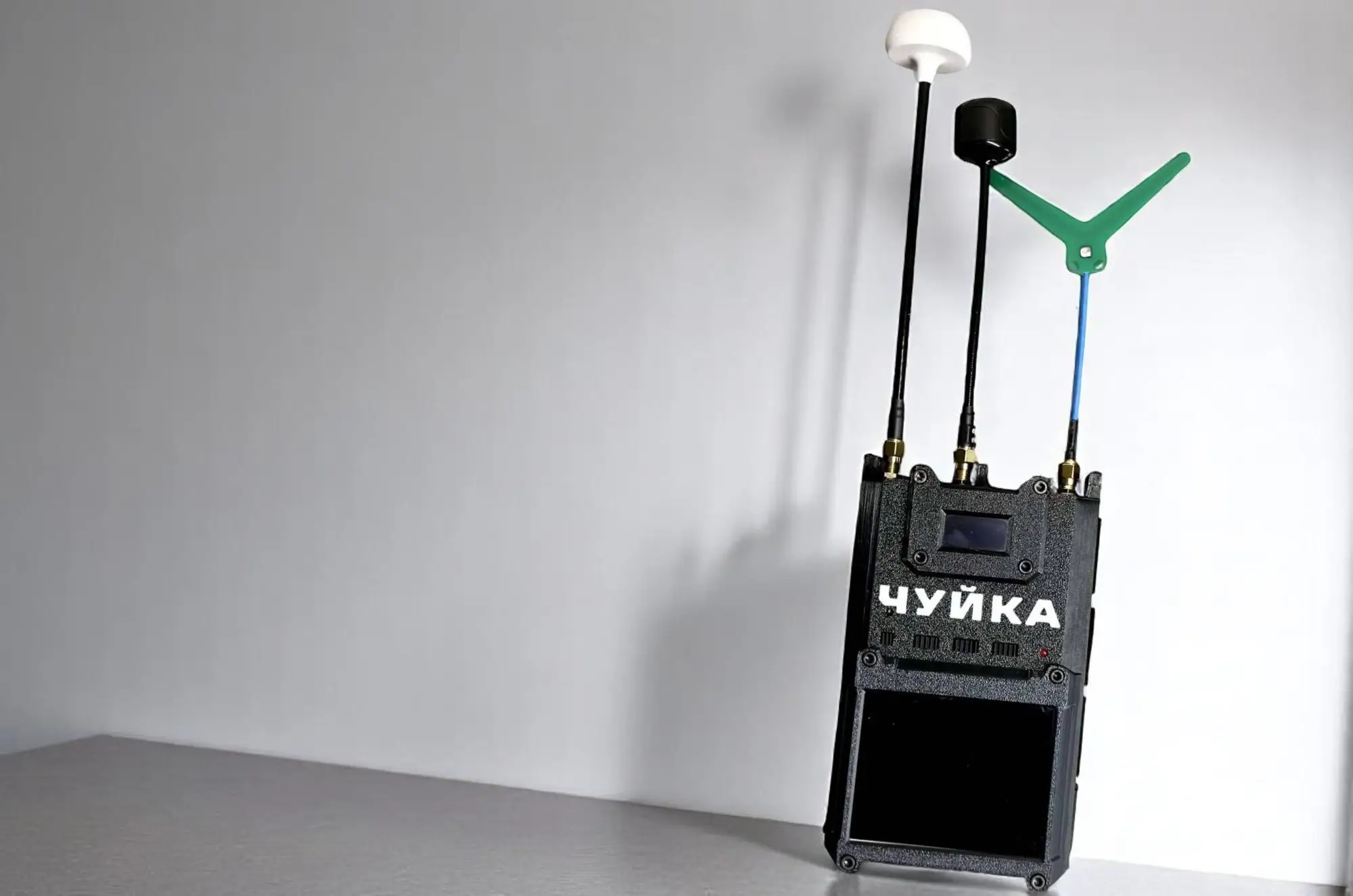
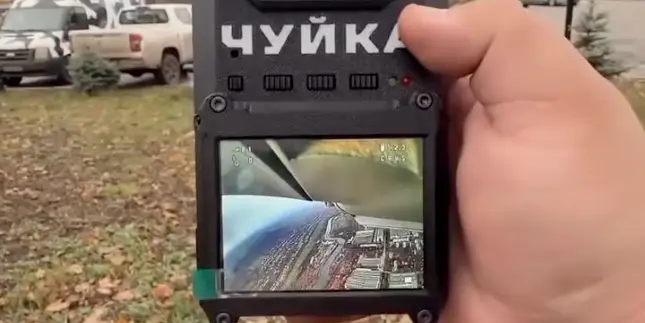
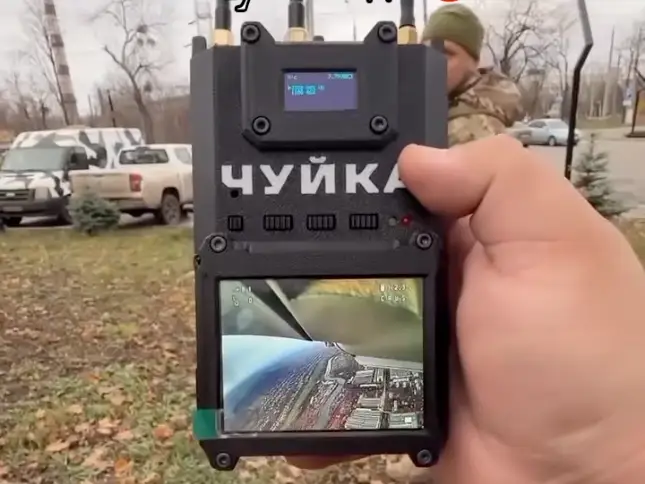
Borys Budeianskyi, deputy director of Blue Bird Tech, a Ukrainian firm that makes the popular Chuika 3.0 detector, said inquiries about its devices have jumped almost tenfold in the last six months.
The Chuika is a handheld device, almost like a walkie-talkie, that costs about $1,800 and detects signals across three radio frequency ranges up to 2.4 miles away.
With the surge in requests, Blue Bird Tech plans to expand manufacturing to the US or Europe.
“A few years ago, drone detection was a very niche need,” Budeianskyi said. “But today the FPV threats have spread so quickly, and customers from all over have seen from Ukrainians that this is a real operations need.”
Who is buying drone detectors?
Customers for these detectors are typically larger firms, such as oil and gas companies, organizers of major sports events, or operators of critical infrastructure, such as airports. Some law enforcement agencies buy them, too.
But as drones surge in popularity, a good number of buyers are now wealthy private citizens.
“There’s lots of orders from VIP security companies, like bodyguards,” said Ivan Frankiv, cofounder of Kara Dag, a Ukrainian-American drone technology manufacturer. The firm sells a detector designed to spy on an FPV drone’s video feed.
Frankiv said yacht owners and royal families, for example, regularly inquire about Kara Dag’s detectors. His company has been “absolutely flooded” with requests in the last month, he added. Business Insider was unable to independently confirm the surge in requests for his company or others.
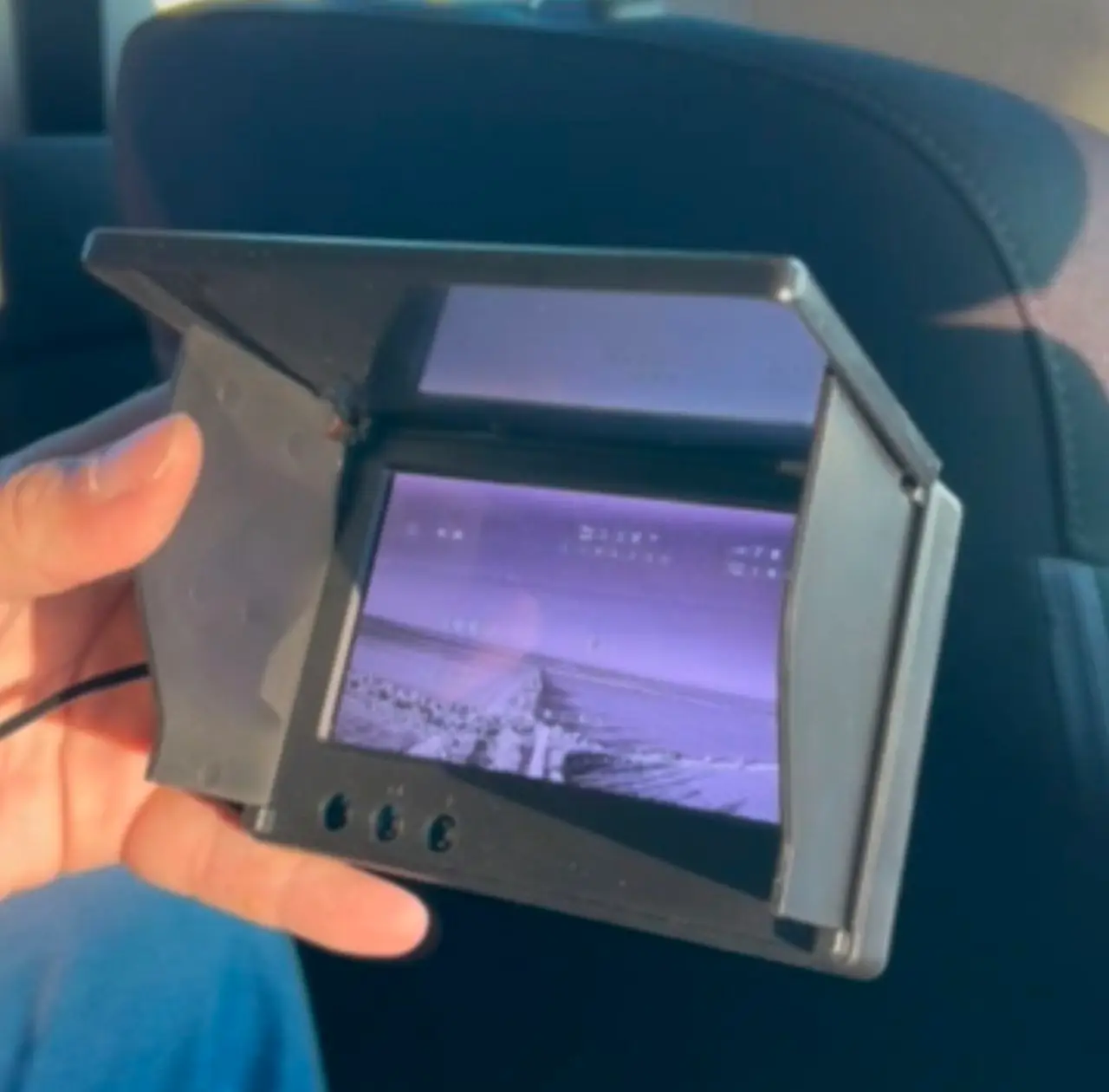
Shawn Doble, a retired US police chief who now works as a security consultant in North Dakota, said prisons are also considering installing detectors.
“Groups and individuals are delivering contraband, cellphones, other things like this, into prison environments using these small drones. And the facilities have a very hard time securing from these,” he said.
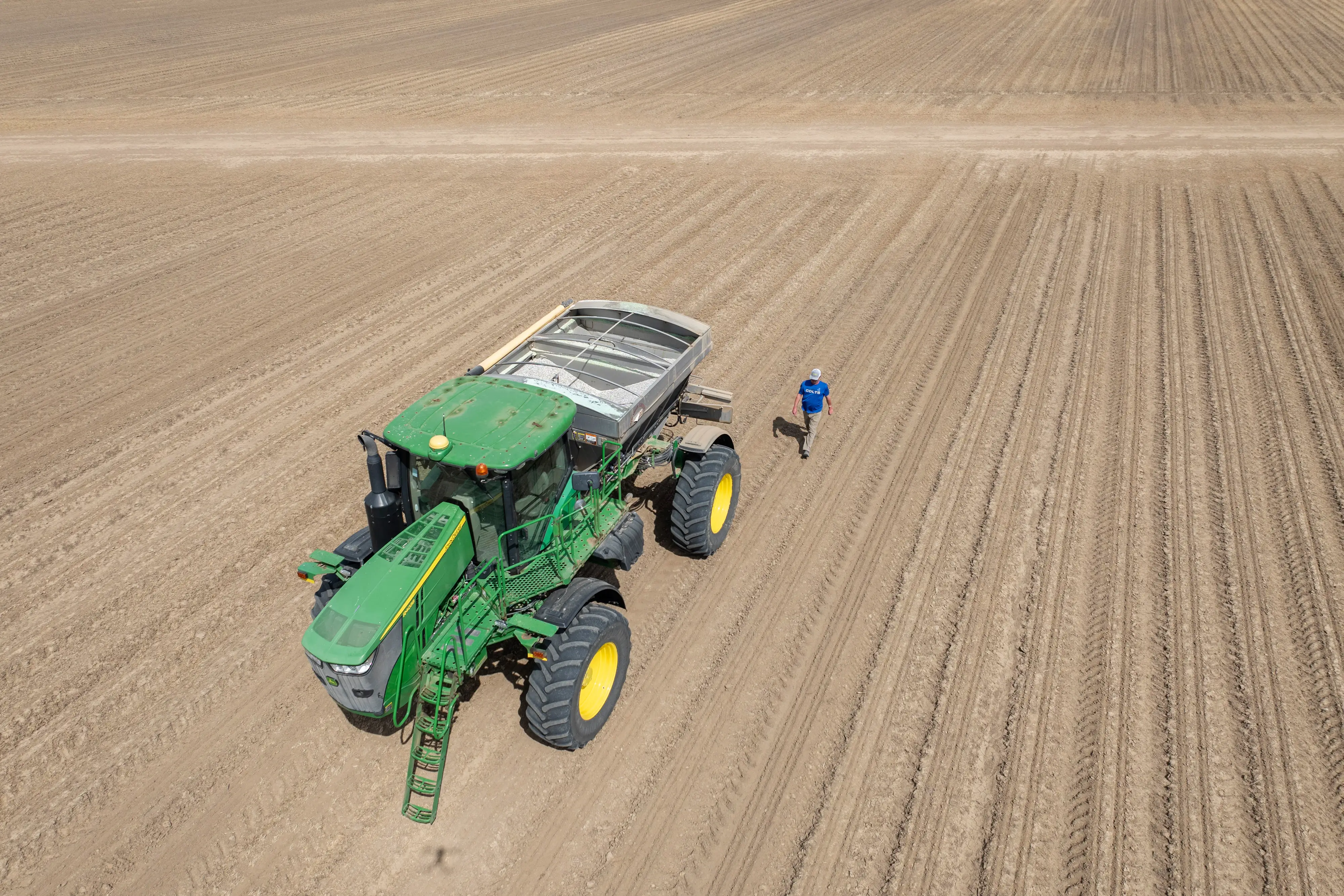
Ash Alexander-Cooper, a vice president overseeing the Europe, Middle East, Africa, and Asia Pacific markets for DeDrone, a US-based counter-drone platform by the firm Axon, said some clients are farmers worried about theft.
The concern is that criminal gangs fly drones to spot expensive farming machinery, wait for crews to leave, and then move in at night to steal equipment such as tractors or combine harvesters.
“In Africa, even anti-poaching teams that are worried about game reserves, they see the use of drones by poachers to identify where herds or endangered species are, and monitor when the anti-poaching teams try to come in,” Alexander-Cooper said.
A newer but battle-proven technology
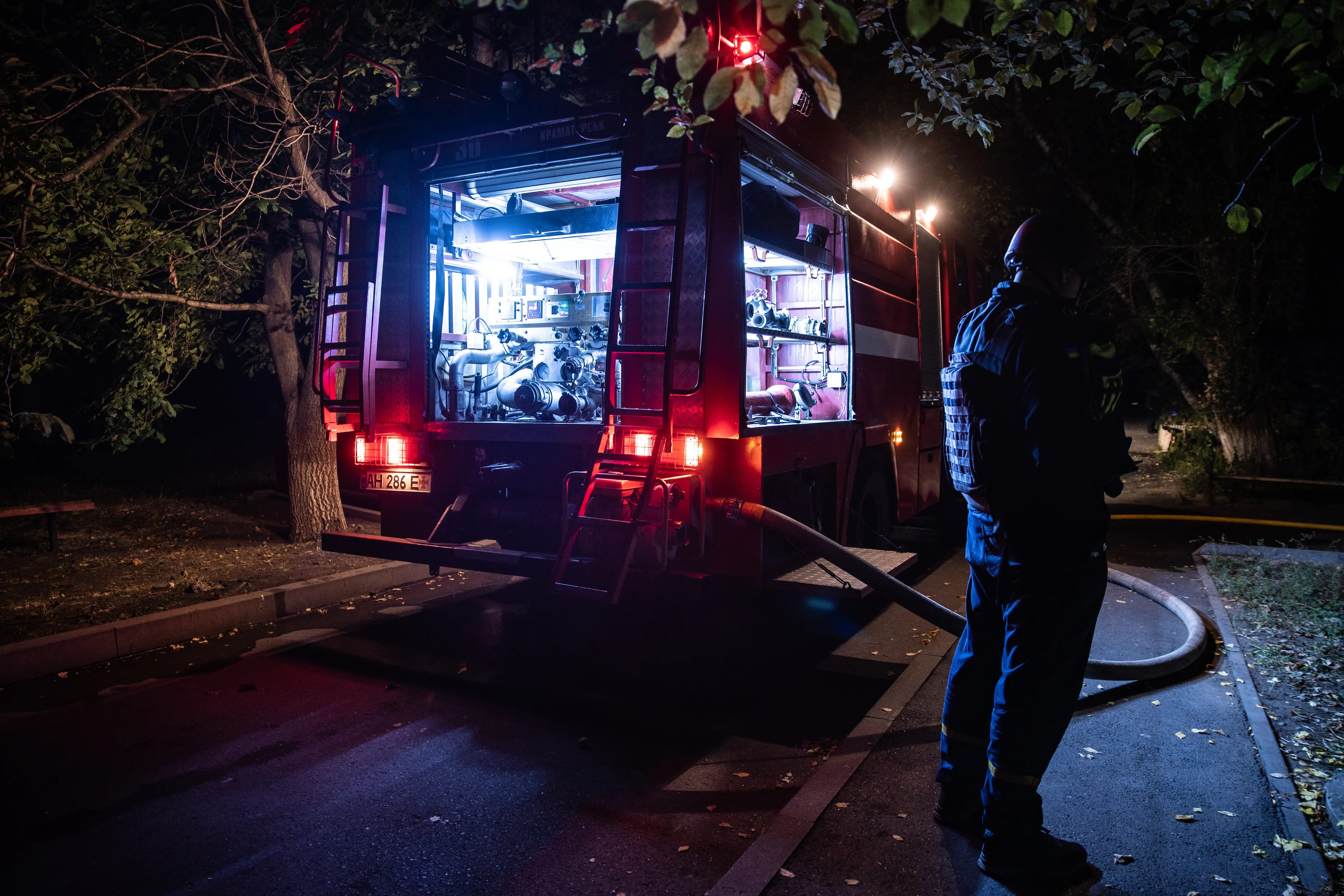
Stanislav Baldyn, a representative for the State Emergency Services in the Donetsk region, said that Ukrainian fire trucks have been equipped with detectors for “quite some time.”
Russian drones have attacked his agency’s teams and equipment over 100 times in the last four years, he said.
While detectors might not neutralize a drone, they give the fire and rescue workers a “small amount of time” to evacuate the vehicle and take cover, he said.
Detectors have spread to other conflict zones, too.
David Viero, communications manager for the Christian volunteer organization Free Burma Rangers in Myanmar, said his teams have equipped their medics with Kara Dag detectors.
Viero said that many of the attack drones deployed in Myanmar are similar to those Russia, a close ally of the local military junta, uses against Ukraine. In one recent deployment, his organization’s teams were nearly hit by drones three times in a single month, he said.
“A lot of drones, you don’t really know they’re there,” Viero said, “So you don’t anticipate your location or your ambulance’s location being identified.”
The West isn’t ready for drone threats
Meanwhile, some consultants are concerned that drone threats are far outpacing what citizens in the West can do about them.
“Even in countries where they have quite clear laws about what is allowed to be done, it’s not necessarily keeping up with the threat,” said Alexander-Cooper, the DeDrone VP.
For example, countries with more robust laws still only allow for radio-frequency jamming, and not GPS jamming, meaning a pre-programmed drone might still be able to reach its target, he said.
Frankiv, the cofounder of Kara Dag, said that at least half of the requests for detectors his company receives are now related to fears in Europe of extremist violence.
“Many clients, they are seeing ahead of time,” Frankiv said. “You can fly 20 kilometers with a drone carrying five kilograms of explosives out of your backpack. You go to a field or high-rise building, you fly into your target, and you get away very simply.”
In the US, Krummrich, a former chief of staff for the Special Operations Command Central, said there’s a “huge gap” in civilian and corporate defense against drones.
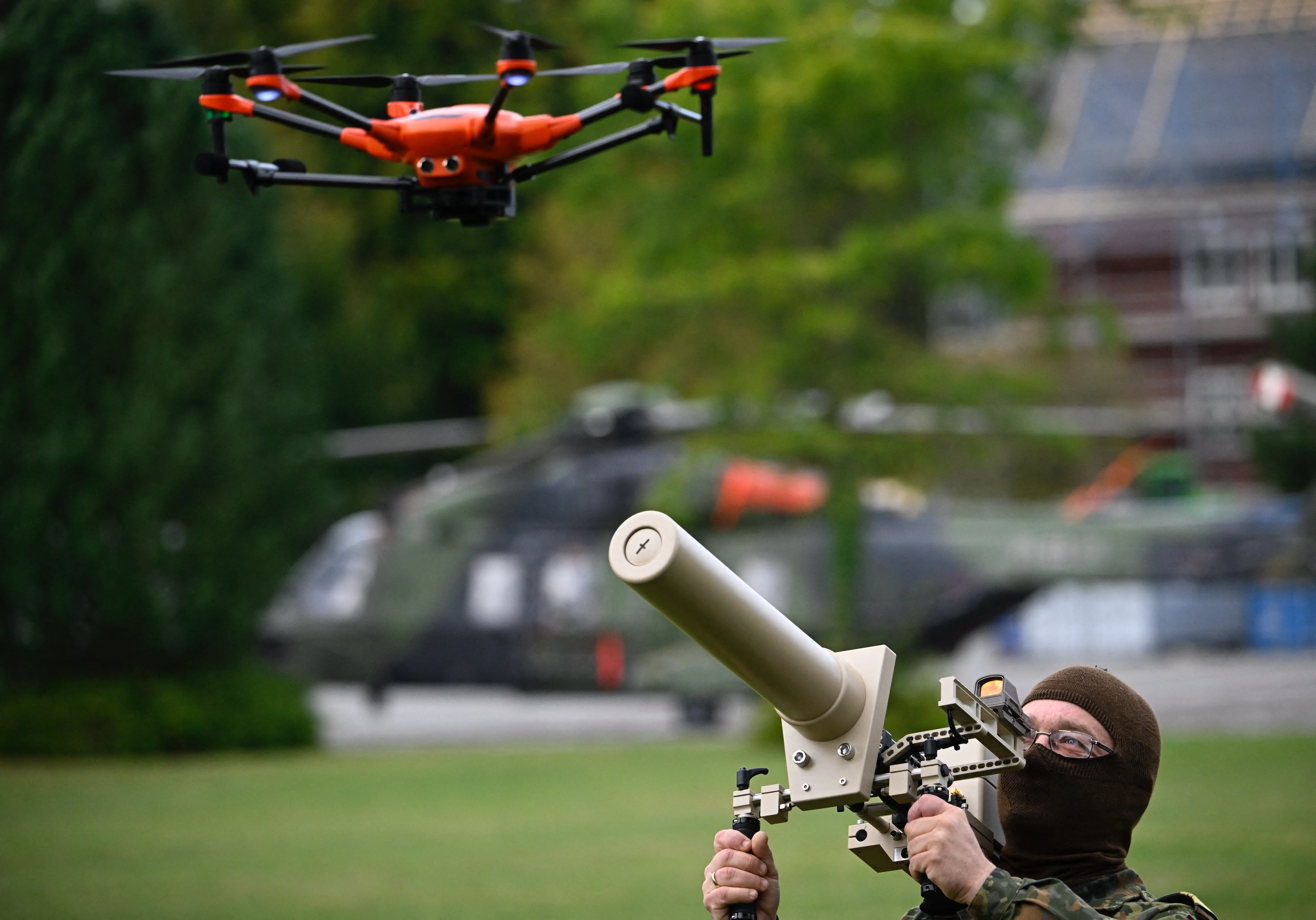
Local and state-level law enforcement should train specialists to jam or take down small drone threats, he said. Violent crimes, he warned, are only going to worsen as drones become more commonplace.
“The question we have to ask ourselves, besides: ‘How do we stop school shootings?’ is ‘What is the next evolution of school shootings?'” Krummrich said. “To me, it’s as obvious as my hand in front of my face. They’re going to use drones.”
Read the original article on Business Insider
The post The West is preparing for cheap drone attacks, but many businesses and civilians can only watch, not stop them appeared first on Business Insider.